Explore our premium range of Laser SLAM powered smart forklift units and mobile robotic chassis engineered for precise high-capacity handling.
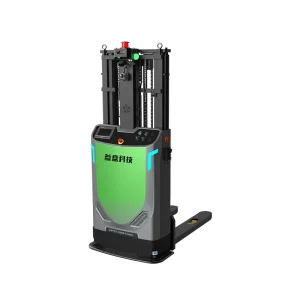
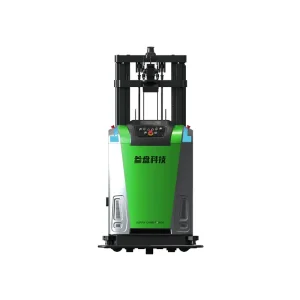
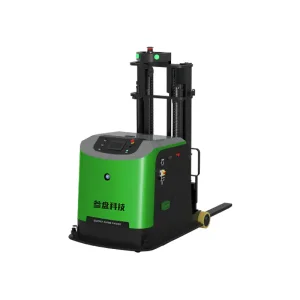
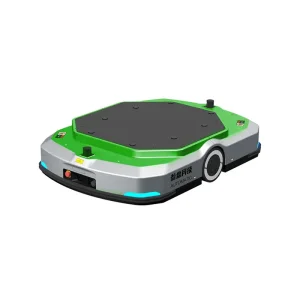
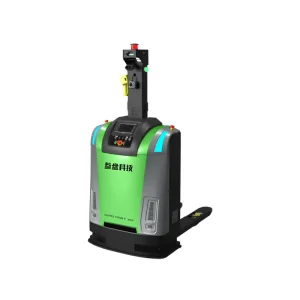
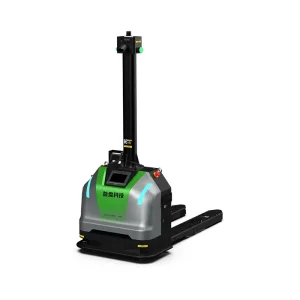
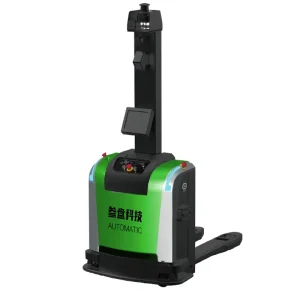
Evaluating the paradigm shift from manual intra-logistics to agile AMR and Laser SLAM automated fleets.
In modern industrial facilities, warehousing, and manufacturing hubs, efficiency challenges are magnifying due to rising labor costs, space constraints, and high requirements for processing accuracy. Traditional manual stacking machinery is increasingly giving way to fully automated Robotic Stackers and Smart Laser SLAM Forklifts. The global supply chain landscape is transforming, with China leading the manufacturing, supply, and technological iteration of these highly efficient mobile robots.
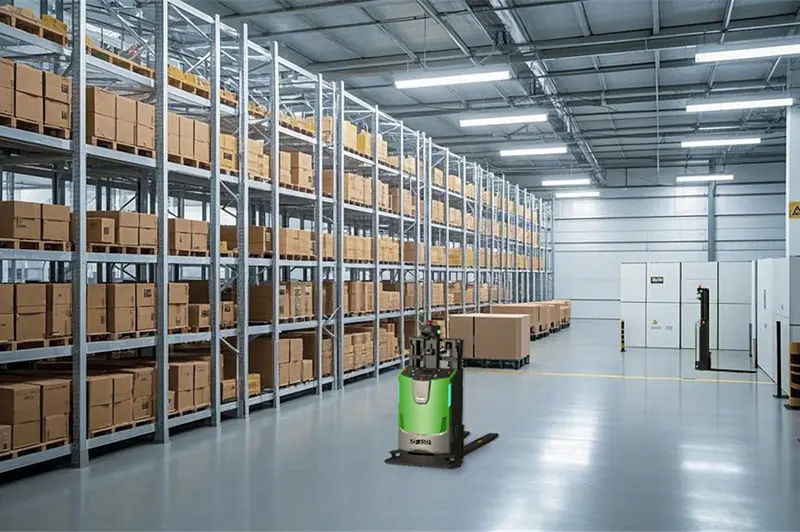
With advanced SLAM (Simultaneous Localization and Mapping) technology, modern automated stackers operate without the need for physical guidance systems like magnetic tape or QR codes on the floor. Instead, they interact dynamically with their environment, building spatial maps in real-time, executing high-precision path planning, and adapting dynamically to changes in structural obstacles. By eliminating structural modifications within warehouses, enterprises can scale up or adjust their automation fleet with minimal downtime.
Utilizing high-precision LiDAR SLAM, these robotic stackers operate seamlessly across dynamically changing factory layouts without additional floor markers.
Capable of managing capacities ranging from 1,000kg to 3,000kg, incorporating real-time stability and center-of-gravity calculations for high safety.
Direct communication with WMS, WCS, and ERP systems to coordinate operations seamlessly across different manufacturing stations.
Product Architecture of SCP
Taking the actual business needs as the cornerstone, SCP is committed to comprehensively innovating and enhancing the overall supply chain planning of enterprises. We provide enterprises with comprehensive end-to-end supply chain solutions, build a multi-role and multi-dimensional intelligent supply chain collaboration system, and achieve all-round efficient collaboration and process optimization.
At present, SCP has established a product architecture supported by software and hardware, and supplemented by the top-level design of the supply chain control tower to create an agile, flexible and efficient end-to-end supply chain system for enterprises.
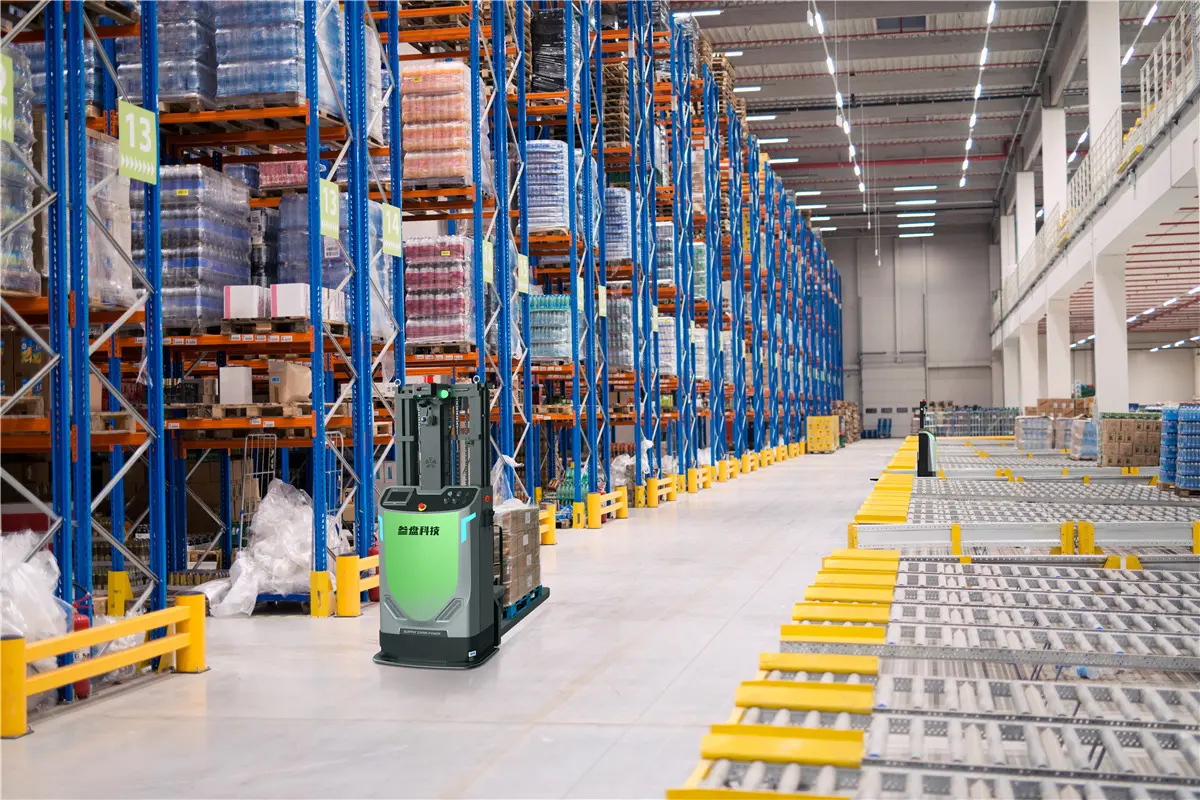
Driving excellence, sustainability, and technological value across the agricultural and industrial supply chain.
Benefiting farmers and bringing welfare to consumers
Leading the technological upgrade of the supply chain and achieving extraordinary value for transformers
Alliance of Developers of New Quality Supply Chain Technology
Combining industry expertise, technical software/hardware design, and rapid delivery models.
As a subsidiary of New Hope Group, we have a good market reputation and execution ability. Moreover, we have an in-depth understanding of multiple industries.
We were incubated based on the digital needs of the business side within the New Hope system, and have participated in many projects of the same type. Therefore, we have a better understanding of the actual business scenarios and demands.
We possess the self-development and integration capabilities for various systems in procurement, sales, and supply. We can well meet the individual needs of different customers.
We provide certain light consulting services alongside projects, covering multiple dimensions such as process optimization and assessment weight, to assist customers in the construction of digital transformation of their supply chains.
We have a professional delivery team for commercial projects. We actively respond to the personalized needs of customers and can ensure fast and high-quality delivery according to customer requirements.
A comprehensive technological breakdown and real-world deployment strategy of smart stacker systems.
The core technological advantage of our robotic stacker fleet lies in its robust multi-sensor fusion system. Our vehicles integrate 2D/3D LiDAR, stereoscopic vision cameras, time-of-flight (ToF) sensors, wheel encoders, and high-performance Inertial Measurement Units (IMUs). By processing sensory inputs through advanced localization algorithms, our automated stackers maintain spatial accuracy within +/- 10mm even in highly dynamic, unstructured environments with high pedestrian density.
Partnering with a leading Chinese supplier yields unmatched structural advantages. China's mature robotics ecosystem integrates raw material extraction, high-precision machining, sensor development, and core control unit production within a single geographical network. This clustering allows for remarkably compressed prototyping cycles, customizable structural dimensions, and a resilient supply chain that mitigates geopolitical supply line disruptions. We pass these efficiency gains to our global customers through reduced lead times and cost-effective automation options.
Fostering long-term industrial efficiency, green energy utilization, and ecological supply chain structures.
In terms of technology research and development, SCP continues to increase its investment and constantly optimize the product architecture supported by software and hardware and the top-level design of the supply chain control tower.
By strengthening the self-development and integration capabilities of various systems in procurement, sales, and supply, we continuously improve the technical level and competitiveness of our products and services. We build a solid foundation for the sustainable development of enterprises and the industry with leading technologies.
At the same time, we actively explore the application of cutting-edge technologies in the supply chain field, promote technological iteration and upgrading, and maintain a leading position in the industry in terms of technology.
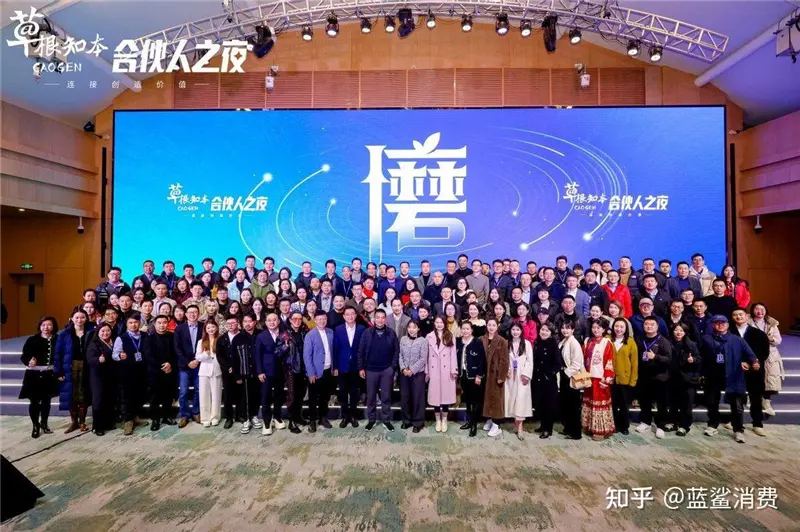
In terms of ecological construction, relying on the rich industrial resources and extensive business layout of Caogenziben, SCP deeply explores the supply chain needs of multiple industries such as food consumption and creates solutions that are suitable for actual scenarios.
By empowering key links such as cold chain logistics, we promote the standardized management and efficiency improvement of the supply chain and facilitate the collaborative development of the entire industrial chain.
In addition, we actively carry out in-depth cooperation with overseas partners, absorb international advanced experience and technologies, expand the international market, enhance the global influence of the enterprise, and build a supply chain technology ecosystem with international competitiveness.
From a long-term development perspective, with the vision of "Leading the technological upgrade of the supply chain and achieving extraordinary value for transformers", SCP integrates the concept of sustainable development into its corporate strategic planning and daily operations.
We not only focus on our own growth and profitability but also look to promote the green, intelligent, and efficient development of the industry. We build a more perfect supply chain collaboration system for future enterprises.
While achieving our own sustainable development, we create greater value for society and become a backbone force in promoting the sustainable development of the supply chain technology industry.
Docking Precision
Max Load Capacity
Operational Uptime
Cold Chain Support
Our commitment to internationally recognized manufacturing practices, safety protocols, and build quality.
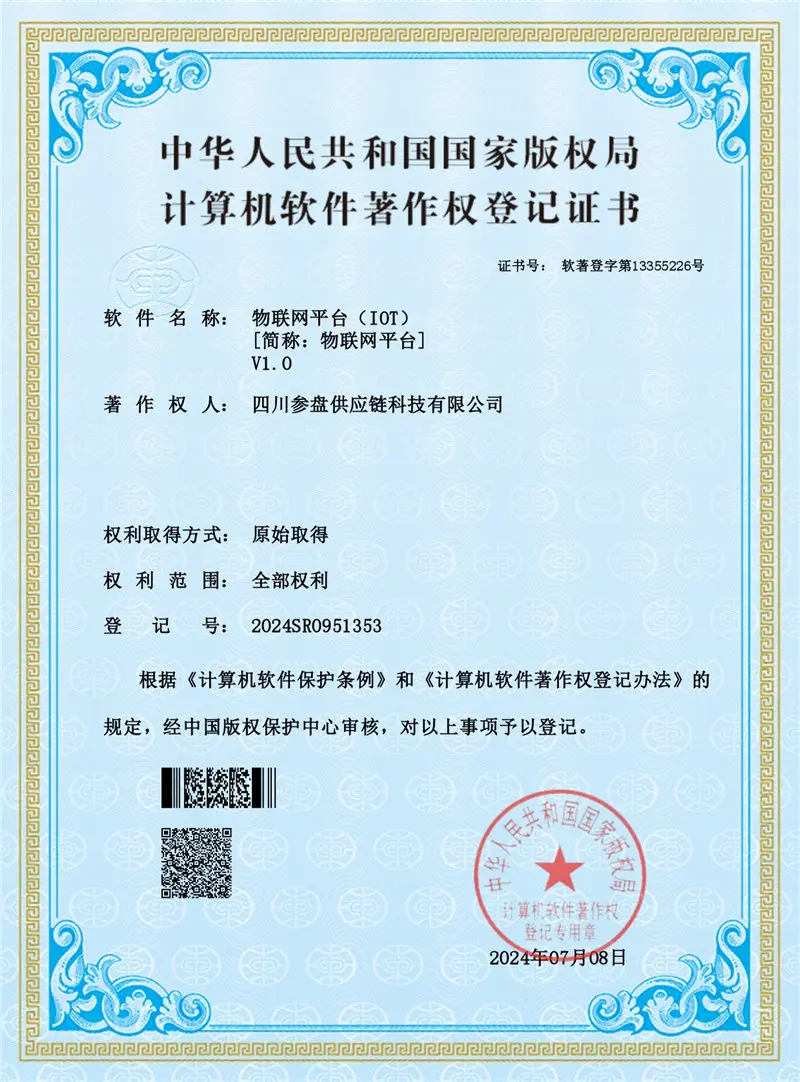
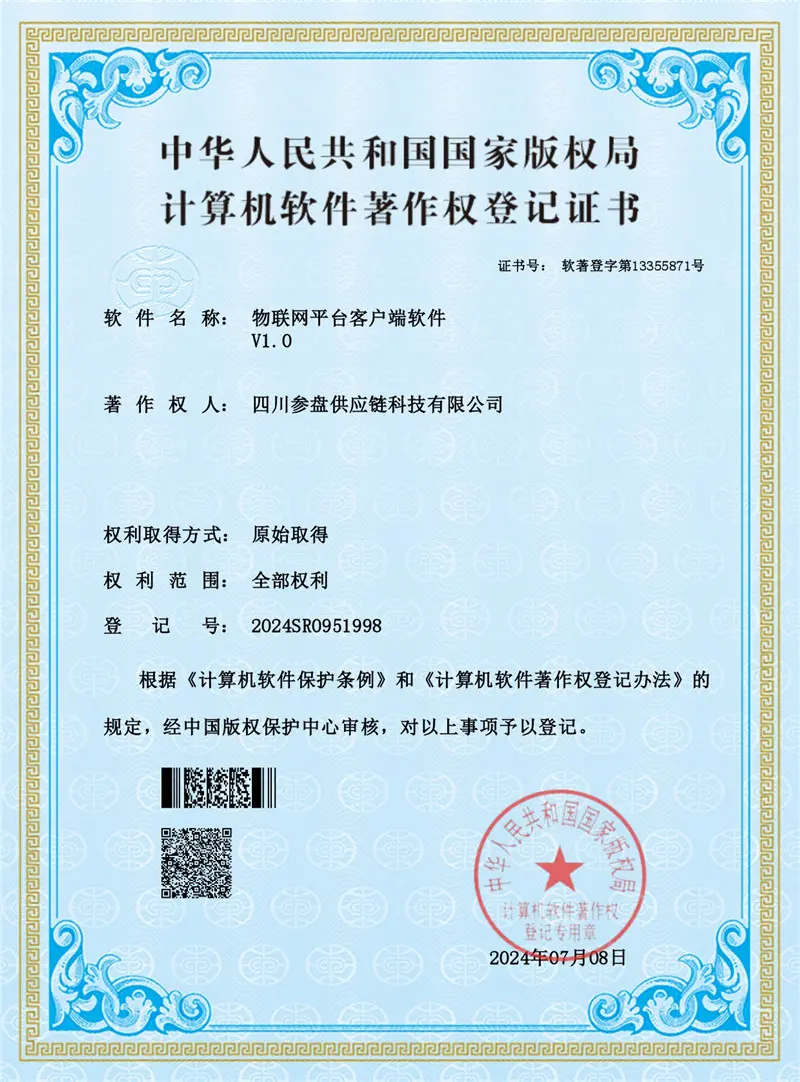
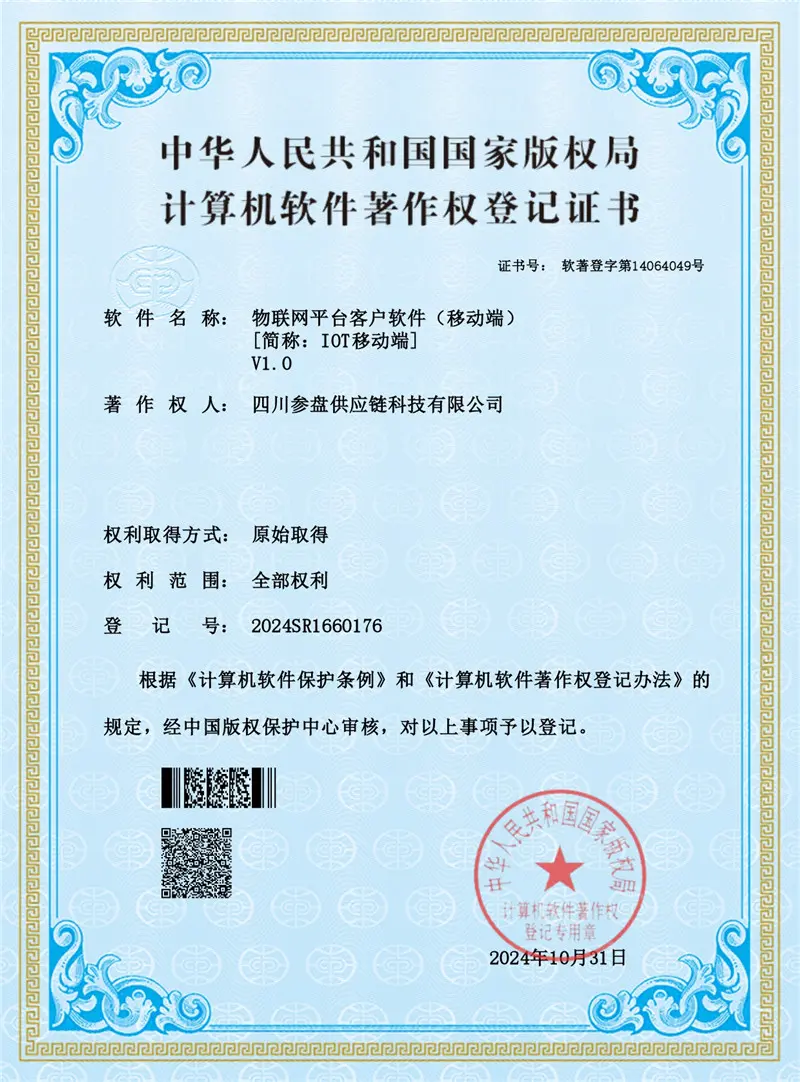
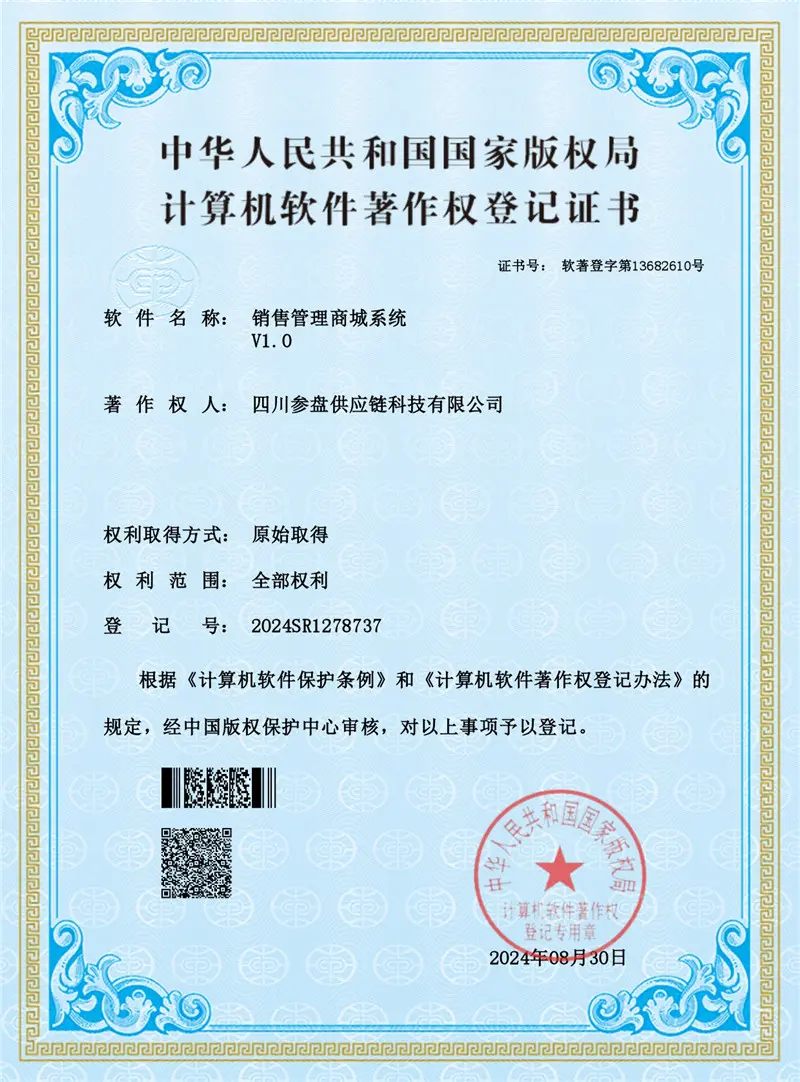
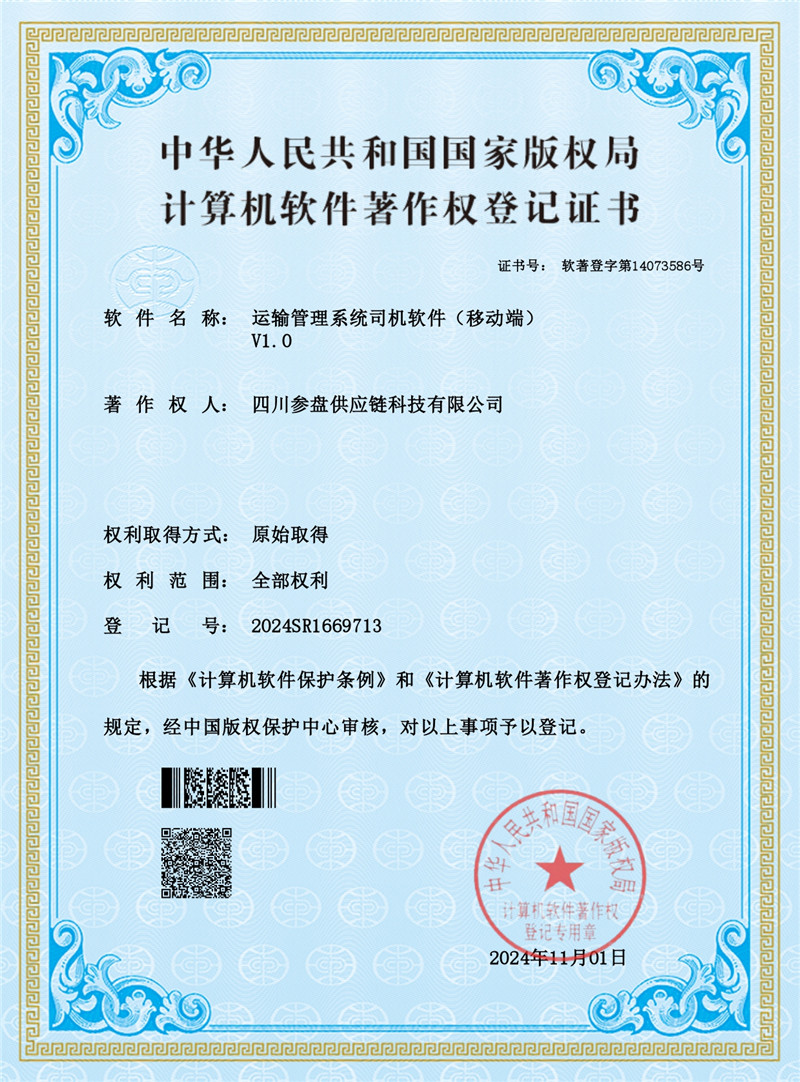
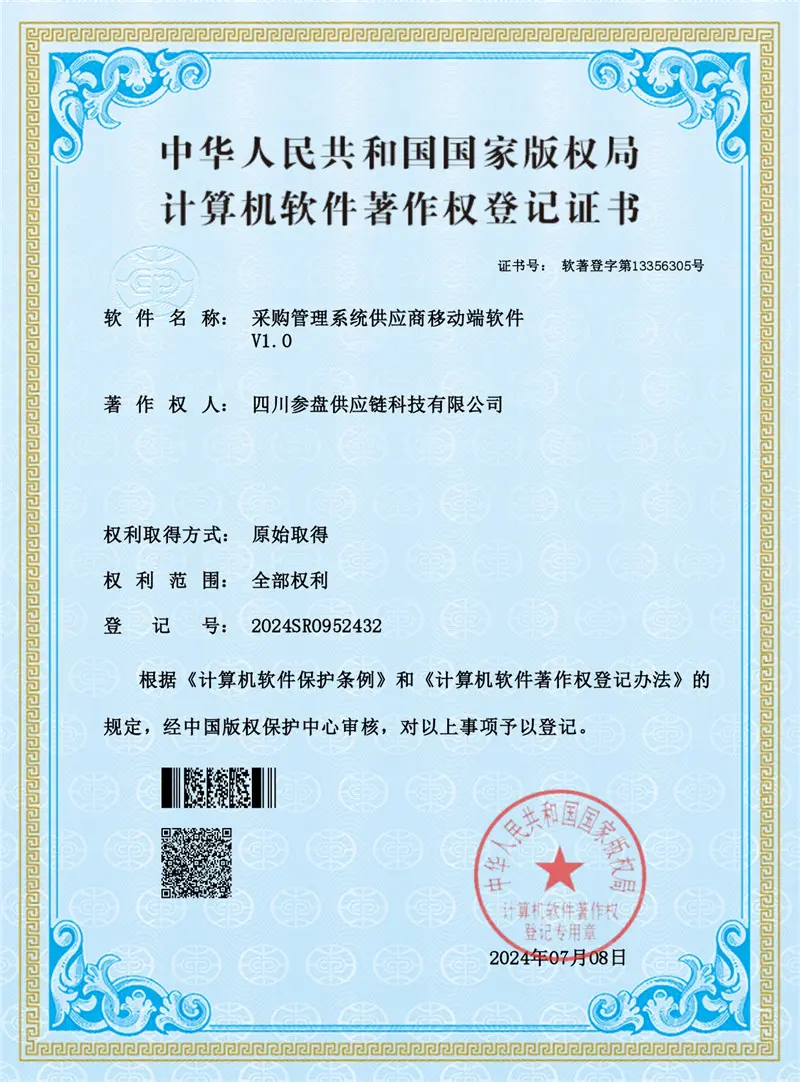
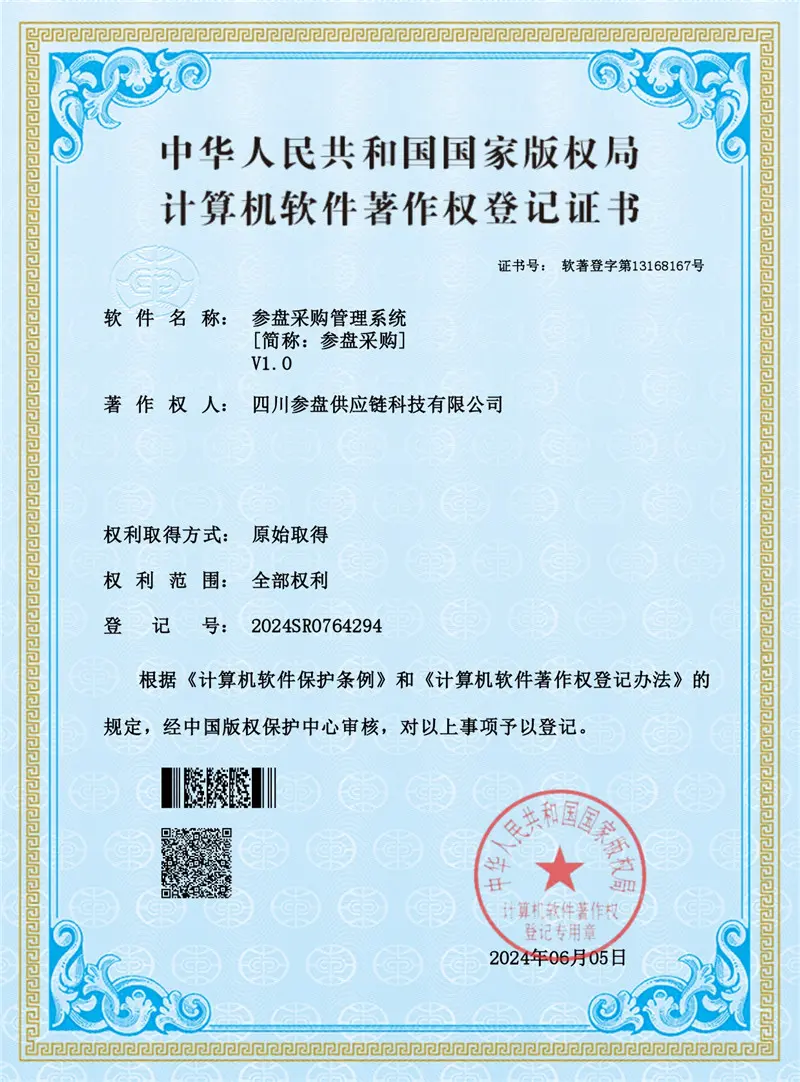
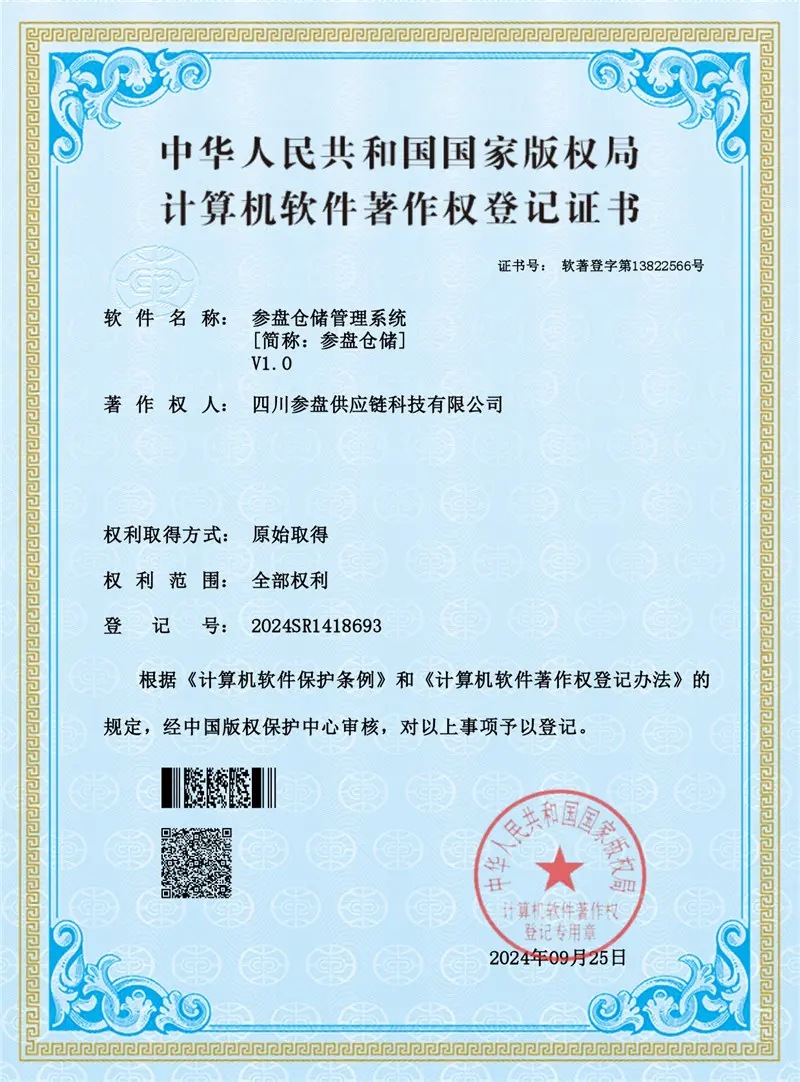
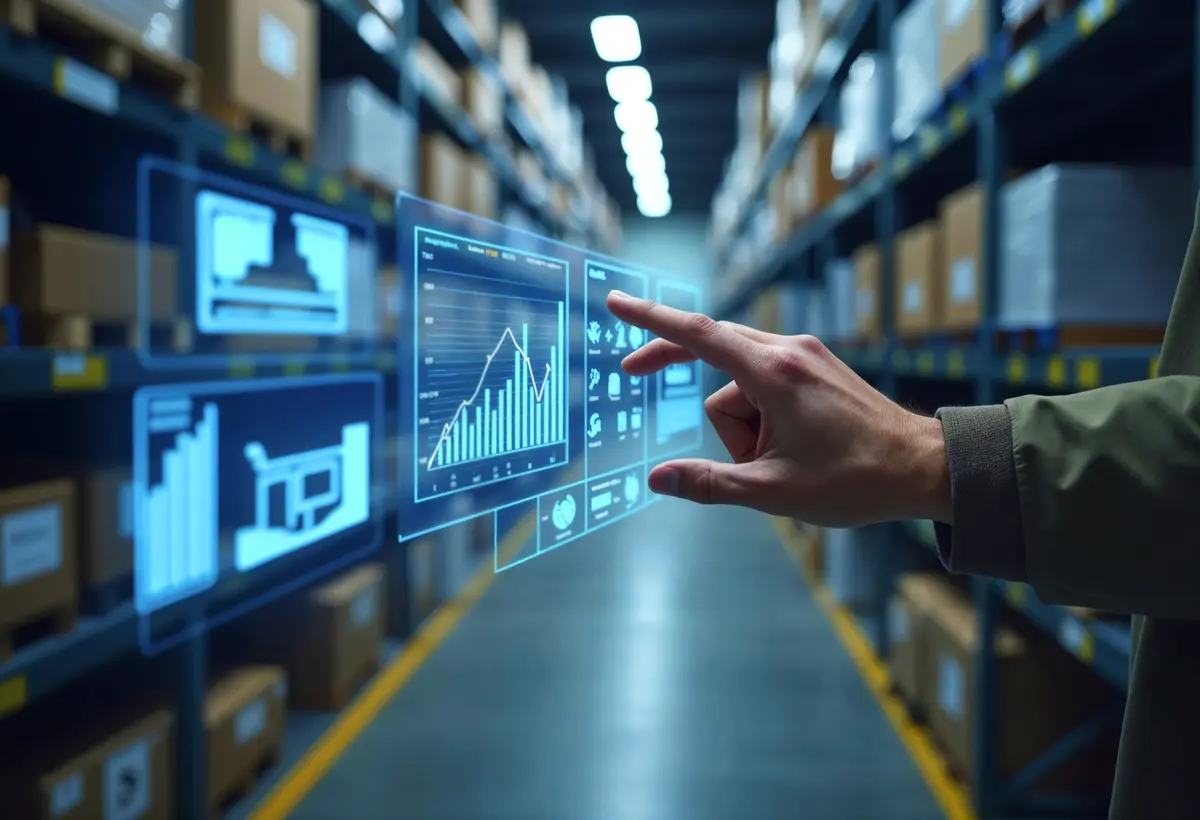
Empowering Industry Value Chains through AI, Machine Learning, and Automated Hardware Matricies.
SCP focuses on providing comprehensive solutions for the food supply chain, as well as research and development of intelligent software and hardware products and services.
The company aims to be based on the Internet of Things AI, the comprehensive application of machine learning, intelligent devices and other technologies. Through automated, digitized, intelligent and systematic technology products and solution matrices, we enhance the overall operational efficiency of supply chain procurement/supply/sales, and help upgrade the value of upstream and downstream industries.
Addressing the critical implementation questions of automation engineers and global logistics procurement teams.
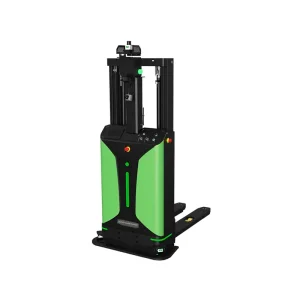
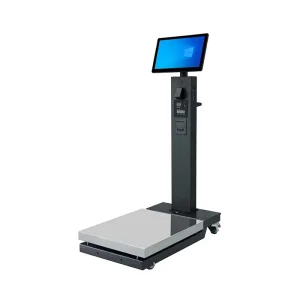
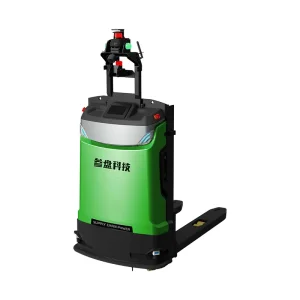
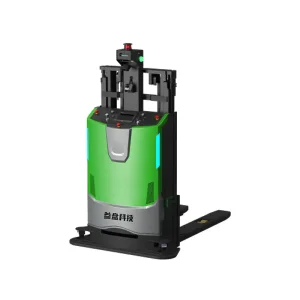
Premium Laser SLAM stacker configurations and modular chassis models designed for versatile industrial operations.
 SCP
SCP