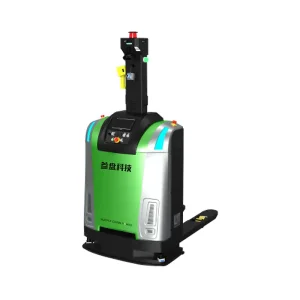
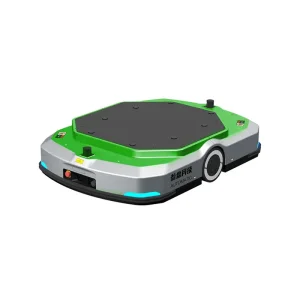
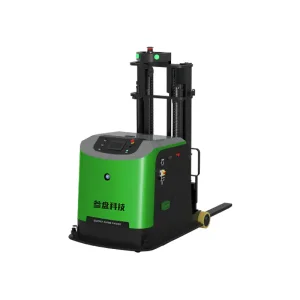
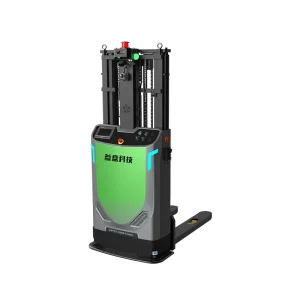
 SCP
SCP
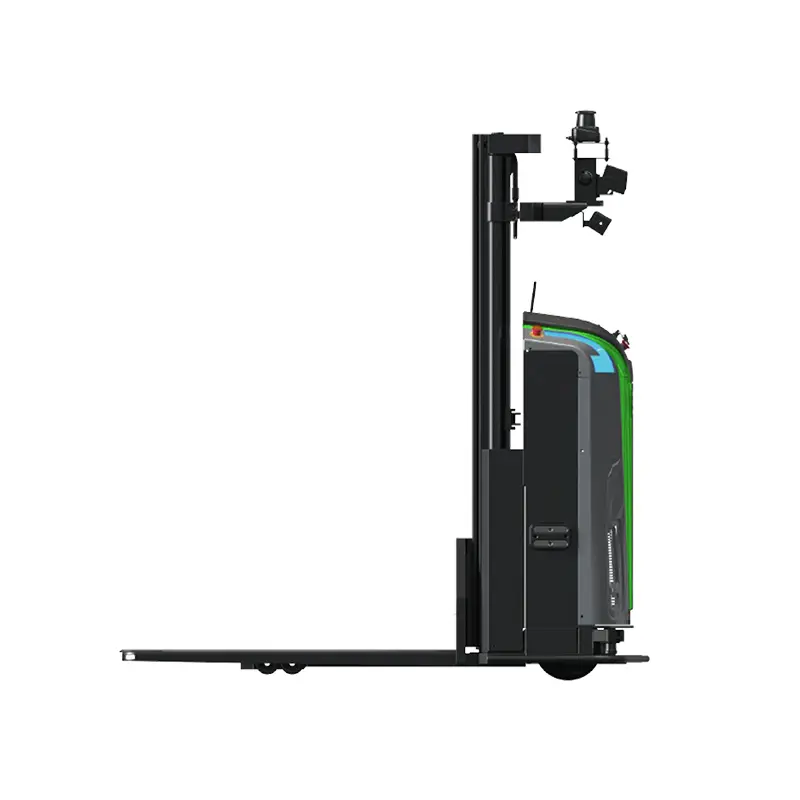
1 / 2
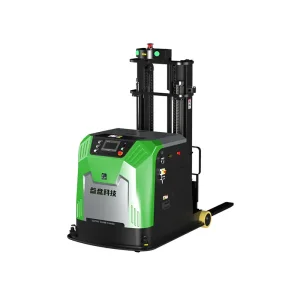
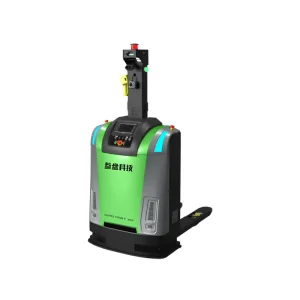
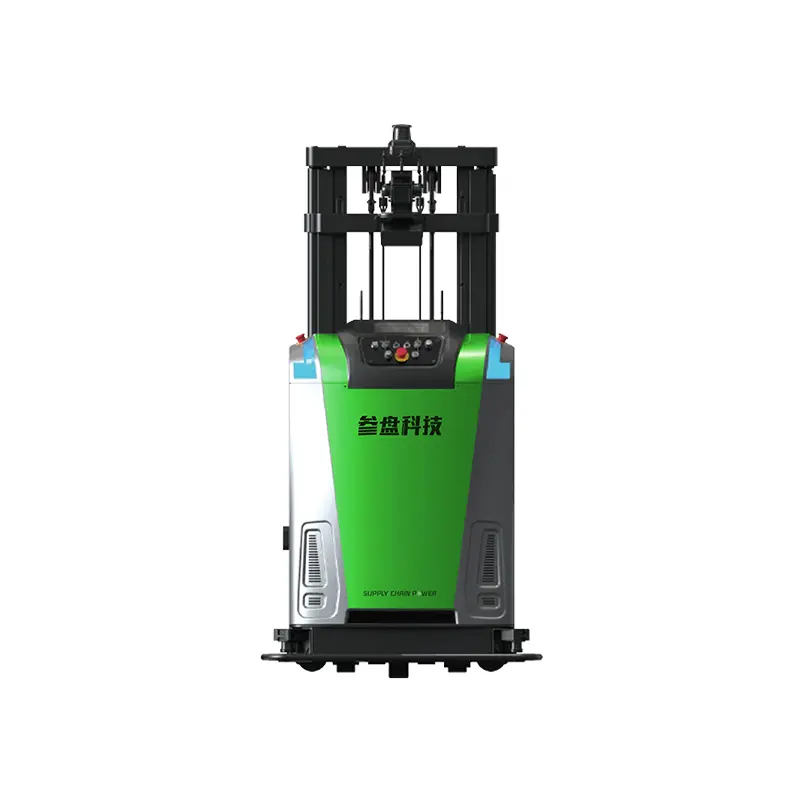
±10 mm Accuracy SLAM Navigation, no reflector for easy deployment.
No-load maximum operation speed, no-load speed will not drop.
1.6 T load, 3 m lift without lowering load.
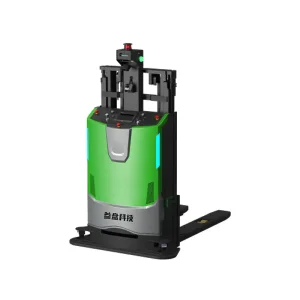
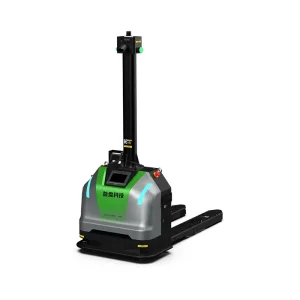
Family-made industrial design, multi-modular guarantees quality (operating panel, sensor bracket, wiring harness, etc.), making it easier to disassemble, install and maintain.
High-precision identification, accurate fork cargo, ensure handling efficiency, and support the identification of national standard European standard non-standard pallets.
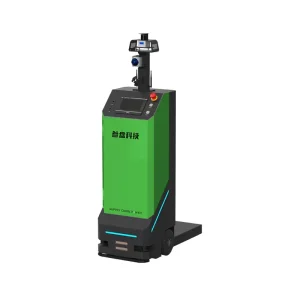
360° obstacle avoidance laser scanning range is matched with a variety of sensor solutions such as 3D cameras, safety touch edges, distance sensors, etc.
| Capability | Benchmark |
|---|---|
| Navigation Accuracy | ±10 mm |
| Max Speed (Loaded) | 2 m/s |
| Lift Height @ 1.6T | 3.0 m |
| Recognition Standards | 3 Major Global Types |
| Maintenance Index | 40% Faster Downtime Recovery |
What navigation technology does the SFL-CDD16 use, and how accurate is it?
The SFL-CDD16 uses LiDAR-based SLAM (Simultaneous Localization and Mapping) navigation, achieving a positioning accuracy of ±10mm. Unlike traditional AGVs, it requires no reflectors or additional infrastructure, enabling rapid deployment in both new and existing warehouse environments and reducing implementation time by up to 60%.
What is the maximum payload and lift height of the SFL-CDD16?
The SFL-CDD16 supports a maximum payload of 1.6 tonnes at a full lift height of 3 metres with zero load derating. This means the unit maintains its rated capacity throughout its entire operational envelope, making it ideal for high-bay racking applications tested to FEM 4.004 standards.
Which pallet standards does the SFL-CDD16's load recognition system support?
The intelligent load recognition system supports three major global pallet standards: GB/T (China National Standard), ISO 6780 (European Standard), and non-standard custom configurations. It delivers ±5mm fork positioning precision with a 99.1% first-attempt engagement success rate, ensuring reliable and efficient material handling across diverse warehouse environments.
How does the modular design of the SFL-CDD16 reduce maintenance downtime?
The SFL-CDD16 features a unified family-design language with tool-less access to key components including control panel assemblies, sensor mounting brackets, and harness routing systems. This modular architecture reduces Mean Time To Repair (MTTR) by 40%, minimising unplanned downtime and lowering total cost of ownership over the machine's operational lifespan.
What safety features and sensor options are available for the SFL-CDD16?
The SFL-CDD16 offers an expandable safety ecosystem with optional protection packages including 360° Safety LiDAR with a 20m scanning range, high-resolution 3D vision cameras, IEC 61496-compliant safety bumpers, and a proximity detection sensor array. The system meets ANSI/ITSDF B56.5 safety category requirements, providing comprehensive operator and facility protection.
How does the SFL-CDD16 improve overall warehouse storage density and throughput?
The SFL-CDD16 delivers a 30% increase in storage density utilisation thanks to its precise navigation, high-accuracy load recognition, and 3-metre lift capability. Operating at up to 2 m/s with zero speed reduction under load, it maintains consistent throughput without degradation, enabling warehouses to maximise both vertical storage space and operational efficiency simultaneously.