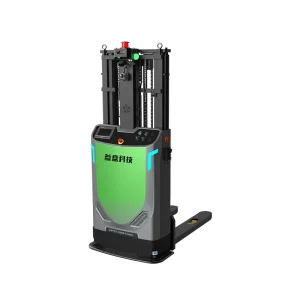
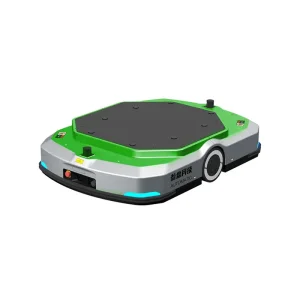
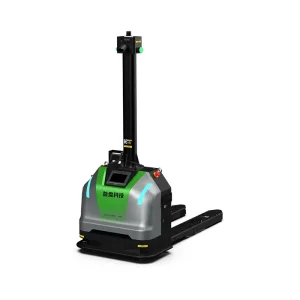
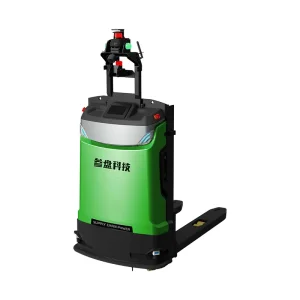
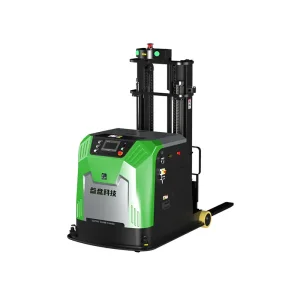
High-efficiency, factory-direct material handling solutions with advanced positioning and reliable battery life
The global intralogistics sector is undergoing a rapid paradigm shift. As labor costs rise, workforce availability declines, and consumer demands for rapid delivery intensify, modern manufacturing facilities and distribution hubs can no longer rely on manual material movement. Autonomous Mobile Robots (AMRs) and Automated Guided Vehicles (AGVs)—specifically Pallet Mover Robots—have transitioned from novelty pilot programs to business-critical assets.
Worldwide, industries such as food and beverage processing, automotive assembly, chemical manufacturing, and e-commerce fulfillment are integrating high-payload automated forklifts. According to global logistics technology analysts, the demand for smart, self-navigating pallet jacks is growing at an annual rate exceeding 20%. These systems optimize cycle times, prevent workplace injuries, and ensure continuous 24/7 warehouse operations, solving the core operational pain points of modern industry.
China has established itself as the global epicenter for industrial robotics, driven by a highly integrated supply chain, strong domestic manufacturing expertise, and extensive research and development. China's Pallet Mover Robot manufacturers leverage several key advantages to deliver top-tier automation machinery to the global market:
Historically, automated guided vehicles (AGVs) required physical wire loops, magnetic strips, or optical markers embedded in warehouse floors to move pallets along fixed paths. Any change in floor layout required expensive construction and operational downtime.
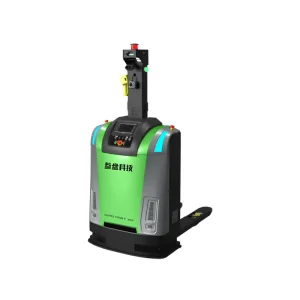
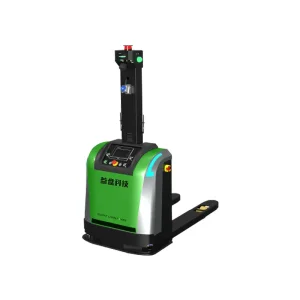
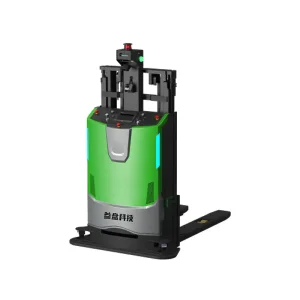
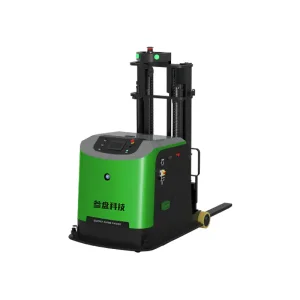
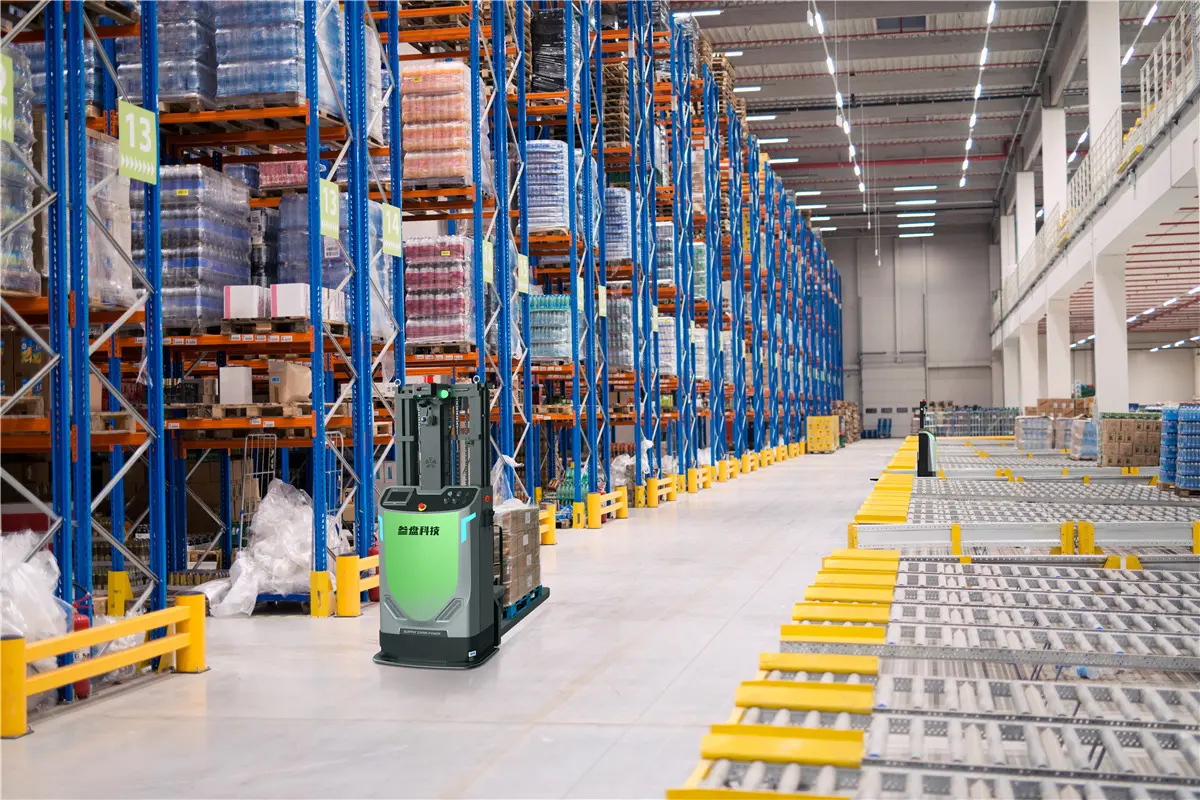
Modern Chinese Pallet Mover Robots utilize Laser SLAM (Simultaneous Localization and Mapping). Equipped with safety-rated 2D and 3D LiDAR sensors, optical cameras, and ultrasonic sensors, these smart forklifts create a virtual map of their surroundings in real-time. They dynamically plan paths, detect and navigate around obstacles, and interact with human workers and manual machinery safely. This allows for highly flexible deployment in dynamic environments without requiring infrastructure modifications.
Enables natural feature navigation, eliminating the need for magnets, reflectors, or physical floor modifications.
Combines LiDAR with 3D depth cameras and safety bumpers to guarantee 360-degree detection of low-profile and overhead obstacles.
Seamless WMS/ERP integration via robust APIs allows hundreds of robots to coordinate paths and optimize facility-wide traffic.
Product Architecture of SCP (Supply Chain Planning)
Taking the actual business needs as the cornerstone, SCP is committed to comprehensively innovating and enhancing the overall supply chain planning of enterprises. We provide enterprises with comprehensive end-to-end supply chain solutions, build a multi-role and multi-dimensional intelligent supply chain collaboration system, and achieve all-round efficient collaboration and process optimization. At present, SCP has established a product architecture supported by software and hardware, and supplemented by the top-level design of the supply chain control tower to create an agile, flexible and efficient end-to-end supply chain system for enterprises.
Benefiting farmers and bringing welfare to consumers
Leading the technological upgrade of the supply chain and achieving extraordinary value for transformers
Alliance of Developers of New Quality Supply Chain Technology
Our proven advantages in delivering robust warehouse automation and software integration
As a subsidiary of New Hope Group, we have a good market reputation and execution ability. Moreover, we have an in-depth understanding of multiple industries.
We were incubated based on the digital needs of the business side within the New Hope system, and have participated in many projects of the same type. Therefore, we have a better understanding of the actual business scenarios and demands.
We possess the self-development and integration capabilities for various systems in procurement, sales, and supply. We can well meet the individual needs of different customers.
We provide certain light consulting services alongside projects, covering multiple dimensions such as process optimization and assessment weight, to assist customers in the construction of digital transformation of their supply chains.
We have a professional delivery team for commercial projects. We actively respond to the personalized needs of customers and can ensure fast and high-quality delivery according to customer requirements.
Integrating green technology, industry ecosystems, and long-term vision
In terms of technology research and development, SCP continues to increase its investment and constantly optimize the product architecture supported by software and hardware and the top-level design of the supply chain control tower.
By strengthening the self-development and integration capabilities of various systems in procurement, sales, and supply, we continuously improve the technical level and competitiveness of our products and services. We build a solid foundation for the sustainable development of enterprises and the industry with leading technologies.
At the same time, we actively explore the application of cutting-edge technologies in the supply chain field, promote technological iteration and upgrading, and maintain a leading position in the industry in terms of technology.
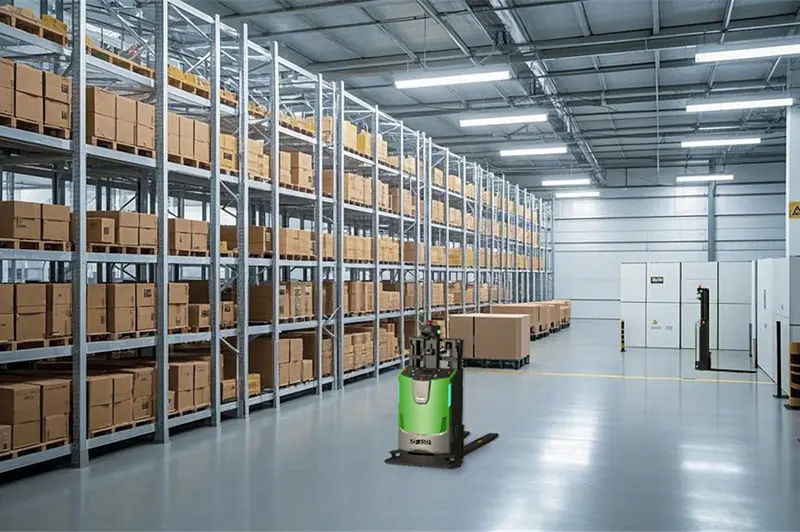
In terms of ecological construction, relying on the rich industrial resources and extensive business layout of Caogenziben, SCP deeply explores the supply chain needs of multiple industries such as food consumption and creates solutions that are suitable for actual scenarios.
By empowering key links such as cold chain logistics, we promote the standardized management and efficiency improvement of the supply chain and facilitate the collaborative development of the entire industrial chain.
In addition, we actively carry out in-depth cooperation with overseas partners, absorb international advanced experience and technologies, expand the international market, enhance the global influence of the enterprise, and build a supply chain technology ecosystem with international competitiveness.
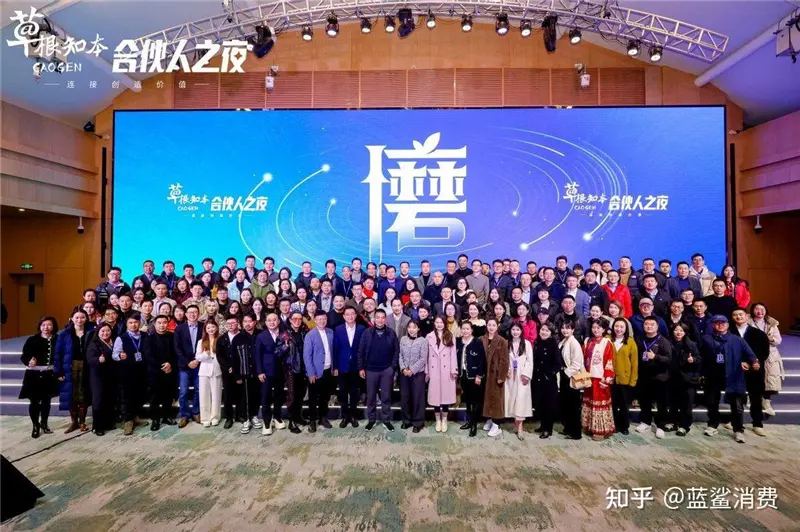
From a long-term development perspective, with the vision of "Leading the technological upgrade of the supply chain and achieving extraordinary value for transformers", SCP integrates the concept of sustainable development into its corporate strategic planning and daily operations.
We not only focus on our own growth and profitability but also look to promote the green, intelligent, and efficient development of the industry. We build a more perfect supply chain collaboration system for future enterprises.
While achieving our own sustainable development, we create greater value for society and become a backbone force in promoting the sustainable development of the supply chain technology industry.
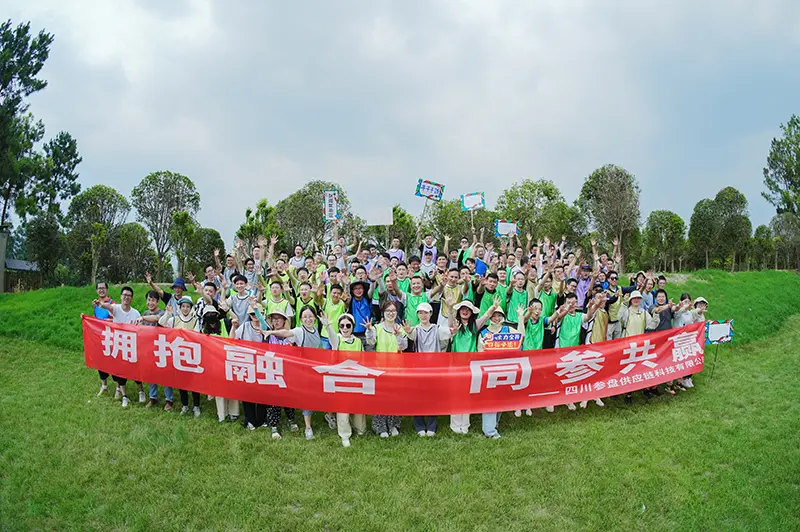
SCP focuses on providing comprehensive solutions for the food supply chain, as well as research and development of intelligent software and hardware products and services.
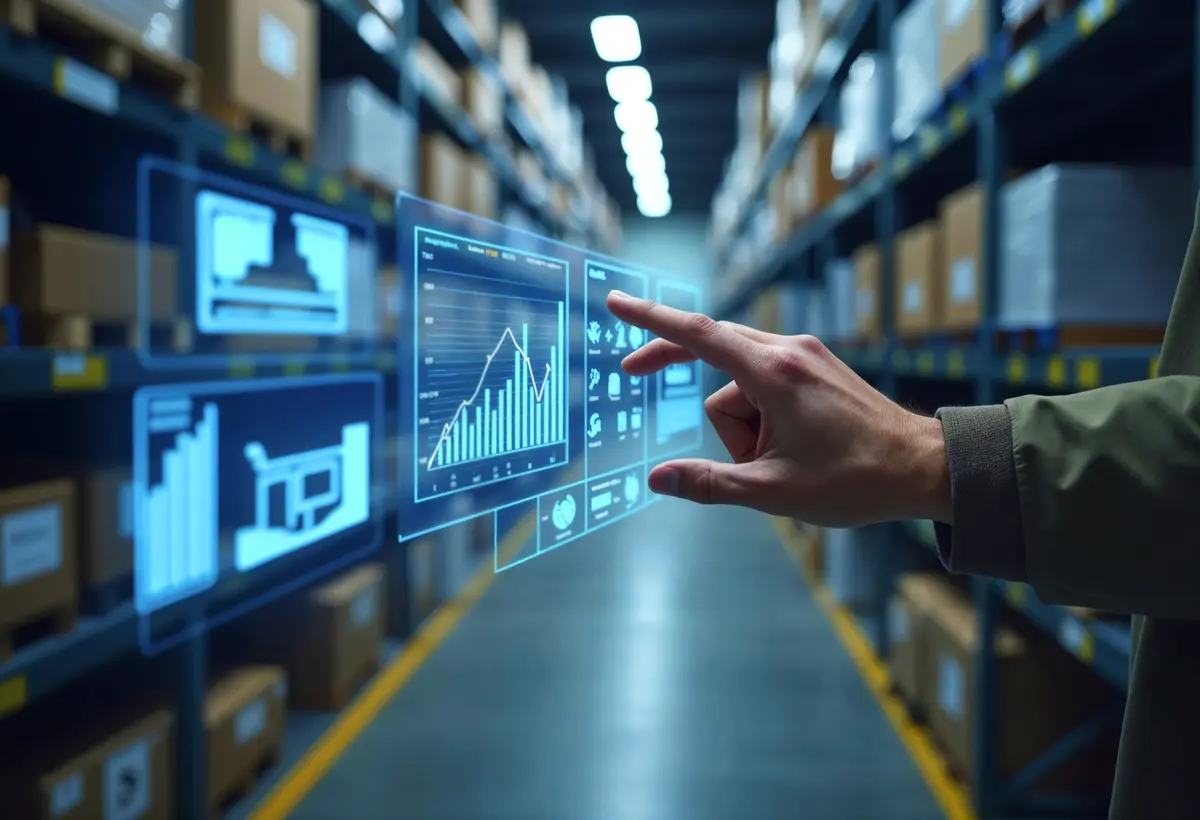
The company aims to be based on the Internet of Things (IoT), Artificial Intelligence (AI), machine learning, intelligent devices, and other technologies. Through automated, digitized, intelligent, and systematic technology products and solution matrices, we enhance the overall operational efficiency of supply chain procurement, supply, and sales, helping upgrade the value of upstream and downstream industries.
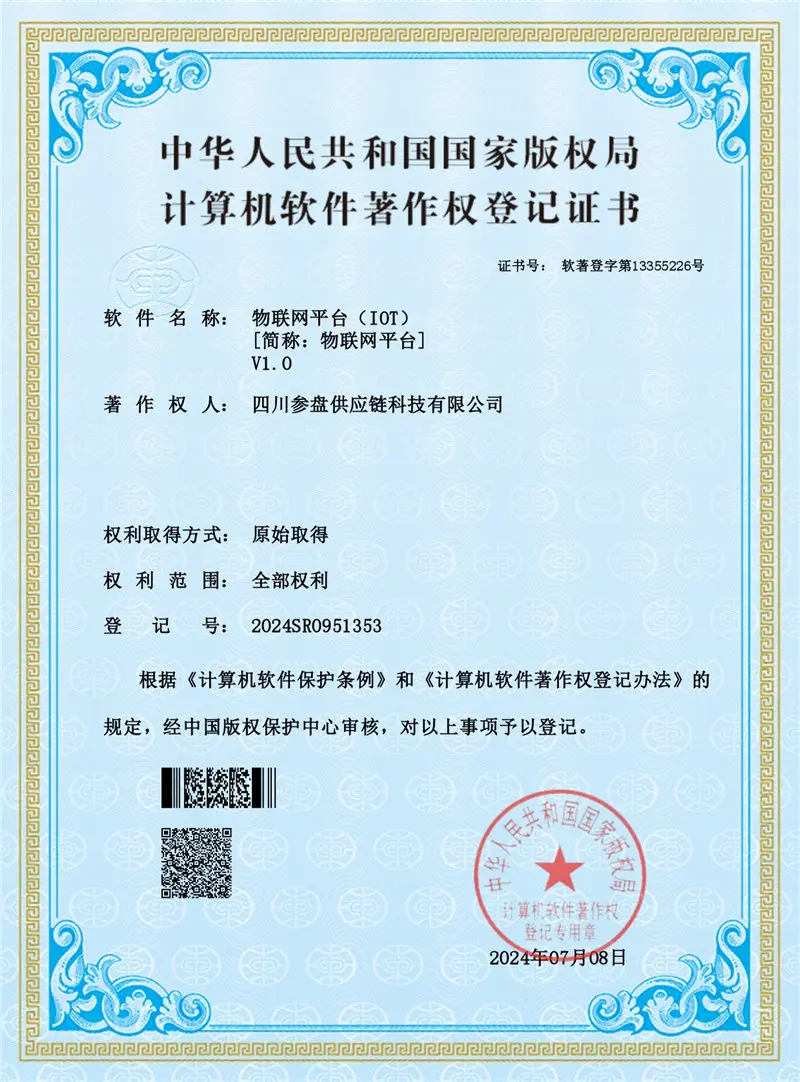
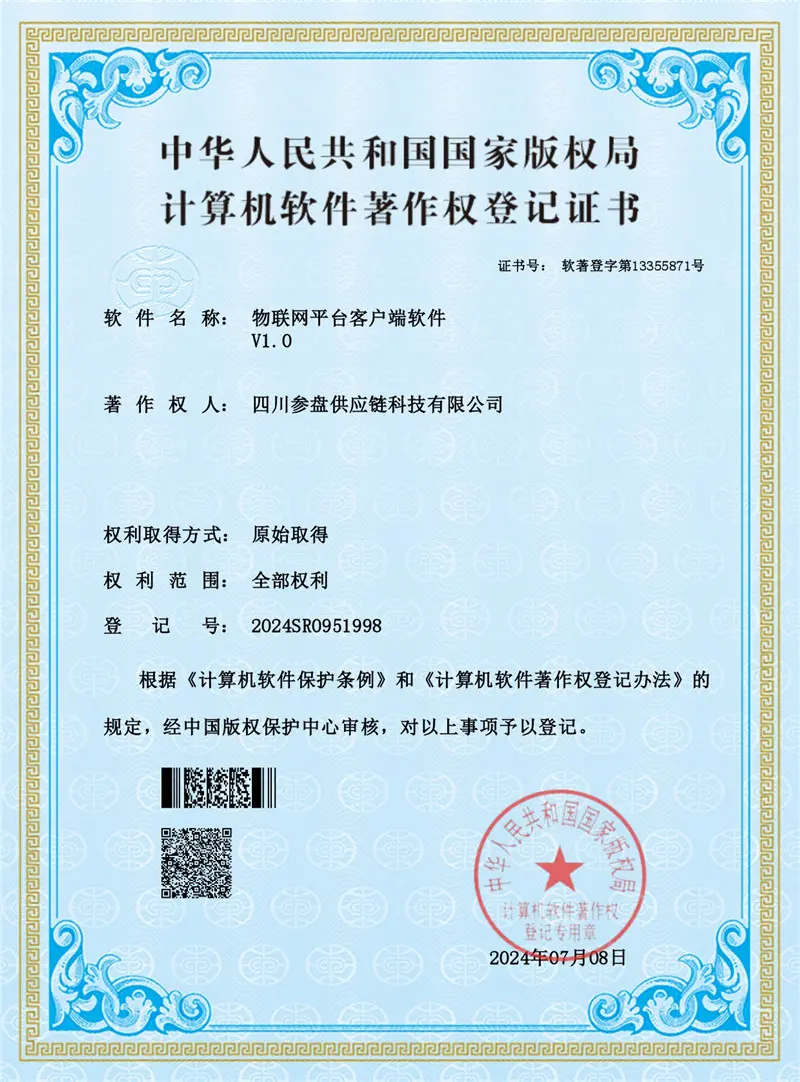
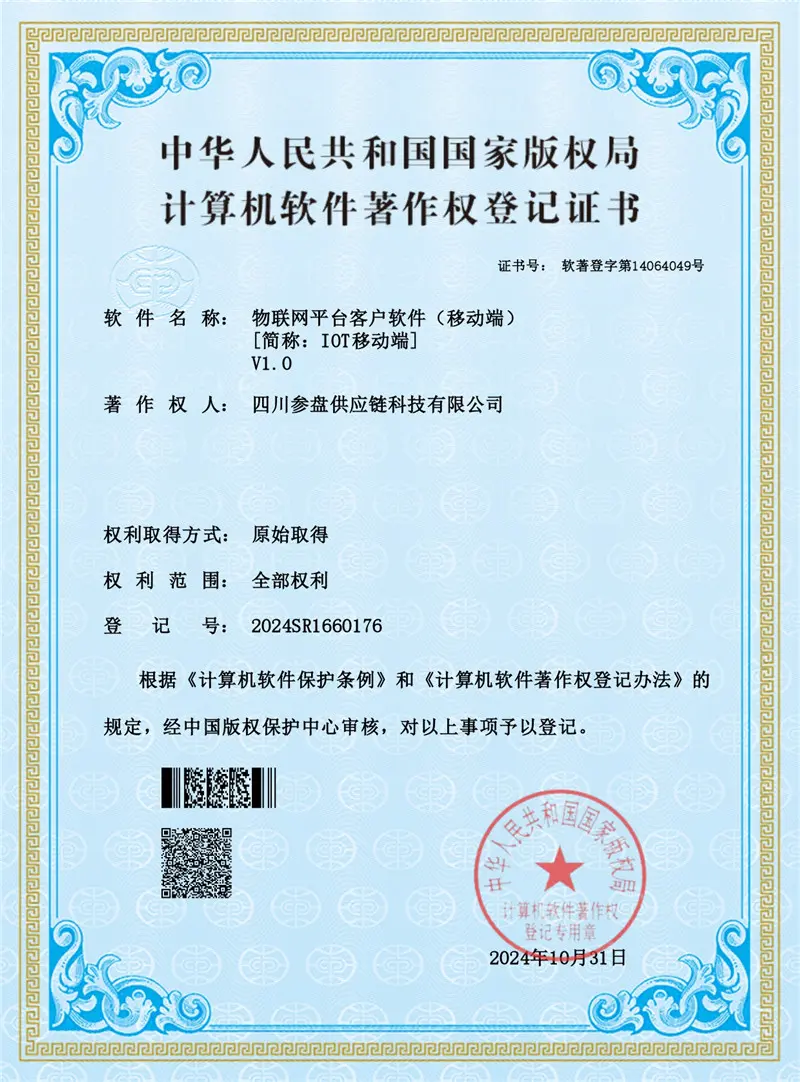
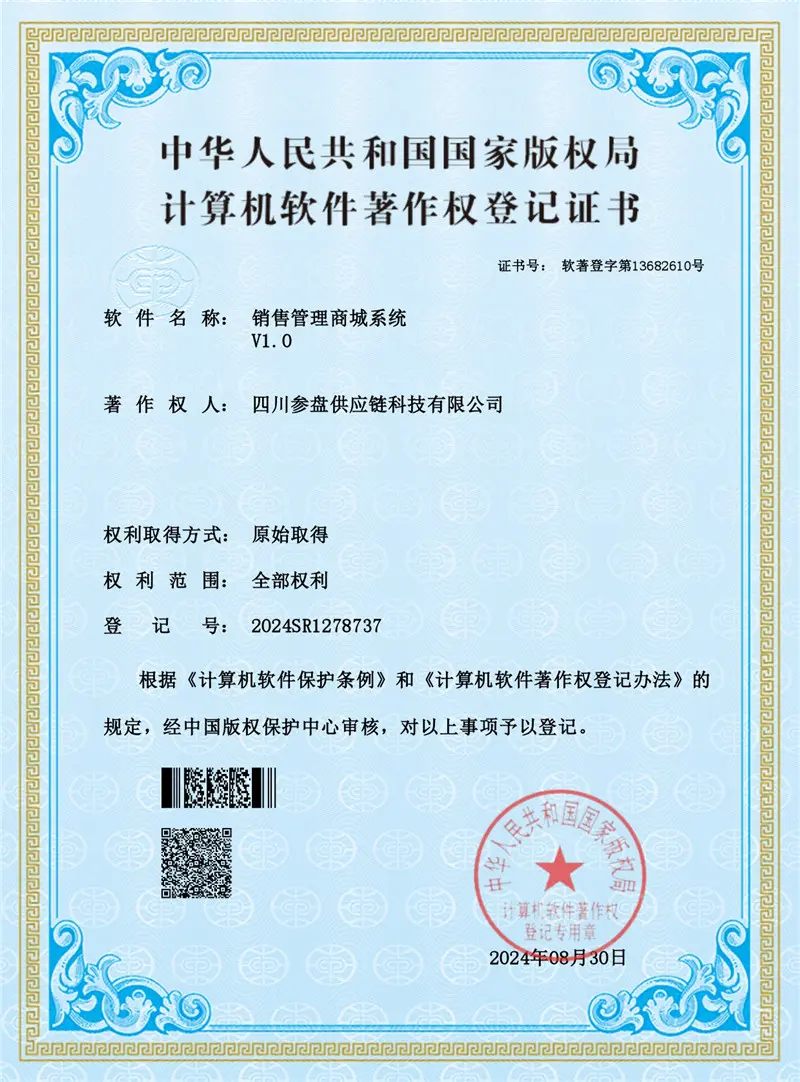
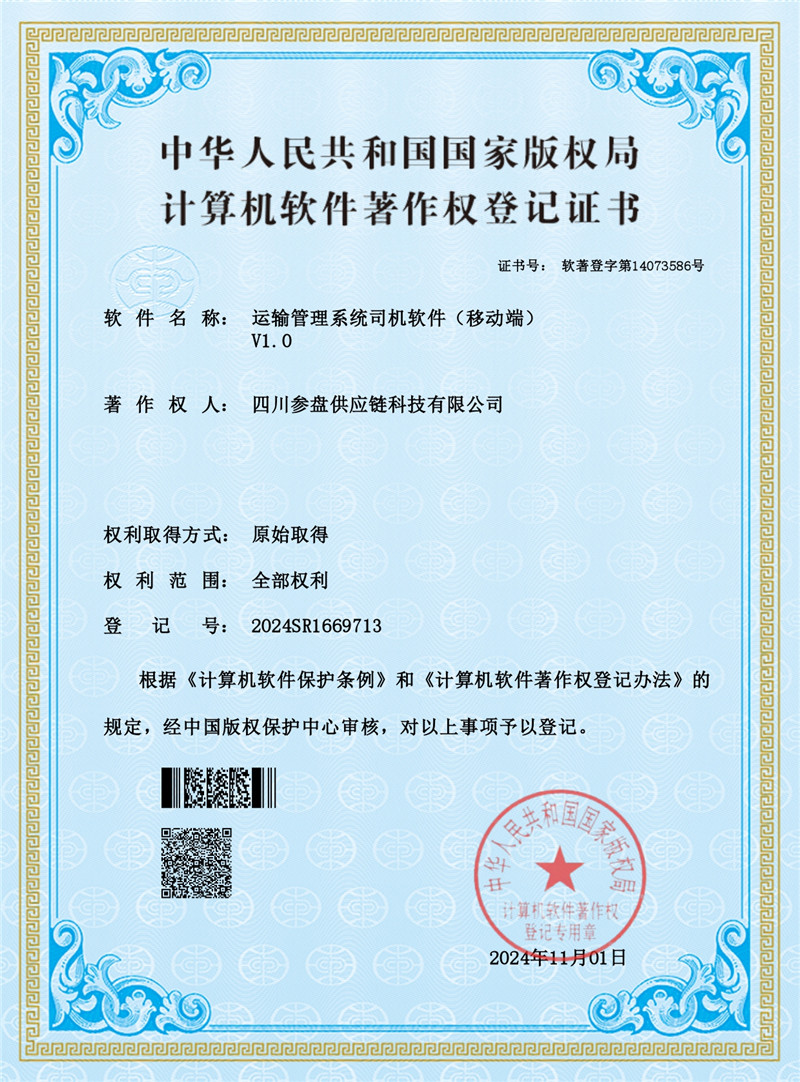
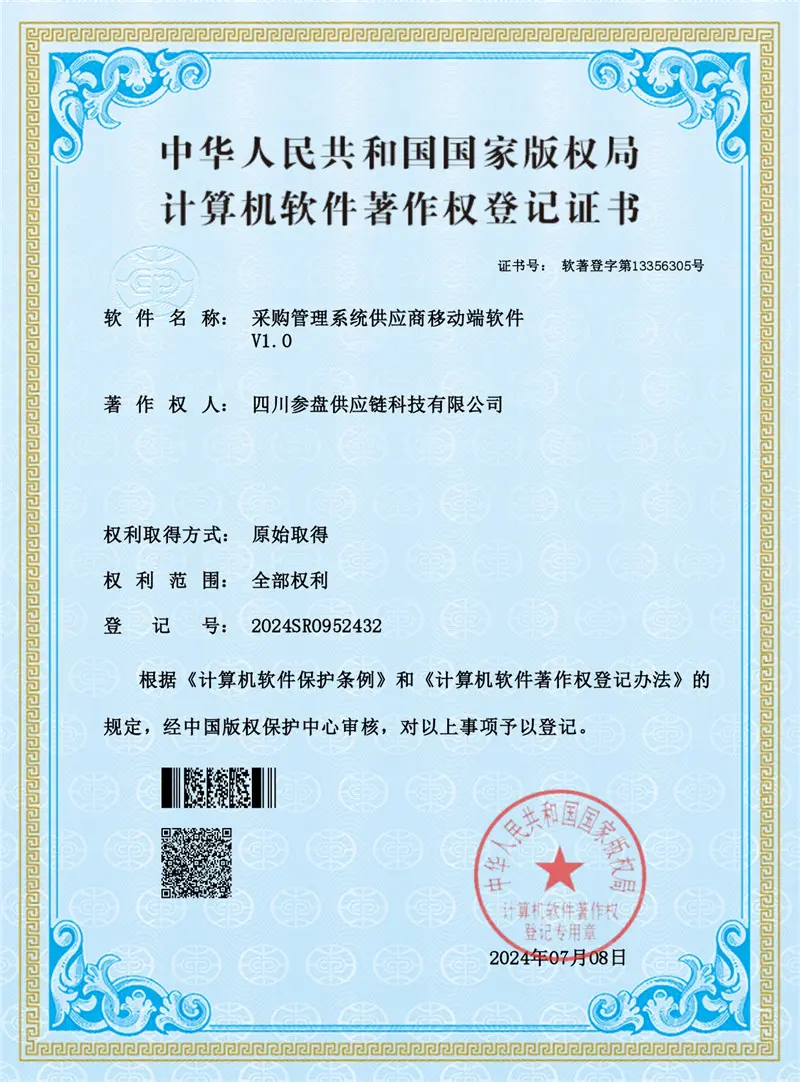
Industry-recognized compliance and quality standards
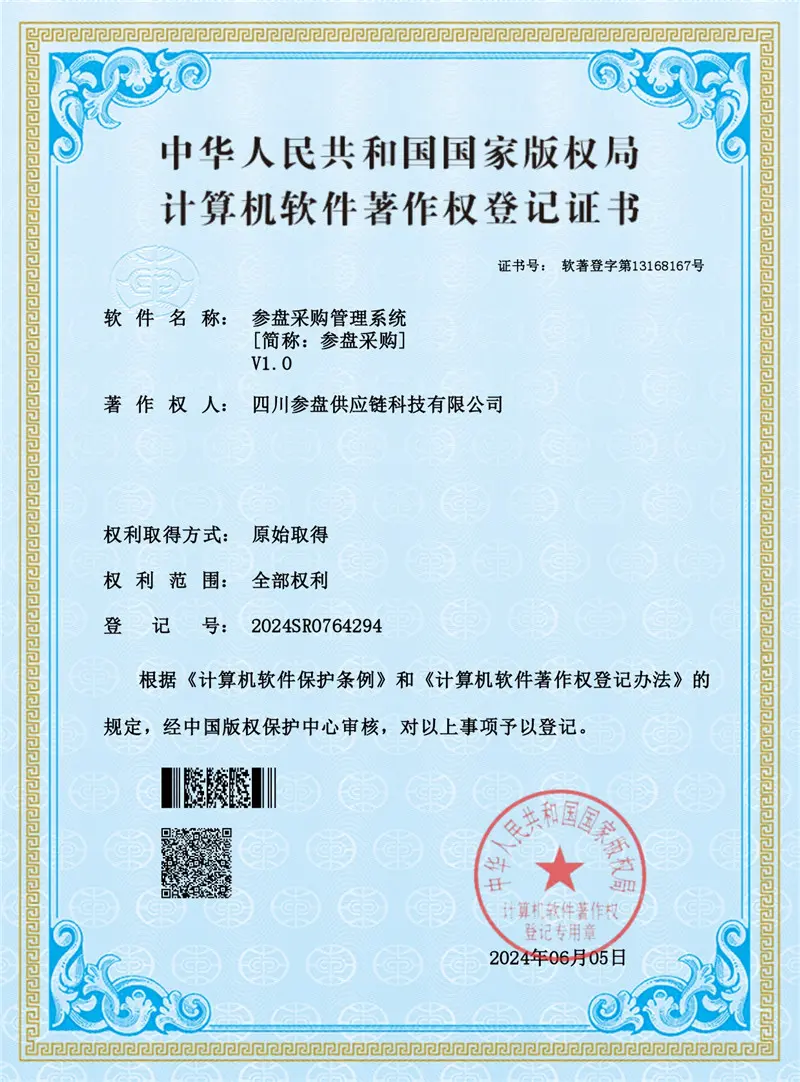
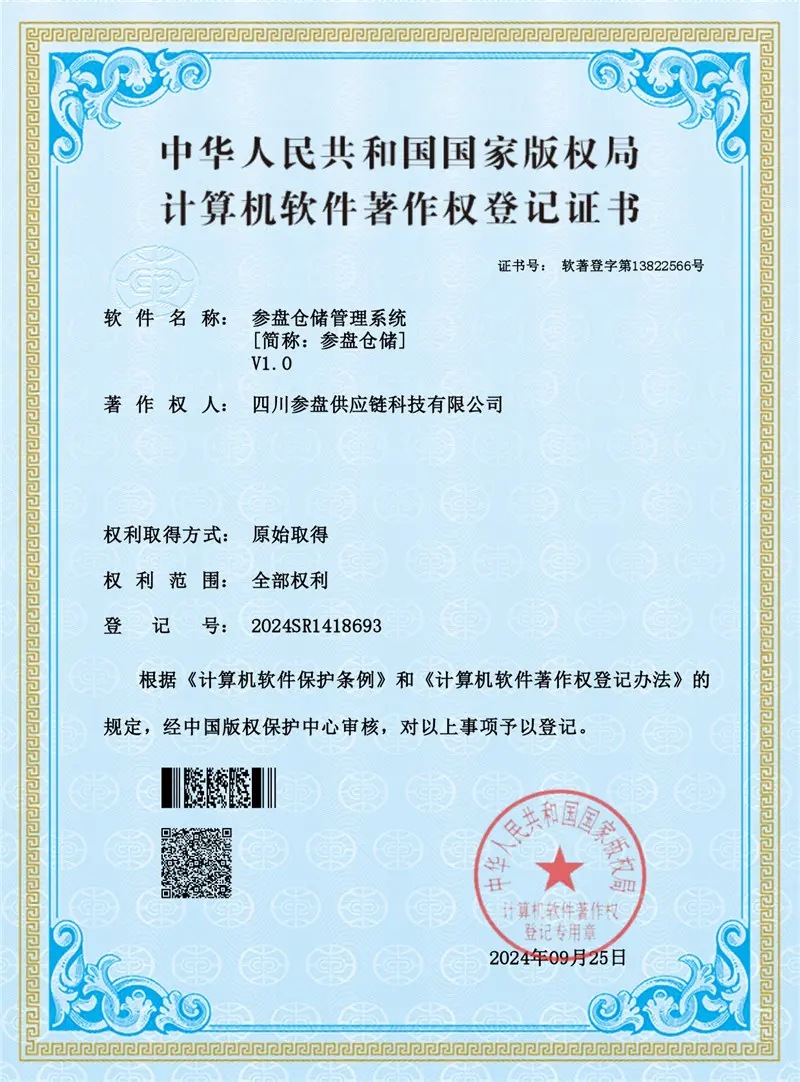
For supply chain directors, operations managers, and procurement officers looking to integrate Chinese Pallet Mover Robots into their workflows, evaluating a manufacturer involves several key criteria:
Answers to key operational, technical, and procurement questions
Unlike traditional wire-guided or magnetic-strip AGVs, Laser SLAM utilizes natural features in the environment. LiDAR scanners map features like walls, support pillars, and heavy machinery. When pallets move or dynamic obstacles appear, the robot's onboard algorithms distinguish between permanent features and temporary blockages, dynamically recalculating the optimal route in real-time.
Our intelligent forklifts are built with multi-layered safety mechanisms. These include safety-rated LiDAR sensors for obstacle detection at various zones, 3D depth cameras to detect low-lying forks or suspended structures, mechanical touch bumpers, emergency stop switches, and audible alarm systems. This configuration ensures compliance with safety regulations like ISO 3691-4.
Most of our automated forklifts use high-performance Lithium Iron Phosphate (LiFePO4) batteries. These offer high energy density, extended lifecycle performance, and rapid opportunity charging. A typical charge provides up to 10 hours of continuous operations, and the robots are programmed to autonomously navigate to charging stations during natural lulls in work shifts.
Yes, our automated pallet jacks and stackers are designed to handle common pallet configurations, including standard EPAL, GMA, and customized plastic pallets. Integrated pallet pocket detection sensors and vision systems identify, align with, and lift pallets even if they are placed at slight angles.
Our Central Fleet Control Software coordinates missions. Fleet management software acts as the intermediary, receiving dispatch orders from WMS/ERP databases via APIs. It determines which robot is closest, calculates optimal paths, and assigns missions automatically, minimizing empty runs and traffic congestion.
Direct sourcing opportunities with transparent manufacturing standards and technical support
 SCP
SCP