 SCP
SCP
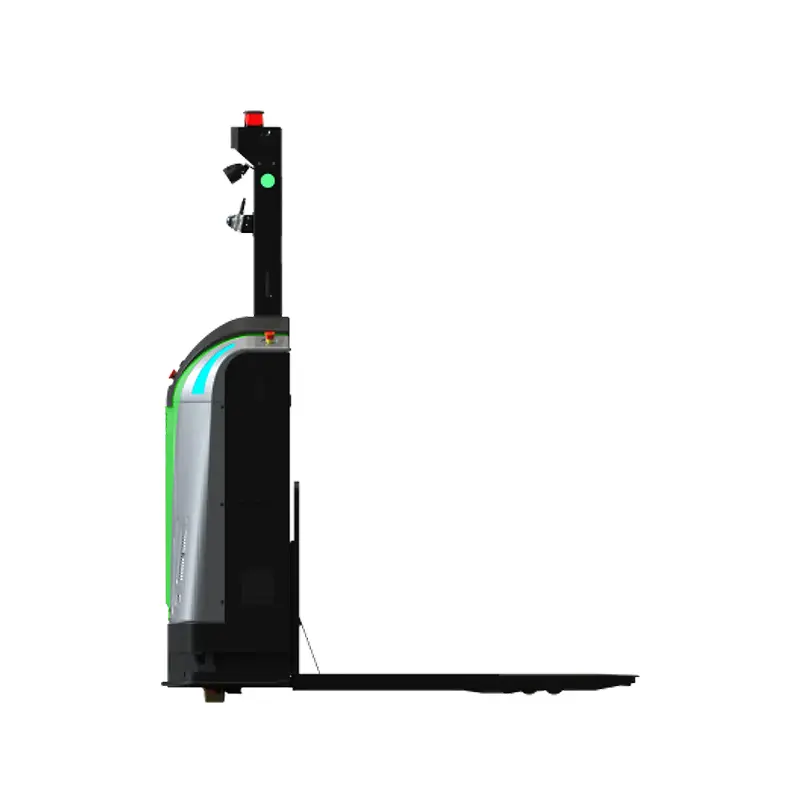
1 / 3
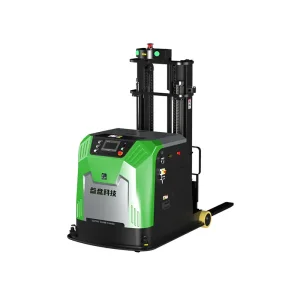
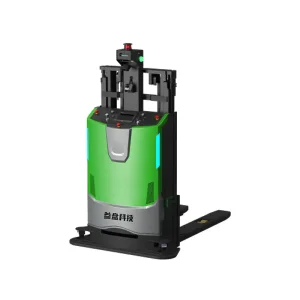
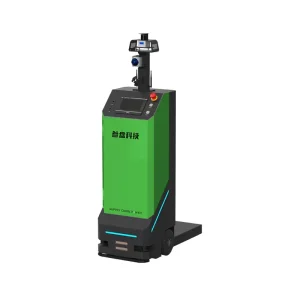
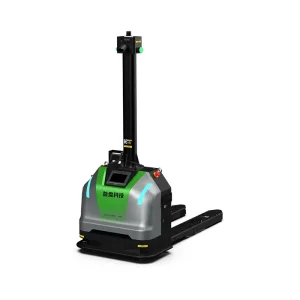
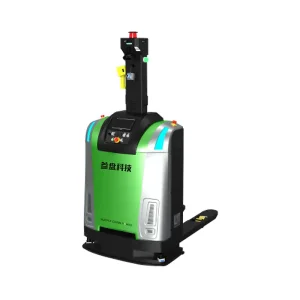
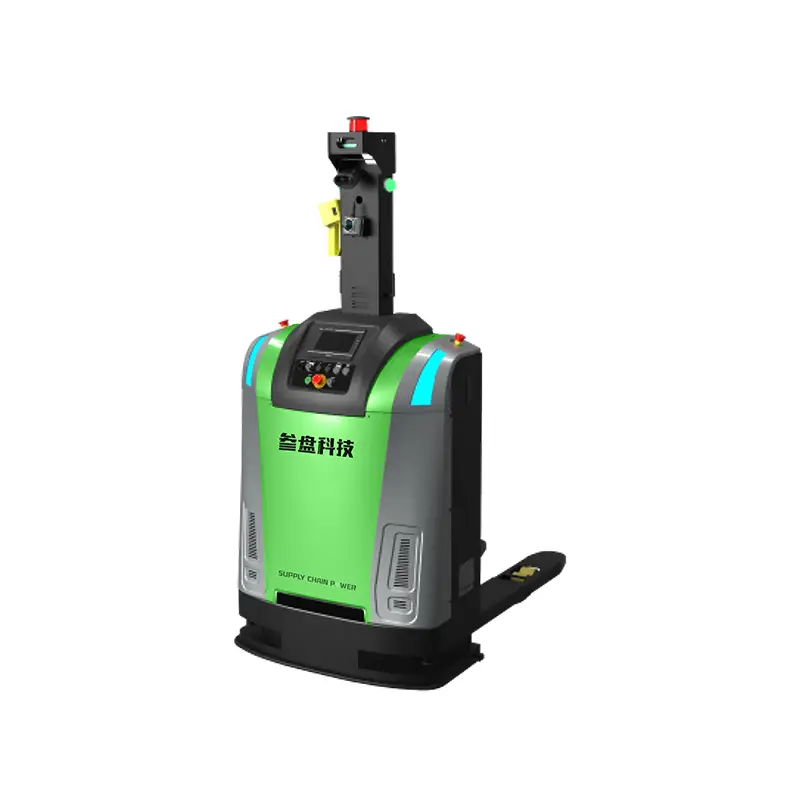
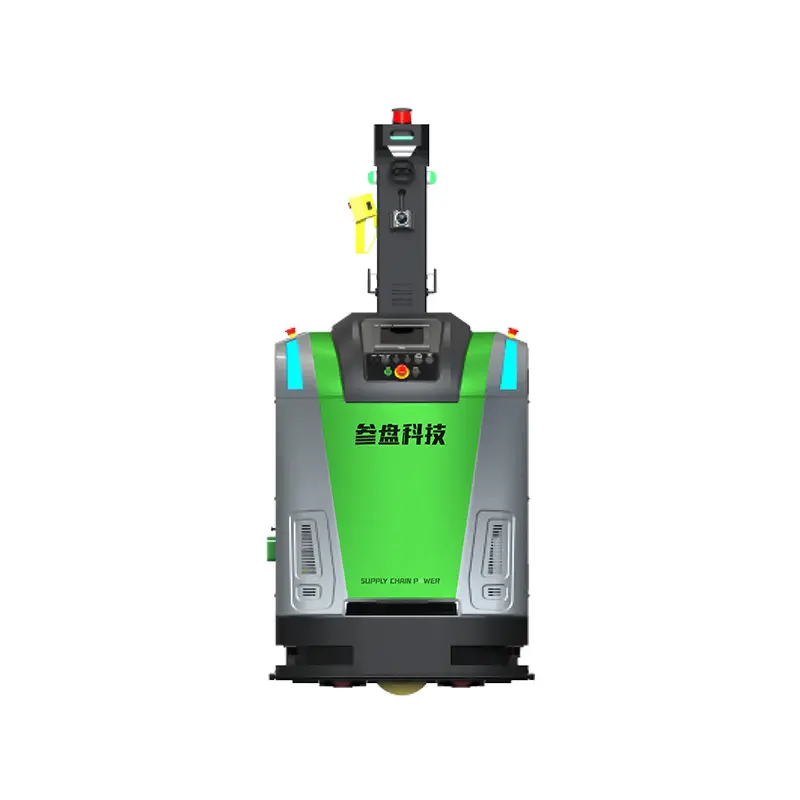
2T high load, car width only 960 mm — navigates narrow aisles with ease. AI recognition algorithm supports multi-spec, multi-color, wrap film, and broken pallets, with adaptive multi-angle, high-precision insertion.
Supports SLAM, reflector, and NFL navigation — covering secondary positioning, high dynamic environments, and no-transformation environments. Positioning accuracy reaches ±10 mm.
Paired with a 51.2V / 106Ah battery for up to 10 hours of runtime. Battery replacement takes just 3 minutes — even for first-time operators.
40m detection distance with a large field of view. Includes 3D safety obstacle avoidance laser, safety touch edge, distance sensor, and 4-fold hardware self-test protection.
Full series equipped with double-spring shock absorption and supercharged oil cylinders for drive wheels — avoiding slippage across all scenarios and ensuring vehicle reliability.
The SFL-CBD20 supports a maximum payload of 2 tons (2,000 kg), making it suitable for heavy-duty warehouse and logistics operations while maintaining a compact 960mm vehicle width for narrow-aisle navigation.
The SFL-CBD20 supports three navigation modes: SLAM (LiDAR-based simultaneous localization and mapping), Reflector Marker Guidance, and Natural Feature Learning (NFL). This tri-mode architecture ensures flexible deployment across diverse warehouse environments without requiring major infrastructure changes.
The SFL-CBD20 achieves a positioning accuracy of ±10mm across all three navigation modes. The AI-powered fork positioning system further delivers ±5mm adaptive accuracy for precise pallet insertion, even from multiple approach angles.
Equipped with a 51.2V / 106Ah lithium iron phosphate battery, the SFL-CBD20 offers up to 10 hours of continuous operation per charge. The hot-swappable battery design allows a full battery replacement in just 3 minutes, minimizing downtime and supporting round-the-clock operations.
The SFL-CBD20 is ISO 3691-4 certified and features a Quad-Safety Matrix including a 40m-range 3D Safety LiDAR, EN 1175-compliant bumpers, a proximity sensor array with 0.1–8m detection range, and real-time hardware diagnostics for continuous self-monitoring and fault detection.
Yes. The onboard AI pallet recognition system uses advanced computer vision algorithms to detect and handle multi-specification, multi-color, stretch-wrapped, and structurally damaged pallets. The system adapts fork positioning in real time from multiple approach angles, improving operational efficiency by over 30% compared to conventional systems.