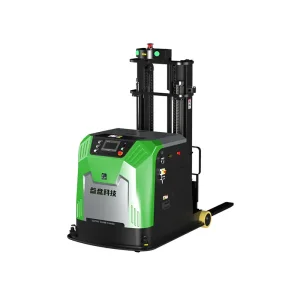
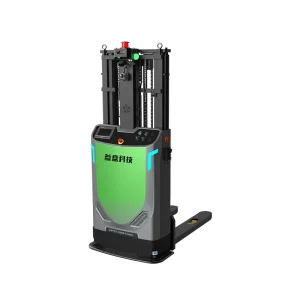
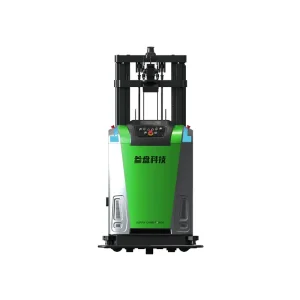
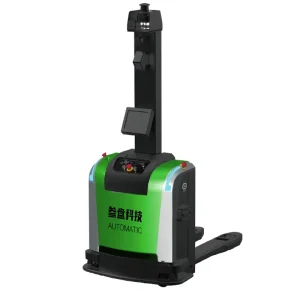
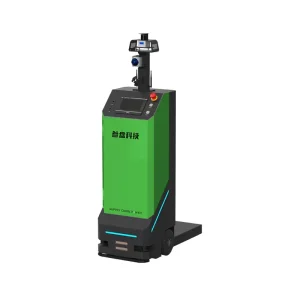
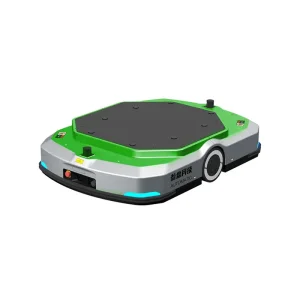
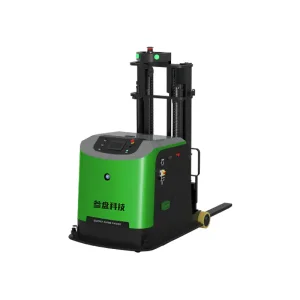
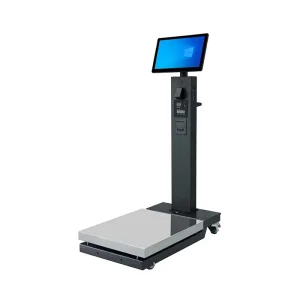
High-precision navigation AGVs designed for optimal warehouse space utilization and safety
A strategic analysis of autonomous warehouse systems and Chinese manufacturing ecosystems
In the era of Industrial Internet of Things (IIoT) and supply chain agility, Automated Guided Vehicles (AGVs) and Autonomous Mobile Robots (AMRs) have shifted from peripheral automation tools to core strategic infrastructure. China has emerged as a premier epicentre for AGV technology development, fostering manufacturers that merge cost-efficiency with high-speed technological iteration.
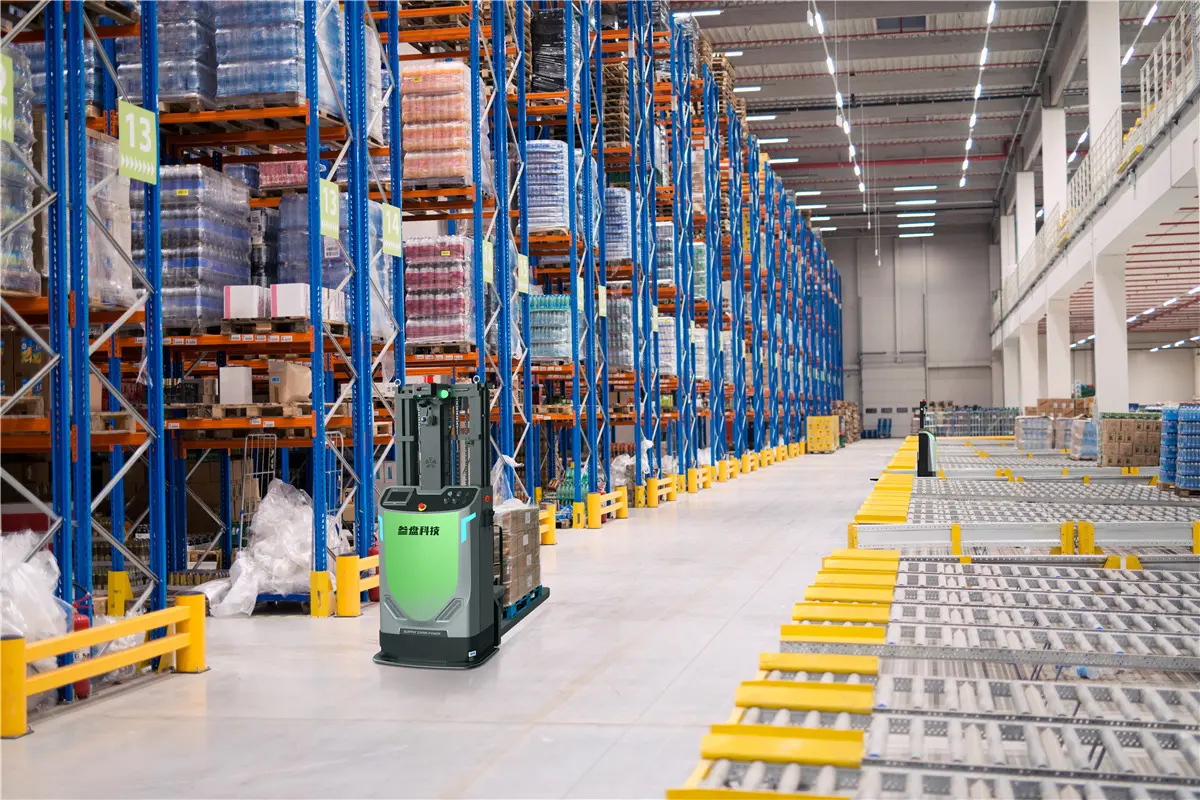
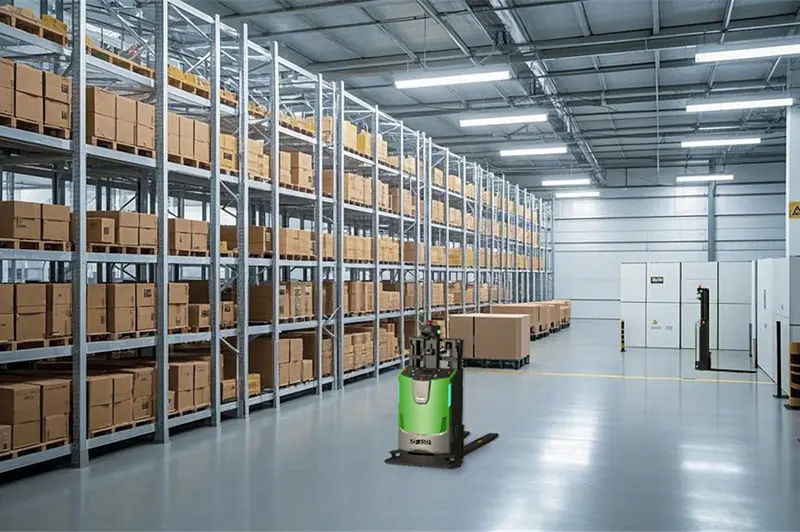
Unlike traditional magnetic guide path solutions, the modern navigation architecture utilizes Laser SLAM (Simultaneous Localization and Mapping). This allows smart forklifts and customized chassis units to operate safely alongside human workforce without intrusive facility alterations. By mapping the environment dynamically in real-time, Chinese AGV solutions optimize space utilization, dramatically lower the Total Cost of Ownership (TCO), and guarantee operational flexibility across varied manufacturing sectors.
Driving technological progress while delivering sustainable values for stakeholders
Benefiting farmers and bringing welfare to consumers
Leading the technological upgrade of the supply chain and achieving extraordinary value for transformers
Alliance of Developers of New Quality Supply Chain Technology
Industrial domain expertise meets technological excellence and operational reliability
As a subsidiary of New Hope Group, we have a good market reputation and execution ability. Moreover, we have an in-depth understanding of multiple industries.
We were incubated based on the digital needs of the business side within the New Hope system, and have participated in many projects of the same type. Therefore, we have a better understanding of the actual business scenarios and demands.
We possess the self-development and integration capabilities for various systems in procurement, sales, and supply. We can well meet the individual needs of different customers.
We provide certain light consulting services alongside projects, covering multiple dimensions such as process optimization and assessment weight, to assist customers in the construction of digital transformation of their supply chains.
We have a professional delivery team for commercial projects. We actively respond to the personalized needs of customers and can ensure fast and high-quality delivery according to customer requirements.
Promoting green, intelligent, and highly efficient technologies for future-proof logistics
In terms of technology research and development, SCP continues to increase its investment and constantly optimize the product architecture supported by software and hardware and the top-level design of the supply chain control tower.
By strengthening the self-development and integration capabilities of various systems in procurement, sales, and supply, we continuously improve the technical level and competitiveness of our products and services. We build a solid foundation for the sustainable development of enterprises and the industry with leading technologies.
At the same time, we actively explore the application of cutting-edge technologies in the supply chain field, promote technological iteration and upgrading, and maintain a leading position in the industry in terms of technology.
In terms of ecological construction, relying on the rich industrial resources and extensive business layout of Caogenziben, SCP deeply explores the supply chain needs of multiple industries such as food consumption and creates solutions that are suitable for actual scenarios.
By empowering key links such as cold chain logistics, we promote the standardized management and efficiency improvement of the supply chain and facilitate the collaborative development of the entire industrial chain.
In addition, we actively carry out in-depth cooperation with overseas partners, absorb international advanced experience and technologies, expand the international market, enhance the global influence of the enterprise, and build a supply chain technology ecosystem with international competitiveness.
From a long-term development perspective, with the vision of "Leading the technological upgrade of the supply chain and achieving extraordinary value for transformers", SCP integrates the concept of sustainable development into its corporate strategic planning and daily operations.
We not only focus on our own growth and profitability but also look to promote the green, intelligent, and efficient development of the industry. We build a more perfect supply chain collaboration system for future enterprises.
While achieving our own sustainable development, we create greater value for society and become a backbone force in promoting the sustainable development of the supply chain technology industry.
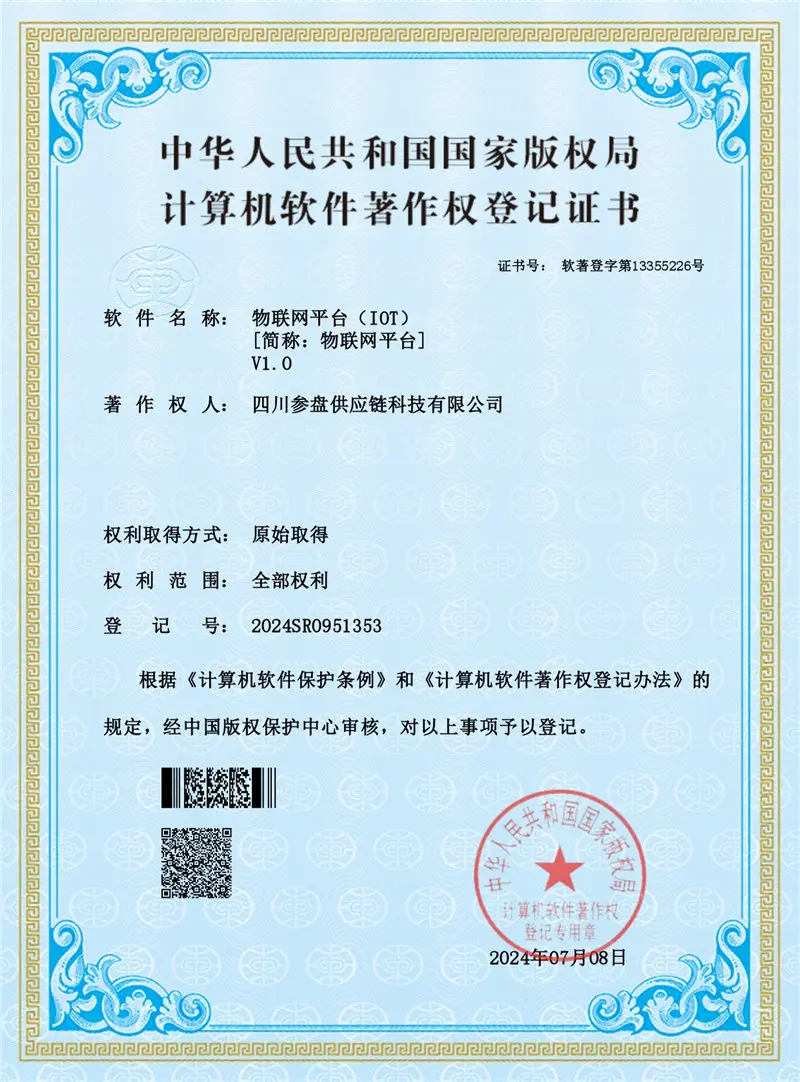
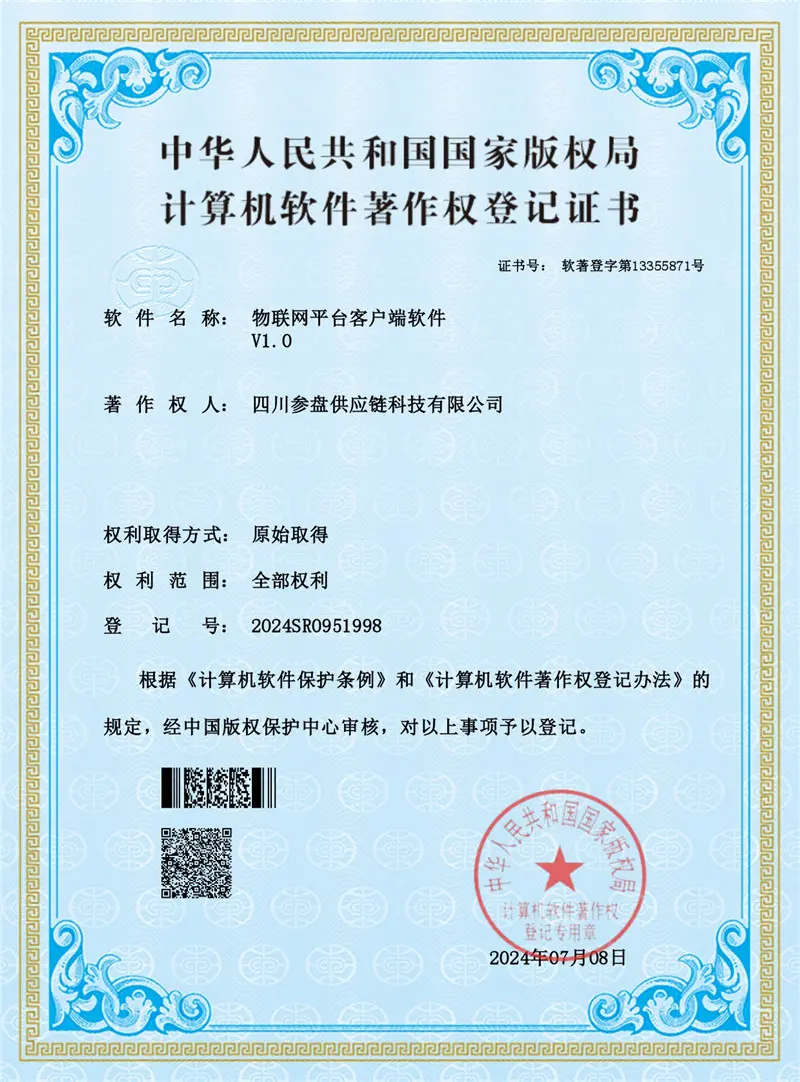
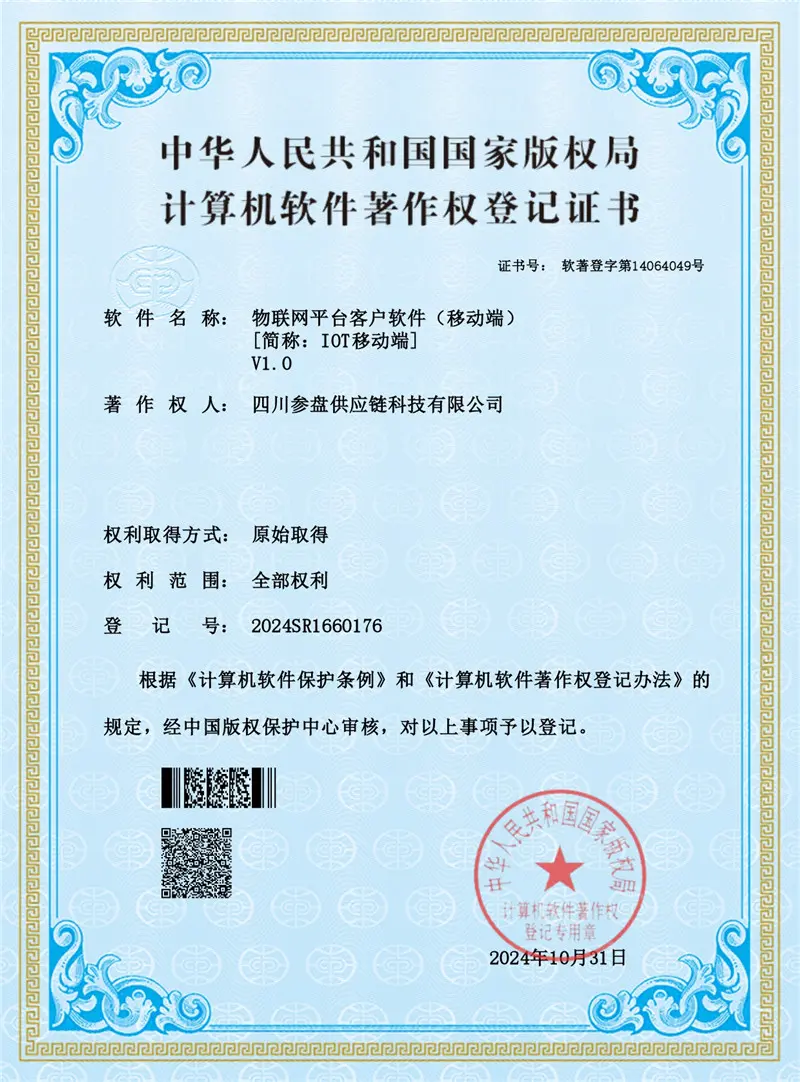
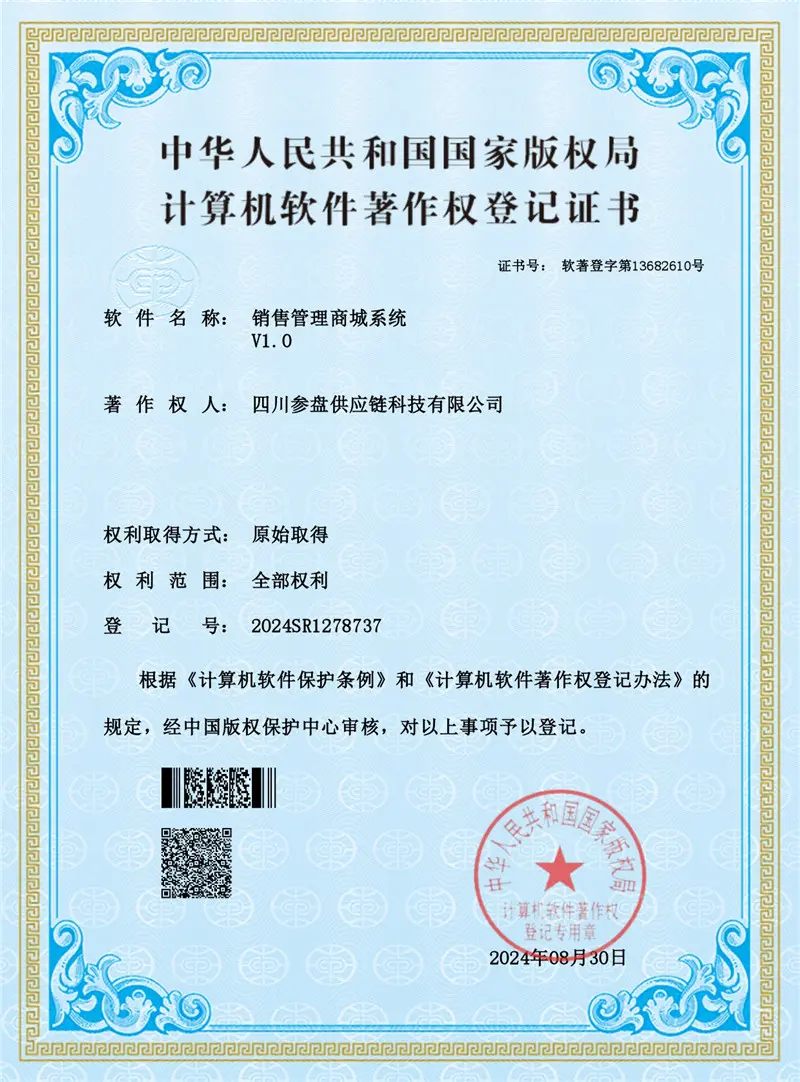
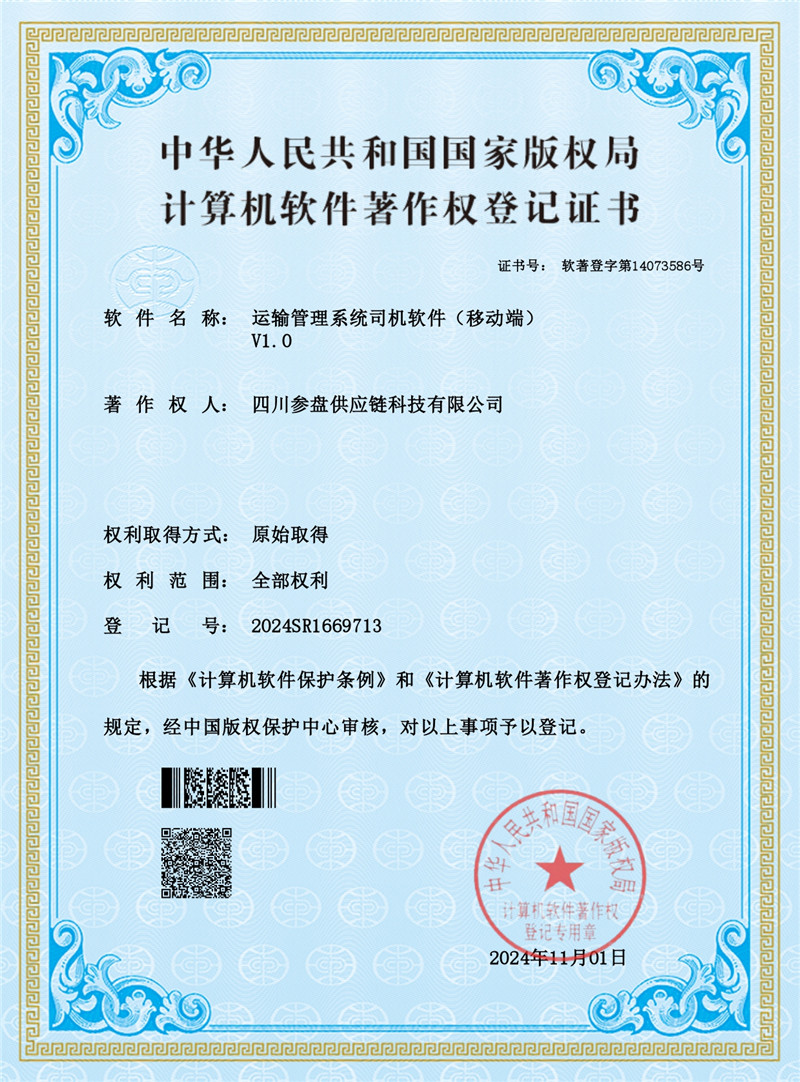
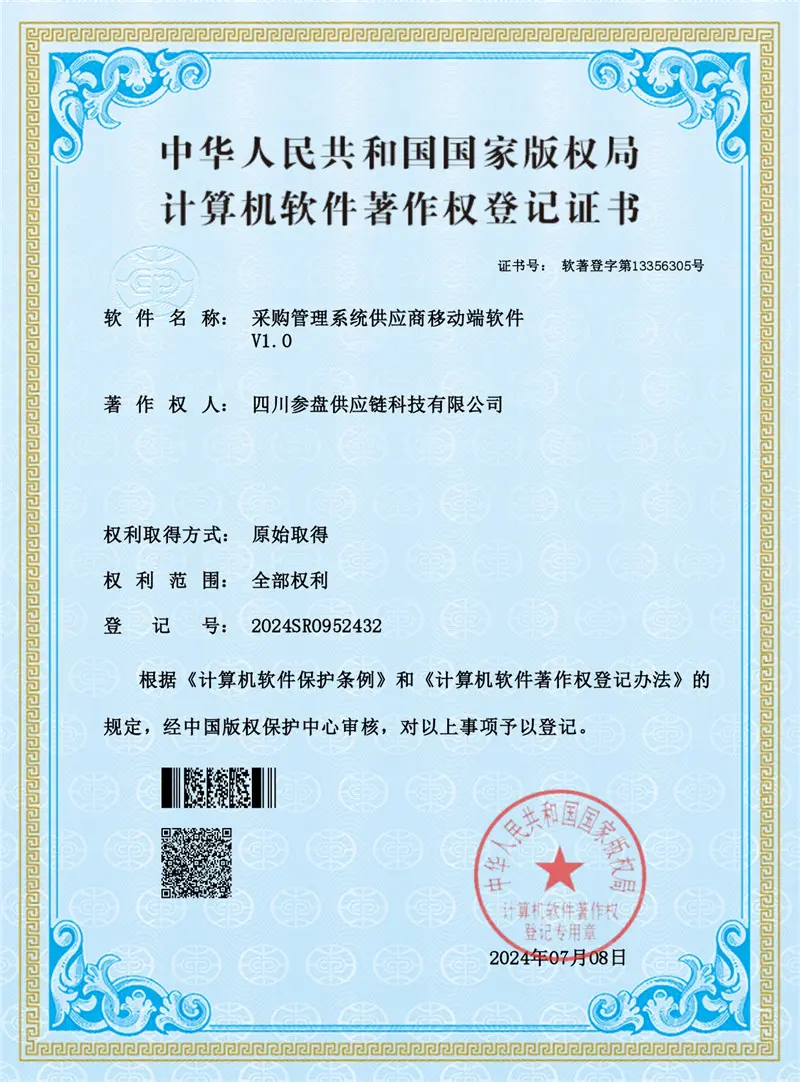
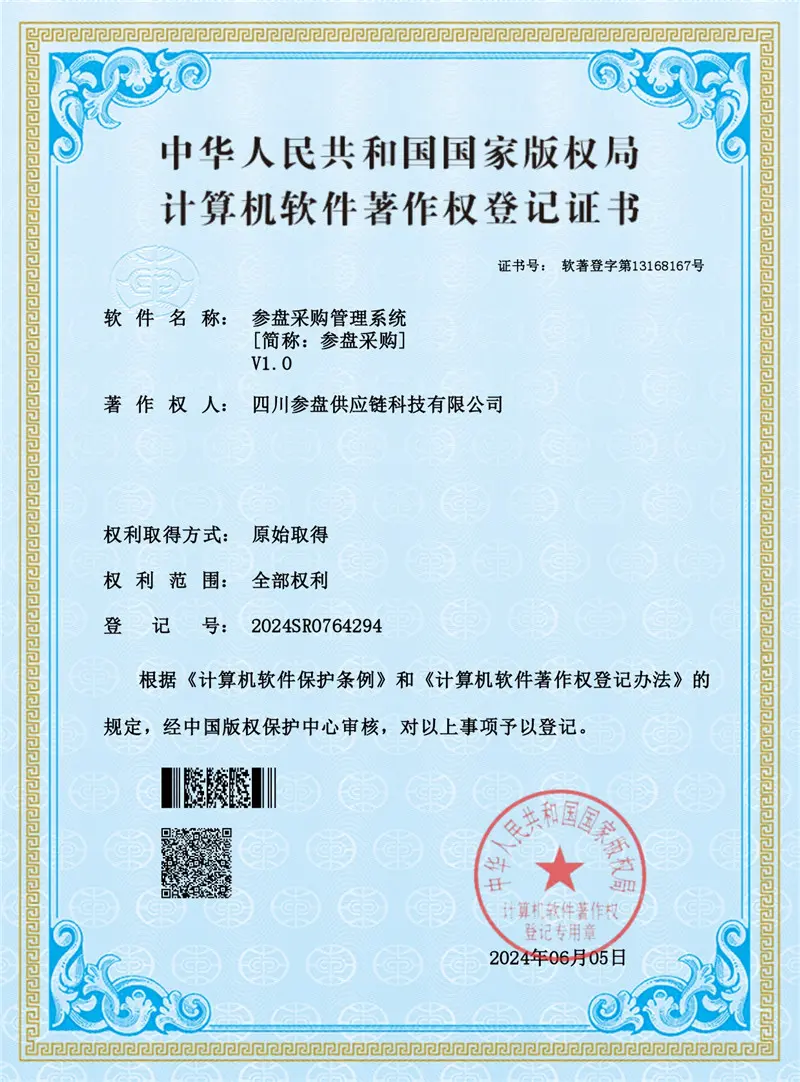
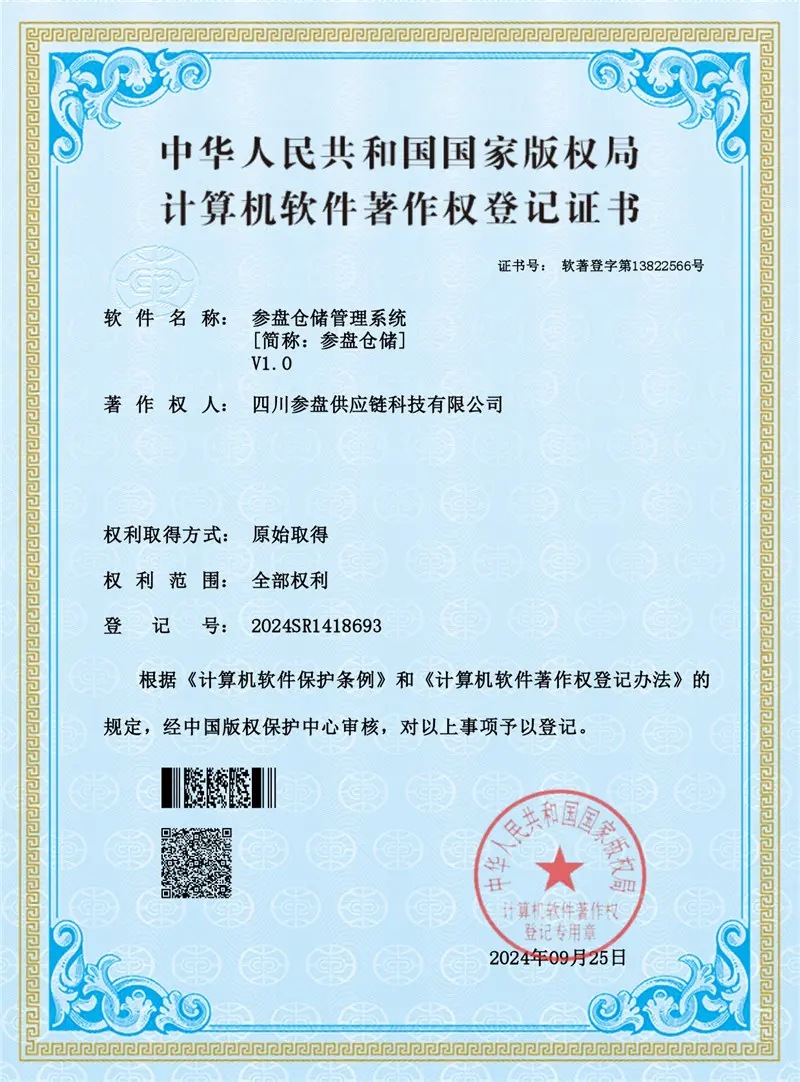
Industrial validation confirming international quality and safety benchmarks
Deploying AI IoT architectures across complex business operations

SCP focuses on providing comprehensive solutions for the food supply chain, as well as research and development of intelligent software and hardware products and services. The company aims to be based on the Internet of Things (IoT) AI, the comprehensive application of machine learning, intelligent devices and other technologies, through automated, digitized, intelligent and systematic technology products and solution matrices, enhances the overall operational efficiency of supply chain procurement/supply/sales, and helps upgrade the value of upstream and downstream industries.
By coordinating real-time execution hardware (such as mobile robots and smart forklifts) with backend logic units (like the SCP101 and SCP100 touch-screen floor scale interfaces running Intel J4125 processes), factories can secure a closed-loop data tracking pipeline. This setup prevents human errors in cargo weighing, records automated inventory check-ins, and feeds precise telemetry straight into higher-tier Warehouse Management Systems (WMS).
Understanding the transition to high-autonomy intralogistics ecosystems
The transition of forklift technology from manual operations to self-guided autonomous vehicles is marked by four primary technological trends. Understanding these trends will help you formulate a robust automation roadmap for your logistics centers:
Initially, AGVs relied heavily on physical guideways like magnetic tapes or 2D barcoded grids. While reliable, these methods limit layout changes. The industry has rapidly pivoted to Natural Feature Laser SLAM. By cross-referencing real-time 3D LiDAR point clouds against pre-saved point clouds, smart vehicles (like the SFL-CPD30-Y) can navigate freely through variable structural spaces. Safe, obstacle-aware navigation occurs without needing reflectors or floor-embedded tags.
To operate reliably in dusty warehouses and dynamic factories, AGV developers use data fusion technologies. Integrating input from LiDAR, Time-of-Flight (ToF) cameras, inertial measurement units (IMUs), and wheel encoders allows the robot to handle environment shifts, floor irregularities, and temporary sensor blockages without losing track of its position.
Modern operations rarely rely on a single AGV. Realizing peak throughput requires managing a diverse fleet, including AMRs, heavy counterbalanced trucks, and light stackers (like the SFL-CDD16). Fleet management platforms schedule missions, prevent traffic congestion, and dynamically balance battery charge levels by integrating directly with MES/WMS software.
Particularly in the agricultural food sector, weighing and tracking items during material handling is vital. Integrating digital scales (such as the SCP101 & SCP100 Floor Scales) directly with the mobile chassis enables seamless automated load checking. This ensures that load variations are logged immediately, enhancing safety and production auditing.
Successful deployment of navigation AGVs requires aligning hardware load ratings, navigation software performance, and warehouse planning systems. Relying on an experienced industrial partner like SCP ensures smooth system deployment, mitigating high integration costs and avoiding unexpected layout changes.
Expert insights on procuring and integrating China-made Navigation AGVs
Laser SLAM (Simultaneous Localization and Mapping) requires zero physical markers (such as magnetic tapes, paint lines, or reflectors) to navigate. It uses safety LiDAR sensors to generate a virtual map of the environment and calculates paths dynamically. This drastically lowers initial installation time, facilitates painless layout updates, and accommodates shifting pathways in busy environments.
The SCP architecture provides middleware layer solutions designed to bridge execution hardware and host software databases. It supports API endpoints, TCP/IP, and Modbus protocols to relay tracking positions, current battery statuses, error diagnostics, and weighing information (such as scale readings from Floor Scale SCP101) directly to Enterprise Resource Planning (ERP) databases.
Our SLAM forklifts, such as the SFL-CPD20-Y and SFL-CDD16, are fitted with dual-channel safety laser scanners, 3D obstacle avoidance cameras, mechanical contact bumper strips, and optical acoustic alarm signals. They automatically adapt their braking distances depending on speed, direction, and payload weight, ensuring strict compliance with industrial safety guidelines.
Yes. Backed by New Hope Group's deep involvement in food processing and cold chain storage, our AGV configurations can be customized with internal heaters and moisture-sealed electronics. They operate efficiently in low-temperature environments down to -25°C without experiencing sensor fogging or battery capacity drop-offs.
Industry-grade forklift chassis, scales, and automation parts direct from our ISO-certified facilities
 SCP
SCP