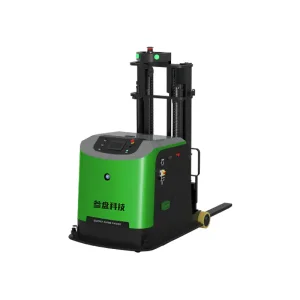
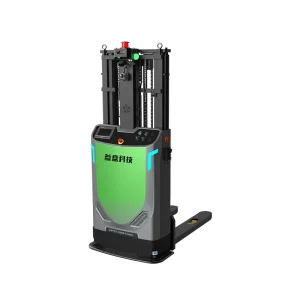
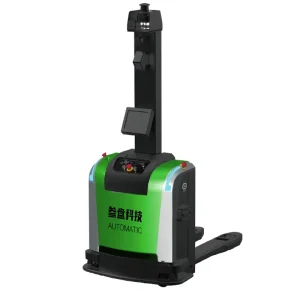
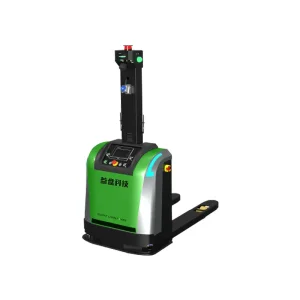
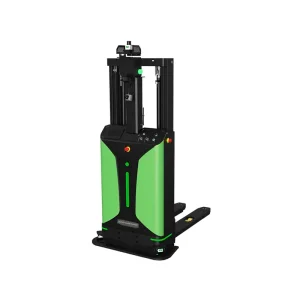
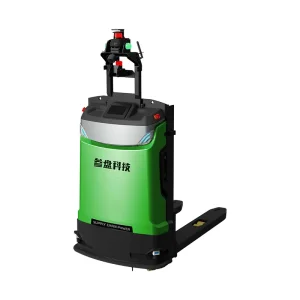
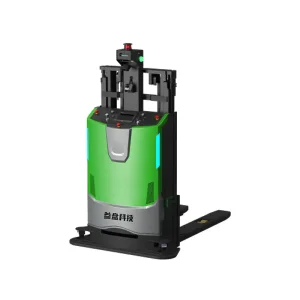
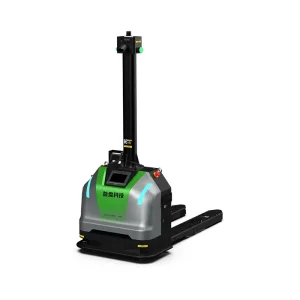
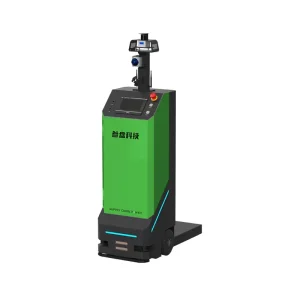
As a leading China AGV Navigation Methods Manufacturer, we understand that selecting the right guidance mechanism is the defining factor in maximizing facility throughput, safety, and return on investment (ROI). Below is an analytical comparative breakdown of the industry's primary AGV navigation topologies.
Historically the entry-level standard, magnetic tape uses floor-mounted physical tracks to guide automated vehicles. While cost-effective to set up, it features high physical wear and tear and zero spatial path flexibility, making it obsolete for complex, dynamic distribution spaces.
Highly precise and ideal for high-density robotic grids. By scanning codes affixed to the warehouse floor, AGVs determine their coordinates. It relies on clean, unobstructed floor surfaces and is common in modular goods-to-person e-commerce fulfillment centers.
Using onboard lidar scanners that detect strategically placed reflective targets, these systems calculate vehicle location using trigonometry. This offers high repeatability (down to ±5mm) but demands line-of-sight visibility and constant target maintenance.
The pinnacle of dynamic flexibility. Lidar scanners build an environmental map in real-time, matching natural features (walls, pillars, racks) to locate themselves. No physical markers are needed, cutting initial installation overhead and enabling rapid path redesigns.
Combining the strengths of multiple methods (e.g., Laser SLAM coupled with IMU inertial tracking and QR code alignment). Hybrid navigation guarantees seamless operation across varied environments, such as transition zones between rack aisles and open manufacturing floors.
Taking actual business needs as our cornerstone, SCP is committed to comprehensively innovating and enhancing the overall supply chain planning of modern industrial enterprises. We provide enterprises with comprehensive end-to-end supply chain solutions, building a multi-role, multi-dimensional intelligent supply chain collaboration system that achieves all-round efficient collaboration and process optimization.
At present, SCP has established a product architecture supported by software and hardware, supplemented by the top-level design of the supply chain control tower to create an agile, flexible, and efficient end-to-end supply chain system for global enterprises. Integrating advanced AGV and AMR robotics into WMS, WCS, and MES layers is a core pillar of our technology strategy.
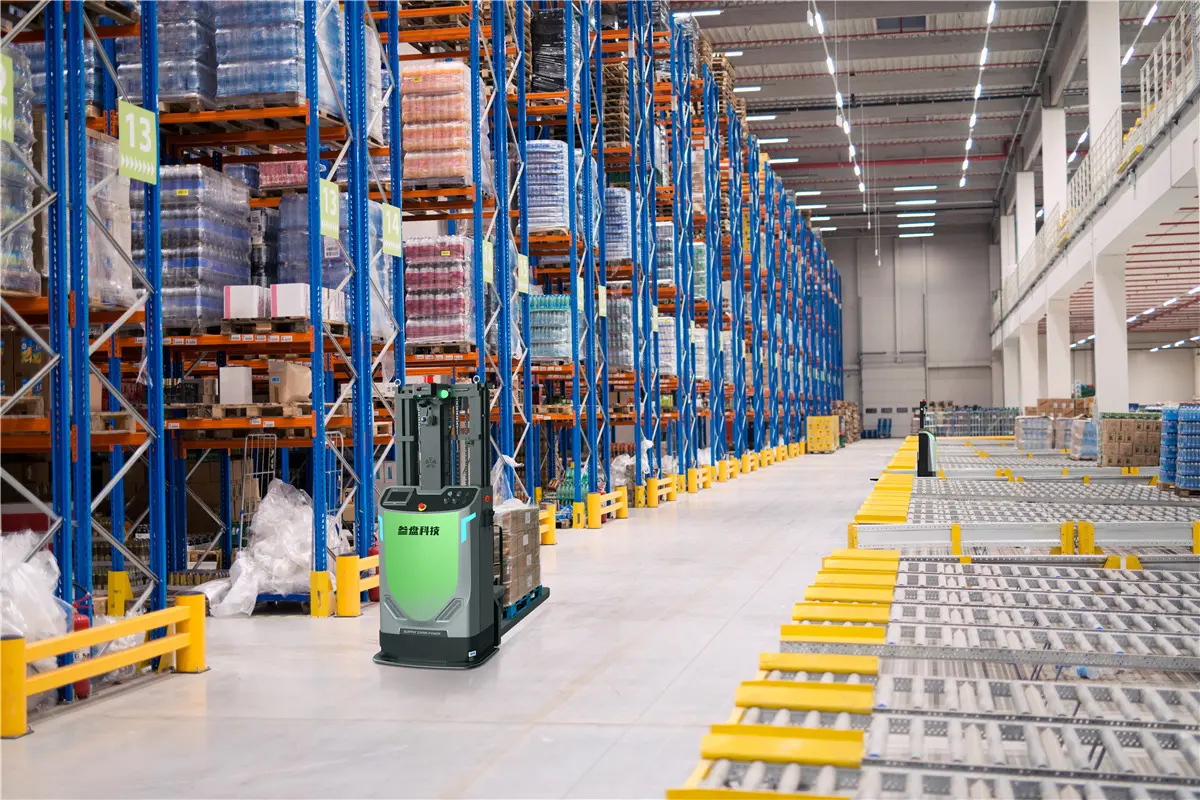

SCP focuses on providing comprehensive solutions for the food supply chain, as well as the research and development of intelligent software and hardware products and services. The company aims to leverage the comprehensive application of the Internet of Things (IoT), Artificial Intelligence (AI), Machine Learning, and intelligent devices to enhance efficiency.
Through automated, digitized, and highly integrated technology matrices, we optimize supply chain procurement, manufacturing floor supply, and finished-goods sales. This dramatically raises operational throughput and safety across the food, cold chain, and manufacturing industries.
Our operations benefit from structured, institutionalized support, guaranteeing execution capability, localized risk mitigation, and robust R&D continuity.
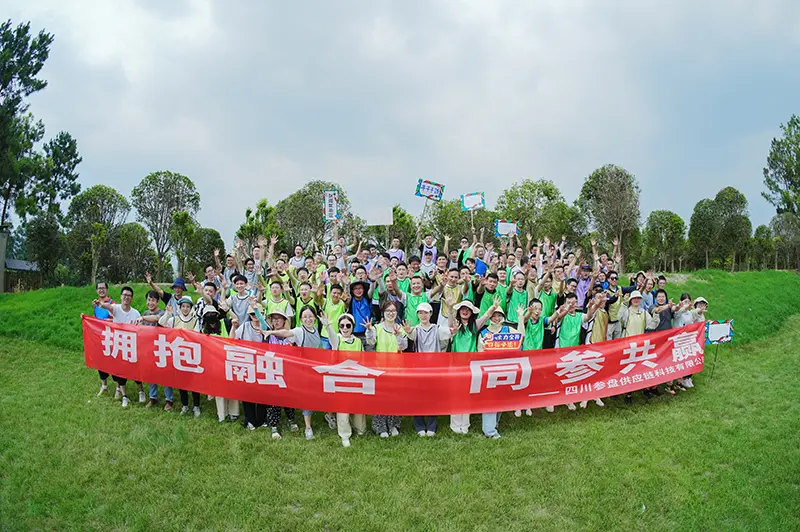
As a subsidiary of New Hope Group, we possess an established market reputation and deep execution capacity. We leverage decades of hands-on operation across multi-billion-dollar food production networks, giving us an in-depth understanding of diverse logistical challenges.
Incubated specifically to address digital upgrades within the New Hope system, we have designed and refined AGV navigation systems across numerous high-demand industrial scenarios. This ensures our technologies match actual operational requirements on the ground.
We own the complete IP and code architecture for procurement, sales, and warehouse supply integrations. This end-to-end control allows us to build bespoke software integrations to align AGVs with custom MES or ERP frameworks.
We deliver light consulting services alongside physical system deployments. This includes workflow re-engineering, process mapping, and bottleneck analysis to ensure automation projects deliver maximum operational returns.
Our dedicated professional delivery team acts as a single point of contact for installation, testing, and training. We support dynamic commissioning schedules to minimize facility downtime during initial deployment.
Benefiting farmers and bringing welfare to consumers through streamlined, high-efficiency digital food supply chain frameworks.
Leading the technological upgrade of the supply chain and achieving extraordinary value for transformers in global industries.
Alliance of Developers of New Quality Supply Chain Technology, uniting hardware manufacturing and software intelligence.
Sustainable operations form the core of our business strategy. By optimizing power cycles, navigation routes, and fleet configurations, we help reduce carbon emissions across international supply chain nodes.
In technology research and development, SCP continues to increase its investment, constantly optimizing our software and hardware-supported product architecture. By strengthening our self-development capabilities, we deliver stable navigation systems for high-rack applications, narrow-aisle picking, and bulk storage.
We actively explore and implement visual-laser hybrid navigation, 5G cloud orchestration, and deep learning localization algorithms, establishing a solid baseline for sustainable industrial automation.
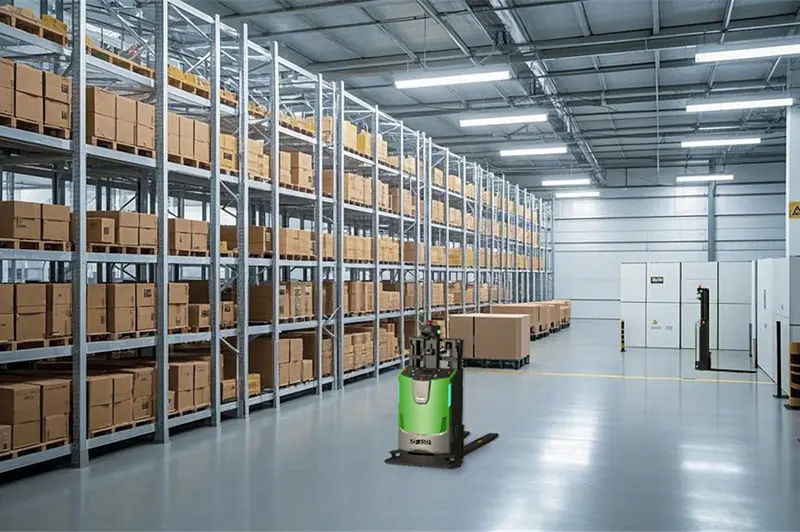
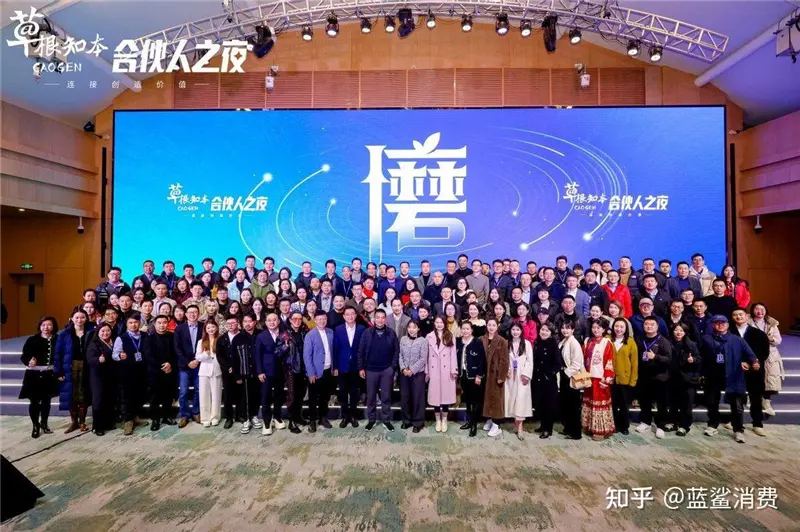
Relying on the industrial resources and business layout of Caogenziben, SCP addresses complex operational environments across food production, heavy manufacturing, and cold chain logistics.
By optimizing material transport in temperature-controlled spaces down to -25°C, we facilitate standardized fleet management. We work with overseas partners to align our systems with international standards, ensuring compliance and performance globally.
With our vision of "Leading the technological upgrade of the supply chain", SCP integrates sustainable development principles into our product roadmaps. This includes building modular AGV chassis, designing energy-efficient components, and offering hardware upgrades that extend vehicle operational lifespans.
Our mission is to help partners transition from manual operations to fully automated setups with minimal waste and maximum resource utilization.
Our automated forklifts and navigation frameworks comply with major international quality and safety directives, ensuring seamless regulatory clearance.
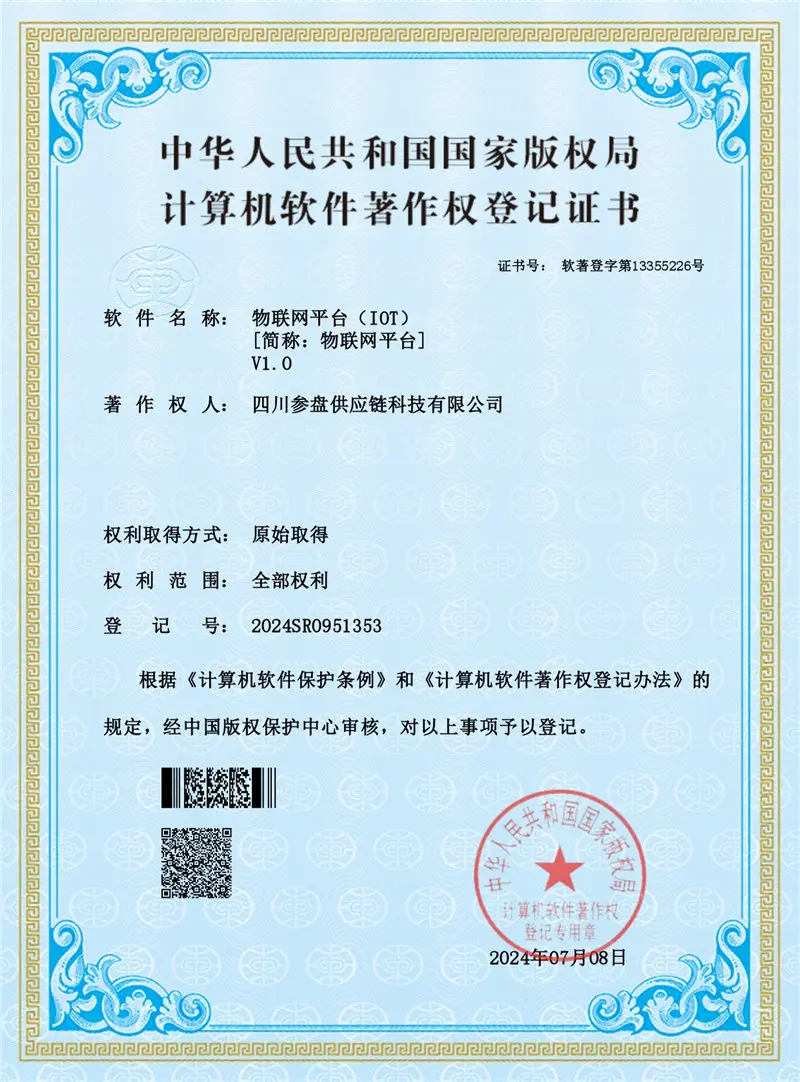
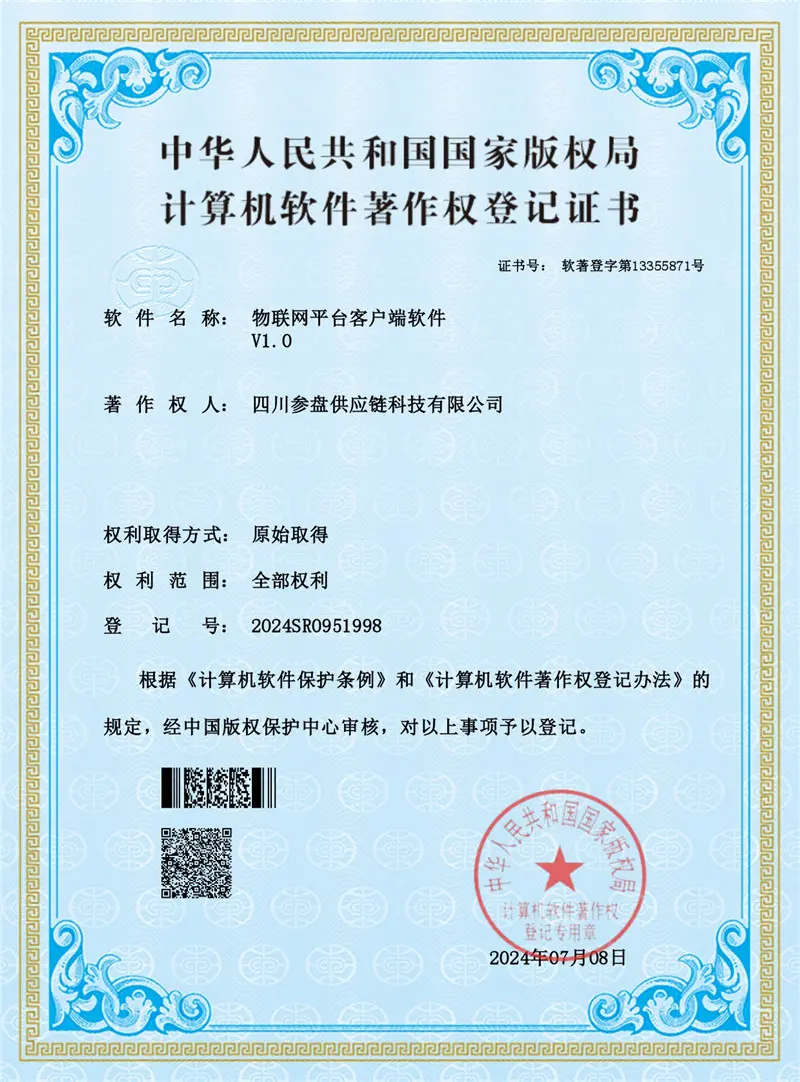
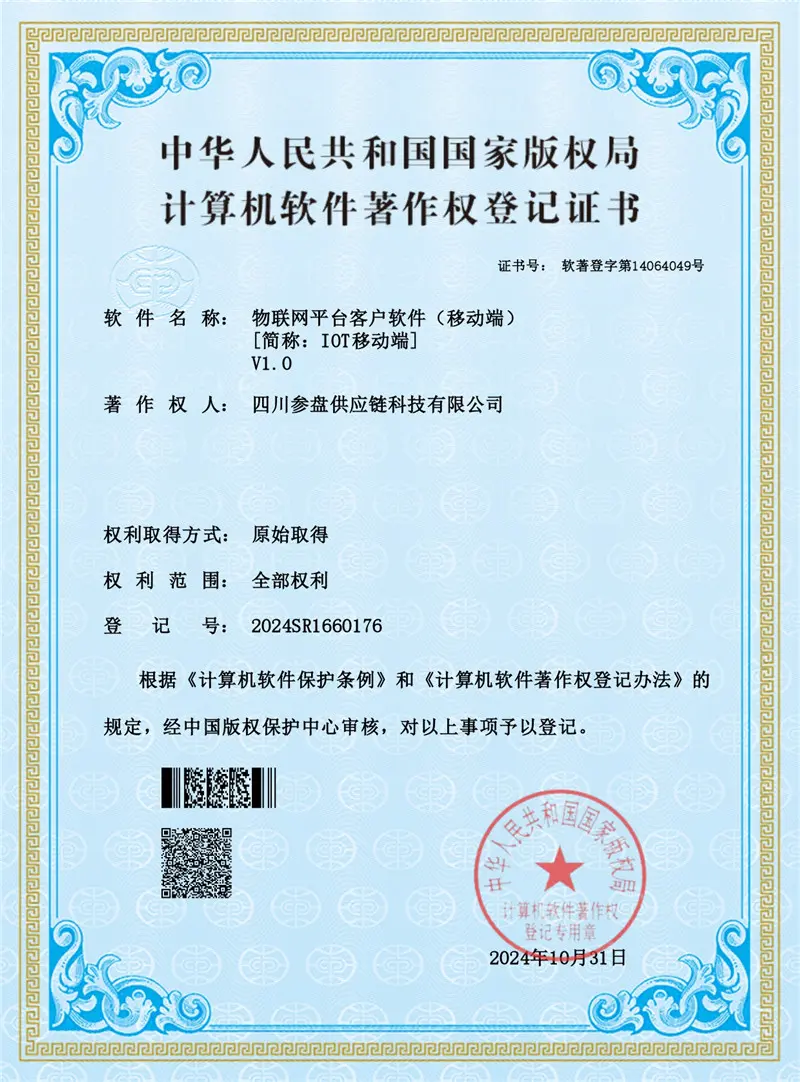
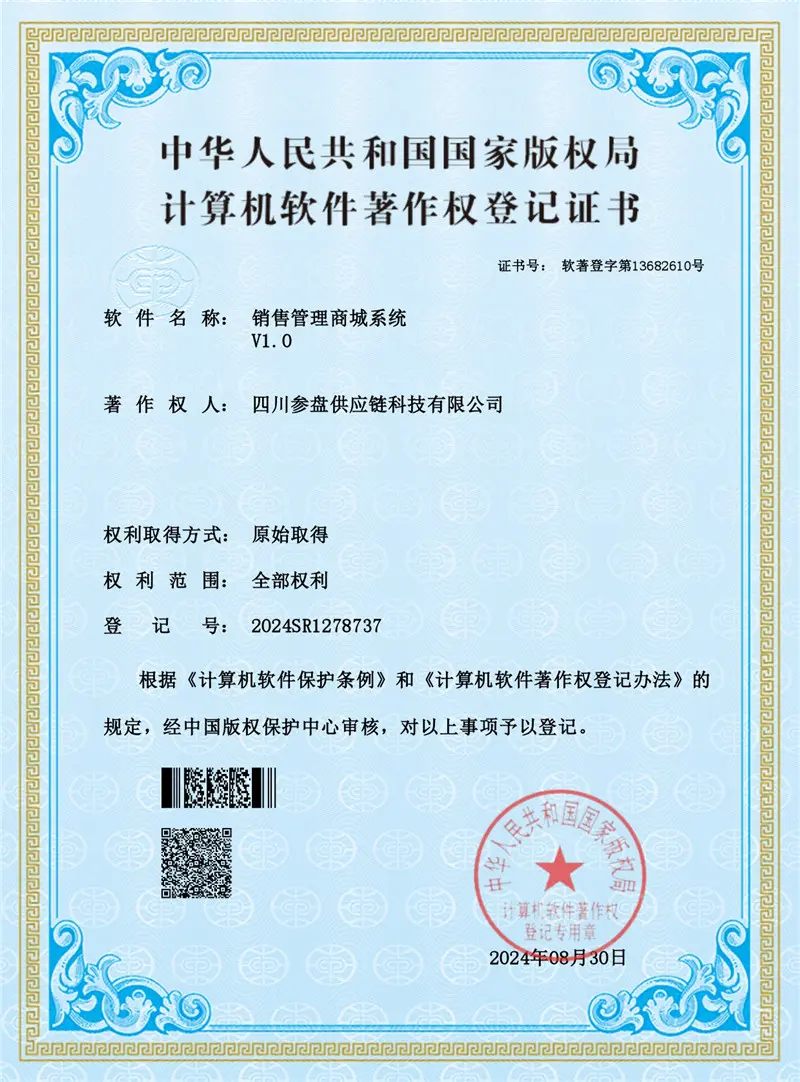
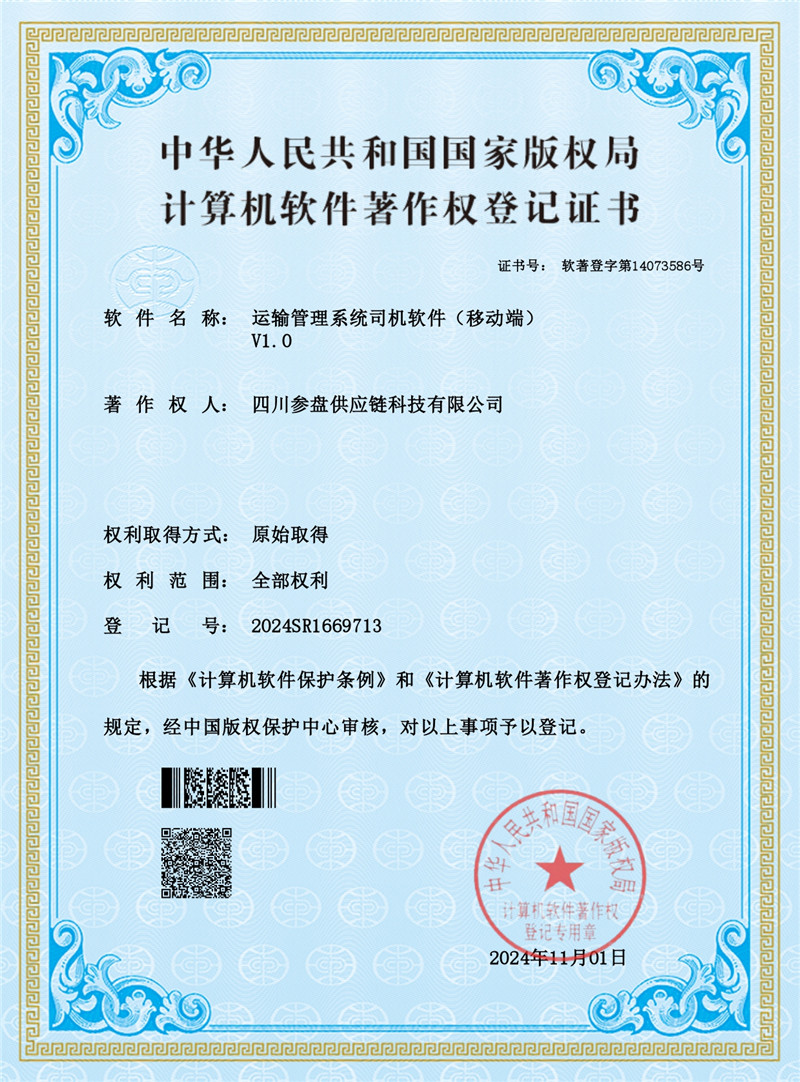
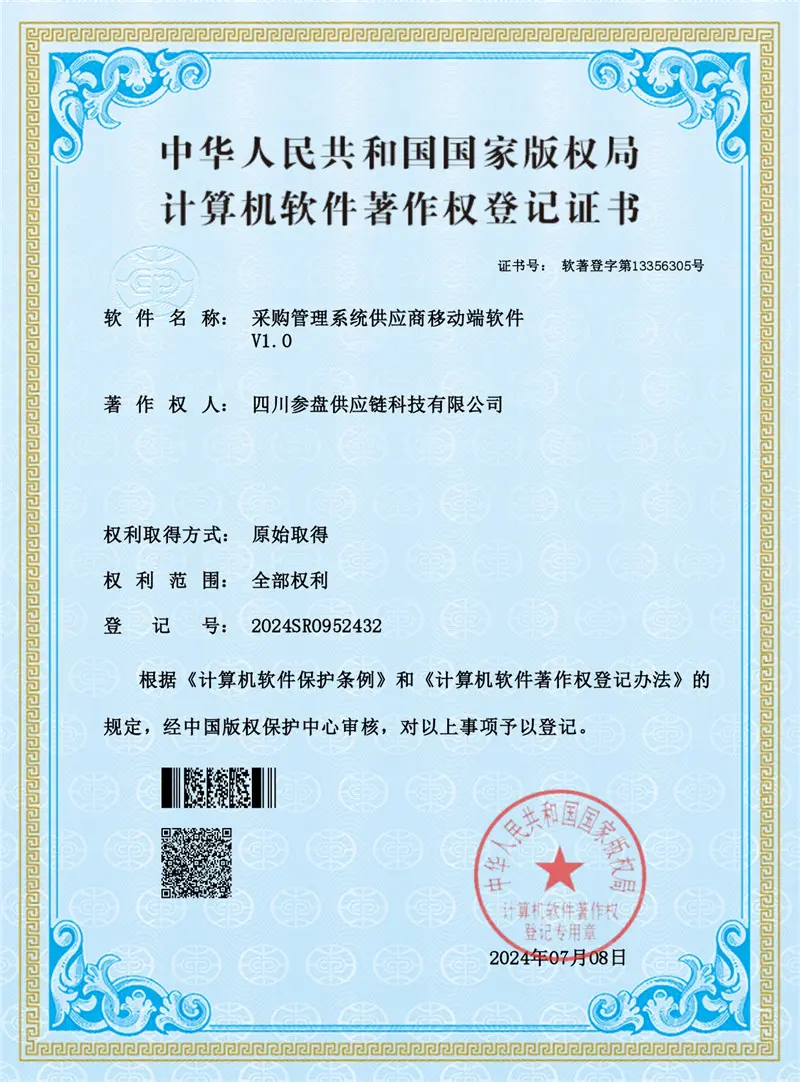
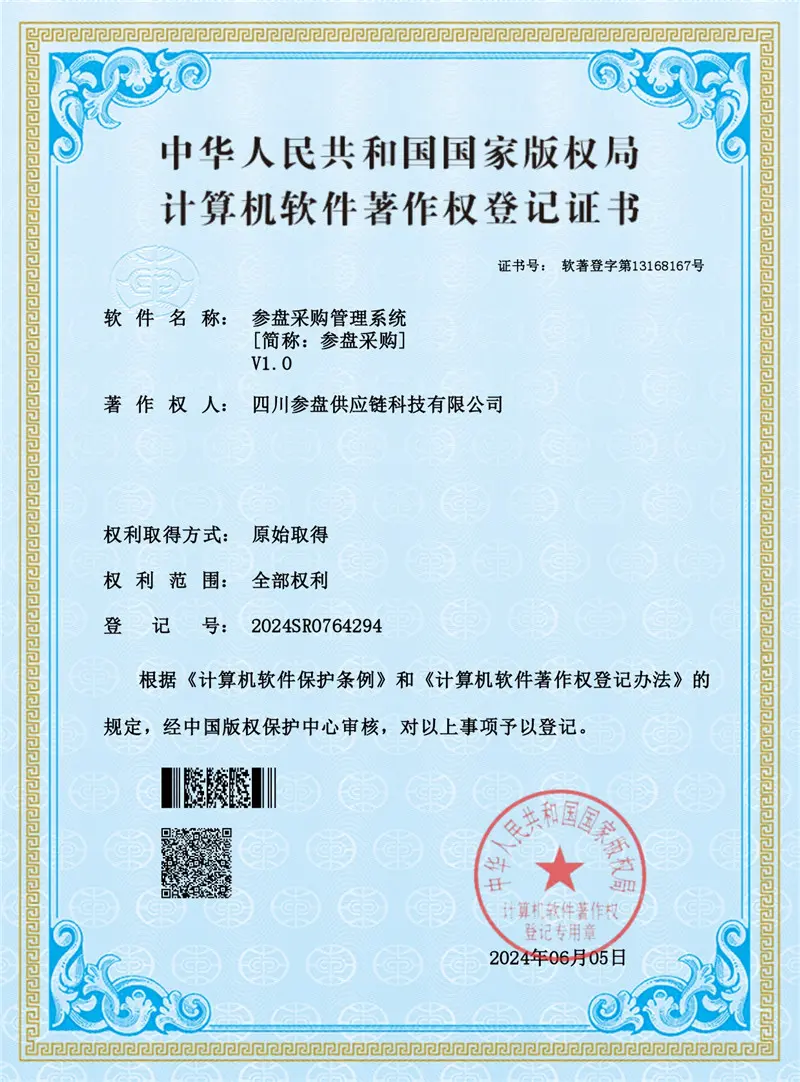
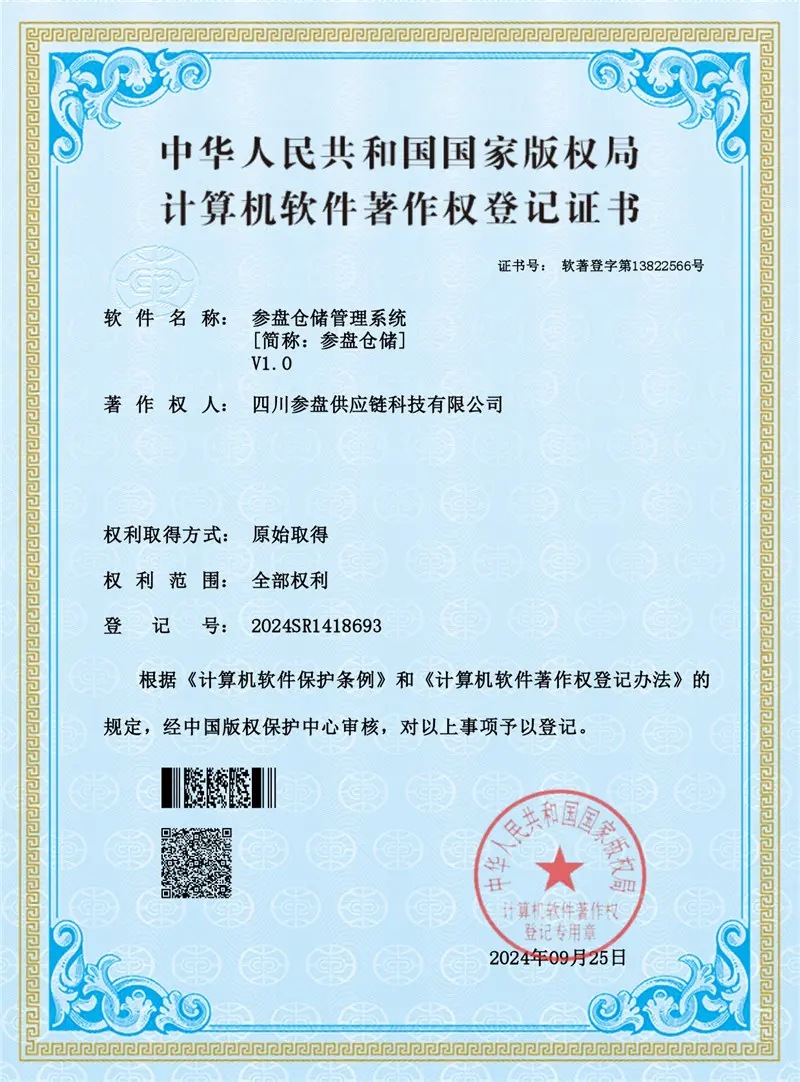
Deploying advanced automated guided vehicles across international boundaries requires strict alignment with safety regulations and specialized local support networks.
Our entire portfolio of automated forklifts conforms to global safety standards, including ISO 3691-4, CE mechanical directives, ANSI/ITSDF B56.5, and FCC regulations. This guarantees safe operation in environments where humans and machinery share workspace.
We work with regional distributors and integration partners across North America, Europe, and Southeast Asia to deliver rapid on-site commissioning, preventative maintenance, and 24/7 service response times.
Our field application engineers tune navigation algorithms to resolve site-specific challenges. This includes optimizing performance on uneven warehouse floors, adapting to variable lighting, or configuring high-density rack interfaces.
Our technology roadmap outlines key engineering milestones designed to make warehouse automation more flexible, robust, and easier to deploy.
Moving beyond pure lidar SLAM. We are integrating advanced visual SLAM (vSLAM) with onboard 3D depth cameras and IMU dead reckoning. This multi-sensor approach ensures stable navigation in complex, open spaces where structural reference points change frequently.
Leveraging high-bandwidth, low-latency 5G connectivity to offload complex path planning calculations to localized cloud systems. This enables dynamic fleet routing and minimizes latency when managing fleets of over 100 autonomous mobile units.
Integrating machine learning directly into our fleet managers. Instead of relying on rigid, pre-defined routes, vehicles analyze real-time traffic density, human movement patterns, and charging schedules to dynamically plan the most efficient path.
Get answers to key technical questions about choosing and deploying AGV navigation solutions in industrial environments.
 SCP
SCP