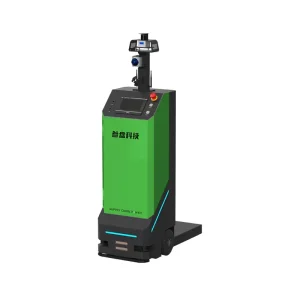
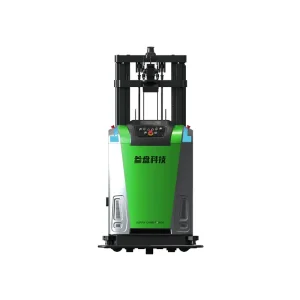
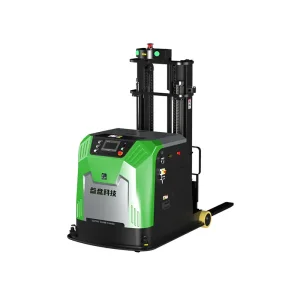
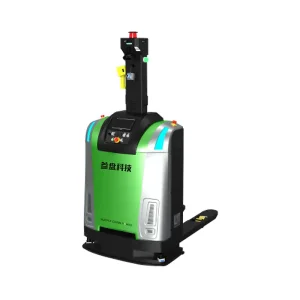
In the modern era of industrial automation, material handling is no longer a localized operational cost; it is a global tactical variable. Global logistics and manufacturing enterprises face unprecedented throughput demands, structural labor shortages, and complex floor conditions. Against this backdrop, Chinese warehouse robotics manufacturers have transitioned from low-cost manufacturers to core innovation drivers in Laser SLAM navigation and multi-agent coordination.
China's physical footprint in automated material handling is built upon three structural advantages:
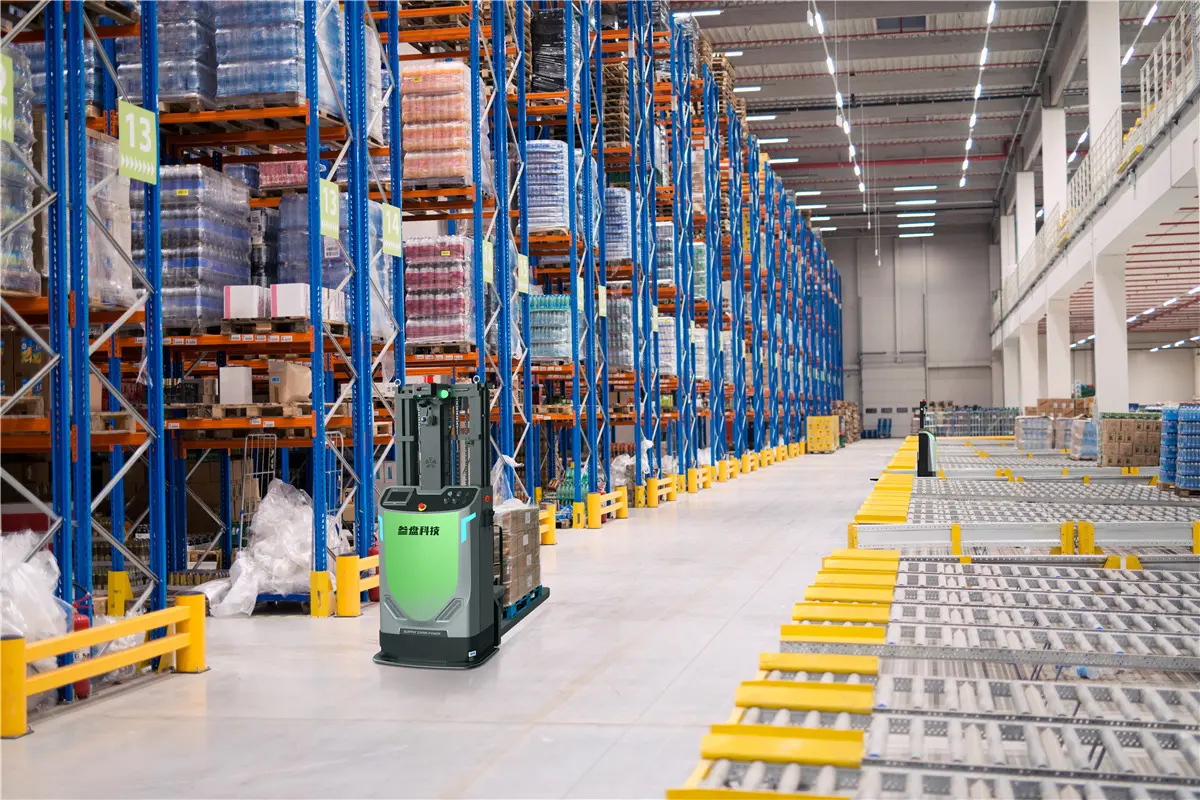
Taking the actual business needs as the cornerstone, SCP is committed to comprehensively innovating and enhancing the overall supply chain planning of enterprises. We provide enterprises with comprehensive end-to-end supply chain solutions, build a multi-role and multi-dimensional intelligent supply chain collaboration system, and achieve all-round efficient collaboration and process optimization.
At present, SCP has established a product architecture supported by software and hardware, and supplemented by the top-level design of the supply chain control tower to create an agile, flexible and efficient end-to-end supply chain system for enterprises.
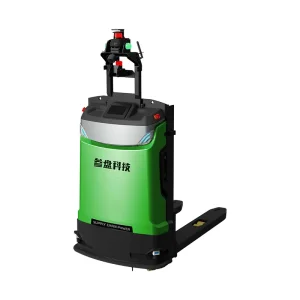
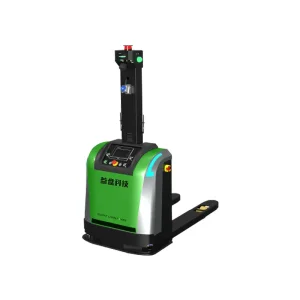
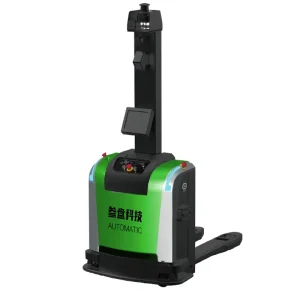
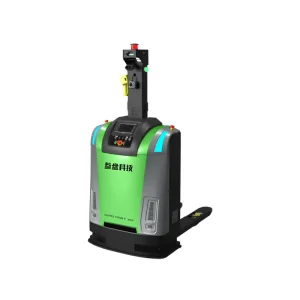
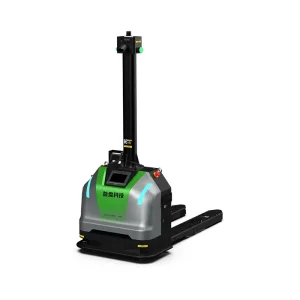
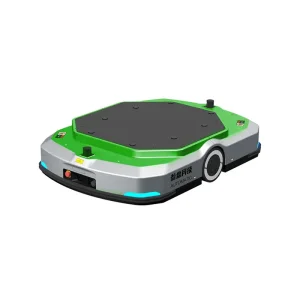
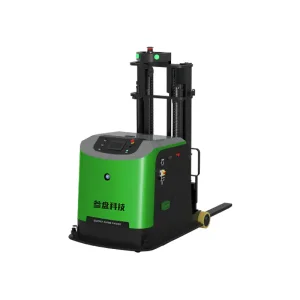
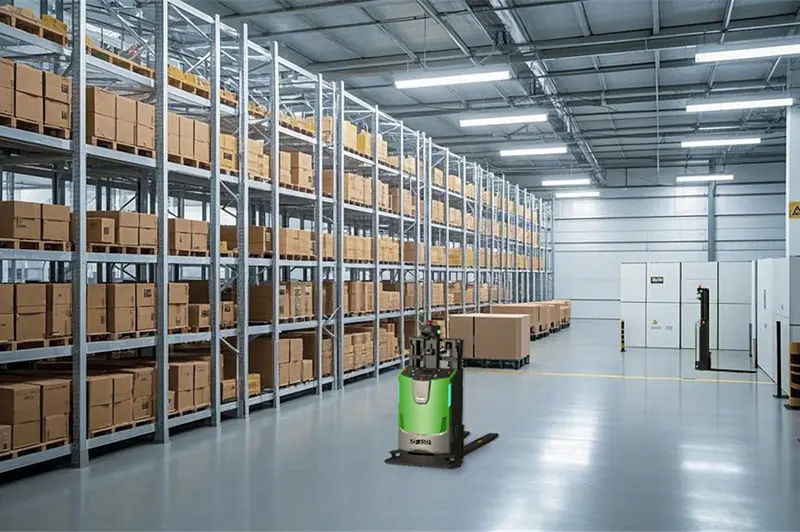
Unlike legacy automation providers that tie buyers to proprietary platforms, the SCP product architecture separates physical autonomous forklifts from the upper-level warehouse control system (WCS). This enables mixed fleet operations, where heavy-duty Laser SLAM forklifts, lightweight AMRs, and automatic floor scales coordinate under a unified orchestrator.
Industry standard is moving from single-technology guidance (magnetic strip or 2D reflector SLAM) to hybrid navigation models combining 3D LiDAR SLAM, visual odometry (V-SLAM), and inertial measurement units (IMUs). This ensures zero localization loss even in sterile, repetitive environments.
Global manufacturing centers demand interoperability. By adhering to the VDA 5050 interface communication standard, Chinese manufacturers enable seamless control of diverse AGVs and AMRs through a single software console, preventing vendor lock-in.
Modern warehouse robot platforms run neural-network inference at the edge, allowing them to classify obstacles, predict worker trajectories, and optimize travel paths dynamically without burdening central network bandwidth.
As a subsidiary of New Hope Group, we have a good market reputation and execution ability. Moreover, we have an in-depth understanding of multiple industries.
We were incubated based on the digital needs of the business side within the New Hope system, and have participated in many projects of the same type. Therefore, we have a better understanding of the actual business scenarios and demands.
We possess the self-development and integration capabilities for various systems in procurement, sales, and supply. We can well meet the individual needs of different customers.
We provide certain light consulting services alongside projects, covering multiple dimensions such as process optimization and assessment weight, to assist customers in the construction of digital transformation of their supply chains.
We have a professional delivery team for commercial projects. We actively respond to the personalized needs of customers and can ensure fast and high-quality delivery according to customer requirements.
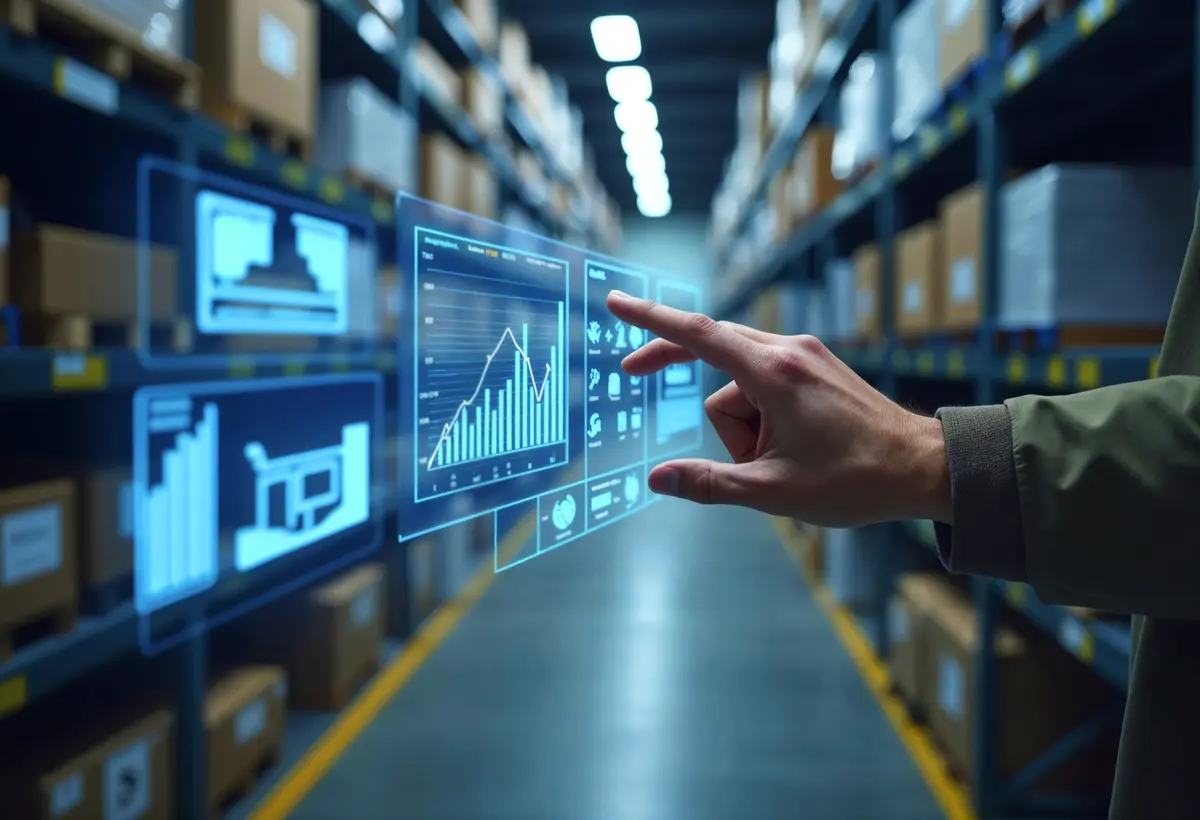
SCP focuses on providing comprehensive solutions for the food supply chain, as well as research and development of intelligent software and hardware products and services. The company aims to be based on the Internet of Things AI, the comprehensive application of machine learning, intelligent devices and other technologies, through automated, digitized, intelligent and systematic technology products and solution matrices, enhances the overall operational efficiency of supply chain procurement/supply/sales, and helps upgrade the value of upstream and downstream industries.
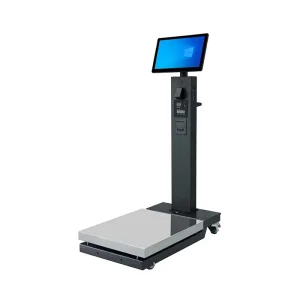
In automated warehouse logistics, this means bridging the physical gap between receiving raw ingredients, keeping track of raw weights via high-accuracy touch screen weighing scales (like the Floor Scale SCP101), moving palletized loads dynamically across the floor with autonomous forklifts, and feeding optimization metrics back to the central planning software.
Benefiting farmers and bringing welfare to consumers
Leading the technological upgrade of the supply chain and achieving extraordinary value for transformers
Alliance of Developers of New Quality Supply Chain Technology
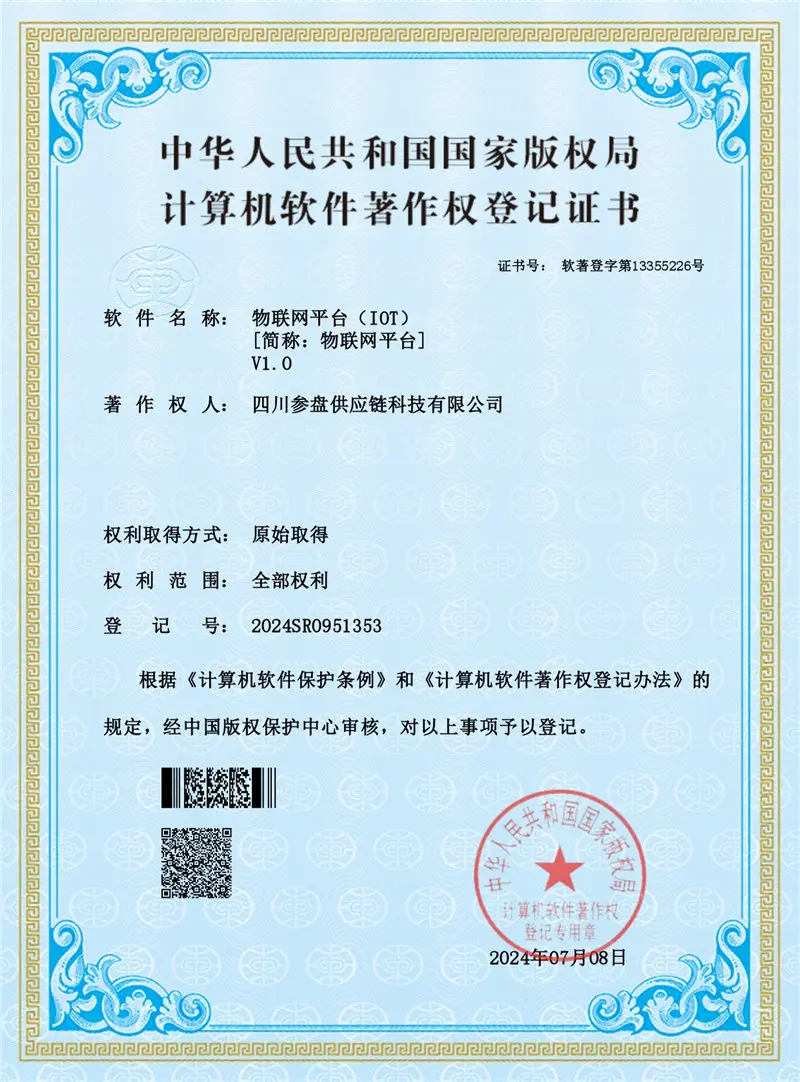
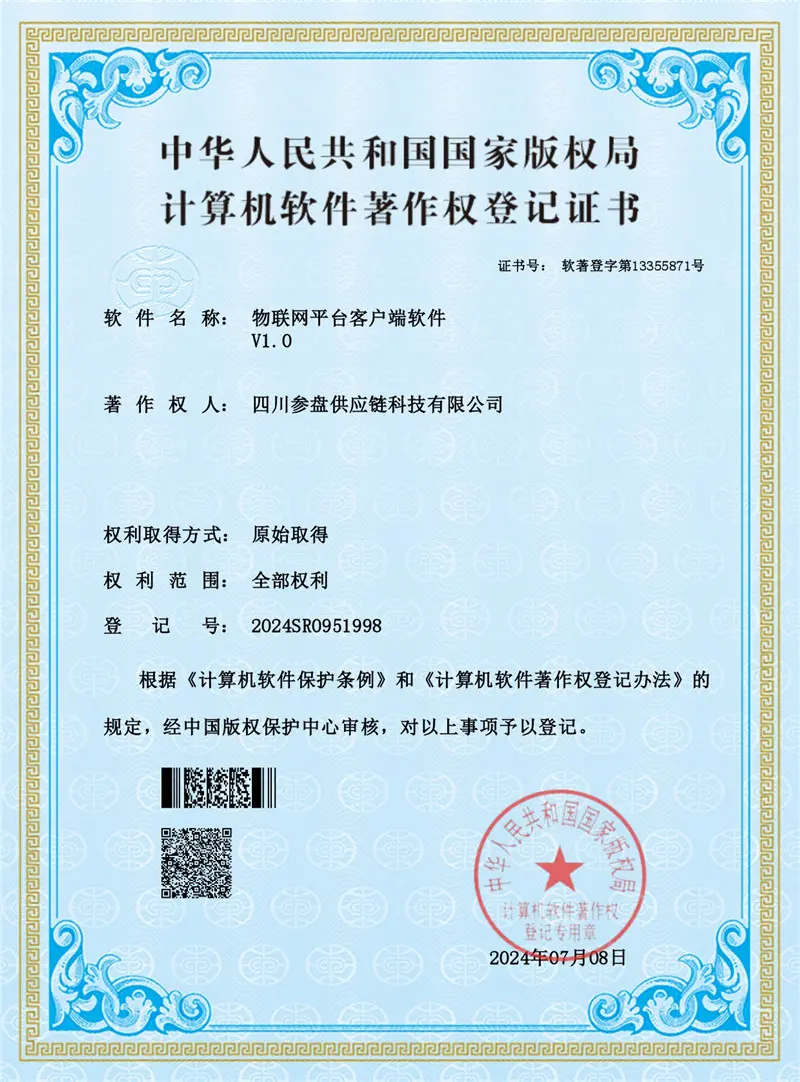
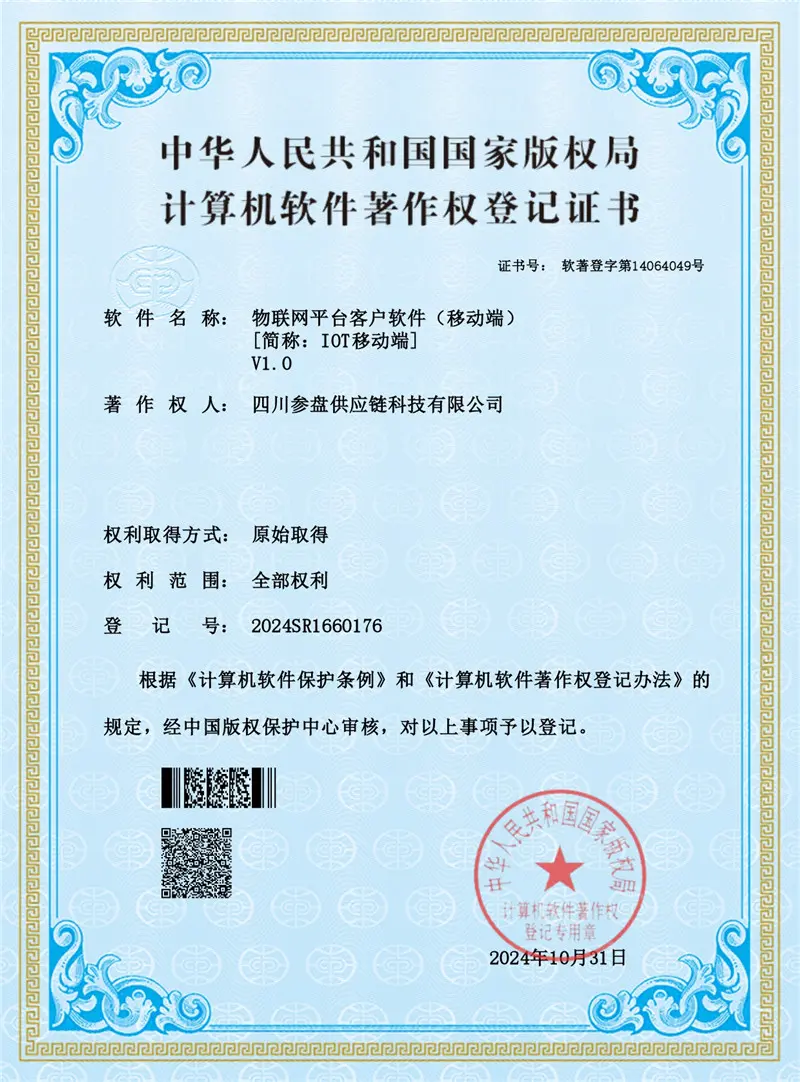
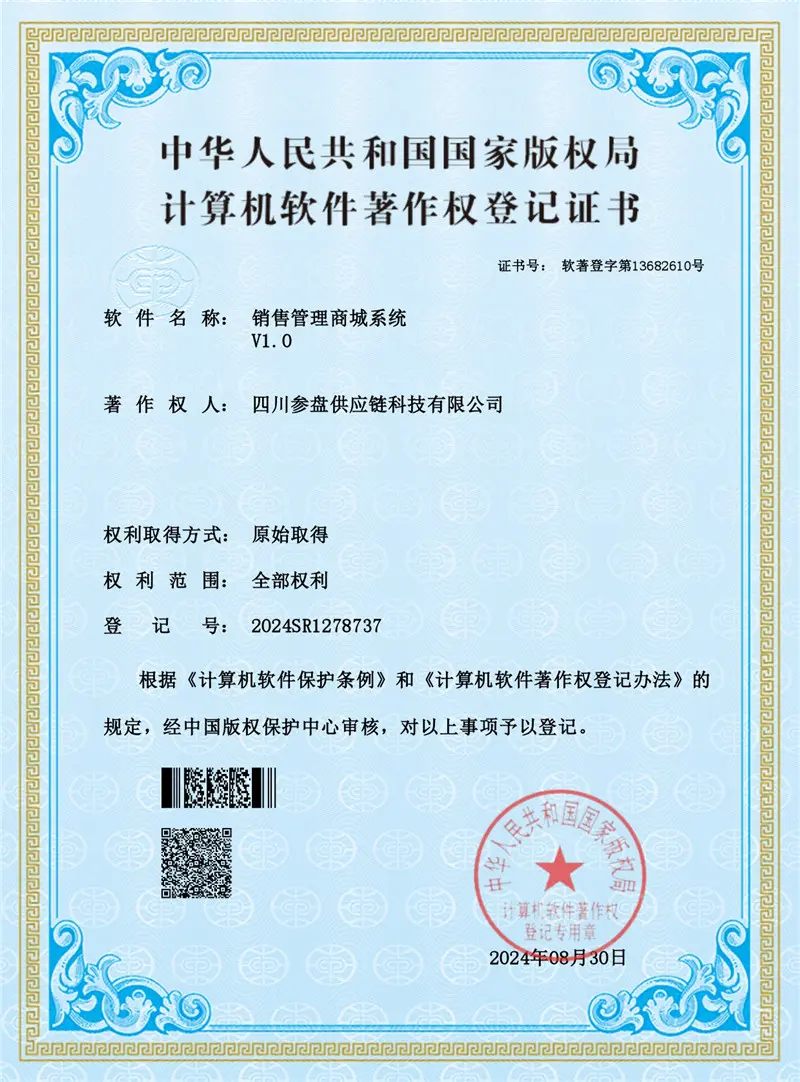
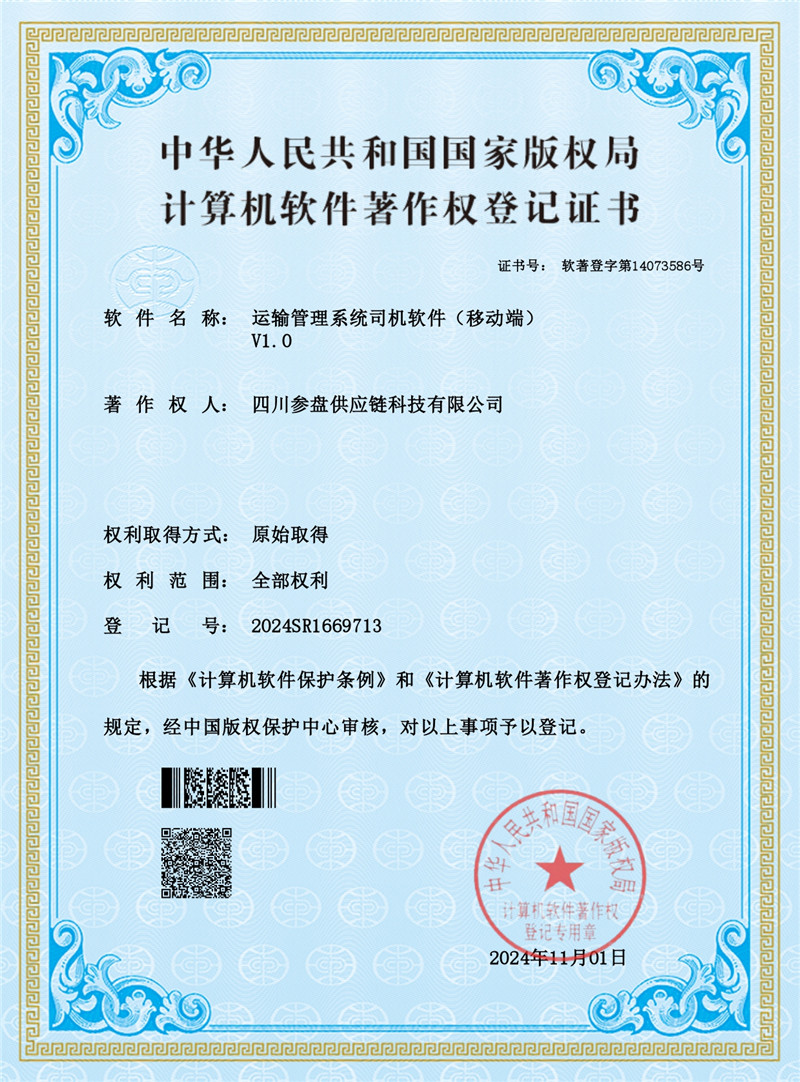
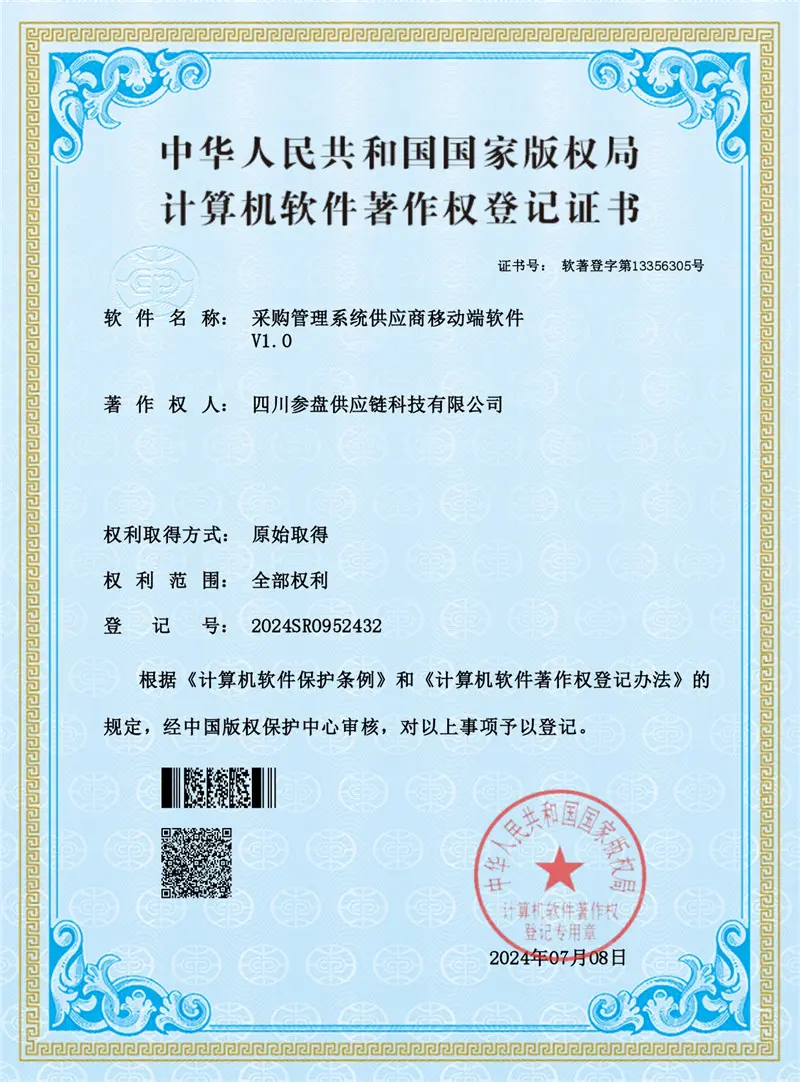
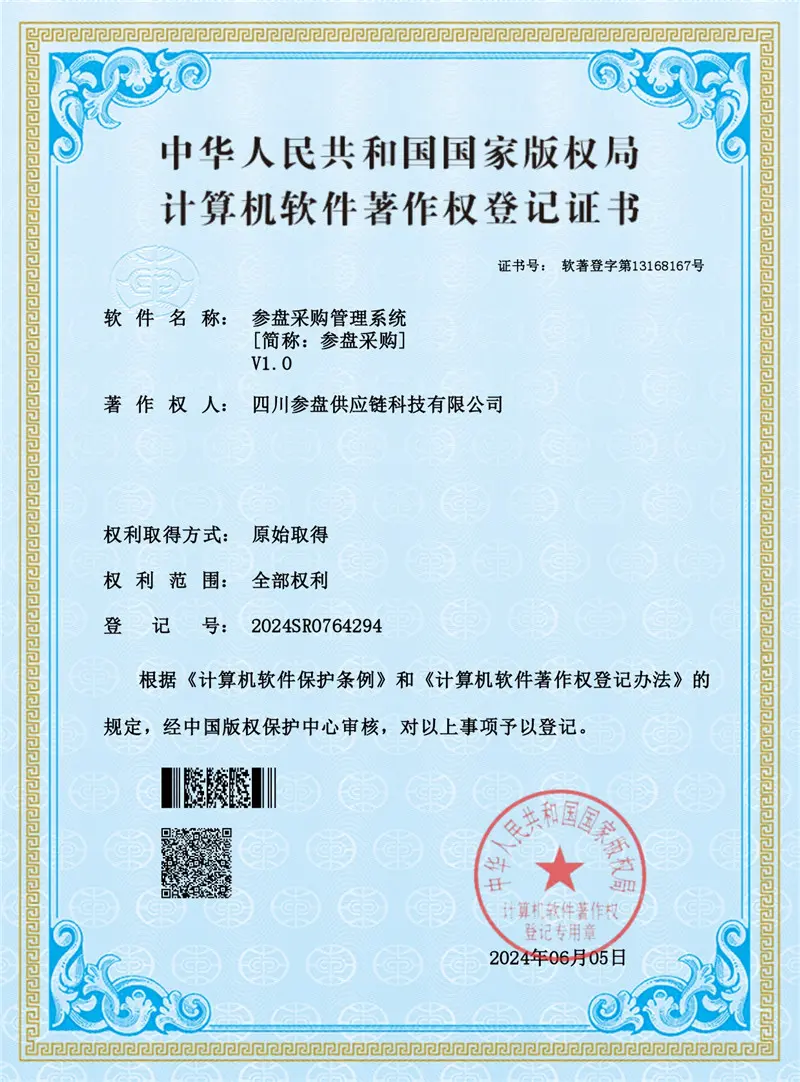
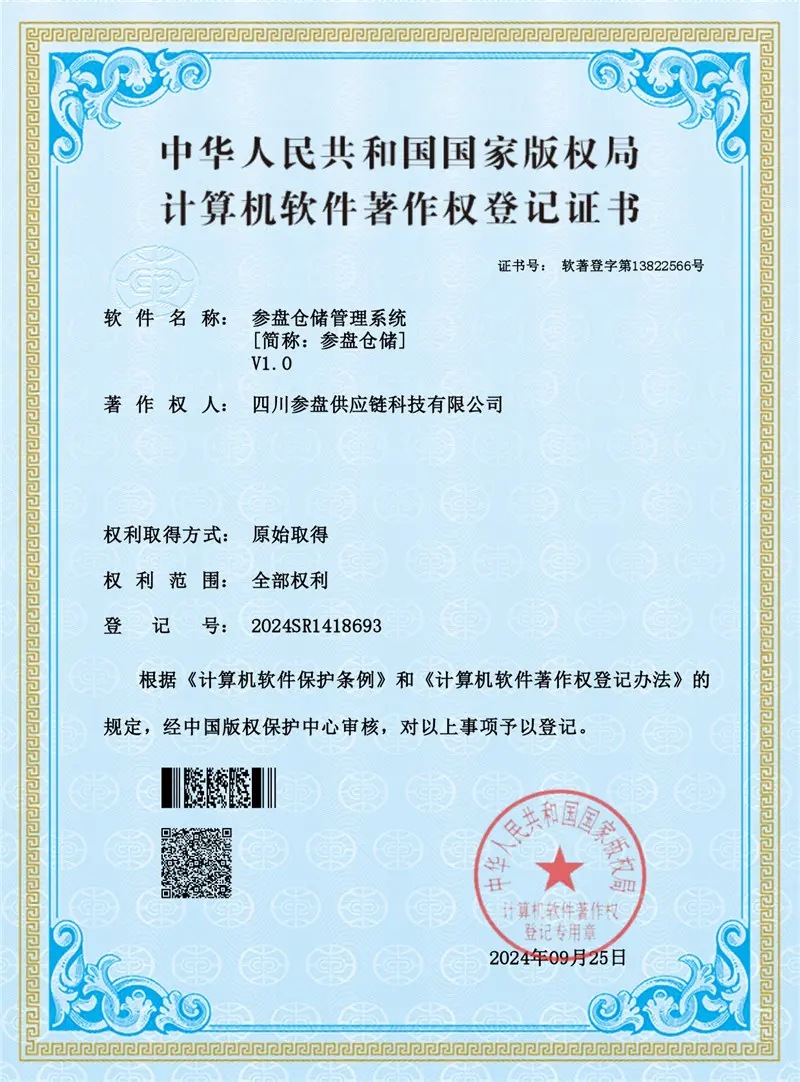
In terms of technology research and development, SCP continues to increase its investment and constantly optimize the product architecture supported by software and hardware and the top-level design of the supply chain control tower.
By strengthening the self-development and integration capabilities of various systems in procurement, sales, and supply, we continuously improve the technical level and competitiveness of our products and services. We build a solid foundation for the sustainable development of enterprises and the industry with leading technologies. At the same time, we actively explore the application of cutting-edge technologies in the supply chain field, promote technological iteration and upgrading, and maintain a leading position in the industry in terms of technology.
In terms of ecological construction, relying on the rich industrial resources and extensive business layout of Caogenziben, SCP deeply explores the supply chain needs of multiple industries such as food consumption and creates solutions that are suitable for actual scenarios.
By empowering key links such as cold chain logistics, we promote the standardized management and efficiency improvement of the supply chain and facilitate the collaborative development of the entire industrial chain. In addition, we actively carry out in-depth cooperation with overseas partners, absorb international advanced experience and technologies, expand the international market, enhance the global influence of the enterprise, and build a supply chain technology ecosystem with international competitiveness.
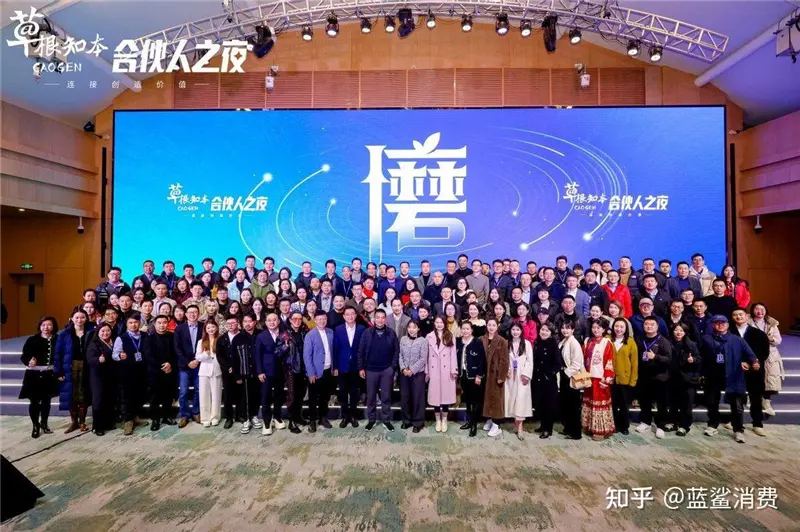
From a long-term development perspective, with the vision of "Leading the technological upgrade of the supply chain and achieving extraordinary value for transformers", SCP integrates the concept of sustainable development into its corporate strategic planning and daily operations.
We not only focus on our own growth and profitability but also look to promote the green, intelligent, and efficient development of the industry. We build a more perfect supply chain collaboration system for future enterprises. While achieving our own sustainable development, we create greater value for society and become a backbone force in promoting the sustainable development of the supply chain technology industry.
For international logistics directors and manufacturing planners, purchasing from a China warehouse robotics solutions manufacturer involves key requirements. Evaluating technical metrics guarantees long-term operational consistency and high ROI:
Ensure your supplier provides AGVs/AMRs that comply with ISO 3691-4 (the global safety standard for driverless industrial trucks) and feature PL-d level safety laser scanners, emergency stop circuits, and active contact bumpers.
SLAM-based forklifts require stable floor parameters. Confirm that floor flatness (FF) and levelness (FL) meet standard warehouse metrics to avoid acceleration issues or fork tilt calibration errors.
Real-time control of AMRs requires continuous, industrial-grade Wi-Fi (supporting fast roaming IEEE 802.11r/k/v standards) or private 5G networks to minimize latency below 50ms during fleet dispatch.
 SCP
SCP