Precision Engineering for High-Throughput Warehouse Intake and Autonomous Cross-Dock Operations
In an era defined by compressed lead times and severe labor shortages, shipping container unloading remains one of the final manual bottlenecks in the global supply chain.
Manual container stripping involves lifting heavy cartons (up to 30kg) in high-temperature, poorly ventilated steel enclosures. This intense physical exertion drives annual employee turnover rates upwards of 80% in distribution hubs, making a strong case for robotic intervention.
Delays in destuffing maritime containers lead directly to costly port demurrage fees. Modern container unloading robots maintain consistent, predictable cycle times, operating 24/7 without fatigue to speed up chassis turnarounds and eliminate non-compliance penalties.
With inbound logistics processing mixed SKU containers containing various box sizes, weights, and deformities, traditional fixed automation is no longer sufficient. Next-generation robotic unloading platforms integrate advanced AI perception systems to parse unstructured loads dynamically.
Deploying a container unloading robot requires combining heavy-duty kinematics, real-time spatial analysis, and dynamic navigation.
At the core of the system is an array of high-resolution 3D Time-of-Flight (ToF) sensors and structured-light cameras. The vision system maps the irregular wall of boxes inside the container, feeding point-cloud data to deep learning neural networks. This allows the AI to determine the exact coordinates, tilt angle, and pick-priority of each carton, even when handling shifts, tilts, or soft packaging during transit.
To handle everything from heavy cardboard boxes to flexible polybags, our robotic manipulators use hybrid gripper systems. These combine vacuum matrices with independent zone control and mechanical under-support fingers, enabling safe extraction of loosely stacked packages without damaging the contents.
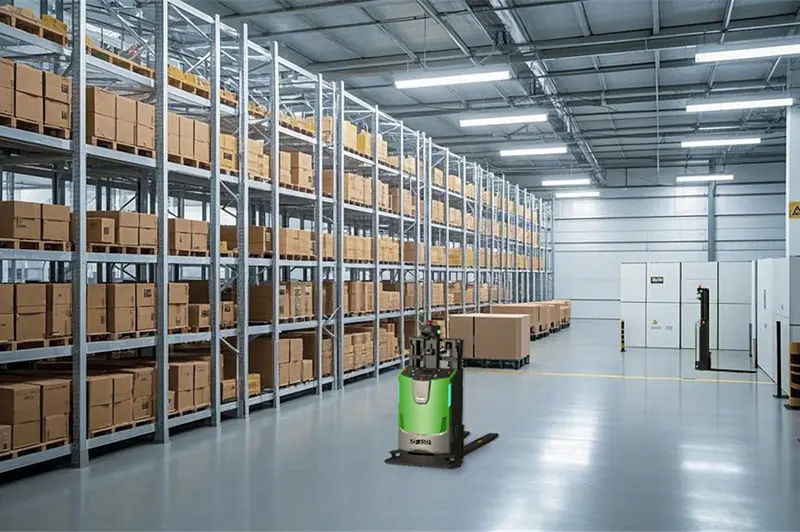
The robotic arm is mounted on a mobile platform that uses Laser SLAM (Simultaneous Localization and Mapping) technology. It navigates directly into the dark, narrow confines of a standard 20ft or 40ft container without requiring floor guides or structural changes to the dock area. The chassis adjusts its position automatically as the arm clears out layers of cargo.
Once picked, the boxes are transferred to an onboard outfeed system linked to a telescopic conveyor. This ensures a smooth flow of materials from the shipping container directly to the warehouse sorting systems, creating a fully automated intake line.
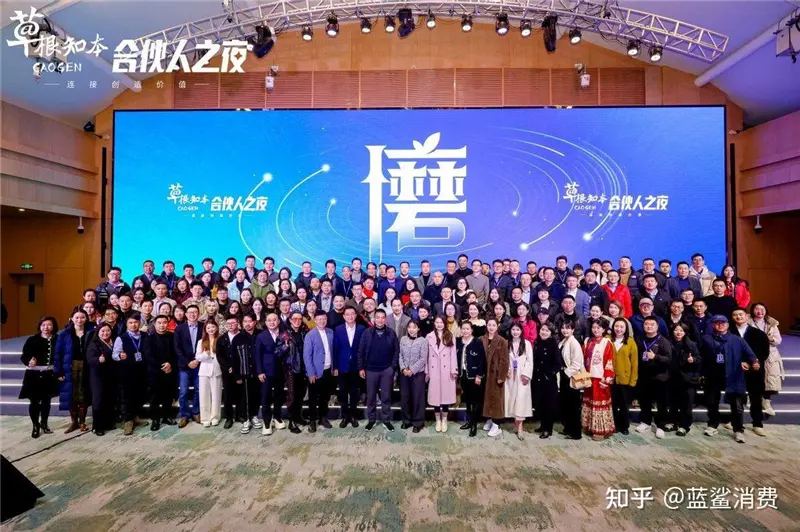
Building the foundational digital and physical infrastructure for agile supply chain networks.
Taking the actual business needs as the cornerstone, SCP is committed to comprehensively innovating and enhancing the overall supply chain planning of enterprises. We provide enterprises with comprehensive end-to-end supply chain solutions, build a multi-role and multi-dimensional intelligent supply chain collaboration system, and achieve all-round efficient collaboration and process optimization.
At present, SCP has established a product architecture supported by software and hardware, and supplemented by the top-level design of the supply chain control tower to create an agile, flexible and efficient end-to-end supply chain system for enterprises.
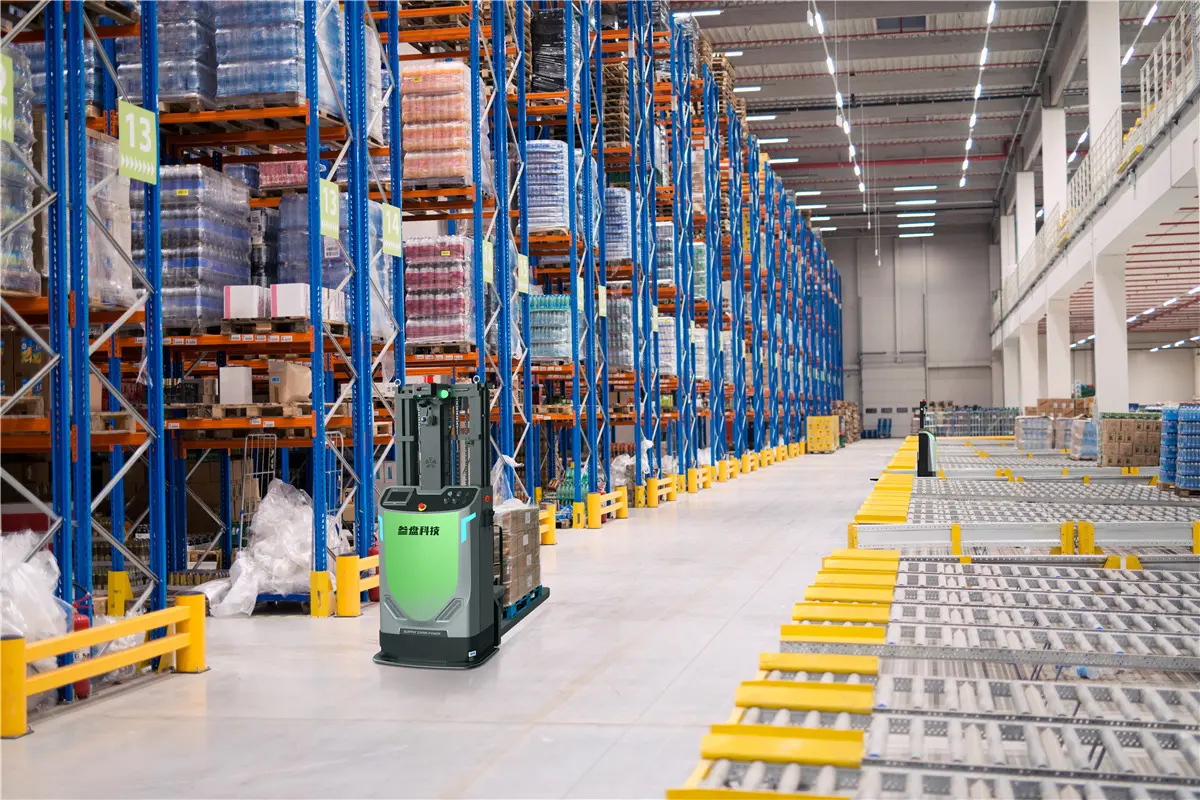
Leveraging industrial heritage and technological expertise to drive supply chain optimization.
Benefiting farmers and bringing welfare to consumers through efficient, automated logistical processes and food safety supply systems.
Leading the technological upgrade of the supply chain and achieving extraordinary value for transformers in automation and robotics.
Alliance of Developers of New Quality Supply Chain Technology, providing robust hardware systems and software intelligence.
As a subsidiary of New Hope Group, we have a good market reputation and execution ability. Moreover, we have an in-depth understanding of multiple industries.
We were incubated based on the digital needs of the business side within the New Hope system, and have participated in many projects of the same type. Therefore, we have a better understanding of the actual business scenarios and demands.
We possess the self-development and integration capabilities for various systems in procurement, sales, and supply. We can well meet the individual needs of different customers.
We provide certain light consulting services alongside projects, covering multiple dimensions such as process optimization and assessment weight, to assist customers in the construction of digital transformation of their supply chains.
We have a professional delivery team for commercial projects. We actively respond to the personalized needs of customers and can ensure fast and high-quality delivery according to customer requirements.
Why choosing a Chinese manufacturer for container unloading robots provides unparalleled cost and technology benefits.
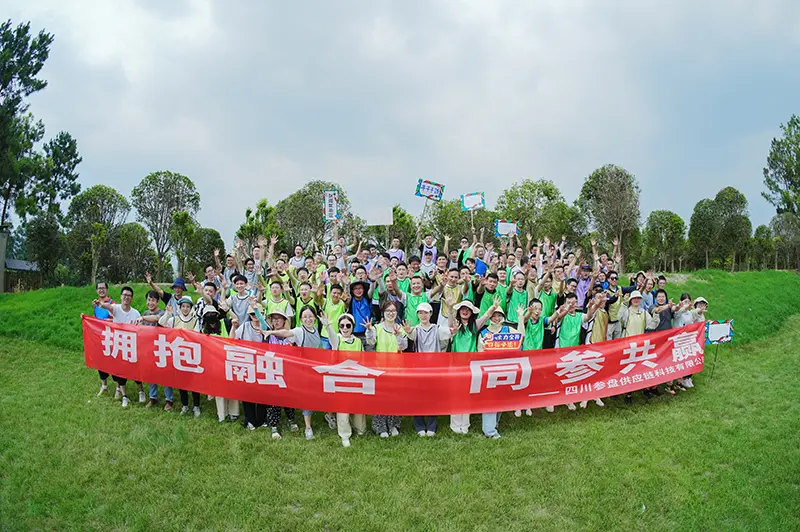
China is home to the world's most dense cluster of industrial component suppliers. From precision planetary gearboxes and harmonic reducers to customized LiDAR systems and industrial camera modules, we source high-quality components within a 100-kilometer radius, drastically reducing manufacturing times.
Our engineering and production lines are closely integrated. Changes to design based on client feedback can be prototyped, tested, and implemented in production within weeks, rather than months, helping you stay ahead of market demands.
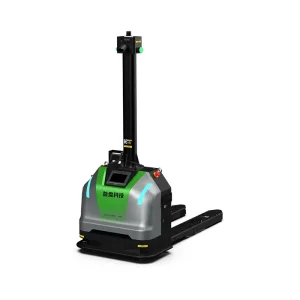
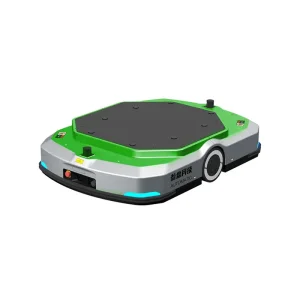
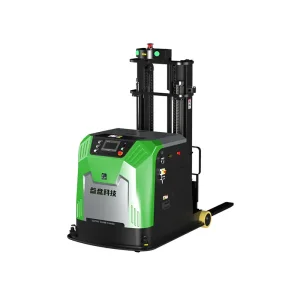
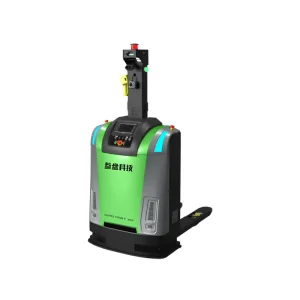
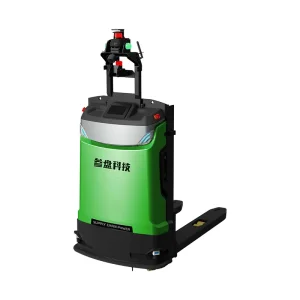
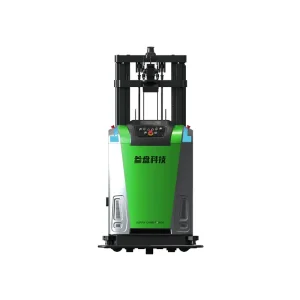
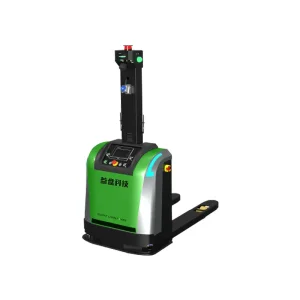
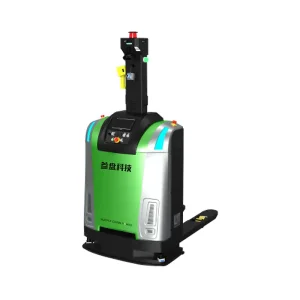
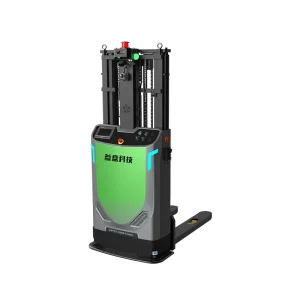
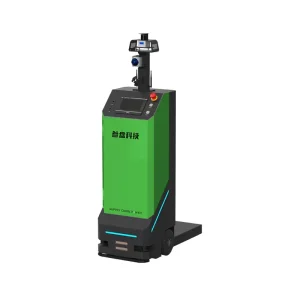
By combining advanced automated assembly with strict quality control processes, we ensure that every mobile robot chassis and smart forklift meets global performance requirements. This delivers high uptime in demanding 24/7 industrial environments.
Balancing technological breakthrough with environmental and ecological responsibility.
In terms of technology research and development, SCP continues to increase its investment and constantly optimize the product architecture supported by software and hardware and the top-level design of the supply chain control tower. By strengthening self-development, we build a solid foundation with leading technologies, promoting industry iteration and upgrading.
Relying on the rich industrial resources and extensive business layout of Caogenziben, SCP deeply explores the supply chain needs of food consumption and cold chain logistics. We standardize management, improve efficiency, and actively collaborate with international partners to expand global reach.
With the vision of "Leading the technological upgrade of the supply chain and achieving extraordinary value for transformers", SCP integrates the concept of sustainable development into daily operations. We focus on green, intelligent, and efficient supply chain networks for the future.
Demonstrated excellence through international standards and tailored industry frameworks.
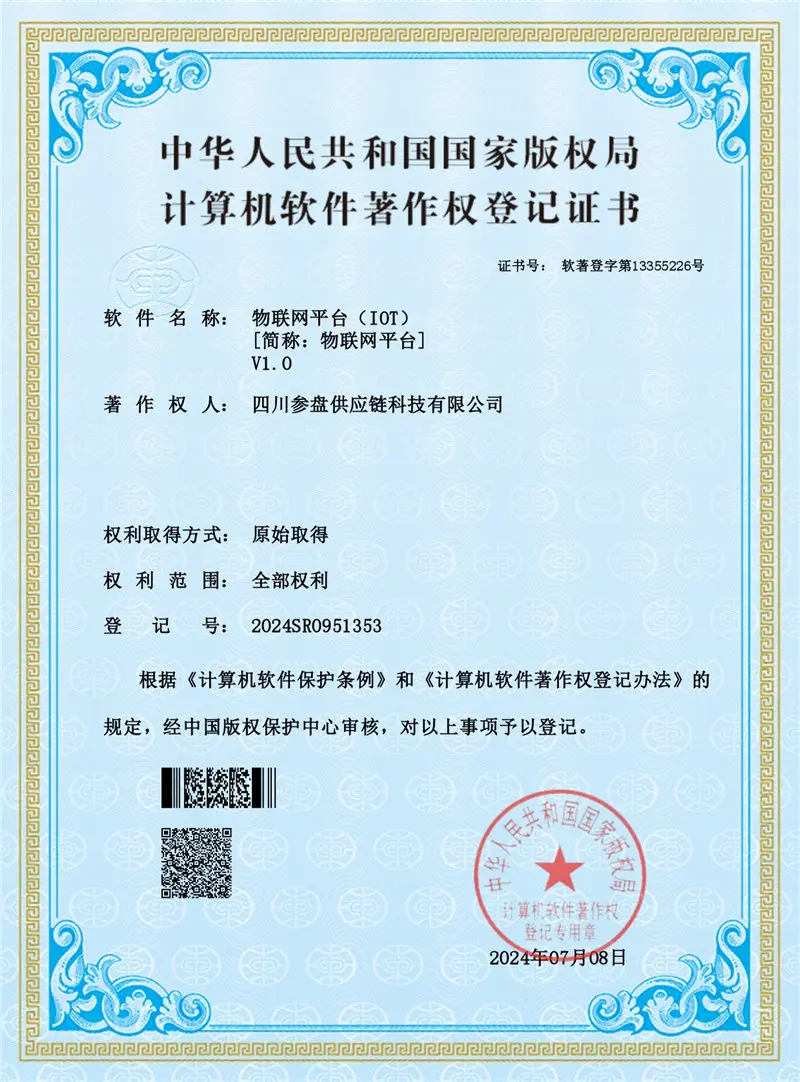
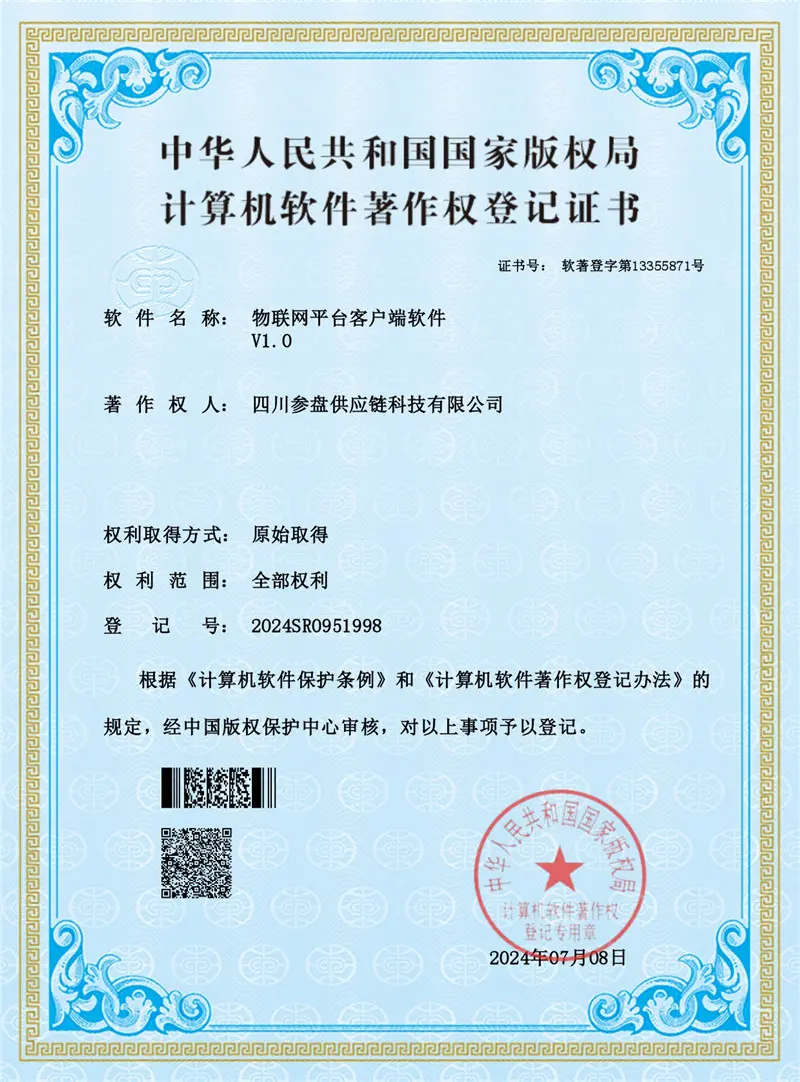
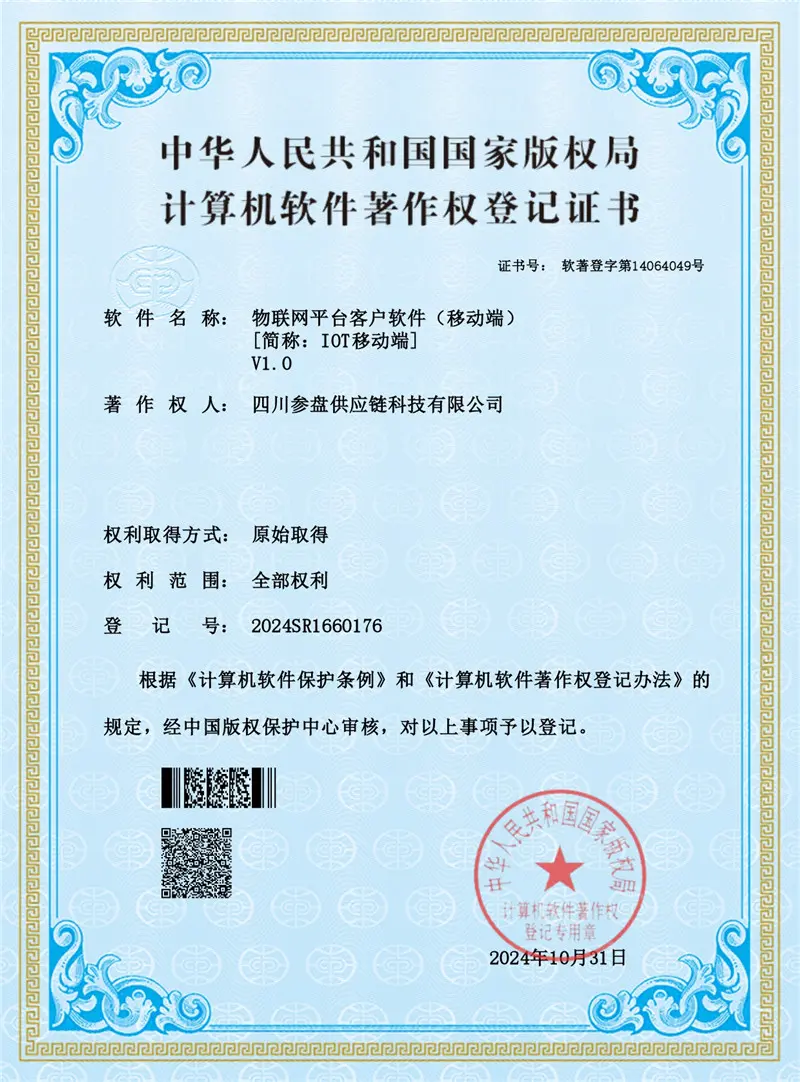
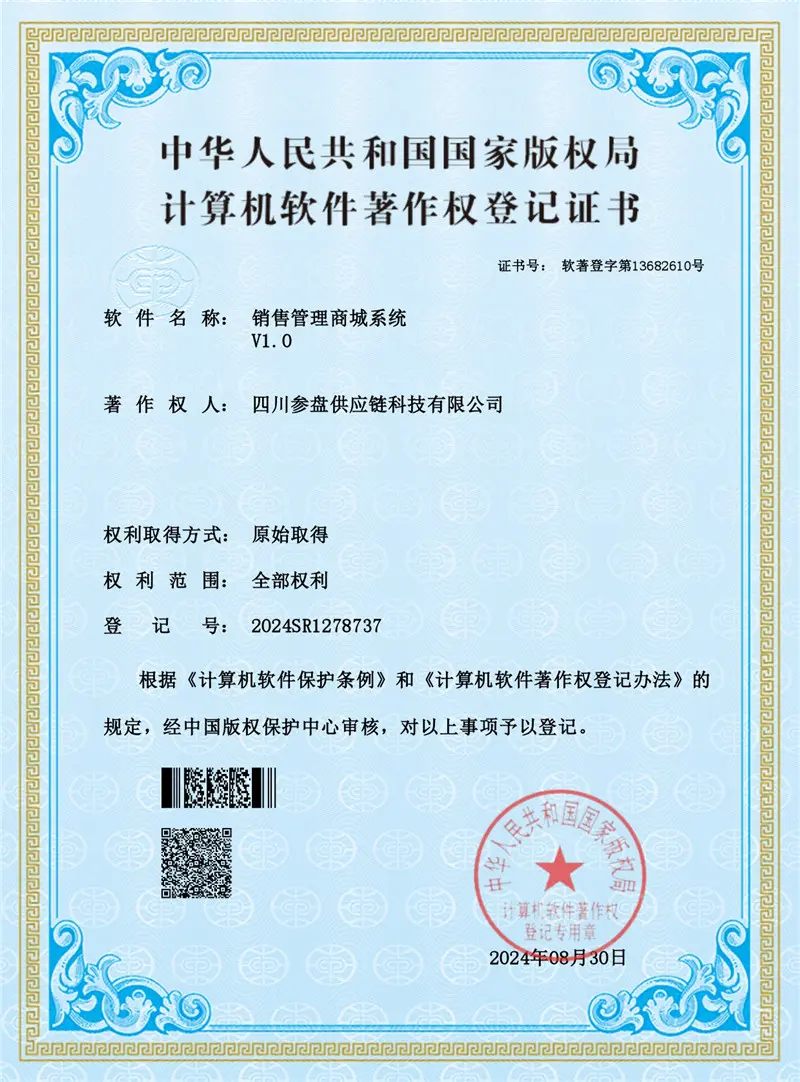
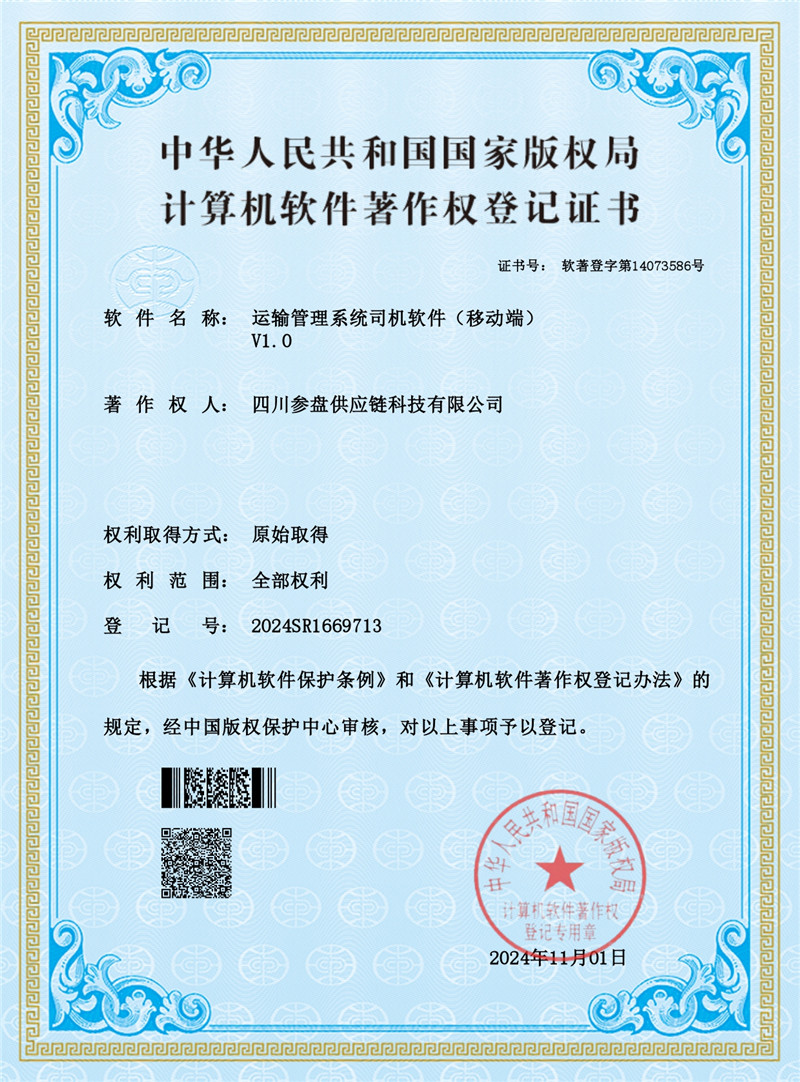
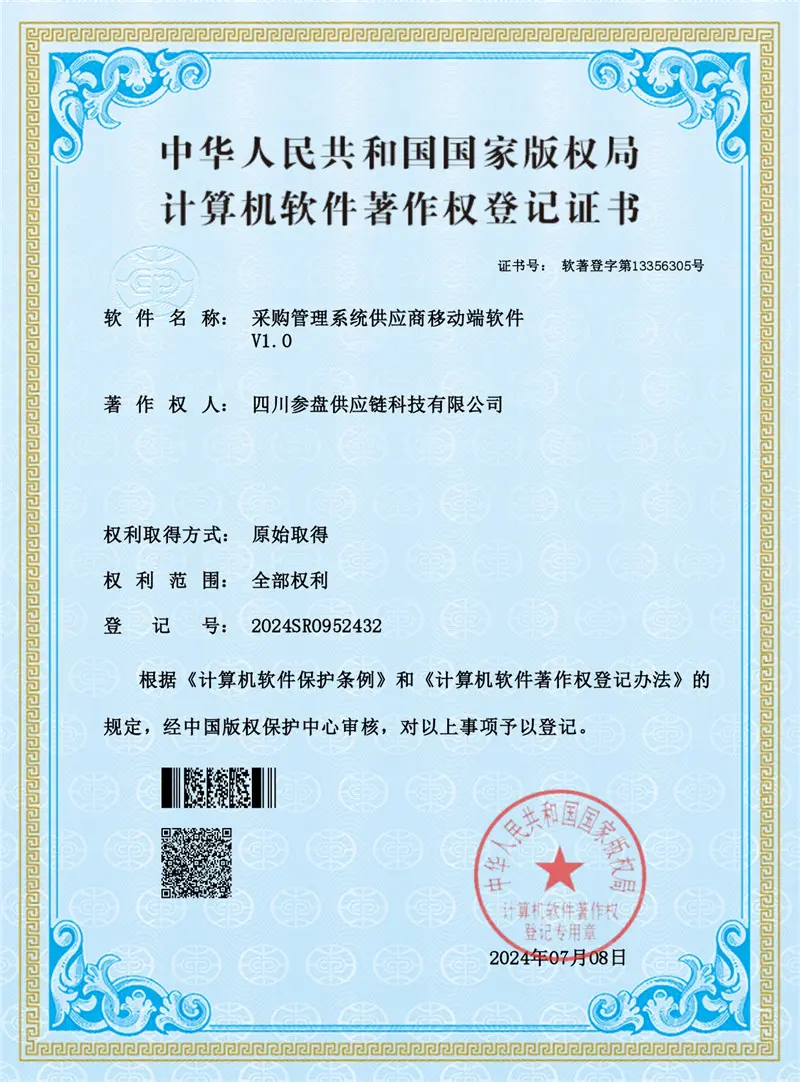
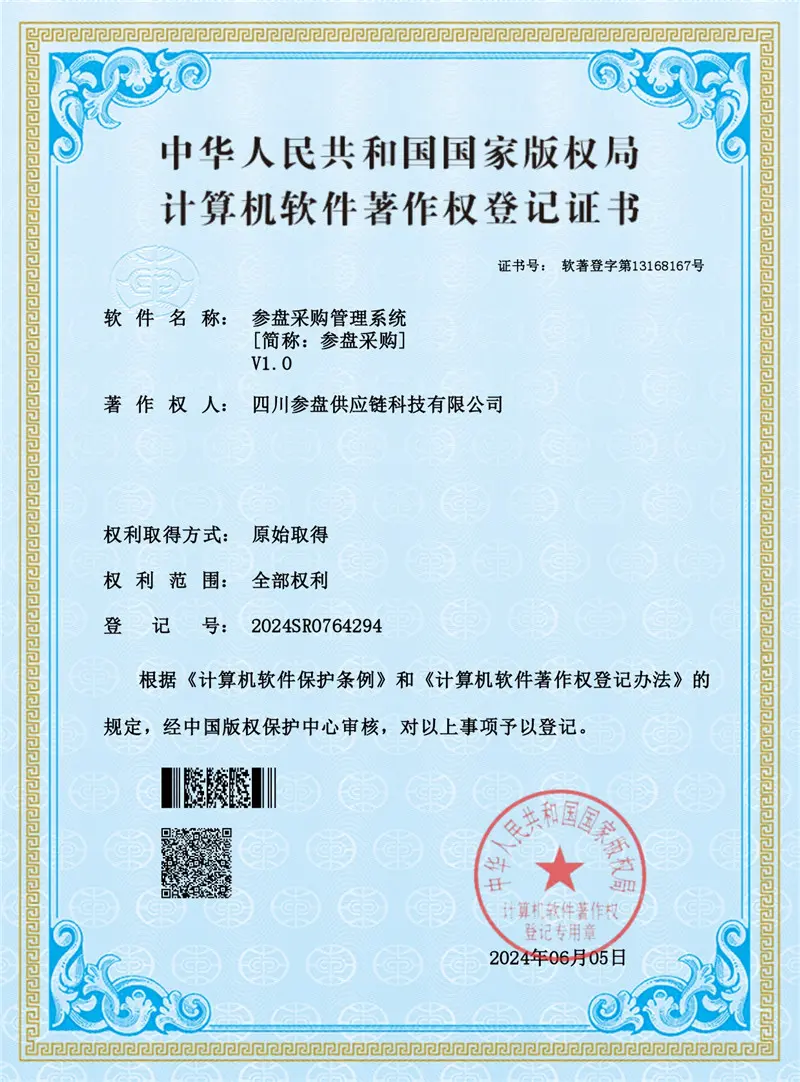
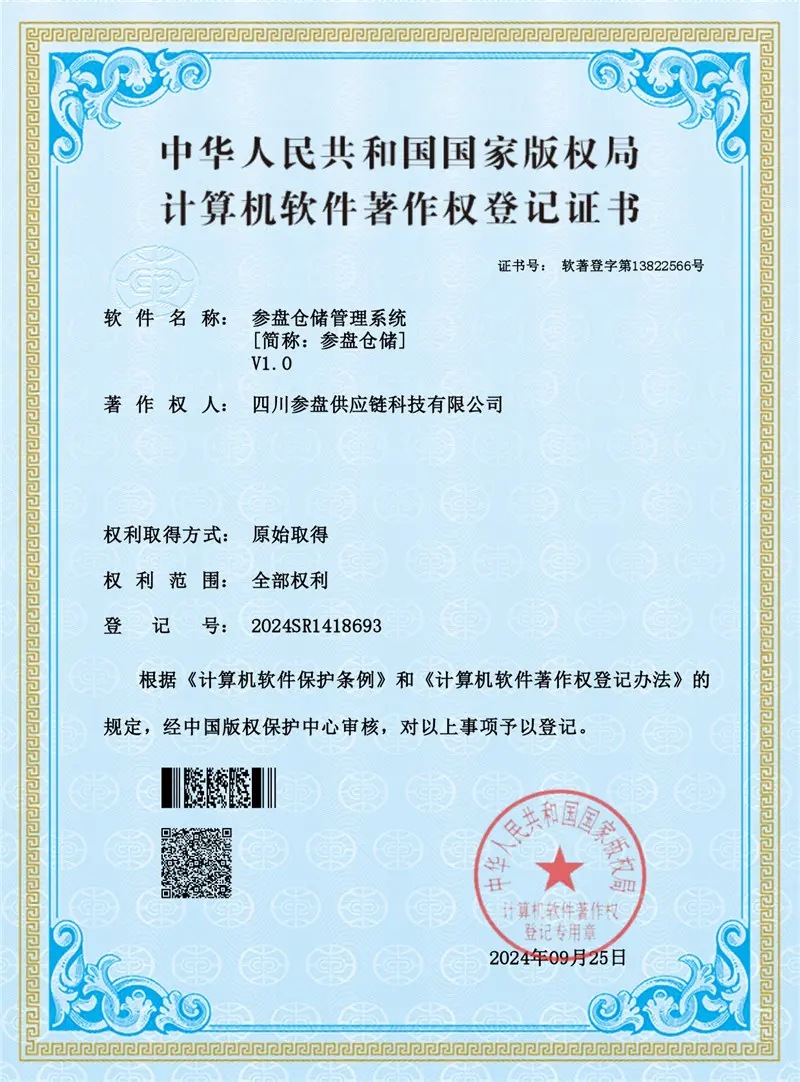
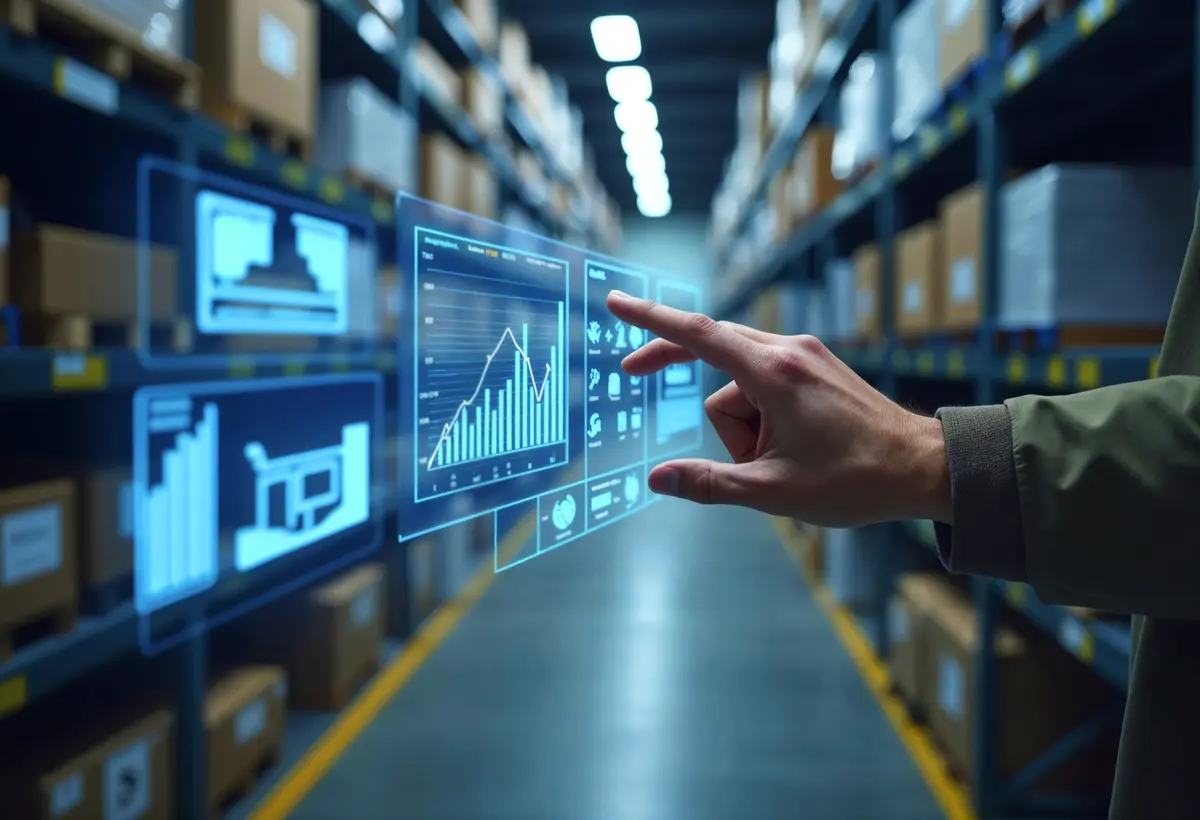
SCP focuses on providing comprehensive solutions for the food supply chain, as well as research and development of intelligent software and hardware products and services.
The company aims to be based on the Internet of Things (IoT), AI, machine learning, intelligent devices and other technologies. Through automated, digitized, intelligent and systematic technology products and solution matrices, we enhance the overall operational efficiency of supply chain procurement, supply, and sales, and help upgrade the value of upstream and downstream industries.
Deploying unloading automation across diverse warehouse conditions requires adapting to specific operational constraints.
Operating in cold storage environments presents challenge for batteries and electronics. Our systems are equipped with heated sensor chambers and low-temperature lubrication. This allows them to destuff frozen foods, dairy products, and fresh meats directly into temperature-controlled cross-docks without compromising performance.
Dealing with high SKU variations and high-speed sorting, our container unloading robots work alongside high-capacity sortation networks. They unload loose cartons directly onto dynamic lanes, helping sorting systems process up to 30,000 packages an hour.
For chemical raw materials packed in bags or barrels, manual handling carries health risks. Our robots use specialized explosion-proof chassis options and heavy-duty mechanical claw attachments to safely move containers filled with agricultural inputs or chemical precursors.
Helping clients globally integrate robotics into existing layouts while ensuring strict compliance with local safety and legal standards.
Our machinery and control platforms are designed to meet strict safety standards, including EU Machinery Directive (CE) certifications, North American UL electrical safety standards, and ANSI/RIA R15.08 industrial mobile robot standards.
Using cloud telemetry, our engineers can diagnose and troubleshoot system issues remotely. For onsite support, we partner with local system integrators globally to ensure fast access to spare parts and minimize unscheduled downtime.
Our automation software connects easily with major Warehouse Management Systems (WMS) and ERP platforms (like SAP, Oracle, and Blue Yonder) via standard RESTful APIs. This ensures smooth data sharing and real-time inventory updates.
Providing technical clarity on performance, integration, and operational safety.
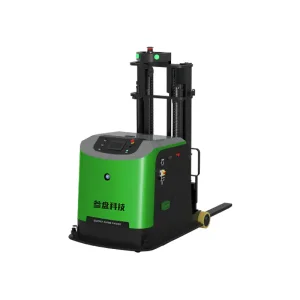
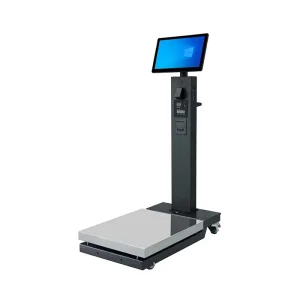
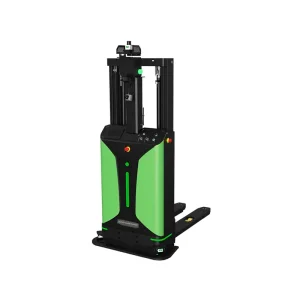
From Smart Heavy-Duty Forklifts to Precision Digital Weighing Stations
 SCP
SCP