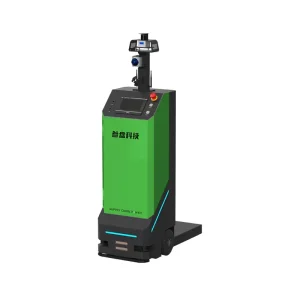
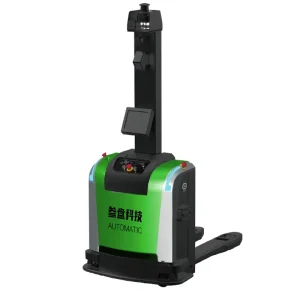
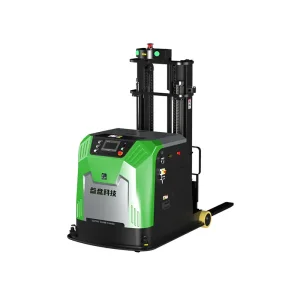
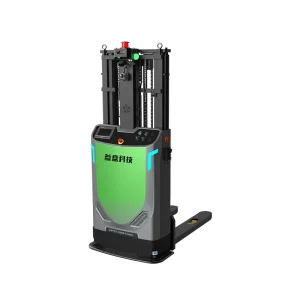
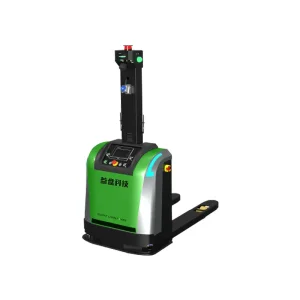
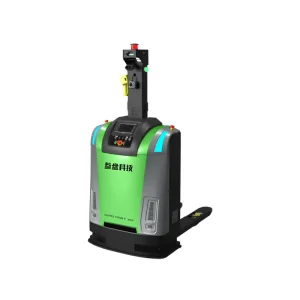
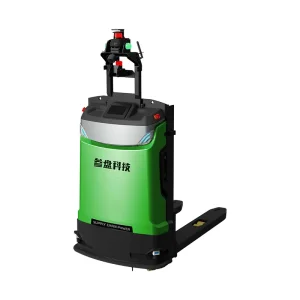
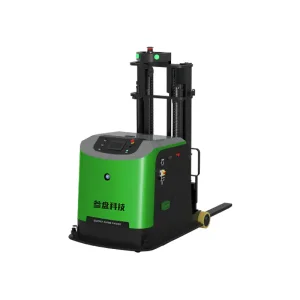
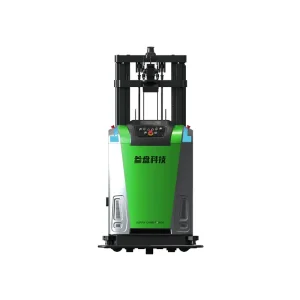
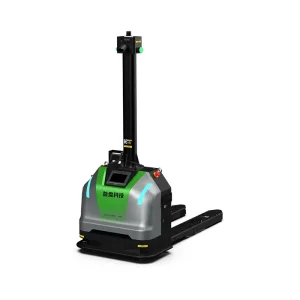
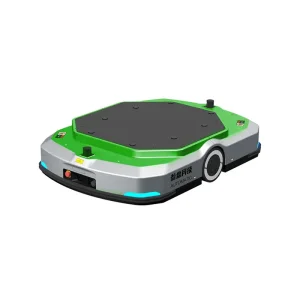
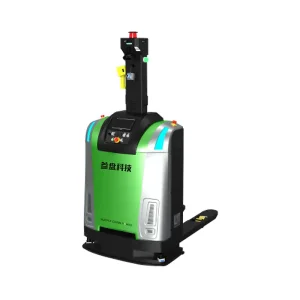
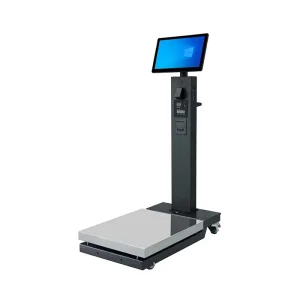
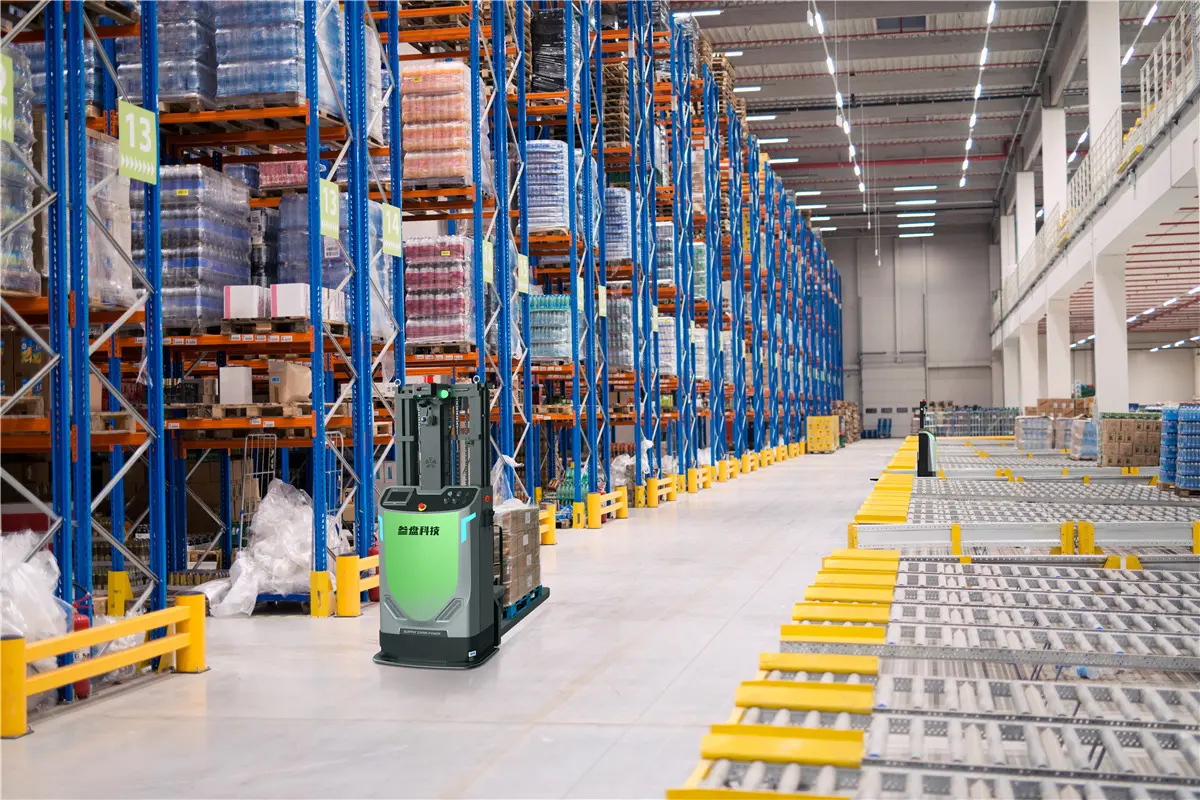
Explore our premium range of Laser SLAM-guided smart forklifts and high-capacity mobile robot chassis engineered with standard-compliant industrial interfaces.
An in-depth analysis of integration standards, cross-fleet protocols, and the hardware-software synergies driving next-generation materials handling.
As modern logistics and smart factory architectures undergo rapid digital transformations, Automated Guided Vehicles (AGVs) and Autonomous Mobile Robots (AMRs) have evolved from standalone automated machines into deeply integrated, collaborative mobile assets. The core driver behind this transition is the **AGV Interface**. The AGV interface serves as the critical communication channel and interoperability framework that bridges physical transport robots with high-level software environments, including Warehouse Management Systems (WMS), Warehouse Control Systems (WCS), Manufacturing Execution Systems (MES), and Enterprise Resource Planning (ERP) networks.
Historically, proprietary closed systems caused heavy operational friction: procurement managers were locked into single-vendor AGV ecosystems because mixing robot brands meant dealing with incompatible interfaces. Today, the global manufacturing paradigm mandates standardized, open-architecture interfaces. Standards such as the European VDA 5050 protocol, OPC UA (Open Platform Communications Unified Architecture), Modbus, and custom APIs have revolutionized fleet orchestration. By decoupling the underlying vehicle hardware from the coordinating software, factories can achieve unprecedented layout agility and investment optimization.
A resilient AGV interface is not merely a single connection point but a multi-tiered architecture that spans hardware components and software layers:
Product Architecture of SCP
Driving technological innovation with key missions and values
Benefiting farmers and bringing welfare to consumers through optimized logistics, cold chain enhancements, and high-efficiency material transport systems.
Leading the technological upgrade of the supply chain and achieving extraordinary value for industry transformers worldwide.
Serving as the definitive Alliance of Developers of New Quality Supply Chain Technology, providing robust hardware-software interoperability.
Combining industrial heritage with rapid digital development to deliver top-tier automated guidance solutions
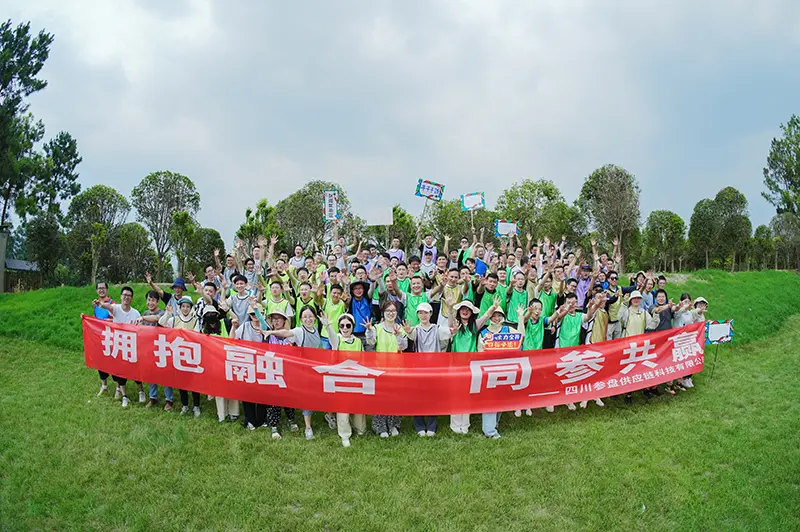
As a subsidiary of New Hope Group, we have a good market reputation and execution ability. Moreover, we have an in-depth understanding of multiple industries.
We were incubated based on the digital needs of the business side within the New Hope system, and have participated in many projects of the same type. Therefore, we have a better understanding of the actual business scenarios and demands.
We possess the self-development and integration capabilities for various systems in procurement, sales, and supply. We can well meet the individual needs of different customers.
We provide certain light consulting services alongside projects, covering multiple dimensions such as process optimization and assessment weight, to assist customers in the construction of digital transformation of their supply chains.
We have a professional delivery team for commercial projects. We actively respond to the personalized needs of customers and can ensure fast and high-quality delivery according to customer requirements.
Understanding the competitive edge of the Chinese robotic ecosystem in terms of engineering velocity, integration depth, and supply chain maturity.
Global procurement teams looking to deploy AGV and AMR fleets increasingly look to China. The reason lies not just in manufacturing scale, but in the highly clustered engineering ecosystem that has developed around the Yangtze and Pearl River Deltas. China AGV interface manufacturers and factories provide distinct competitive advantages that address modern industrial challenges:
While Western vendors often require extensive lead times for hardware modifications, Chinese manufacturers can modify physical interface dimensions, sensor layouts, and communication protocols within weeks. This agility allows factory operators to integrate unique mechanical attachments seamlessly.
Chinese factories are uniquely positioned to offer holistic integration. They build both the mechanical steering chassis and the embedded navigation software. By mastering both ends, they optimize the low-level firmware interfaces, minimizing latency and maximizing positional accuracy during dockings.
By leveraging local components, specialized micro-controllers, and standardized lithium-battery interfaces, Chinese factories drastically reduce the cost per node. This makes large-scale multi-vehicle fleet deployment financially viable for mid-sized enterprises.
The automated guided vehicle landscape is evolving rapidly, driven by three key technological shifts:
Our commitment to tech research, ecological construction, and long-term industrial upgrade
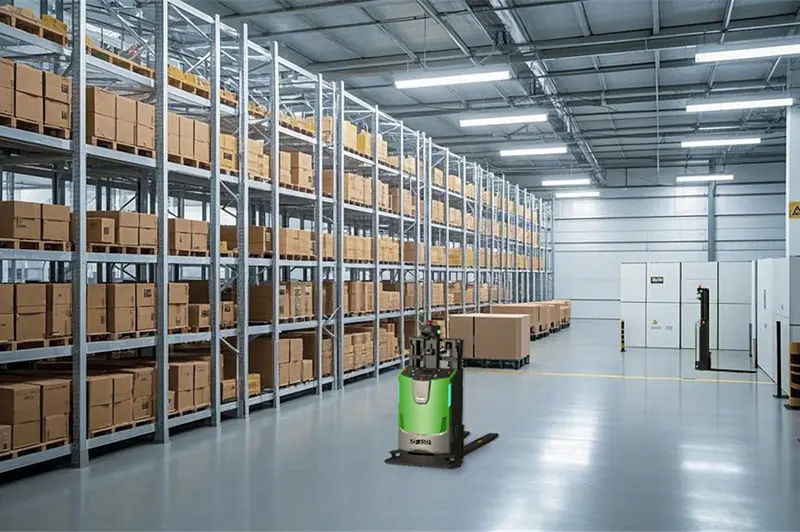
In terms of technology research and development, SCP continues to increase its investment and constantly optimize the product architecture supported by software and hardware and the top-level design of the supply chain control tower.
By strengthening the self-development and integration capabilities of various systems in procurement, sales, and supply, we continuously improve the technical level and competitiveness of our products and services. We build a solid foundation for the sustainable development of enterprises and the industry with leading technologies.
At the same time, we actively explore the application of cutting-edge technologies in the supply chain field, promote technological iteration and upgrading, and maintain a leading position in the industry in terms of technology.
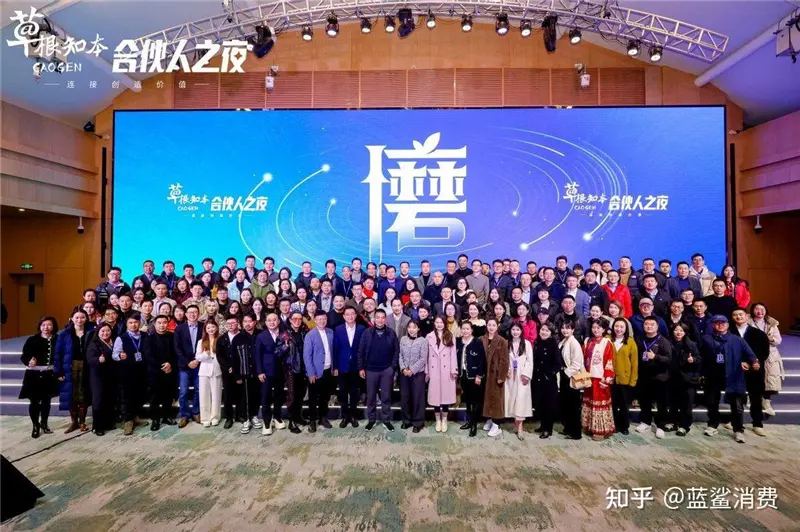
In terms of ecological construction, relying on the rich industrial resources and extensive business layout of Caogenziben, SCP deeply explores the supply chain needs of multiple industries such as food consumption and creates solutions that are suitable for actual scenarios.
By empowering key links such as cold chain logistics, we promote the standardized management and efficiency improvement of the supply chain and facilitate the collaborative development of the entire industrial chain.
In addition, we actively carry out in-depth cooperation with overseas partners, absorb international advanced experience and technologies, expand the international market, enhance the global influence of the enterprise, and build a supply chain technology ecosystem with international competitiveness.
From a long-term development perspective, with the vision of "Leading the technological upgrade of the supply chain and achieving extraordinary value for transformers", SCP integrates the concept of sustainable development into its corporate strategic planning and daily operations.
We not only focus on our own growth and profitability but also look to promote the green, intelligent, and efficient development of the industry. We build a more perfect supply chain collaboration system for future enterprises.
While achieving our own sustainable development, we create greater value for society and become a backbone force in promoting the sustainable development of the supply chain technology industry.
Demonstrating global compliance, engineering rigor, and structural quality standards
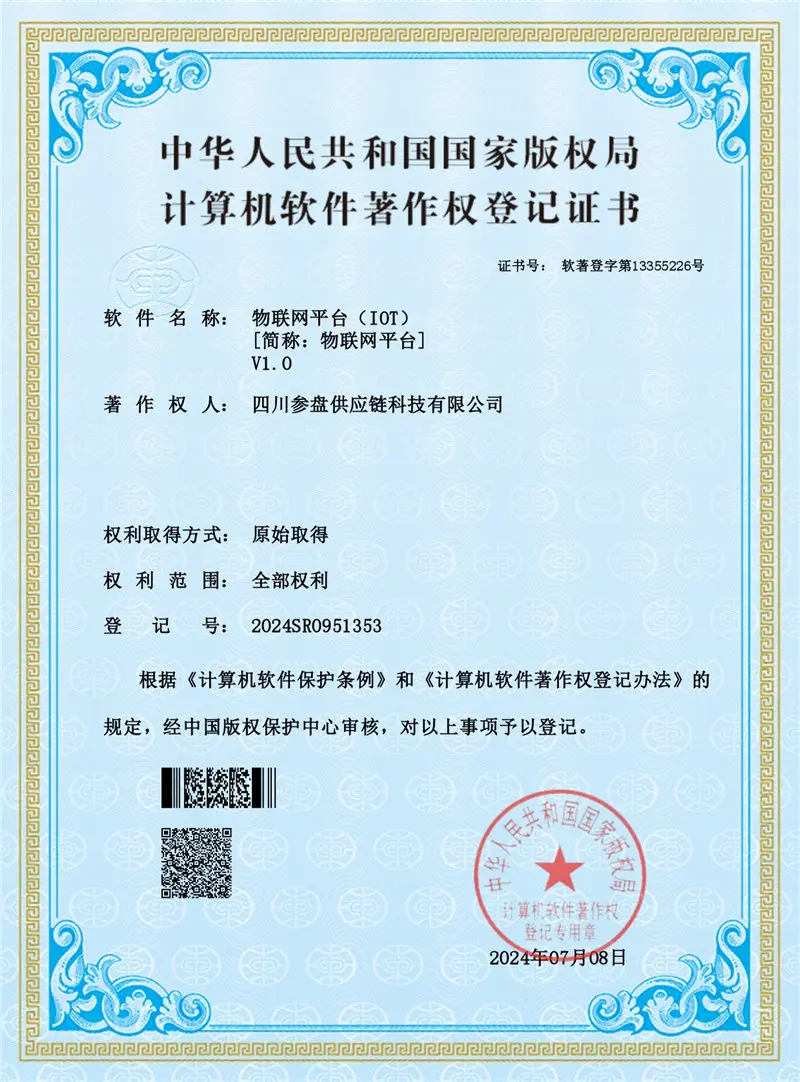
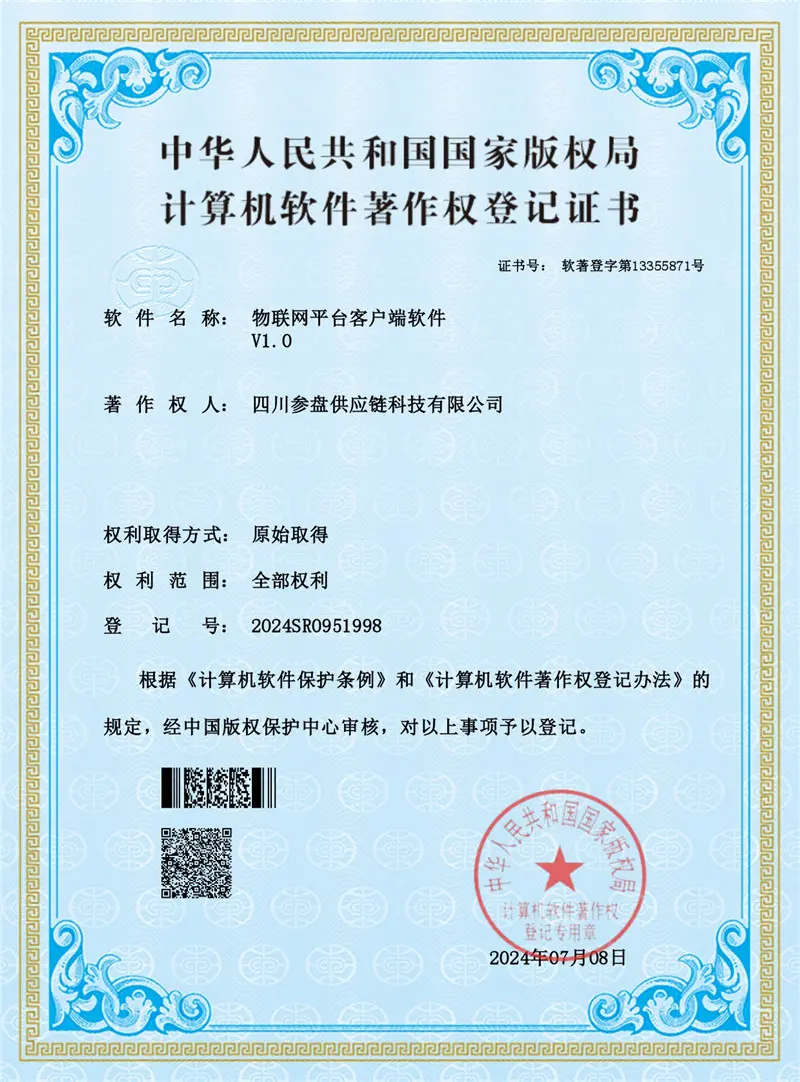
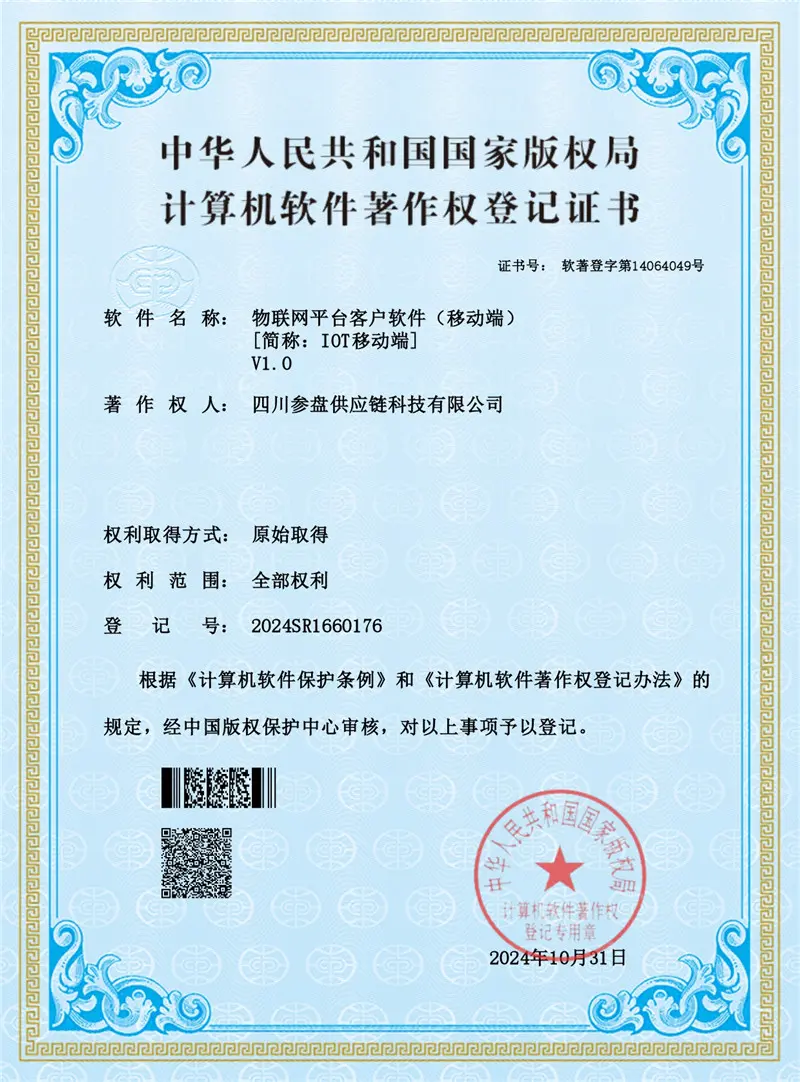
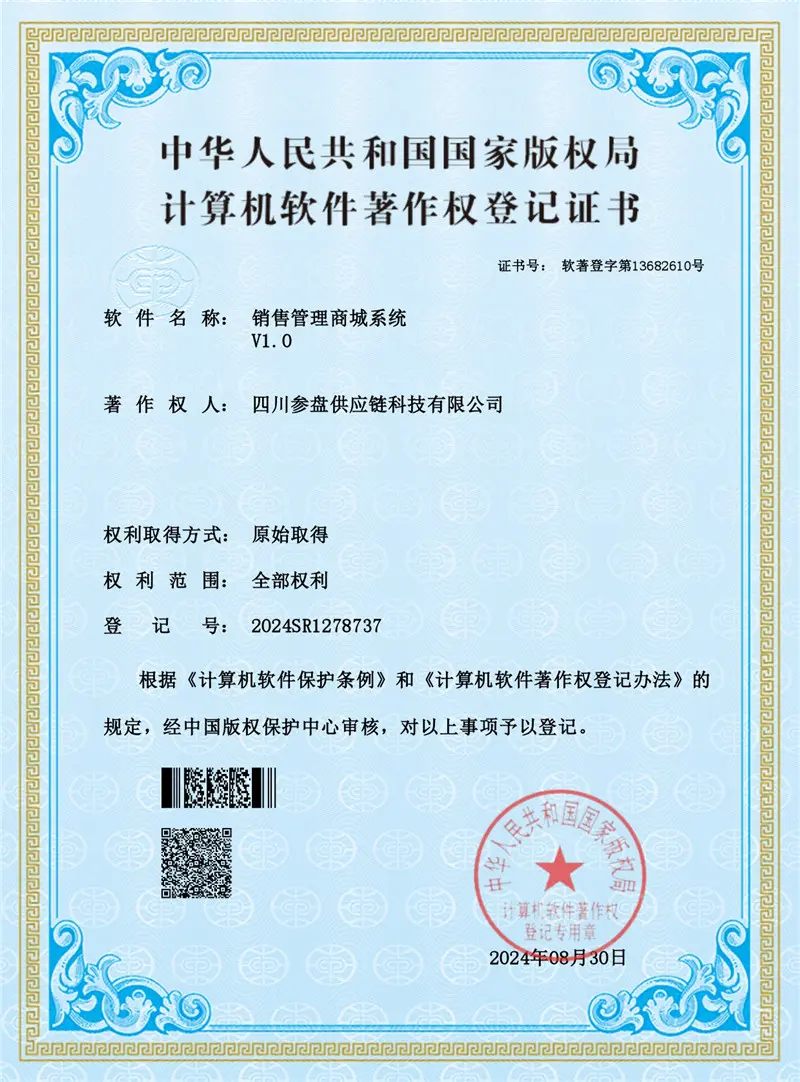
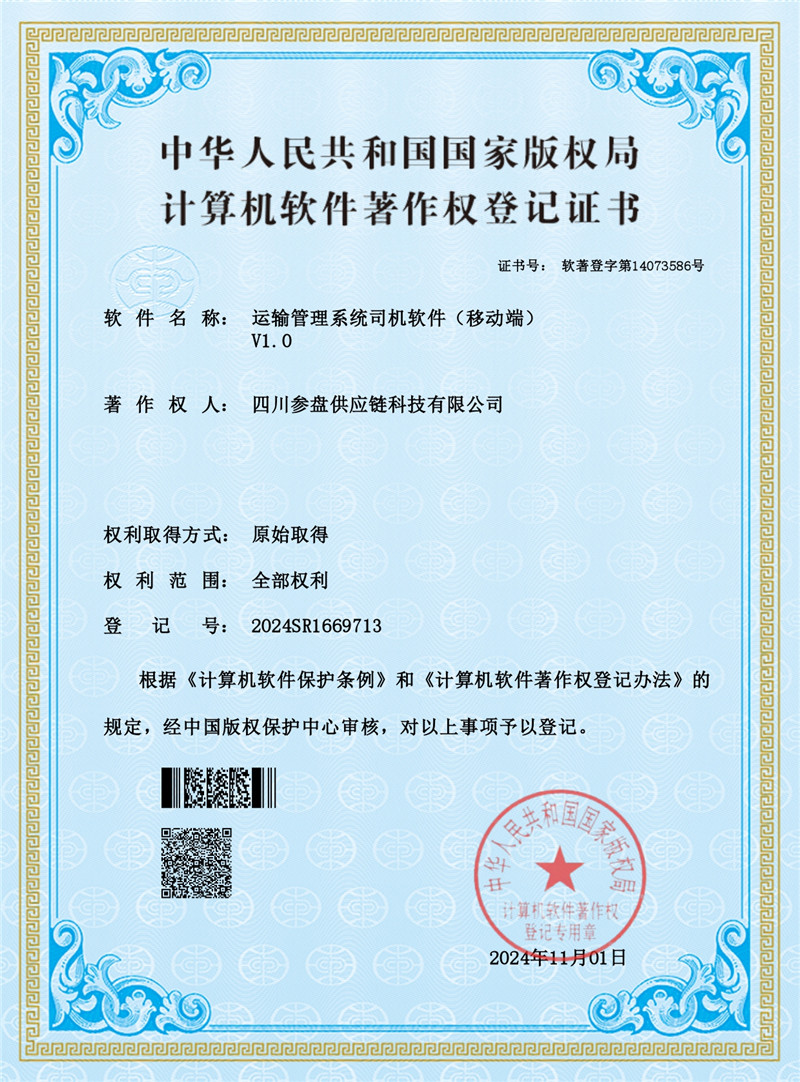
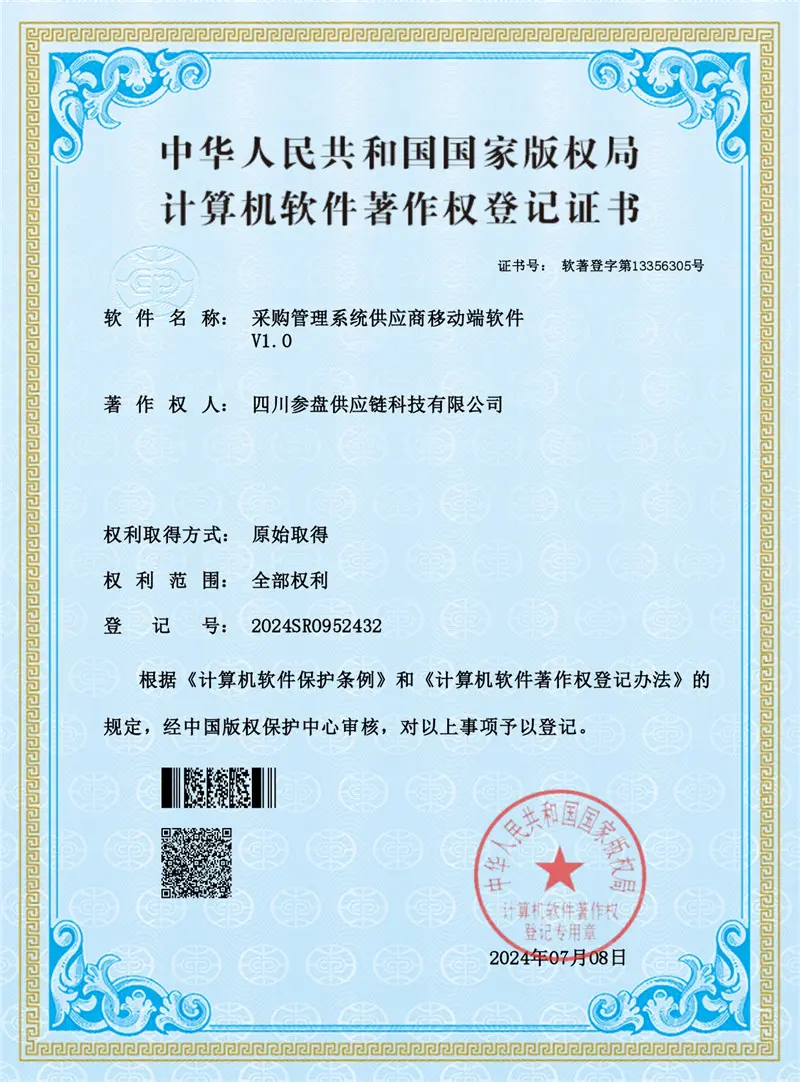
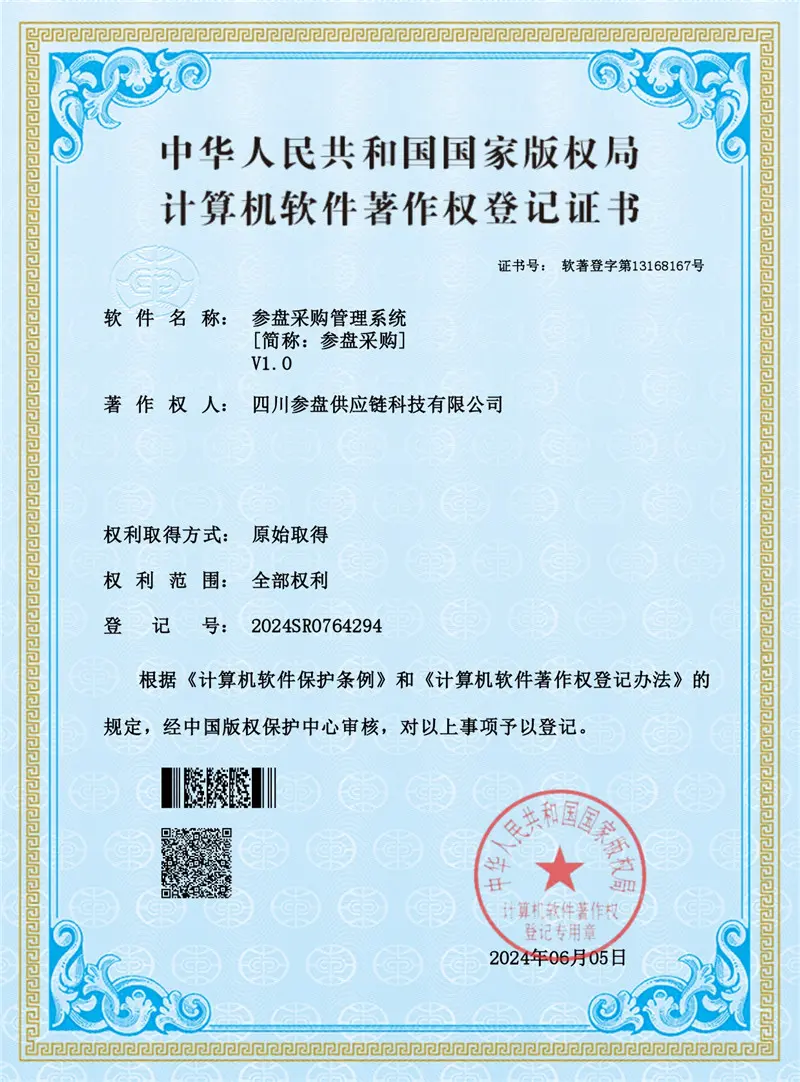
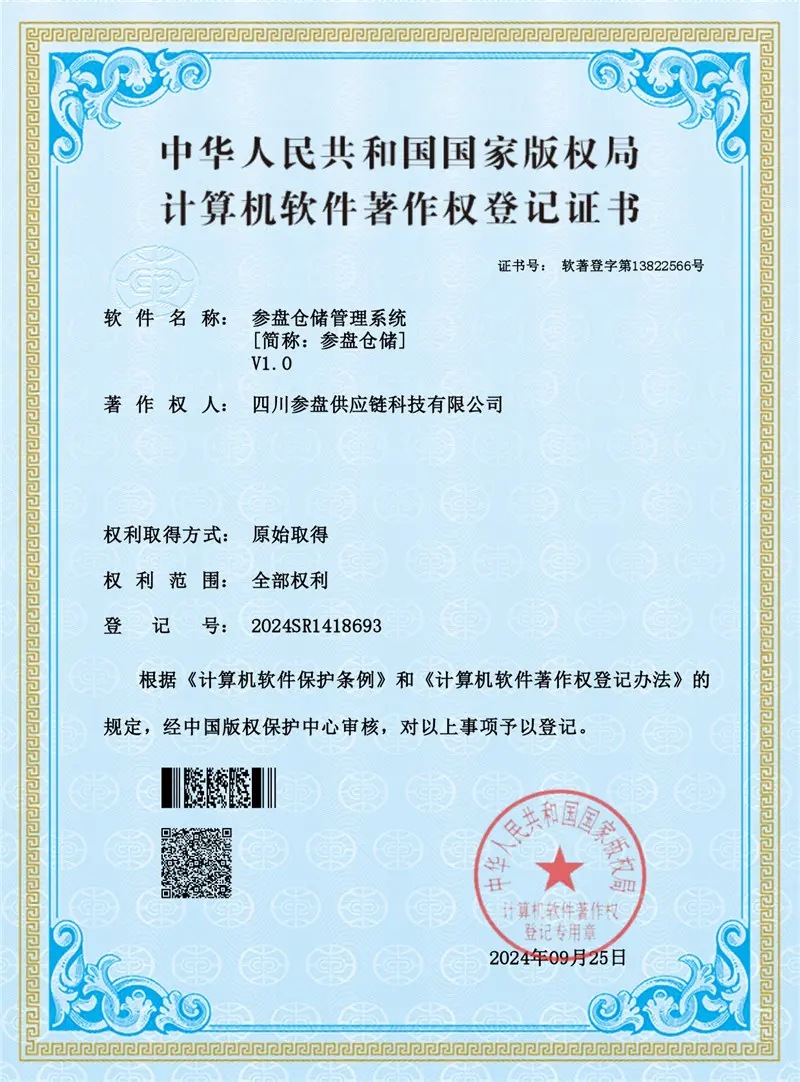
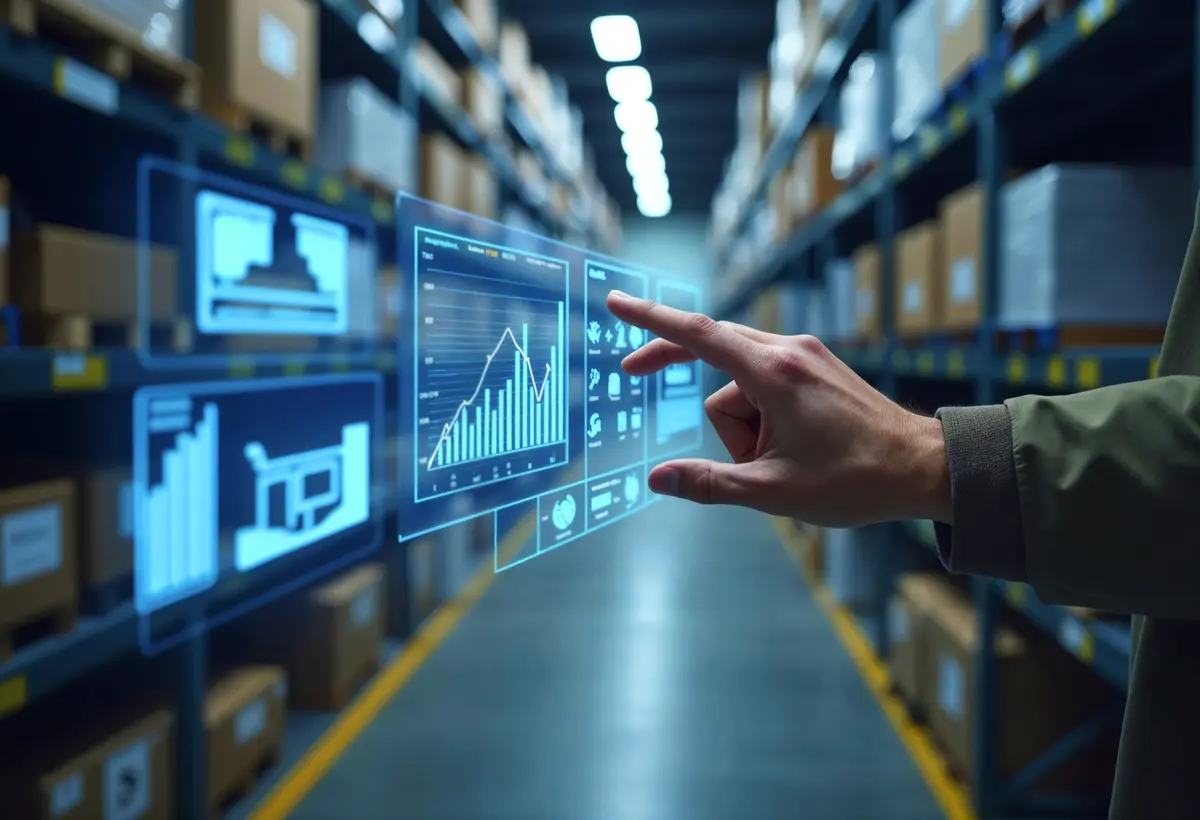
Integrating artificial intelligence, IoT sensors, and high-performance automated interfaces to streamline complex logistics
SCP focuses on providing comprehensive solutions for the food supply chain, as well as research and development of intelligent software and hardware products and services. The company aims to be based on the Internet of Things AI, the comprehensive application of machine learning, intelligent devices and other technologies, through automated, digitized, intelligent and systematic technology products and solution matrices, enhances the overall operational efficiency of supply chain procurement/supply/sales, and helps upgrade the value of upstream and downstream industries.
Find answers to common integration questions regarding AGV/AMR interfaces, software customization, and deployment safety.
Most reputable factories support industry-standard protocols including VDA 5050, Modbus TCP/RTU, OPC UA, and Ethernet/IP, alongside RESTful web APIs and ROS/ROS2 nodes for easy fleet integration.
Yes. By utilizing VDA 5050 compliant AGV interfaces, multi-vendor fleets can receive instructions from the same centralized fleet management system, preventing operational silos.
Physical interfaces route critical signals through certified Safety PLCs (supporting ISO 13849 PLd/PLe ratings), and software interfaces continuously feed safety zone configuration changes based on vehicle speed and payload status.
Our solutions primarily leverage advanced Laser SLAM (Simultaneous Localization and Mapping) combined with secondary sensor fusion (IMU, wheel odometry, and optional 3D camera visual checkpoints) for precision docking within millimeter tolerances.
Explore high-capacity mobile platforms and smart balance forklifts featuring integrated industrial communication protocols.
 SCP
SCP