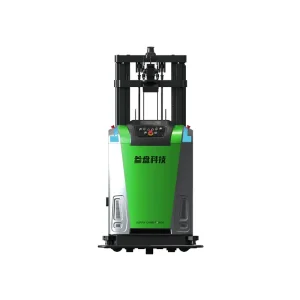
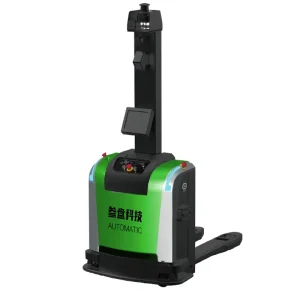
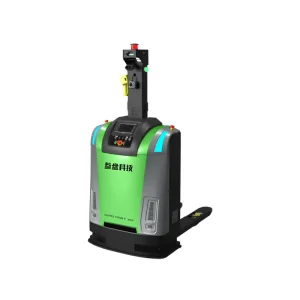
Deploying autonomous workhorses built to withstand high duty cycles, extreme payloads, and precision indoor tracking requirements.
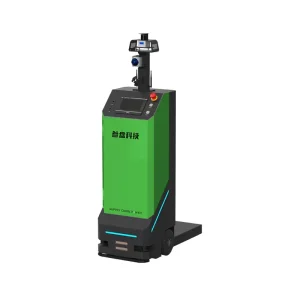
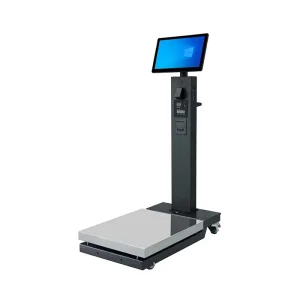
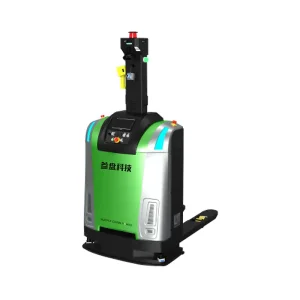
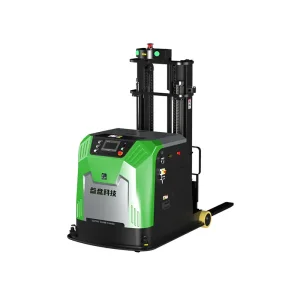
Taking actual business needs as the cornerstone, SCP is committed to comprehensively innovating and enhancing the overall supply chain planning of enterprises. We provide enterprises with comprehensive end-to-end supply chain solutions, build a multi-role and multi-dimensional intelligent supply chain collaboration system, and achieve all-round efficient collaboration and process optimization.
At present, SCP has established a product architecture supported by software and hardware, and supplemented by the top-level design of the supply chain control tower to create an agile, flexible and efficient end-to-end supply chain system for enterprises.
By marrying industrial autonomous hardware (AMRs, AGVs, smart forklifts) with advanced software intelligence (WMS, WCS, FMS), SCP acts as a master integrator, turning chaotic warehouse floor environments into highly predictable, synchronized throughput streams.
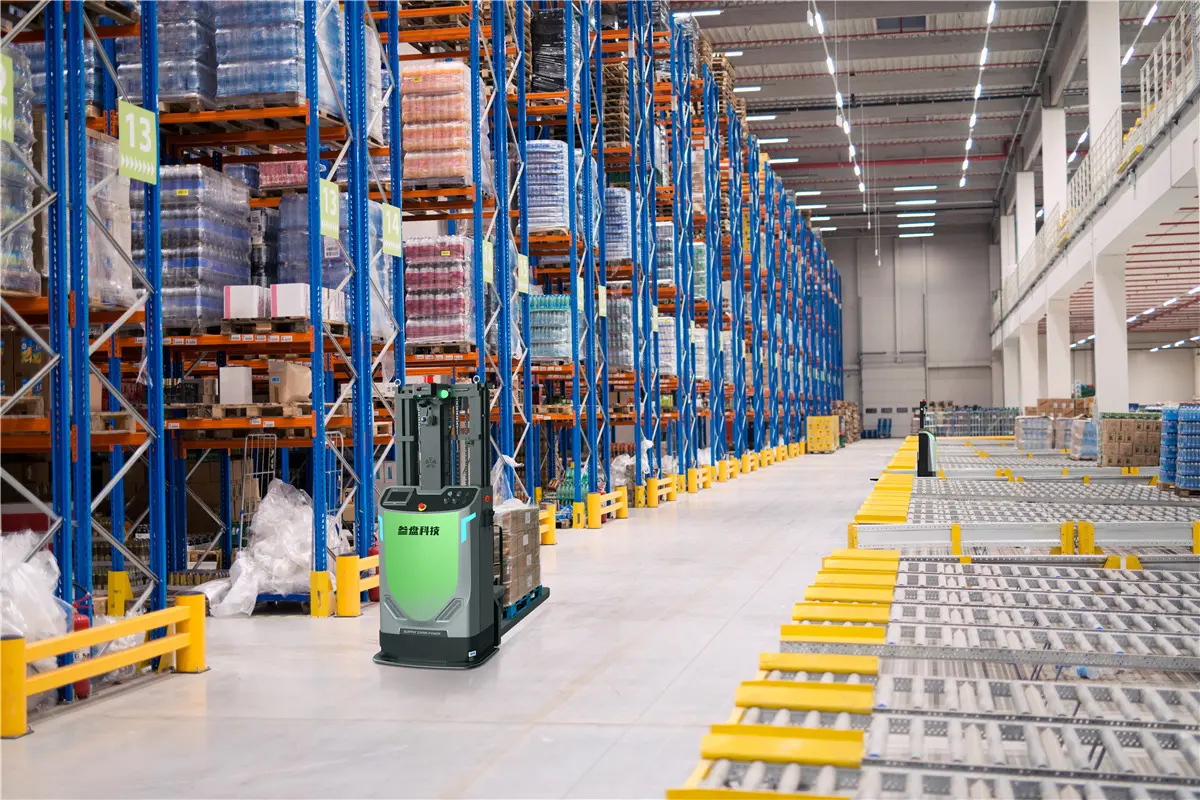
How we leverage technology, structural capabilities, and strategic ecosystem alliances to drive value.
Benefiting farmers and bringing welfare to consumers. We anchor our tech deployments in the real economy, driving efficiencies in primary production, cold-chain logistics, and food processing to deliver quality globally.
Leading the technological upgrade of the supply chain and achieving extraordinary value for transformers. Enabling legacy enterprises to seamlessly transit into automated, AI-driven operations.
Alliance of Developers of New Quality Supply Chain Technology. We act as the technical glue, binding hardware manufacturing capability with enterprise software architecture for seamless field deployment.
Why leading industrial brands trust SCP to engineer, deliver, and optimize their physical operations.
As a subsidiary of New Hope Group, we possess an established market reputation and exceptional execution capabilities. Our in-depth domain knowledge spans multiple industrial and food supply chains globally.
Incubated specifically out of the direct digital operational needs of the New Hope system, we have deployed and run dozens of complex, multi-site robot orchestration and automation projects, ensuring practical usability.
We own the full intellectual property stack for our procurement, manufacturing, warehousing, and logistics orchestration systems. This modular approach allows customized adjustments without vendor lock-in.
We provide specialized consulting services in parallel with project implementation. We systematically map processes, identify operational bottlenecks, and restructure system weights for rapid transformation.
Our project management offices (PMO) feature seasoned field-engineering experts. We guarantee short deployment timelines, rapid custom commissioning, and local commissioning support globally.
We integrate robot hardware directly with legacy scale indicators (such as the SCP100 & SCP101 floor scale system), IoT sensors, conveyor structures, and enterprise ERP networks.
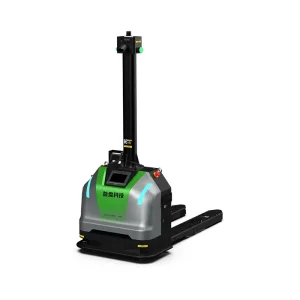
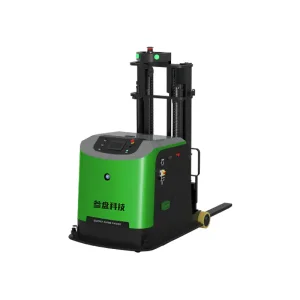
At the center of our robotics portfolio lies advanced Laser SLAM (Simultaneous Localization and Mapping) technology. Unlike traditional AGVs requiring magnetic tape or physical reflectors, our smart forklifts and chassis map environments dynamically using 2D/3D LiDAR sensor fusion, wheel odometry, and inertial measurements (IMU).
Integration of multi-channel LiDAR arrays with vision sensors (RGB-D) to support high-speed obstacle avoidance, mapping accuracy of ±10mm, and active deceleration curves.
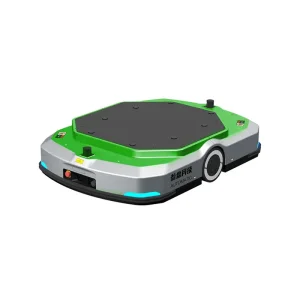
Real-time vehicle-to-everything (V2X) routing algorithms. Central control of up to 500 individual AMRs (e.g. AMB-CSW10-BH) on a single localized server cluster, with sub-second path re-planning.
Applying machine learning algorithms to predict traffic congestion points in warehouses, auto-calibrating acceleration according to current payloads (from 300kg to 3000kg dynamically).
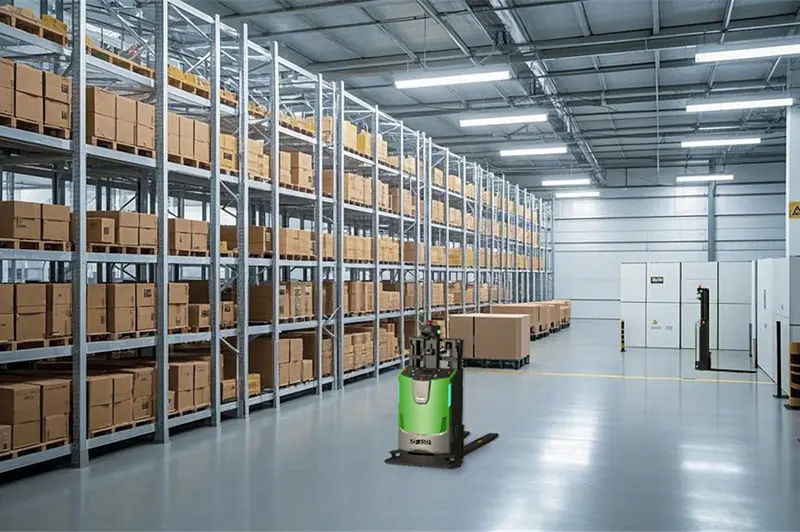
We keep increasing research investment in the architectural link between our hardware control units and our supply chain control tower. The results are high-accuracy payload diagnostics and robust battery charge curves.
Ensuring reliability and social responsibility through structured technology investments and industrial integration.
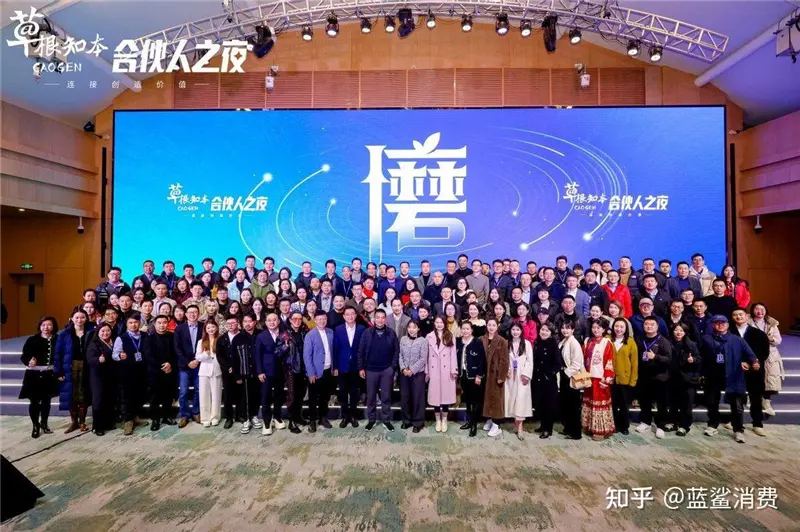
Relying on the industrial resources and extensive business layout of Caogenziben, SCP deeply explores the supply chain needs of multiple industries such as food consumption, processing, and cold storage logistics. We develop specialized hardware and software configurations designed for low-temperature environments, sub-zero battery survival, and cleanroom sanitization routines.
By empowering key links such as cold chain logistics, we promote standardized management and efficiency improvements across the supply chain, facilitating the collaborative development of the entire industrial chain.
With the vision of "Leading the technological upgrade of the supply chain and achieving extraordinary value for transformers", SCP integrates the concept of sustainable development into its corporate strategic planning and daily operations.
We do not only focus on growth and profitability; we also work to promote green, intelligent, and low-power industrial development. Through smart power scheduling, regenerative braking on forklift operations, and optimal layout logic, we help our partners minimize carbon footprints while increasing throughput.
Our China-based factory infrastructure ensures continuous parts availability, component integration, and robust manufacturing standards.
Operating out of major industrial hubs, our manufacturing facilities ensure complete vertical integration. We procure raw components, manufacture high-durability chassis frames, wind electric motors, and assemble printed circuit boards (PCBs) in-house. This shields our clients from external supply shocks, reduces lead times for highly customized AMRs, and ensures that critical spares are always in stock.
| Performance Metric | Standard AMR Chassis | Laser SLAM Smart Forklifts |
|---|---|---|
| Payload Ranges | 300kg - 1000kg (AMB-CSW10) | 1400kg - 3000kg (SFL-CBD30) |
| Navigation Accuracy | ±10 mm | ±10 mm to ±15 mm |
| Battery Run Time | Up to 8 Hours (Continuous) | Up to 6-8 Hours (Fast Charging) |
| Safety Systems | Obstacle LIDAR + Bumper Strip | 360° LIDAR + Dual Safety PLCs |
Every piece of robotics hardware that leaves our facility is built to international standards, complying with machinery safety regulations, electromagnetic compatibility standards, and environmental directives.
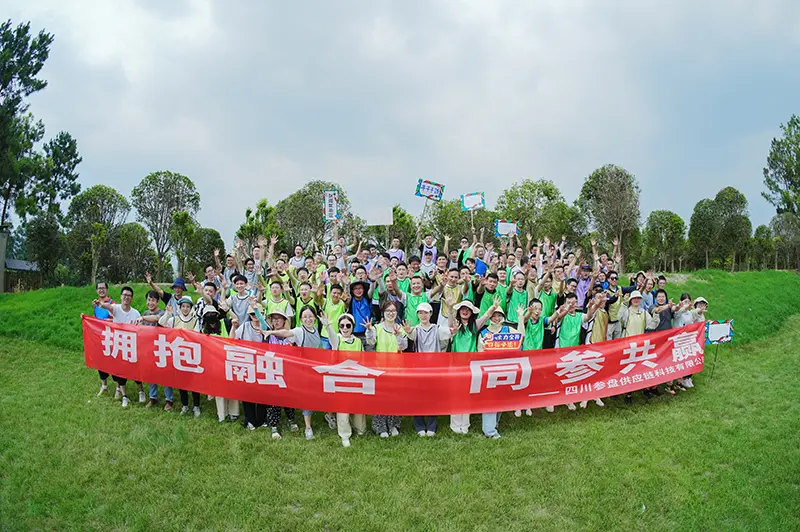
Adhering to strict international standards for safety, design precision, and operational reliability.
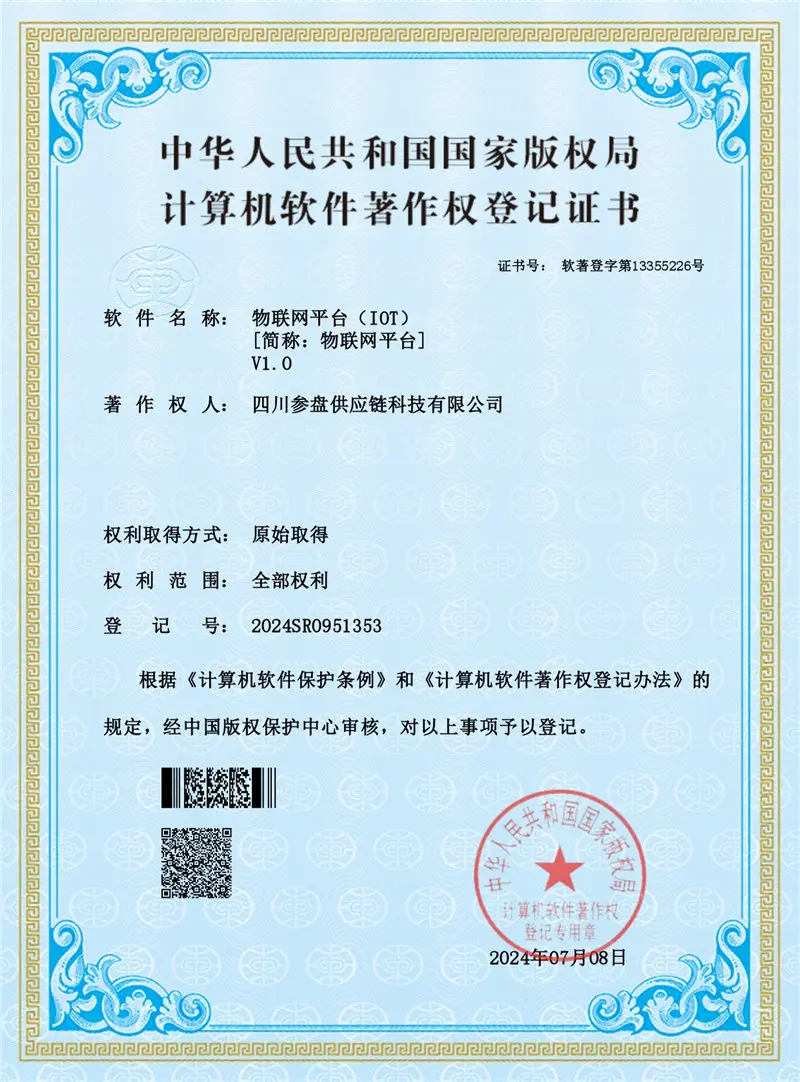
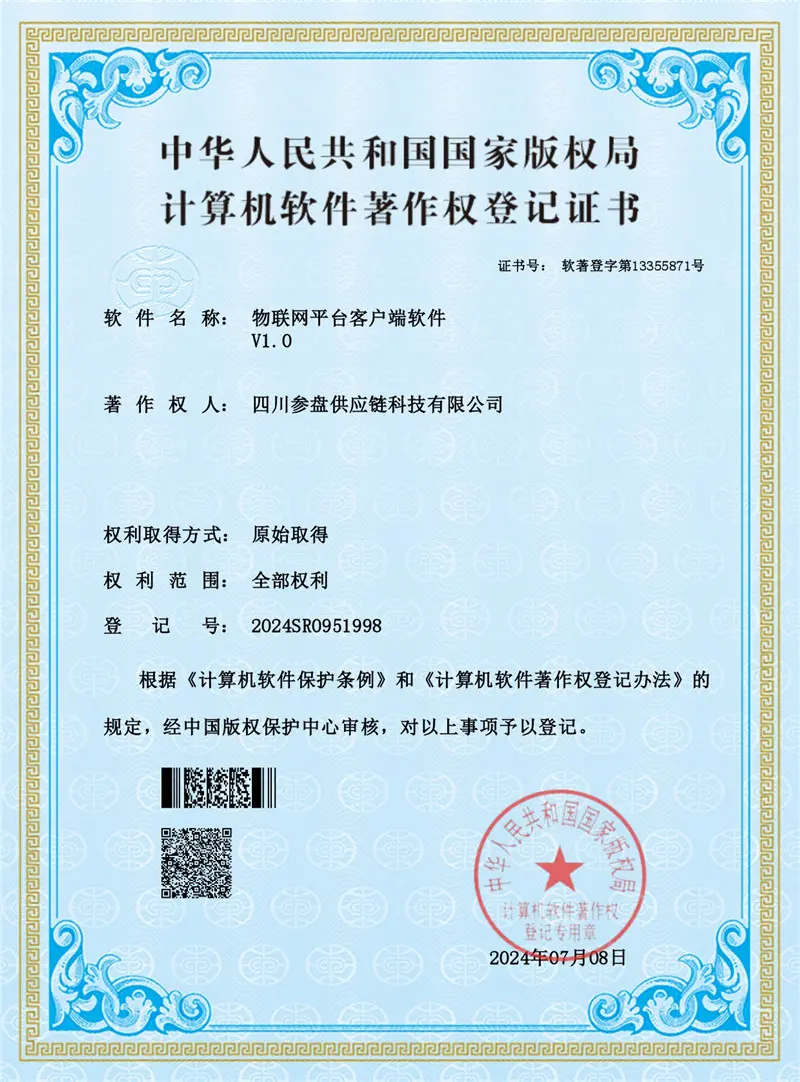
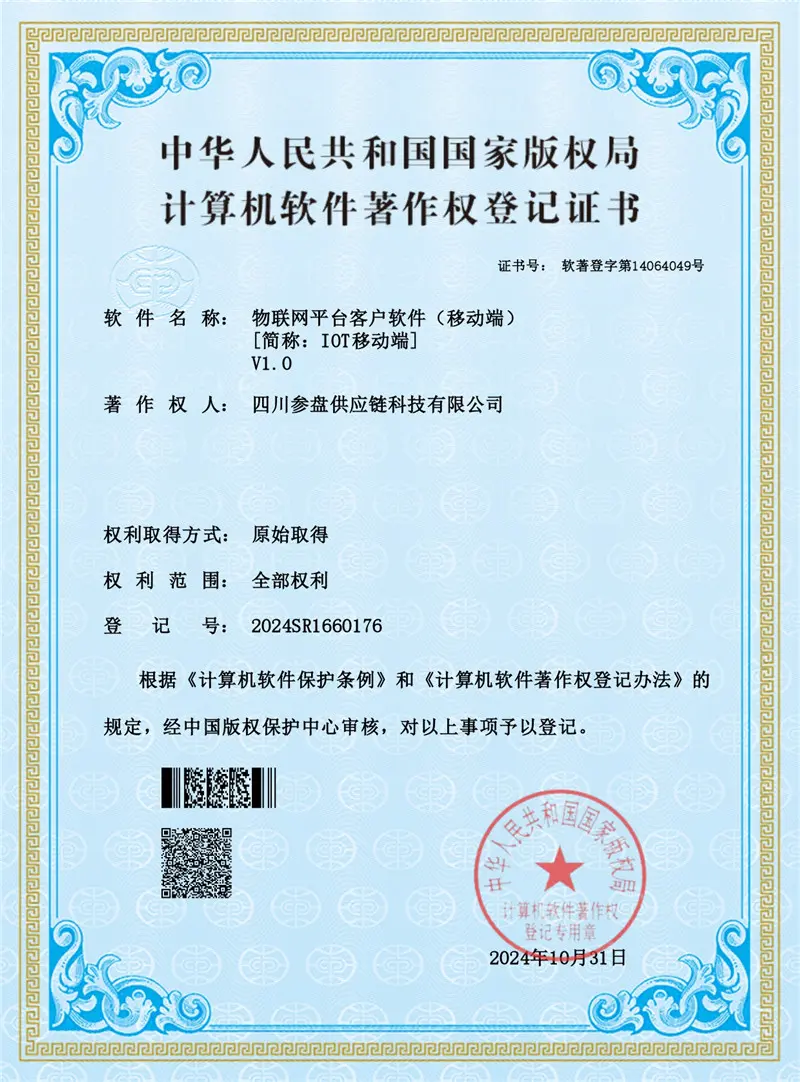
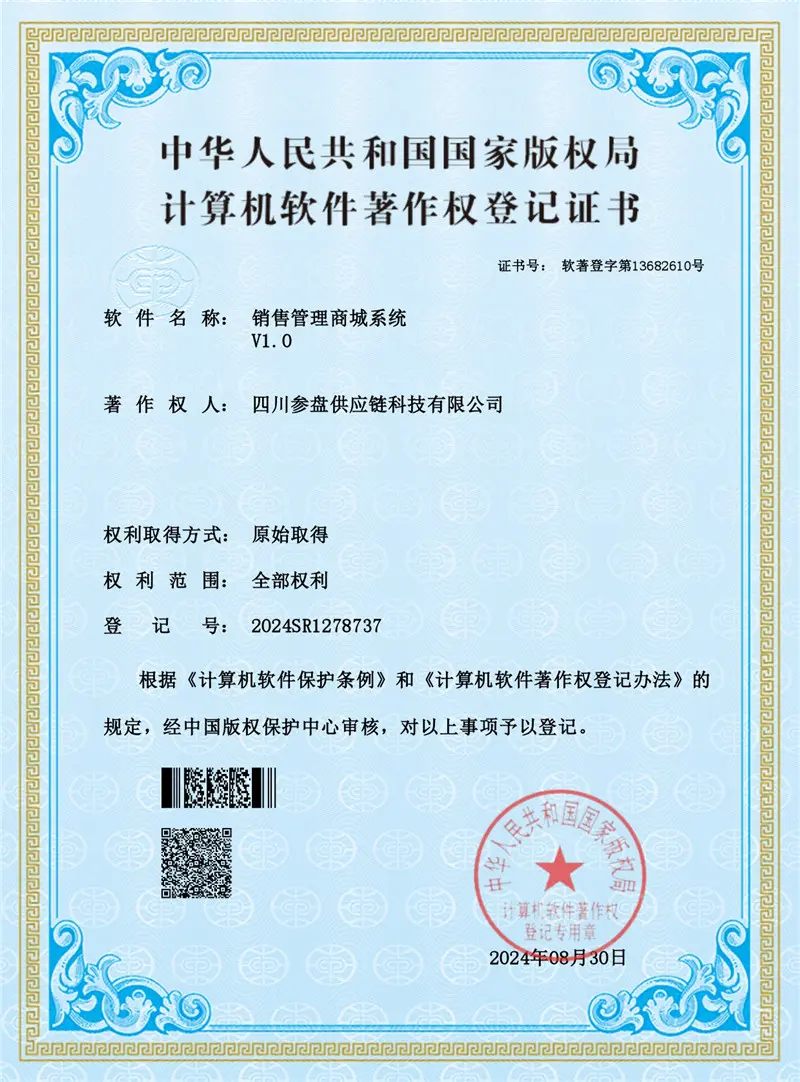
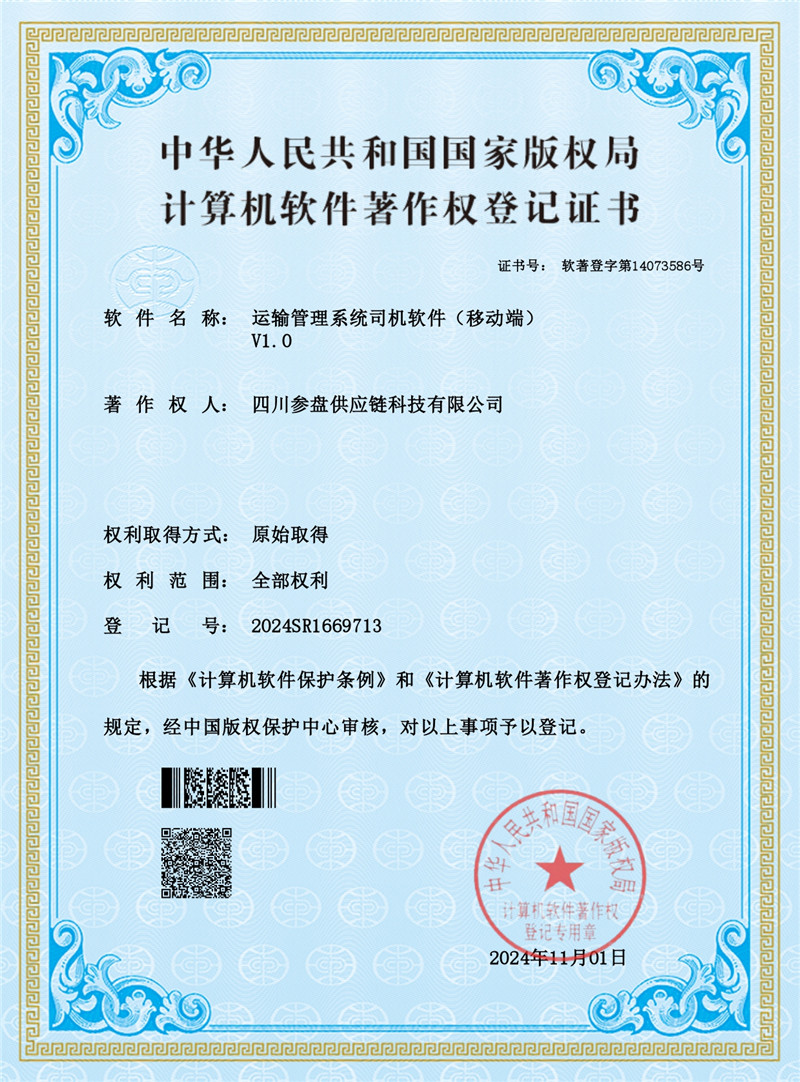
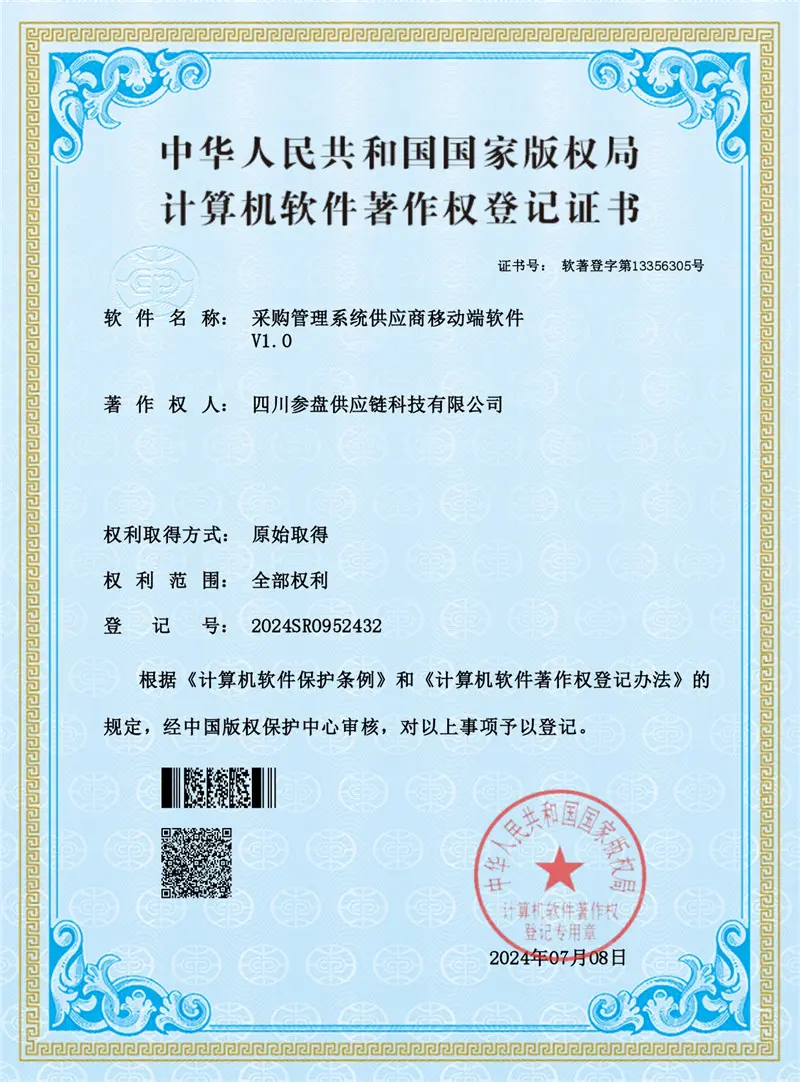
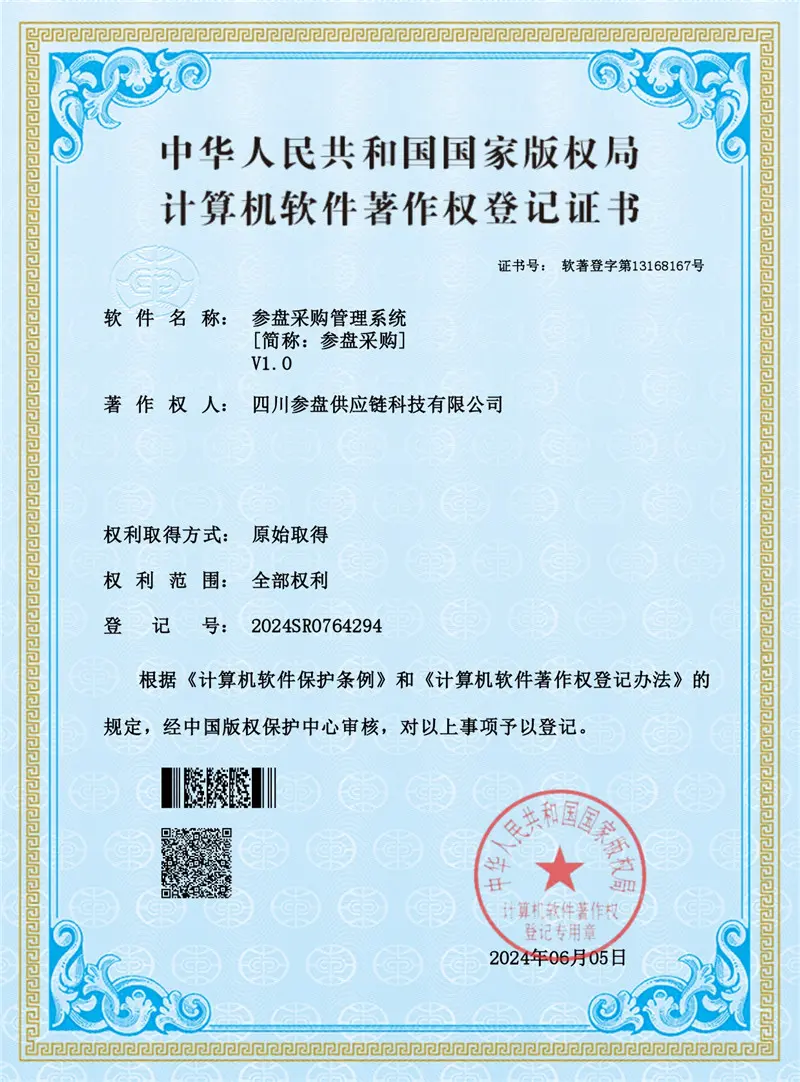
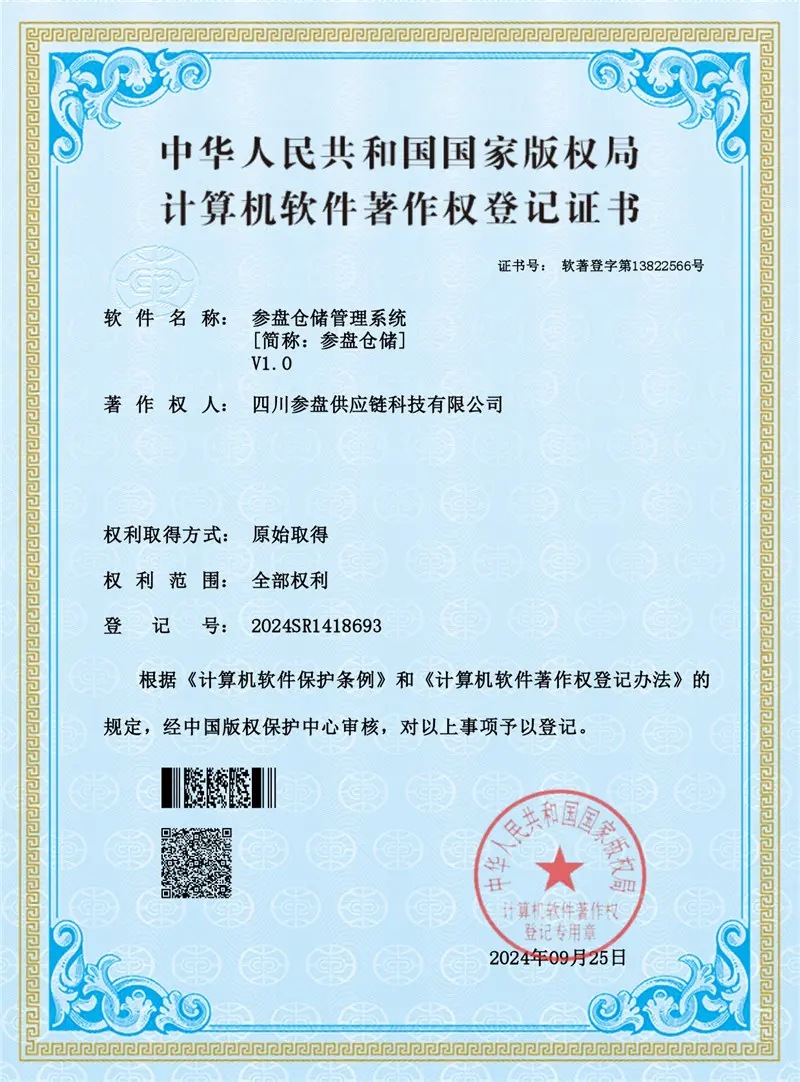
SCP focuses on providing comprehensive solutions for the food supply chain, as well as the research and development of intelligent software and hardware products and services. The company aims to leverage the Internet of Things (IoT), AI, machine learning, intelligent devices, and other advanced technologies to enhance operational efficiency across supply chain procurement, supply, and sales.
Through our automated, digitized, and systematic technology products and solution matrices, we help upgrade the value of upstream and downstream industries. Our systems handle everything from heavy pallet intake to scale weight logging via Intel J4125 industrial-grade terminal scale stations, preventing material discrepancies and ensuring compliance.
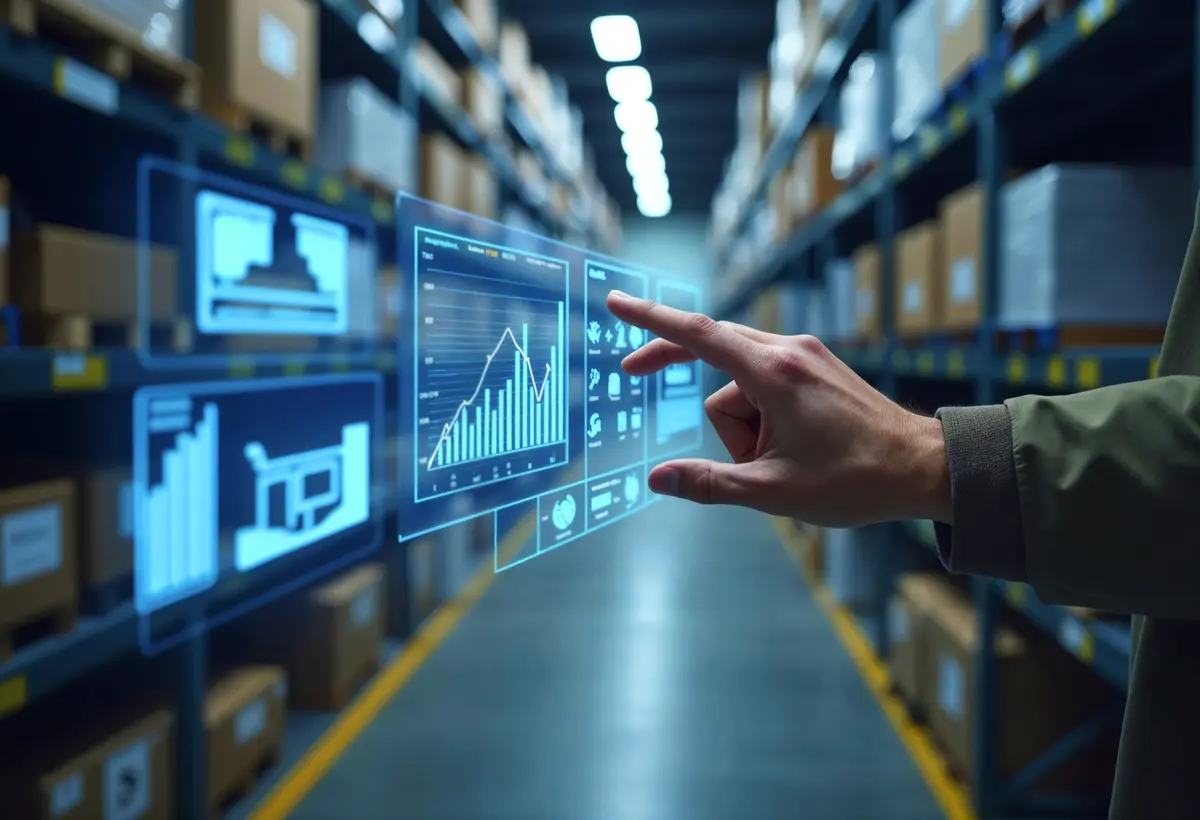
Browse our heavy-duty smart forklift configurations, terminal systems, and scale technologies designed for complex industrial environments.
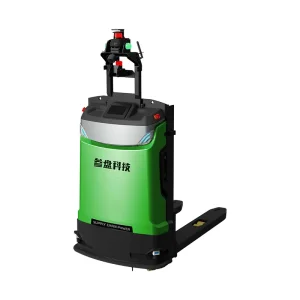
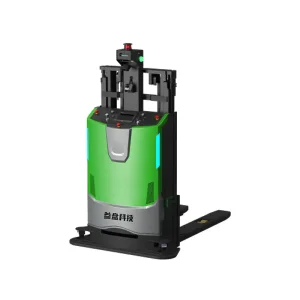
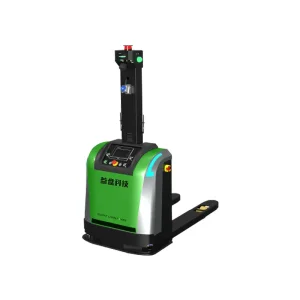
Addressing key technical questions regarding implementation, navigation technologies, and localization setup.
 SCP
SCP