Technical Overview & Evolution
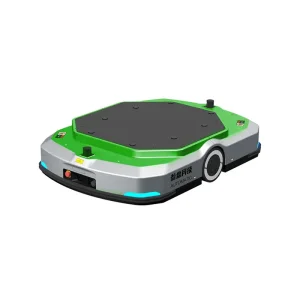
In the landscape of modern industrial automation, the role of navigation lasers has shifted from simple obstacle avoidance tools to high-level spatial cognition engines. Autonomous Mobile Robots (AMRs) and Automated Guided Vehicles (AGVs) rely heavily on advanced Light Detection and Ranging (LiDAR) hardware to execute accurate Simultaneous Localization and Mapping (SLAM) algorithms. By emitting pulsed laser beams and measuring the Time of Flight (ToF) of returned light, these sensors map out dynamic warehouse environments in real time with millimeter-level precision.
Traditional navigation relied on physical infrastructure—magnetic tape, inductive wires, or retroreflective targets. Today, natural navigation lasers allow machines to traverse unstructured layouts by detecting architectural features such as columns, walls, and racking systems. This transition minimizes installation downtime, reduces infrastructure maintenance costs, and delivers unmatched operational flexibility.
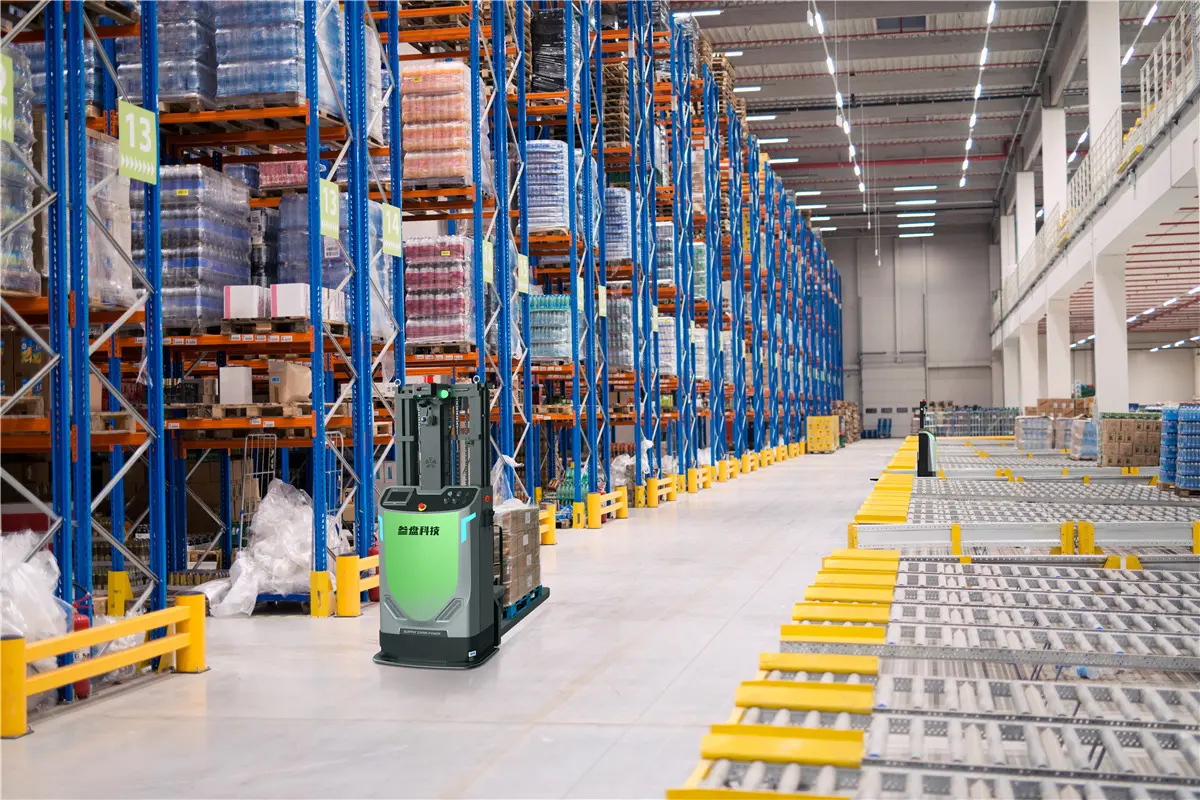
Choosing the right sensor for industrial vehicle fleets
Understanding the distinction between different navigation modalities is critical for system integrators and supply chain architects. Below is an engineering comparison of the primary navigation systems used in autonomous warehousing:
| Navigation Type | Ranging Methodology | Environmental Limitations | Typical Applications | Cost & Complexity |
|---|---|---|---|---|
| Reflector LiDAR | Laser triangulation using retroreflective stickers/targets. | Requires clear line of sight to multiple reflective targets. | High-speed, long-distance linear AGV routes. | Moderate hardware cost; high installation setup. |
| Natural SLAM LiDAR | Time-of-Flight matching against dynamic 2D/3D point clouds. | Vulnerable in massive open spaces devoid of physical features. | Highly dynamic warehouses, AMRs, manufacturing. | Higher sensor cost; low infrastructure setup. |
| Visual SLAM (vSLAM) | Stereoscopic or Time-of-Flight cameras parsing visual anchors. | Highly sensitive to variations in ambient lighting conditions. | Low-payload AMRs, collaborative retail robots. | Lower hardware cost; high computational complexity. |
| Multi-Sensor Fusion | LiDAR + IMU + Odometry + Ultra-Wideband (UWB) tracking. | None. Sensors compensate for each other's local failure modes. | Heavy-duty smart forklifts, outdoor-indoor transitions. | Highest reliability; premium investment cost. |
Ensuring operational safety, high yield, and rapid deployment
Navigating international regulatory frameworks is critical. Our laser navigation systems and smart forklifts are designed in strict accordance with ISO 3691-4 (safety requirements for driverless industrial trucks) and ISO 13849-1 (PL d, Category 3) requirements. We provide complete certification compliance dossiers for European (CE) and North American (UL/FCC) markets, ensuring hassle-free third-party warehouse safety audits.
Operating out of premier industrial clusters in China, we leverage a robust local supply chain that integrates high-end optics fabrication, semiconductor laser diode sourcing, and high-speed PCB assembly within a highly condensed geographical area. This ecosystem enables us to achieve a 30% to 50% cost advantage over Western counterparts without sacrificing component quality or material reliability.
Multi-national enterprises demand standardized APIs, stable hardware lifecycles, and direct integration with existing Warehouse Management Systems (WMS) or Manufacturing Execution Systems (MES). Our solutions support standardized ROS / ROS2 drivers, WebSocket interfaces, and comprehensive API documentation, minimizing integration cycles for fleet software teams globally.
Proven operational excellence across challenging environments
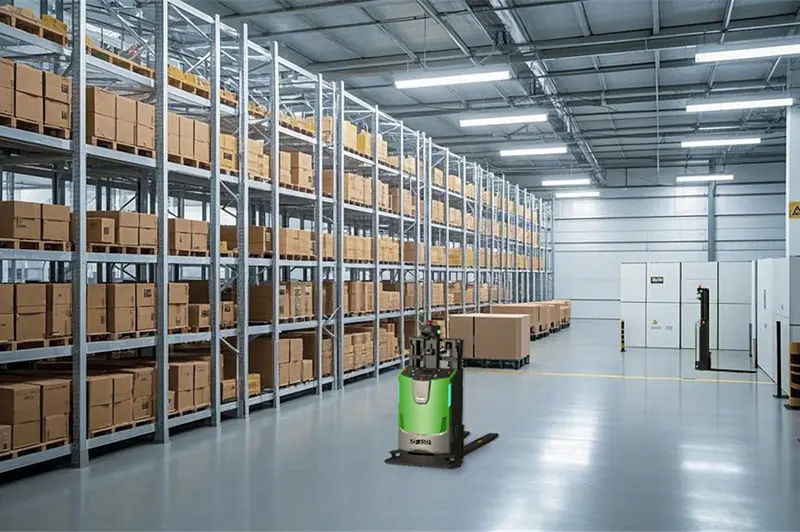
Navigating inside cold-storage facilities requires specialized laser modules equipped with internal heating elements to prevent optical condensation. Our specialized navigation lasers operate down to -25°C with active humidity control, maintaining continuous fleet operation in frozen food storage centers without signal attenuation.
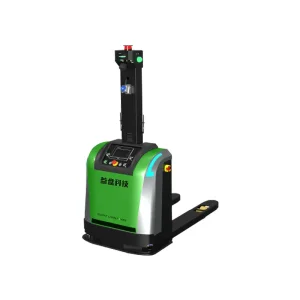
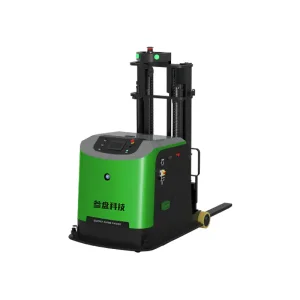
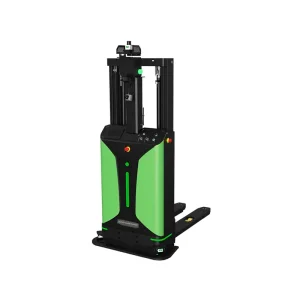
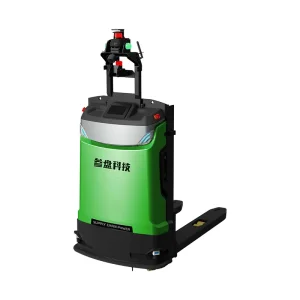
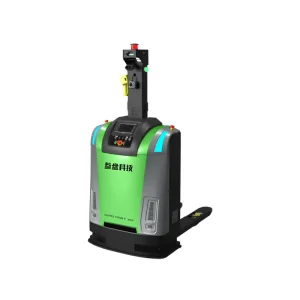
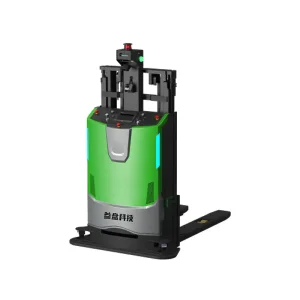
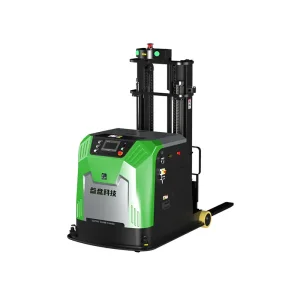
In Very Narrow Aisle (VNA) warehousing, lateral clearance for intelligent forklifts is often less than 200mm. Our sub-degree accuracy navigation lasers allow automated forklifts (such as the SFL-CDD15) to maintain millimeter-level tracking, eliminating the risk of structural racking collisions.
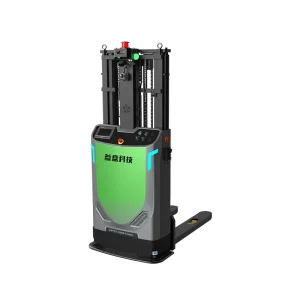
In highly regulated pharmaceutical packaging plants, equipment must operate without generating particulate contamination. Our laser-guided autonomous stackers operate with zero emissions and zero physical guidance tracks, ensuring cleanroom certification compliance.
Product Architecture of SCP
Taking the actual business needs as the cornerstone, SCP is committed to comprehensively innovating and enhancing the overall supply chain planning of enterprises. We provide enterprises with comprehensive end-to-end supply chain solutions, build a multi-role and multi-dimensional intelligent supply chain collaboration system, and achieve all-round efficient collaboration and process optimization. At present, SCP has established a product architecture supported by software and hardware, and supplemented by the top-level design of the supply chain control tower to create an agile, flexible and efficient end-to-end supply chain system for enterprises.
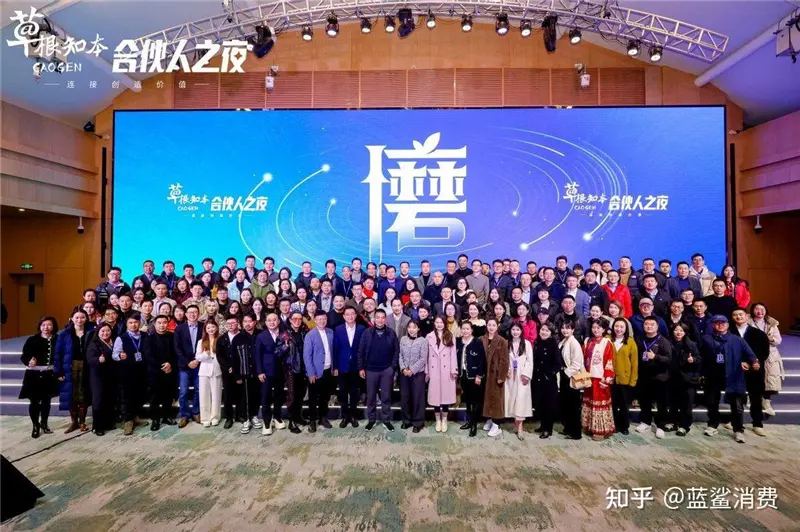
Mission, Vision, and Industry Positioning
Benefiting farmers and bringing welfare to consumers through the integration of highly efficient, automated logistics machinery and transparent intelligence platforms.
Leading the technological upgrade of the supply chain and achieving extraordinary value for transformers in the global industrial landscape.
Serving as the Alliance of Developers of New Quality Supply Chain Technology, providing robust components and turnkey material handling systems.
Technical strength & execution capability
As a subsidiary of New Hope Group, we have a good market reputation and execution ability. Moreover, we have an in-depth understanding of multiple industries, tailoring laser automation solutions to distinct material handling bottlenecks.
We were incubated based on the digital needs of the business side within the New Hope system, and have participated in many projects of the same type. Therefore, we have a better understanding of the actual business scenarios and demands.
We possess the self-development and integration capabilities for various systems in procurement, sales, and supply. We can well meet the individual needs of different customers.
We provide certain light consulting services alongside projects, covering multiple dimensions such as process optimization and assessment weight, to assist customers in the construction of digital transformation of their supply chains.
We have a professional delivery team for commercial projects. We actively respond to the personalized needs of customers and can ensure fast and high-quality delivery according to customer requirements.
Long-term vision for technology and ecology
In terms of technology research and development, SCP continues to increase its investment and constantly optimize the product architecture supported by software and hardware and the top-level design of the supply chain control tower.
By strengthening the self-development and integration capabilities of various systems in procurement, sales, and supply, we continuously improve the technical level and competitiveness of our products and services. We build a solid foundation for the sustainable development of enterprises and the industry with leading technologies.
At the same time, we actively explore the application of cutting-edge technologies in the supply chain field, promote technological iteration and upgrading, and maintain a leading position in the industry in terms of technology.
In terms of ecological construction, relying on the rich industrial resources and extensive business layout of Caogenziben, SCP deeply explores the supply chain needs of multiple industries such as food consumption and creates solutions that are suitable for actual scenarios.
By empowering key links such as cold chain logistics, we promote the standardized management and efficiency improvement of the supply chain and facilitate the collaborative development of the entire industrial chain.
In addition, we actively carry out in-depth cooperation with overseas partners, absorb international advanced experience and technologies, expand the international market, enhance the global influence of the enterprise, and build a supply chain technology ecosystem with international competitiveness.
From a long-term development perspective, with the vision of "Leading the technological upgrade of the supply chain and achieving extraordinary value for transformers", SCP integrates the concept of sustainable development into its corporate strategic planning and daily operations.
We not only focus on our own growth and profitability but also look to promote the green, intelligent, and efficient development of the industry. We build a more perfect supply chain collaboration system for future enterprises.
While achieving our own sustainable development, we create greater value for society and become a backbone force in promoting the sustainable development of the supply chain technology industry.
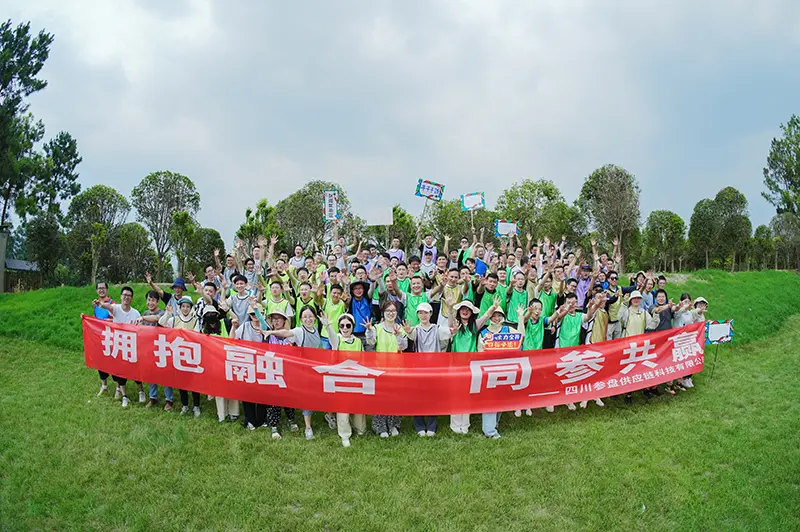
IoT, AI, and Intelligent Automation Services
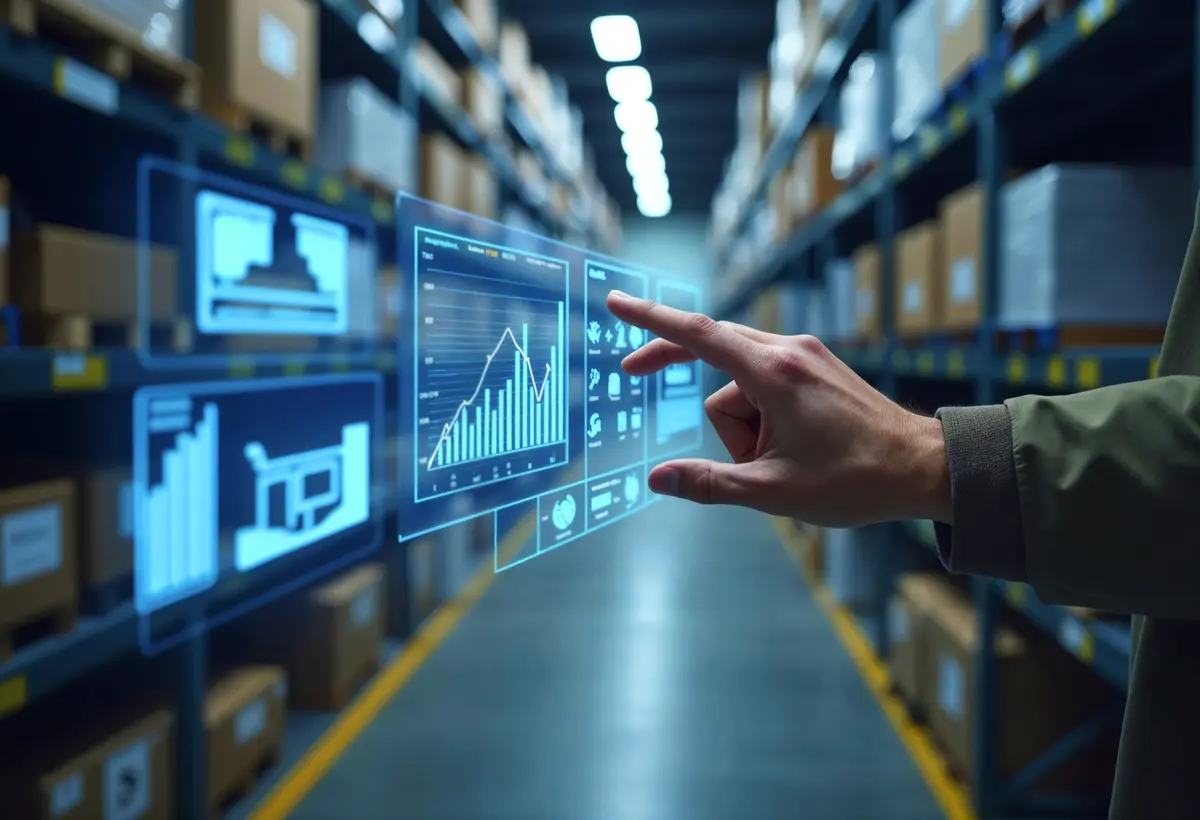
SCP focuses on providing comprehensive solutions for the food supply chain, as well as research and development of intelligent software and hardware products and services. The company aims to be based on the Internet of Things AI, The comprehensive application of machine learning, intelligent devices and other technologies, through automated, digitized, intelligent and systematic technology products and solution matrices, enhances the overall operational efficiency of supply chain procurement/supply/sales, and helps upgrade the value of upstream and downstream industries.
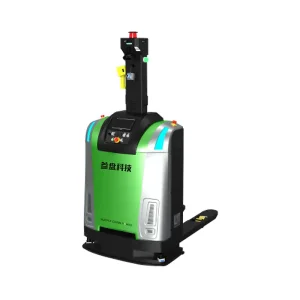
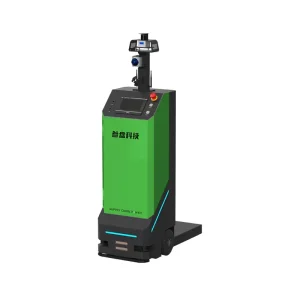
Through our advanced navigation lasers integrated into our custom smart forklifts, we bridge the physical gap between hardware movement and digital coordination. The physical telemetry collected by laser sensors feeds directly into our supply chain control tower, allowing for real-time inventory adjustments, predictive bottleneck detection, and dynamic scheduling of warehousing assets.
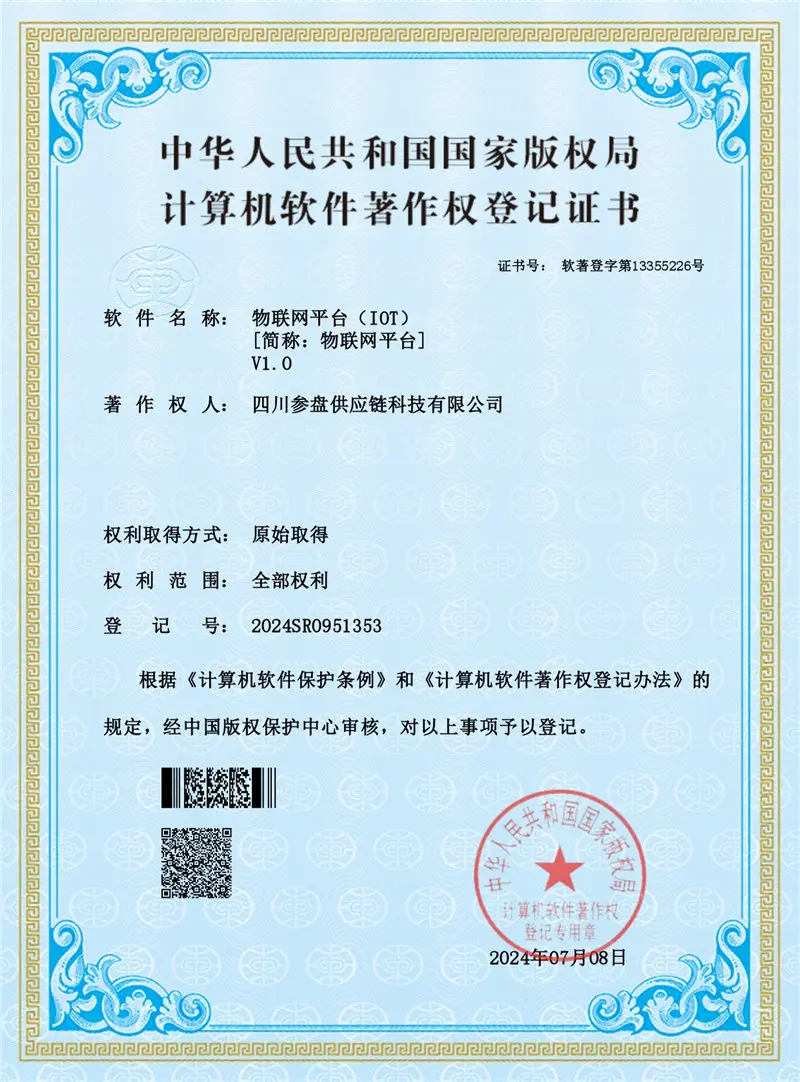
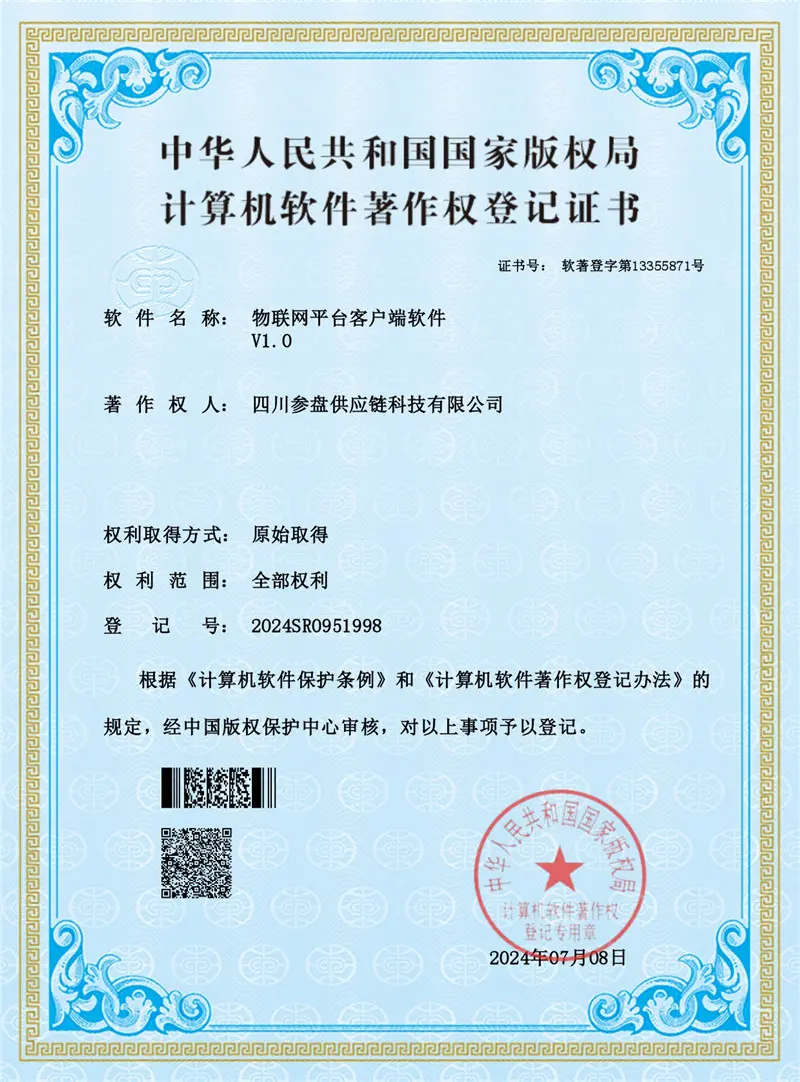
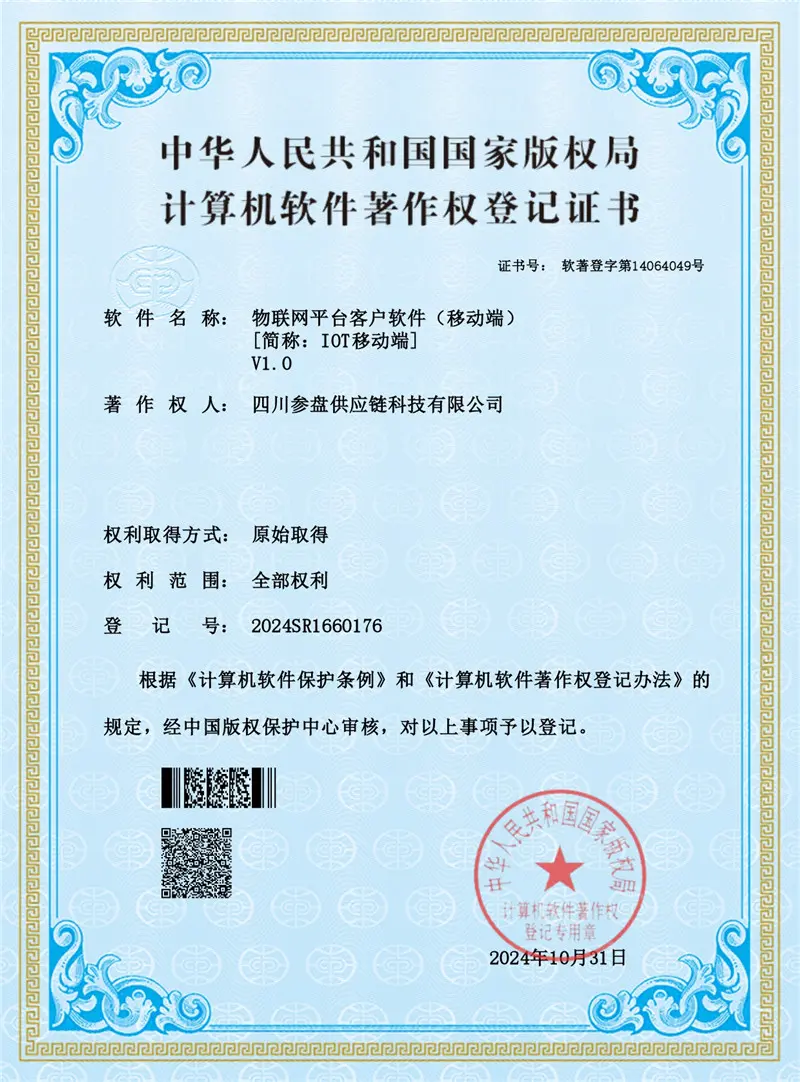
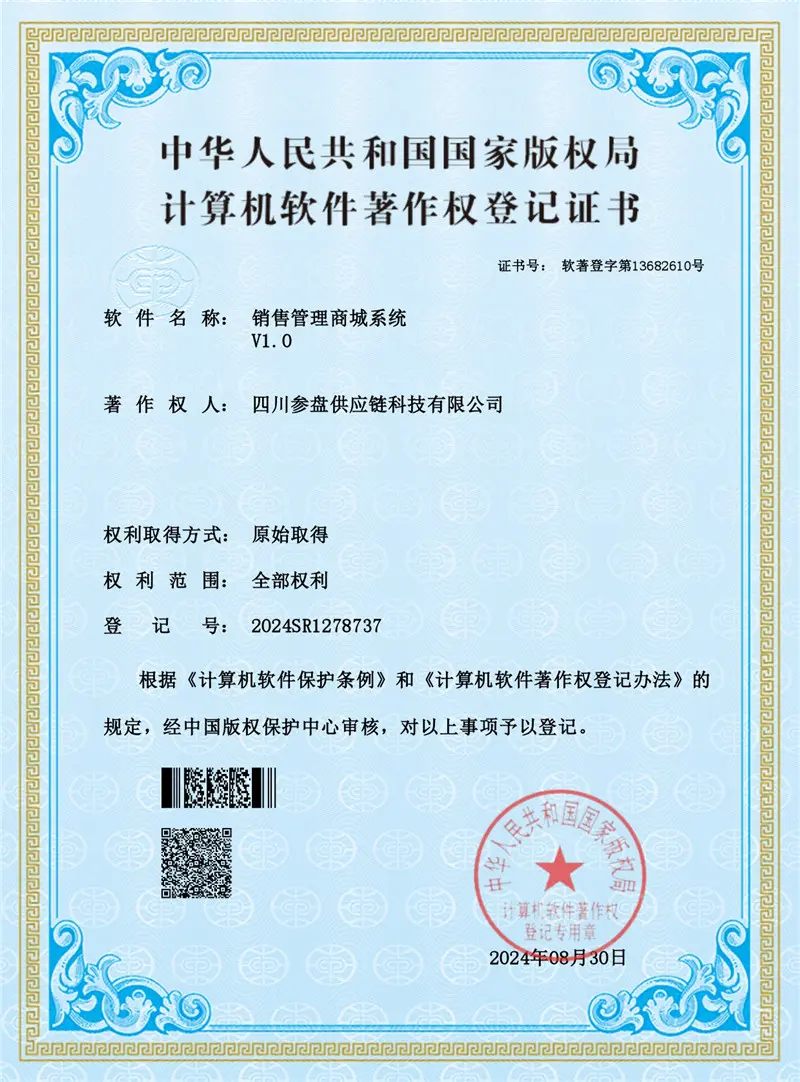
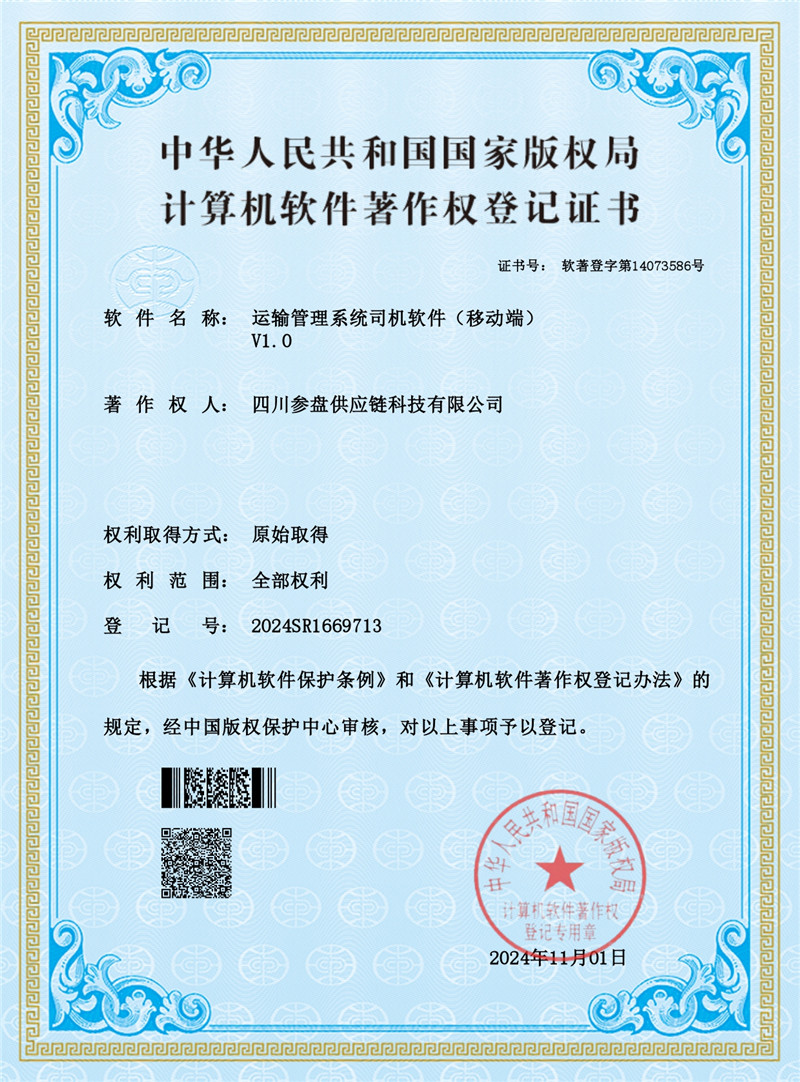
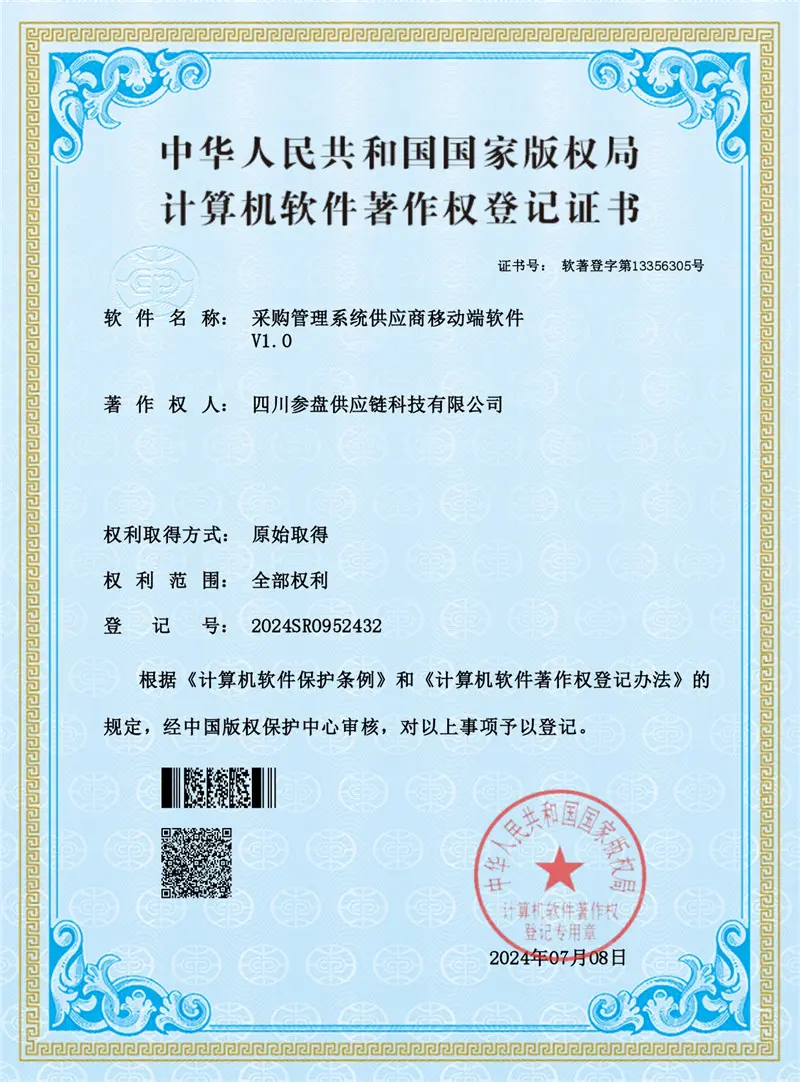
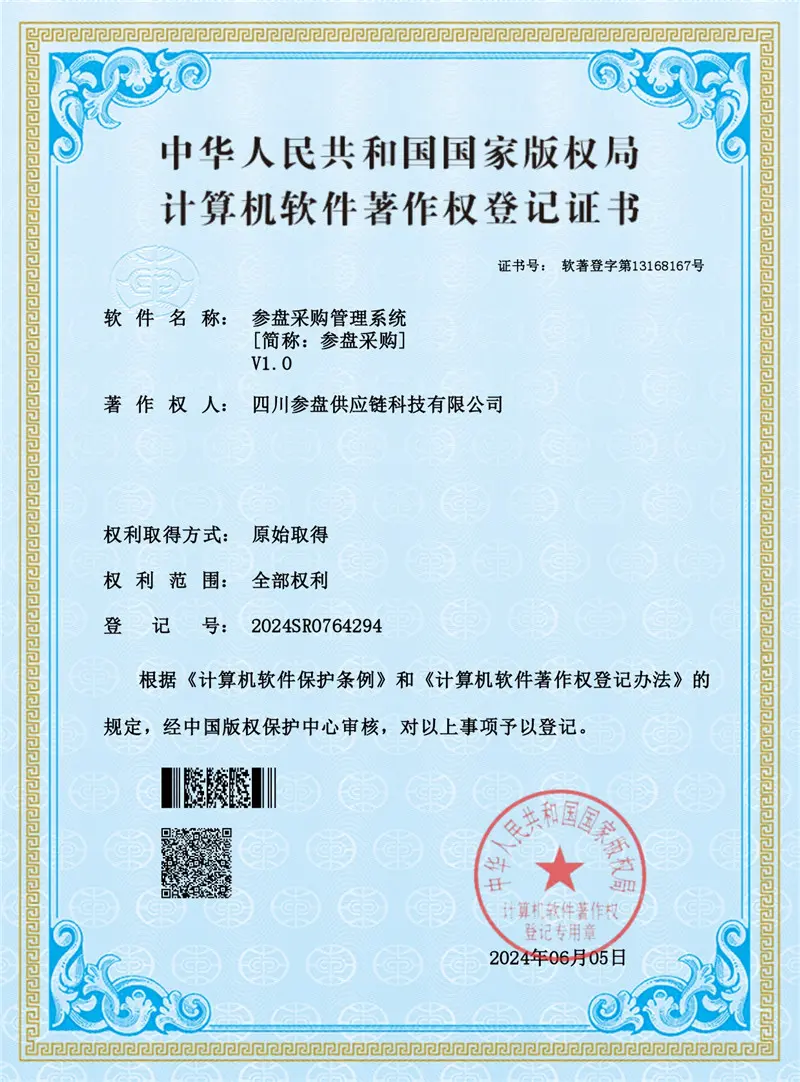
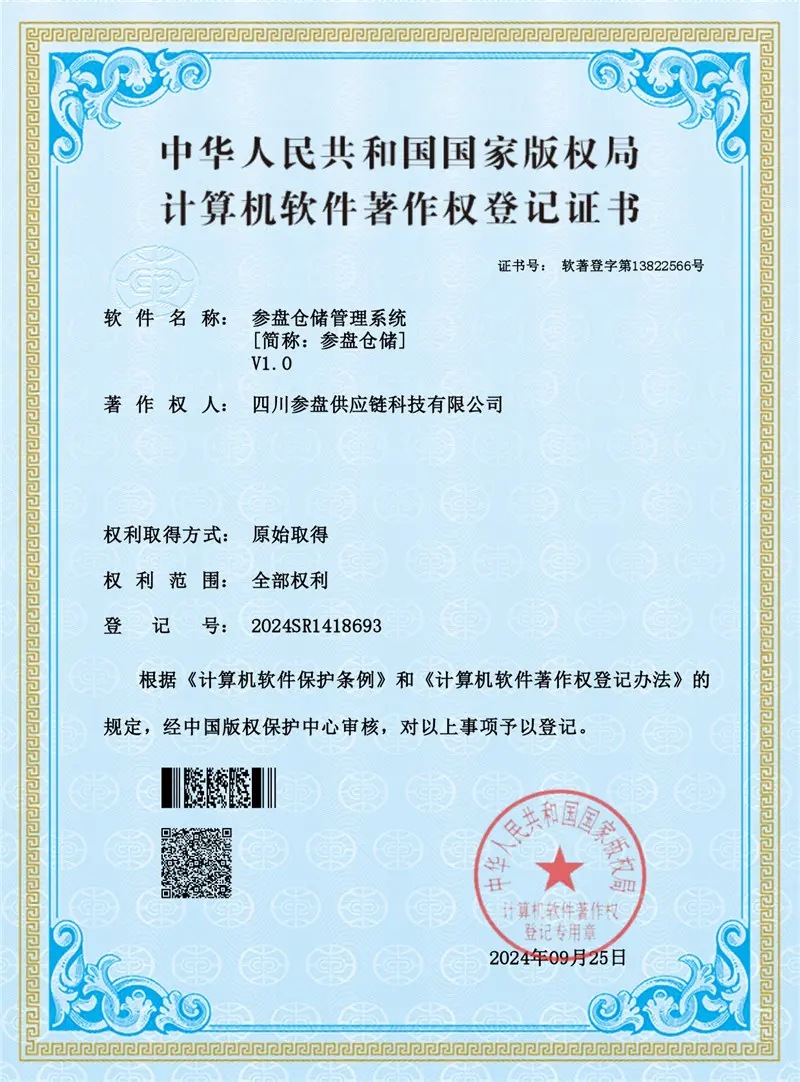
Verification of our technical standards and safety compliance
Technical answers for integration engineers & buyers
 SCP
SCP