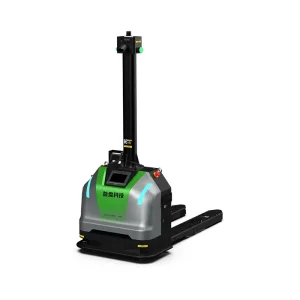
Engineered for deep integration with Singapore's logistics hubs. Featuring advanced Laser SLAM guidance, ultra-compact body chassis, and dynamic payload monitoring.
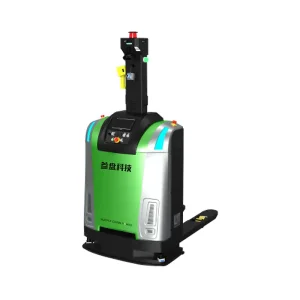
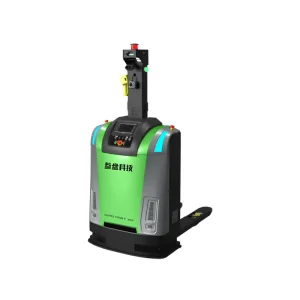
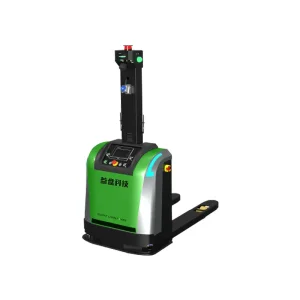
Singapore occupies a critical nexus in global trade, housing the world's busiest transshipment hub at the Tuas Megaport. Yet, local industrial and logistics operators face structural challenges: acute labor scarcity, rising land prices, and demanding safety standards. As Singapore moves toward a high-density, multi-tier warehouse model, manual pallet trucks are becoming bottlenecks. The necessity for intelligent, unmanned handling systems has never been more urgent.
Operating in this environment demands equipment that satisfies both spatial efficiency and absolute precision. In narrow corridors and dynamic setups, traditional AGVs requiring magnetic tape or reflectors struggle with layout changes. That is where Natural Feature Laser SLAM (Simultaneous Localization and Mapping) technology bridges the gap, allowing industrial vehicles to build maps dynamically and plan routes without structural infrastructure modifications.
According to regional industrial studies, warehouse automation in Singapore is projected to expand at a compound annual rate (CAGR) exceeding 12.5%. This expansion is driven by the expansion of cold chains, pharmaceuticals, and localized e-commerce fulfillment hubs.
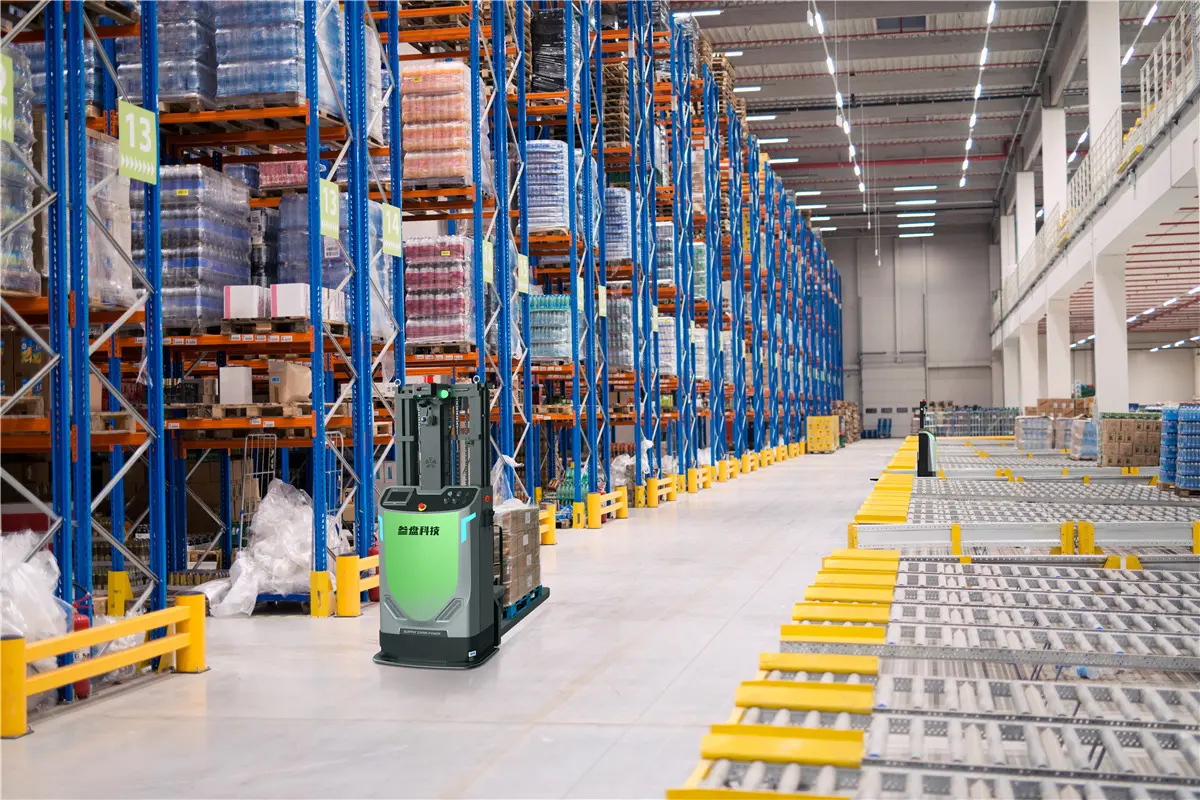
Taking the actual business needs as the cornerstone, SCP is committed to comprehensively innovating and enhancing the overall supply chain planning of enterprises. We provide enterprises with comprehensive end-to-end supply chain solutions, build a multi-role and multi-dimensional intelligent supply chain collaboration system, and achieve all-round efficient collaboration and process optimization. At present, SCP has established a product architecture supported by software and hardware, and supplemented by the top-level design of the supply chain control tower to create an agile, flexible and efficient end-to-end supply chain system for enterprises.
By merging physical hardware execution (Laser SLAM intelligent forklifts) with digital platform logic, we empower operators in Singapore and globally to coordinate material handling fleets alongside dynamic warehouse management systems (WMS) and manufacturing execution systems (MES).
Learn More About SCP EcosystemBenefiting farmers and bringing welfare to consumers through streamlined, highly optimized logistics systems.
Leading the technological upgrade of the supply chain and achieving extraordinary value for industry transformers.
An alliance of developers driving next-generation technology to enhance supply chain resilience.
Combining business insight with hardware design to deliver dependable automated material handling solutions.
As a subsidiary of New Hope Group, we maintain a solid market reputation and execution ability. Moreover, we bring an in-depth understanding of multiple complex asset-heavy industries.
We were incubated based on the digital needs within the New Hope system. Having designed for real, demanding operations, we understand practical warehouse pain points and constraints.
We manage the design, hardware engineering, and system integration for procurement, sales, and logistics. This control allows us to tailor solutions to specific customer environments.
We provide light consulting services alongside our deployments, covering process optimization, safety workflows, and KPI assessments to support digital transformation efforts.
Our dedicated delivery teams manage site surveys, SLAM mapping, fleet calibration, and training. We support installations to ensure rapid and dependable handovers for industrial projects.
Combining digital technology and cleaner energy to build more sustainable material handling operations.
In terms of technology research and development, SCP continues to increase investment and optimize the product architecture supported by software and hardware alongside the top-level design of the supply chain control tower.
By strengthening the self-development and integration capabilities of various systems in procurement, sales, and supply, we continuously improve the technical level and competitiveness of our products and services. We build a solid foundation for the sustainable development of enterprises and the industry with leading technologies.
At the same time, we actively explore the application of cutting-edge technologies in the supply chain field, promote technological iteration and upgrading, and maintain a leading position in the industry in terms of technology.
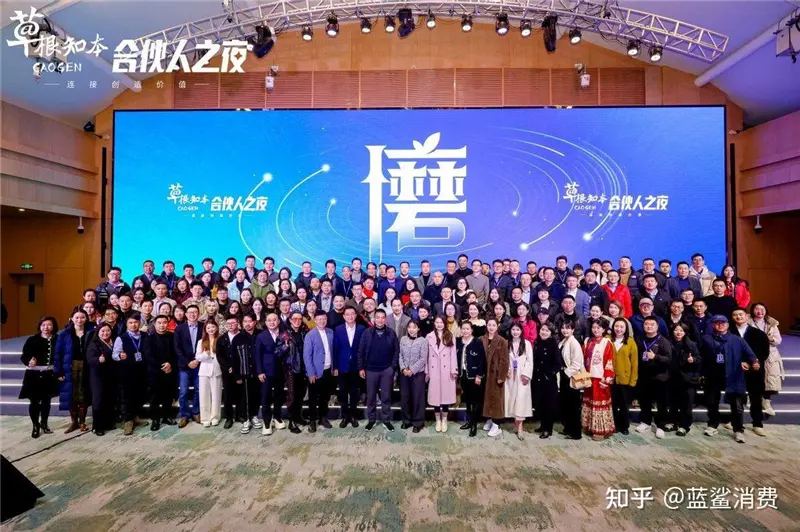
In terms of ecological construction, relying on the industrial resources and extensive business layout of Caogenziben, SCP explores the supply chain needs of multiple sectors such as food consumption, designing solutions suited to actual operations.
By empowering key links such as cold chain logistics, we support standardized management and efficiency improvements across the supply chain, facilitating collaborative development throughout the industrial cycle.
In addition, we work with overseas partners to incorporate international standards and practices, expand our global reach, and support a competitive logistics technology ecosystem.
With the vision of "Leading the technological upgrade of the supply chain and achieving extraordinary value for transformers", SCP integrates sustainable design principles into corporate planning and daily operations.
We focus on clean operation and system efficiency, helping operators transition to greener, more intelligent material handling. We build flexible collaboration structures designed to adapt to future logistical changes.
While supporting our own growth, we aim to provide reliable, efficient solutions that add value for our clients and the broader logistics industry.
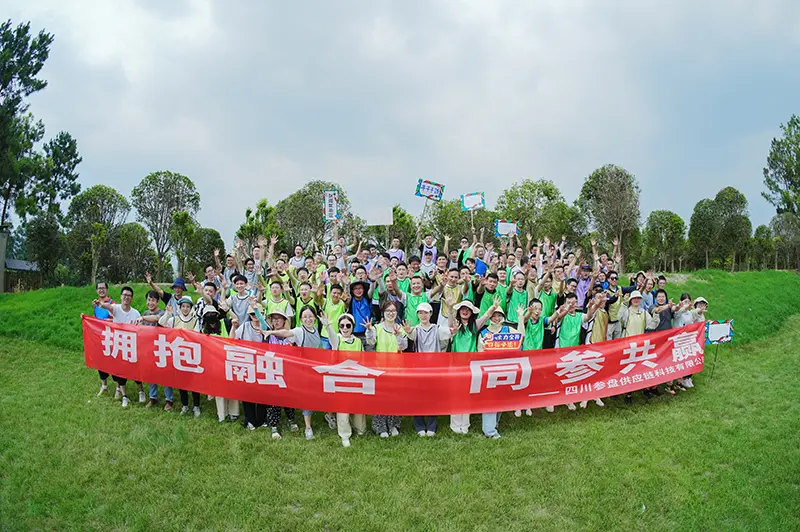

SCP focuses on providing comprehensive solutions for the food supply chain, as well as research and development of intelligent software and hardware products and services. The company aims to leverage the Internet of Things (IoT), AI, machine learning, and automated devices to improve handling systems. Through an integrated hardware and software solution matrix, we help optimize operational efficiency across procurement, supply, and sales, supporting upstream and downstream industry upgrades.
Our autonomous pallet trucks work within this ecosystem, allowing warehouse systems to track inventory movements in real time. This capability is critical for sectors like cold chain logistics and food distribution, where speed, accuracy, and temperature control are vital.
Request Customized System BlueprintOur equipment is built to meet international standards for safety, durability, and operational precision, helping clients comply with local safety requirements like Singapore's WSH Act.
Explore our full line of material handling solutions, from narrow-aisle stackers to high-capacity balanced forklifts, built to support Singapore's logistics and manufacturing facilities.
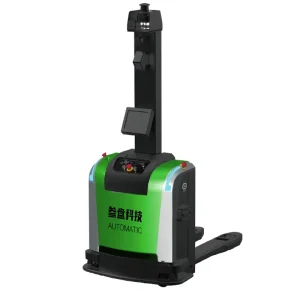
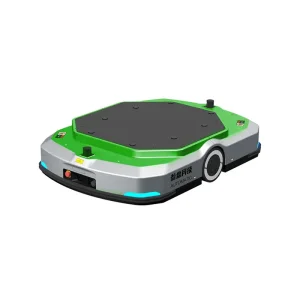
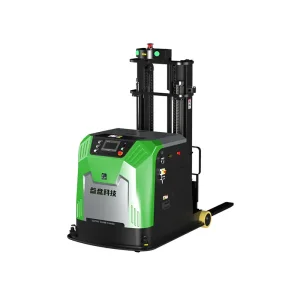
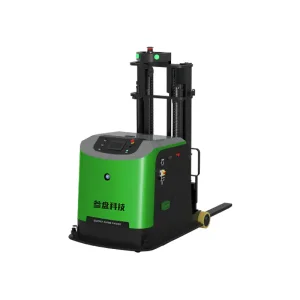
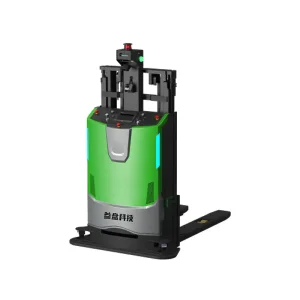
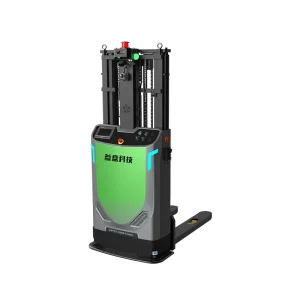
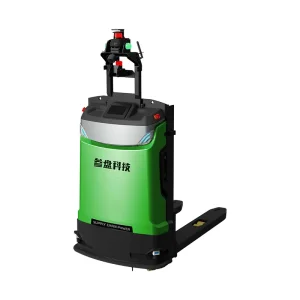
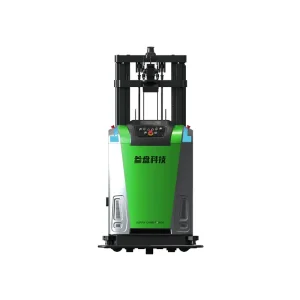
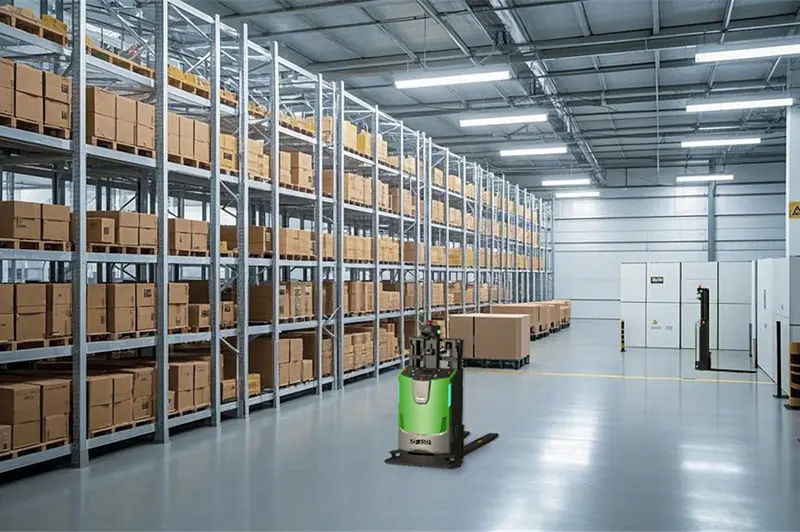
Our pallet trucks use natural feature SLAM navigation, combining LiDAR sensors with advanced mapping algorithms. Unlike traditional automated guided vehicles (AGVs) that rely on magnetic floor tapes or wall-mounted reflectors, these units adapt to existing warehouse layouts, minimizing preparation time and infrastructural changes.
The system connects with our central Fleet Management System (FMS), managing traffic flow, task distribution, and battery charging schedules for multiple units. FMS integrates with standard Warehouse Management Systems (WMS) to automate the flow of goods from receiving to dispatch.
Equipped with 360° laser scanners, safety bumpers, and emergency stop systems, the vehicles are designed to operate safely in shared workspaces. The onboard safety systems meet international industrial standards to support workplace safety compliance.
Our manufacturing facilities integrate automation at every stage, from laser cutting of structural steel to computerized testing of hydraulic components. This production model supports reliability, safety, and consistent performance across our equipment lines.
Operating a centralized manufacturing base allows us to manage quality and material supply lines efficiently. We maintain inventory reserves of key components—such as drive units, controllers, and sensors—to support production timelines and long-term parts availability for global clients, including those in Singapore's logistics hubs.
Deploying automated material handling equipment in Singapore requires compliance with local safety regulations and operational standards. Our local teams assist clients through the regulatory landscape, aligning installations with the Workplace Safety and Health Council (WSHC) guidelines and SS 510 codes of practice.
As logistics demands change, our development focus centers on higher integration, energy efficiency, and operational safety.
The next generation of material handling systems will rely on deeper integration between hardware and software. We are currently developing and testing advancements in visual-LiDAR fusion, fleet orchestration, and proactive power management:
Our standard product configurations are designed for industrial applications:
| Feature | Specification |
|---|---|
| Navigation Accuracy | ±10mm (LiDAR SLAM) |
| Payload Capacity | 1,400kg to 3,000kg |
| Power Unit | LiFePO4 Lithium (Auto-charging) |
| Safety Ratings | CE, EN ISO 3691-4 Compliant |
| Max Lifting Height | Up to 3,000mm (Stacker Models) |
Common questions about deploying Laser SLAM automated pallet trucks and forklifts in industrial facilities.
Get in touch with our applications team to discuss your warehouse layout, payload requirements, and software integration needs.
 SCP
SCP