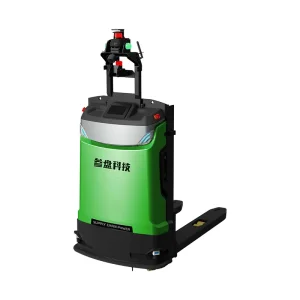
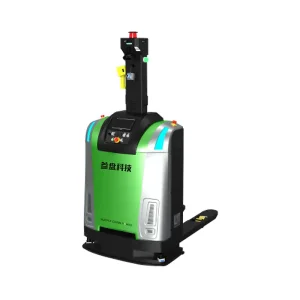
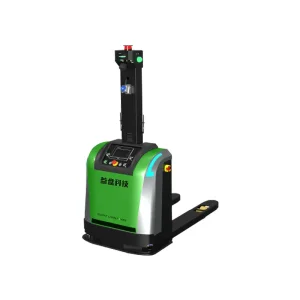
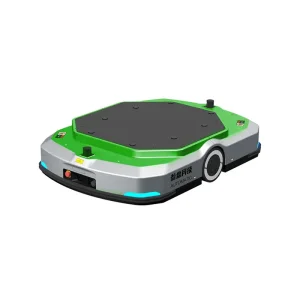
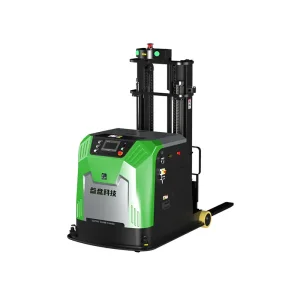
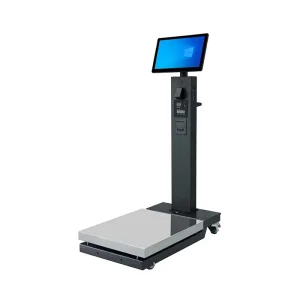
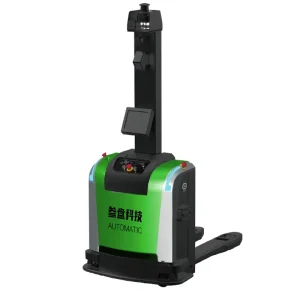
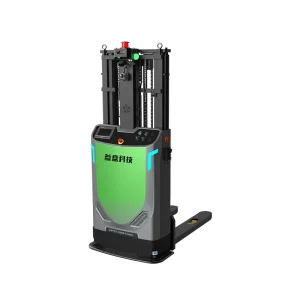
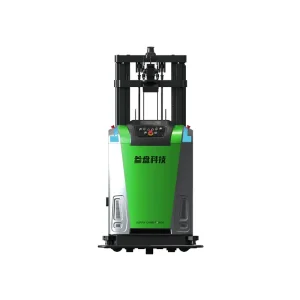
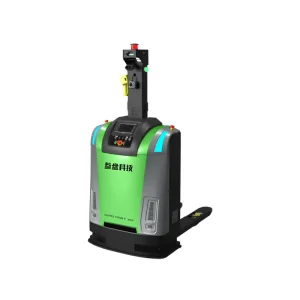
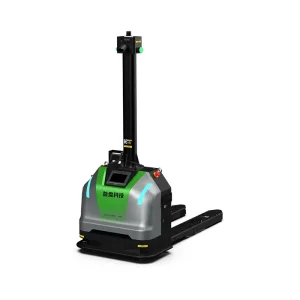
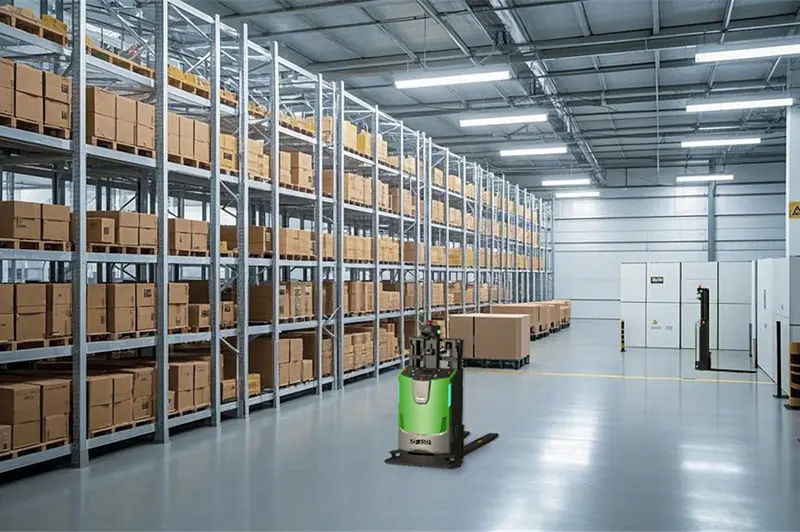
Premium Laser SLAM automated vehicles engineered for rigorous logistics environments. Direct factory integration, customizable payload configurations, and enterprise-grade functional safety.
Analyzing key market drivers, technical evolution, and the paradigm shift from traditional automated guided vehicles (AGVs) to highly intelligent collaborative AMRs.
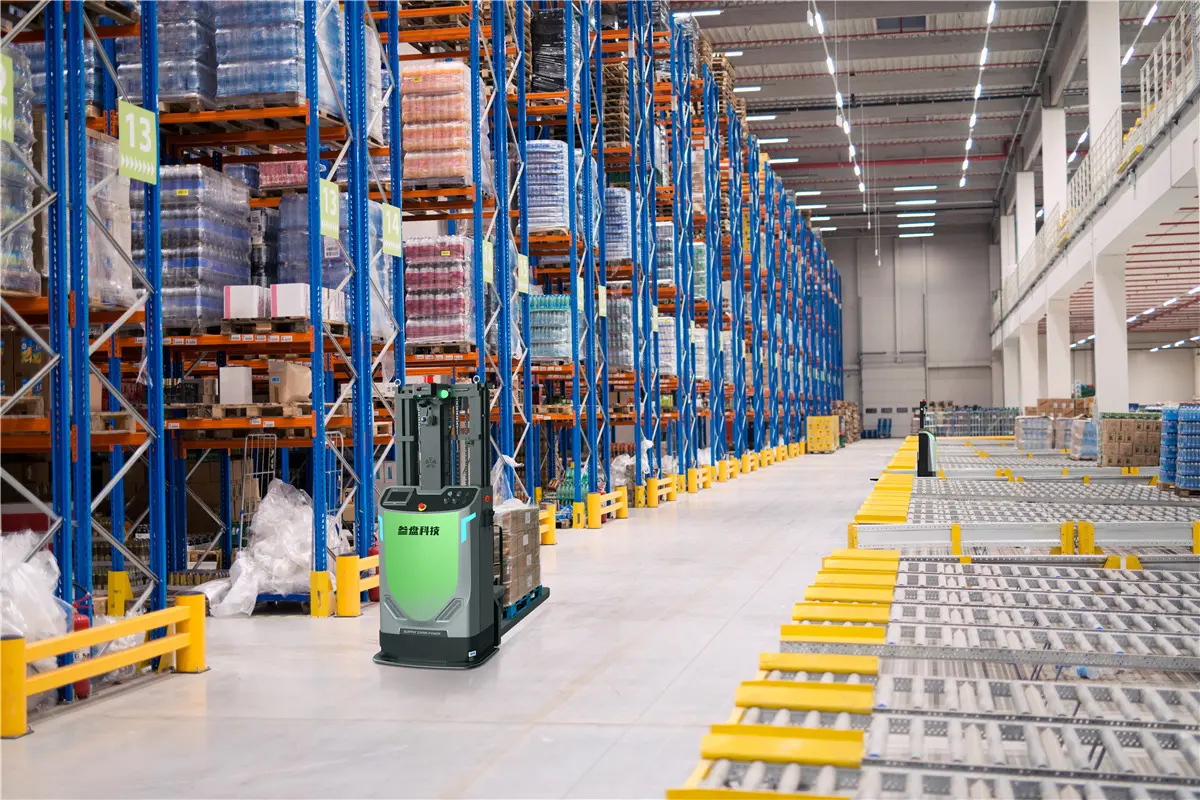
In modern industrial logistics, the demand for autonomous automation has transcended basic material movement. Globally, enterprises are struggling with structural labor challenges, increasing supply chain complexity, and the imperative to maximize vertical storage space. Autonomous Mobile Robots (AMRs) and Laser SLAM (Simultaneous Localization and Mapping) Smart Forklifts have transitioned from novel engineering experiments into critical infrastructure.
According to recent global logistics intelligence reports, the adoption of transport robots is accelerating at a CAGR of over 24%. While early adopters focused primarily on simple point-to-point delivery, today's leading multinational manufacturers demand dynamic navigation, advanced safety ratings (ISO 3691-4 / PL-d), and deep integration into Enterprise Resource Planning (ERP), Manufacturing Execution Systems (MES), and Supply Chain Planning (SCP) architectures.
Product Architecture of SCP & Advanced Automation
Taking actual business needs as our cornerstone, SCP is committed to comprehensively innovating and enhancing the overall supply chain planning of global enterprises. We provide end-to-end supply chain solutions, constructing a multi-role, multi-dimensional intelligent supply chain collaboration system designed to achieve efficient operational orchestration and process optimization.
Currently, SCP has established a powerful product architecture supported by software and hardware, supplemented by the top-level design of the Supply Chain Control Tower. This creates an agile, flexible, and highly resilient system tailored to navigate dynamic production requirements.
Benefiting farmers and bringing welfare to consumers through optimized, lower-cost, and safer supply chain logistics technology.
Leading the technological upgrade of the supply chain and achieving extraordinary value for transformers globally.
Alliance of Developers of New Quality Supply Chain Technology, providing robust IoT hardware and agile, open APIs.
Combining world-class component ecosystems, agile manufacturing capabilities, and rapid iterative software development.
The clustering of laser sensor manufacturers, high-capacity battery factories, structural steel foundries, and controller designers in China creates a highly dense, efficient industrial ecosystem. Unlike overseas competitors that rely on fragmented international supply chains, Chinese transport robot manufacturers integrate vertical assembly pipelines directly inside their facilities.
This localized synergy allows our factory to deliver significant advantages to global buyers:
Building high-performing hardware and intelligent software solutions backed by extensive industrial resources.
As a subsidiary of New Hope Group, we possess an excellent market reputation and robust execution capabilities. We have a deep, proven understanding of multiple asset-heavy industries.
We were incubated based on the digital and physical automation requirements within the New Hope system. This hands-on experience gives us unparalleled insight into real operational bottlenecks.
We own complete intellectual property and development control over our software stack, covering logistics optimization, AGV dispatching, and system integrations.
We offer specialized light consulting services alongside our hardware deployment. We optimize layouts, load weights, path planning, and system integration strategies for our customers.
Our dedicated delivery teams manage installation, commissioning, software tuning, and employee training. We respond fast to customized requirements, ensuring projects go live on time.
Combining ecological construction and long-term development to deliver greener, smarter warehouses.
In terms of technology R&D, SCP continues to increase its investment, constantly optimizing our software-hardware product architectures and the Supply Chain Control Tower design. By strengthening the self-development and integration capabilities of procurement, sales, and supply systems, we continuously improve product competitiveness and technical superiority.
We explore cutting-edge AI, machine learning, and IoT developments to drive technology upgrades, helping enterprises build solid foundations for sustainable growth.
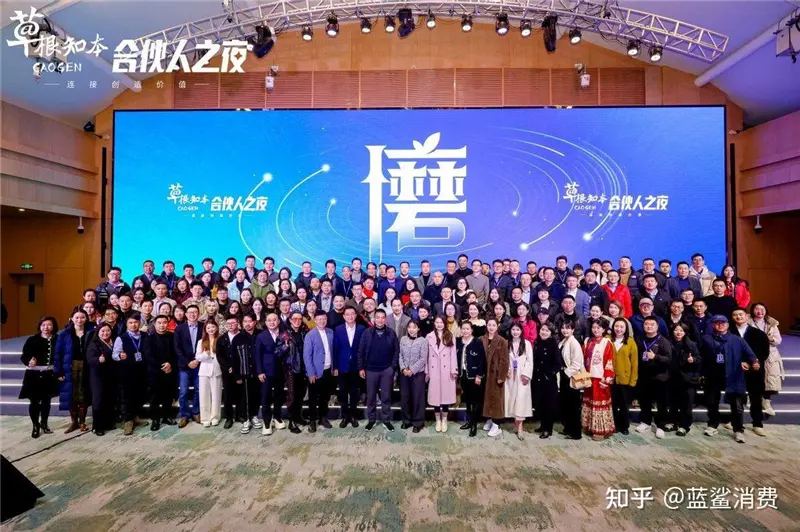
Relying on the rich industrial resources and extensive business layout of Caogenziben, SCP deeply explores the supply chain needs of multiple industries such as food consumption, creating solutions suitable for actual, demanding scenarios.
By empowering key links like cold chain logistics, we promote standardized management and efficiency improvements across the entire industrial supply chain. We work closely with international partners to expand global networks and build highly competitive supply chain ecosystems.
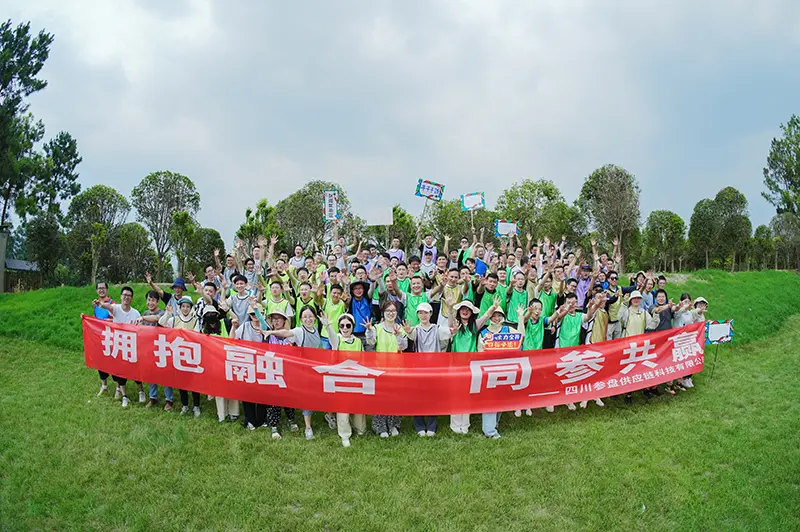
Guided by our vision to "Lead the technological upgrade of the supply chain and achieve extraordinary value for transformers," we integrate sustainable concepts into our corporate strategy. We focus not only on profitability but on fostering green, intelligent, and efficient industries.
We aim to build standard-setting collaborative networks for future enterprises, contributing to a more sustainable, automated global logistics landscape.
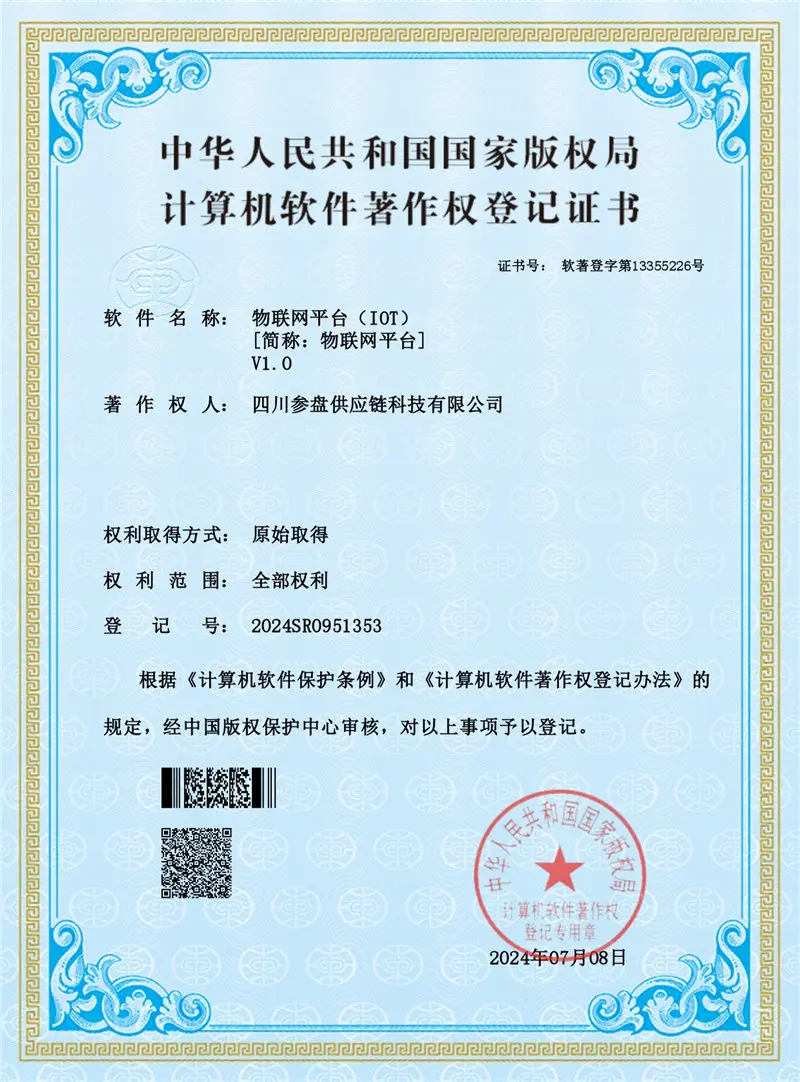
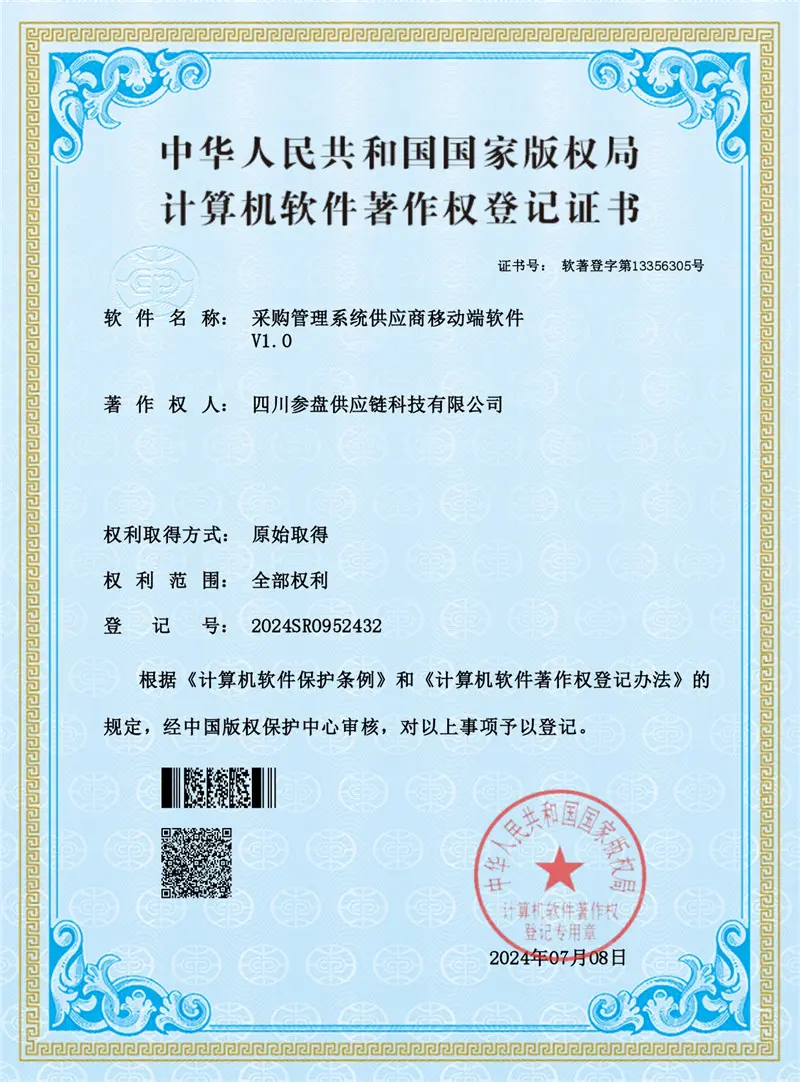
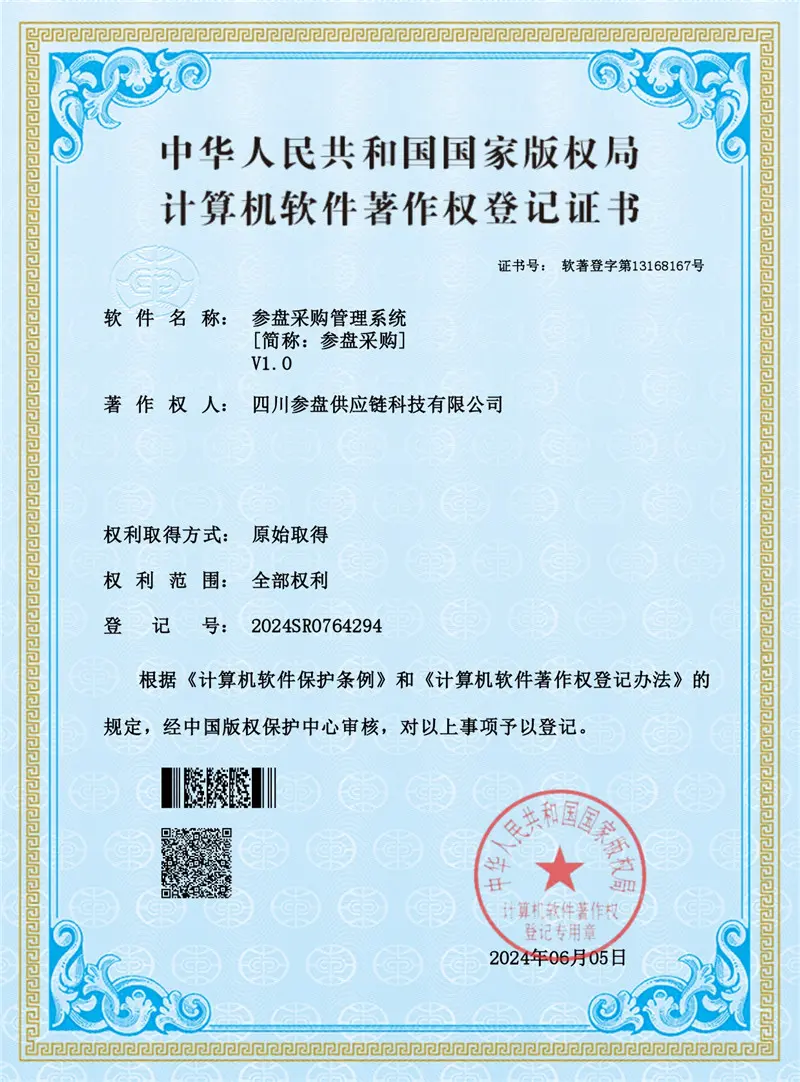
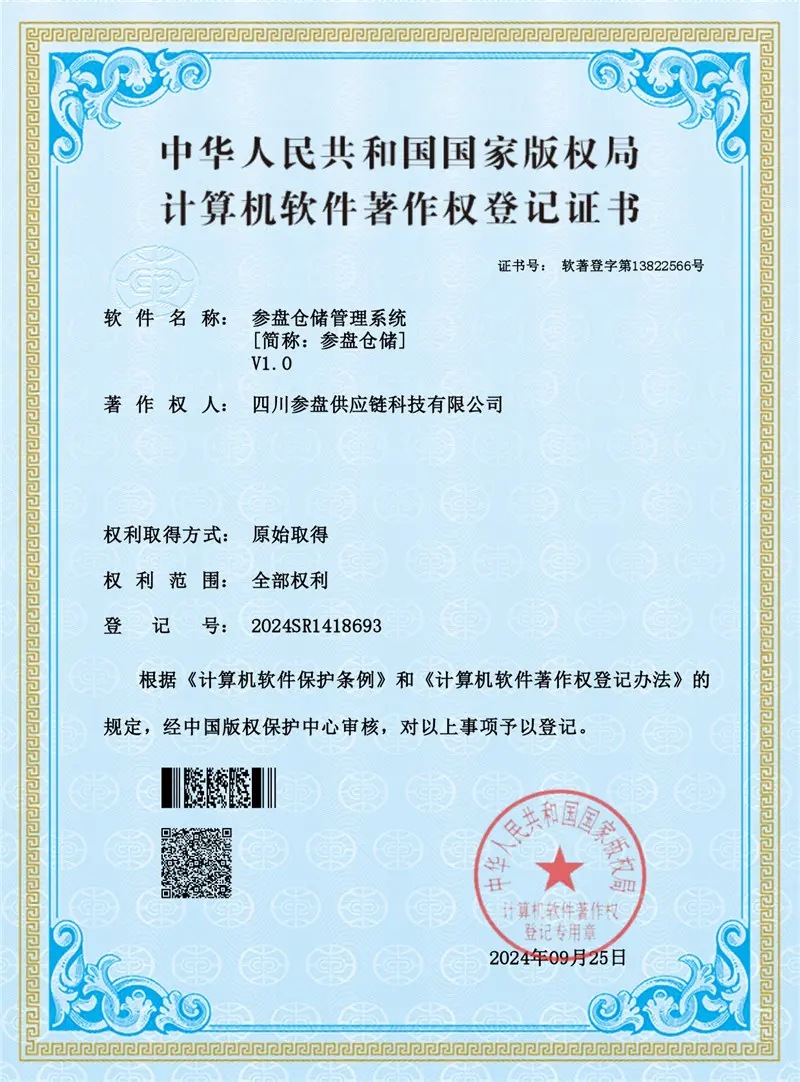
Proof of rigorous quality control, design standards, and international logistics compliance.
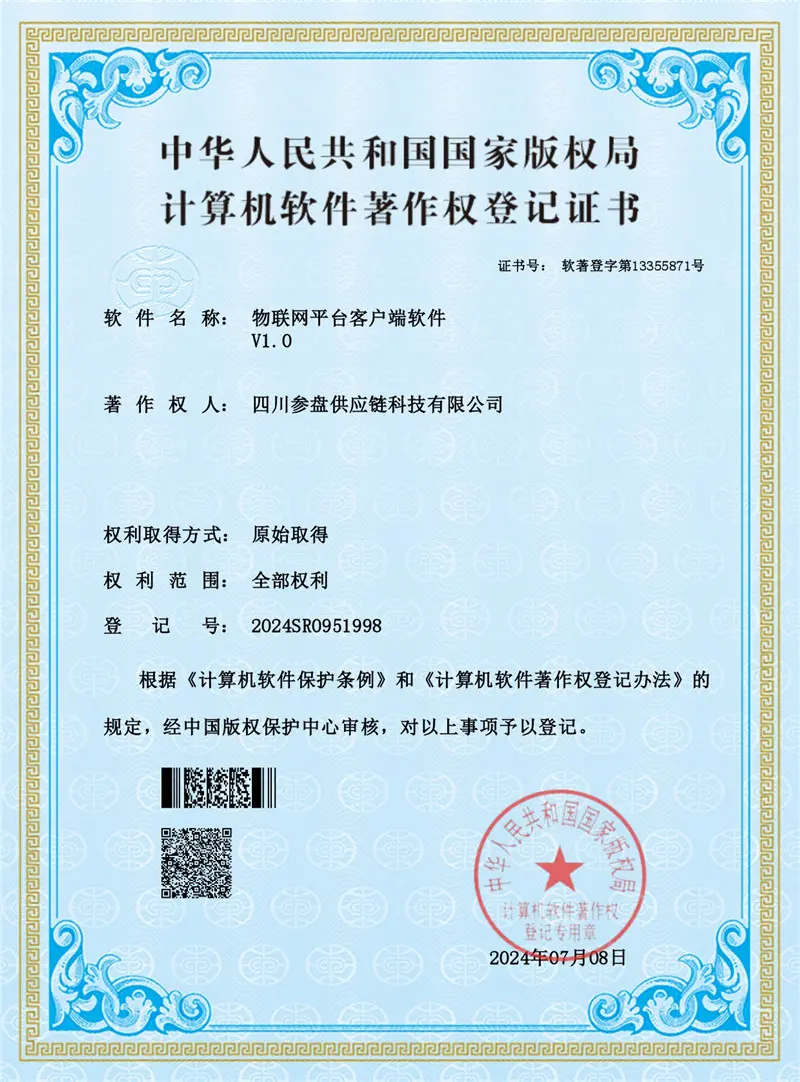
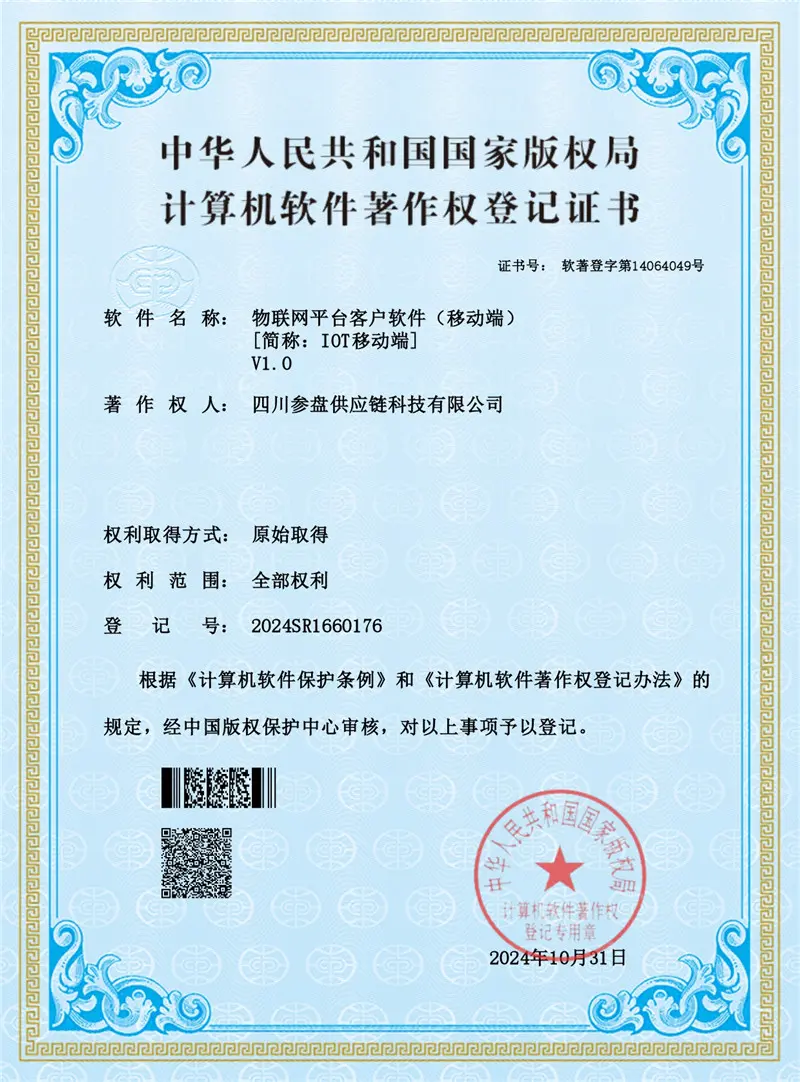
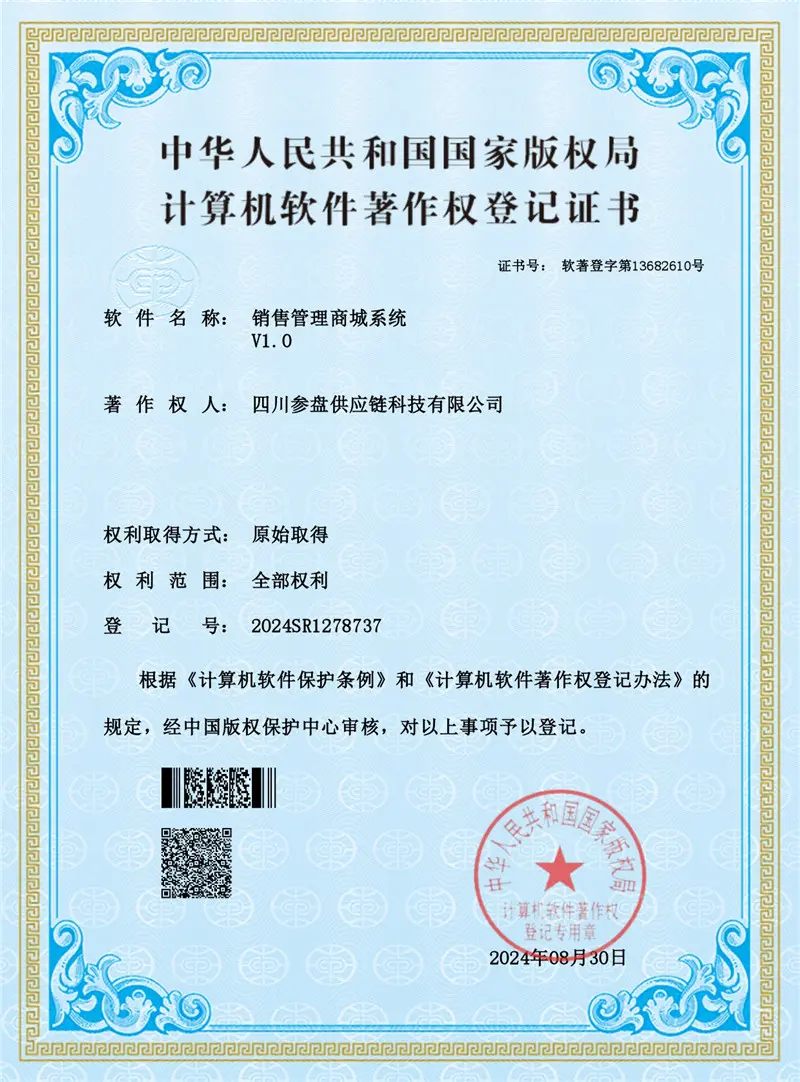
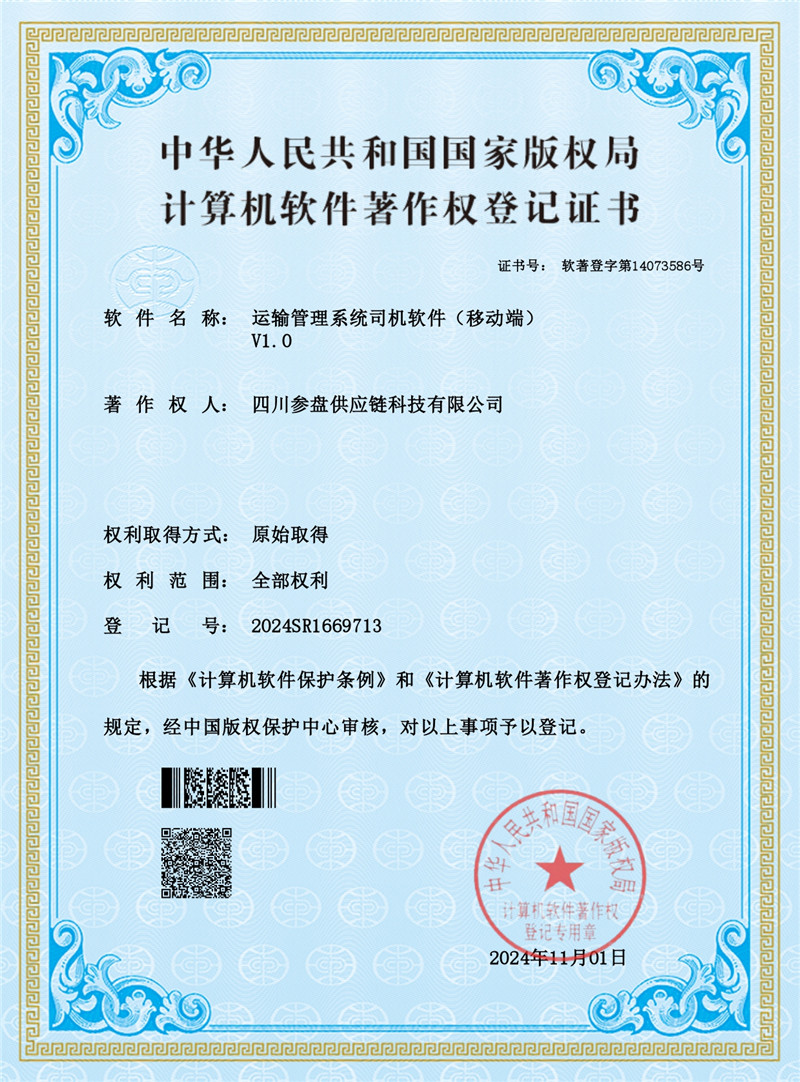
Automating Sensitive, High-Throughput Environments
SCP focuses on providing comprehensive solutions for food supply chains, as well as the research, development, and manufacture of intelligent software and hardware products. Leveraging the Internet of Things (IoT), AI, machine learning, and advanced robotic devices, we deploy automated, digitized systems that enhance the operational efficiency of supply chain procurement, storage, and sales.
Our solutions directly address common cold-chain bottlenecks, such as sub-zero operating environments, strict sanitation regulations, real-time inventory tracking, and delicate load transitions, helping to upgrade the value of upstream and downstream industries.
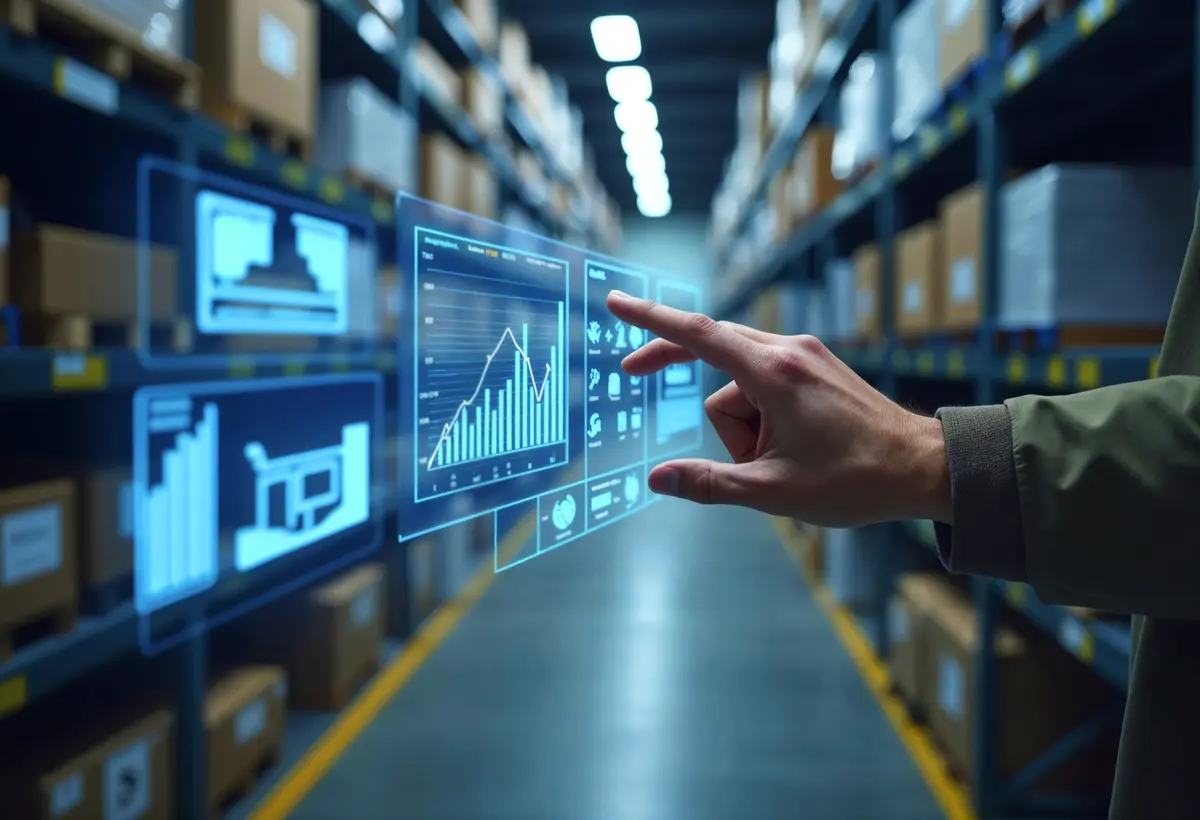
A structured framework for supply chain directors, warehouse managers, and procurement officers evaluating Chinese AMR platforms.
When selecting a factory supplier for your fleet of Laser SLAM forklifts, focus on technical interoperability and mechanical reliability. Key requirements include:
Discover our range of heavy-payload autonomous machinery, precision stackers, and integrated floor-scale technology manufactured to exacting standards.
Answering key structural and technical questions for global system integrators and logistics directors.
 SCP
SCP