High-precision AGVs, AMRs, and Smart Forklifts engineered for modern manufacturing logistics.
Exploring global industrial transformation driven by laser SLAM, automated guided vehicles, and software-integrated supply chain platforms.
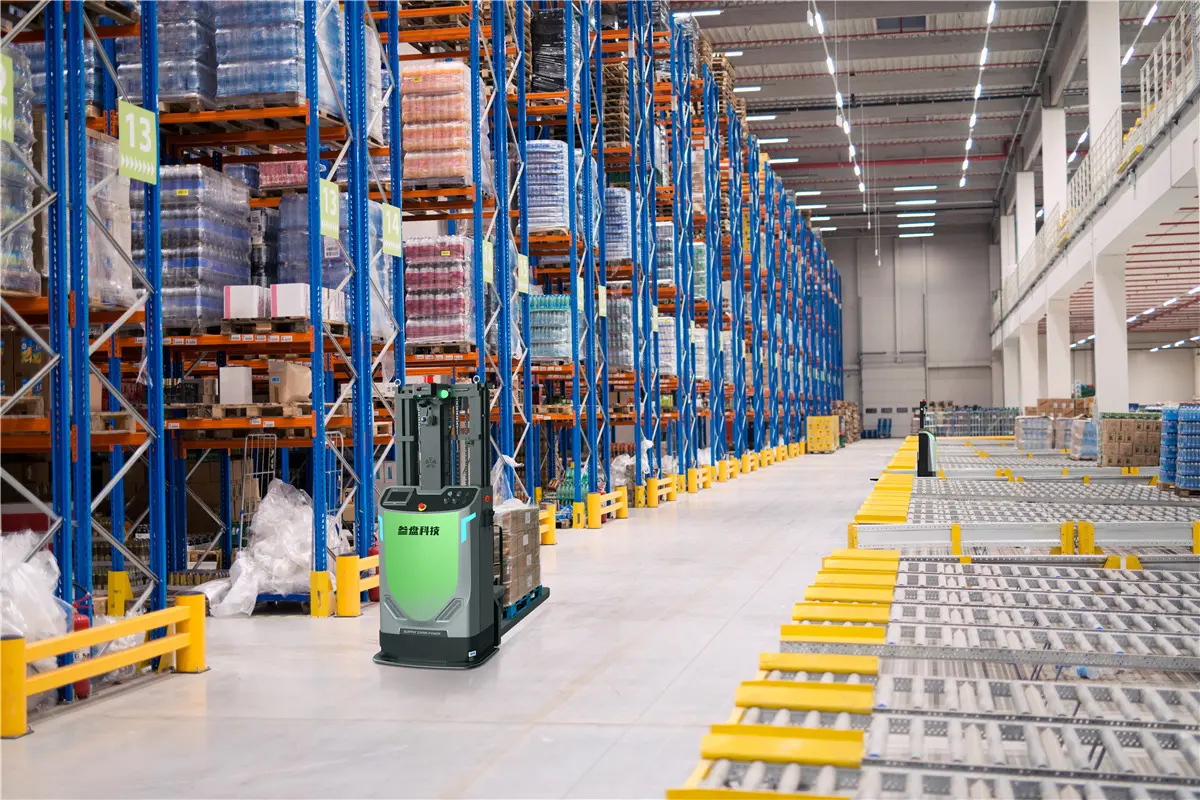
Across modern manufacturing, distribution, and food processing industries, loading and unloading docks represent the critical interface between internal factory production lines and dynamic global shipping networks. Traditionally, these nodes have suffered from labor scarcity, high operational error rates, and safety liabilities. As the industrial sector transitions toward Industry 4.0, China suppliers and factories have emerged as the vanguard of high-precision autonomous guided vehicles (AGVs), autonomous mobile robots (AMRs), and smart laser SLAM (Simultaneous Localization and Mapping) forklifts.
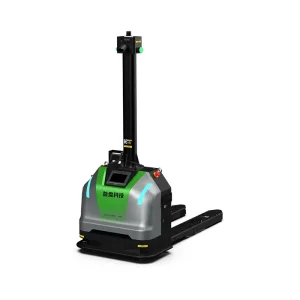
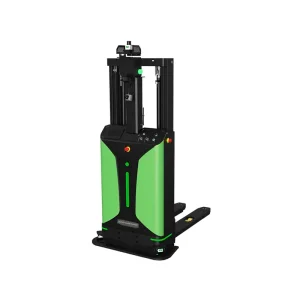
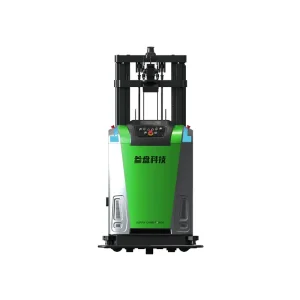
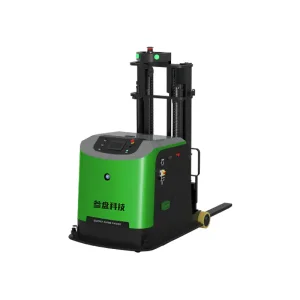
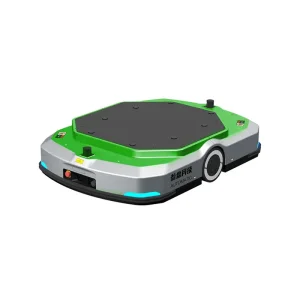
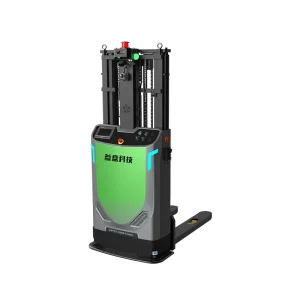
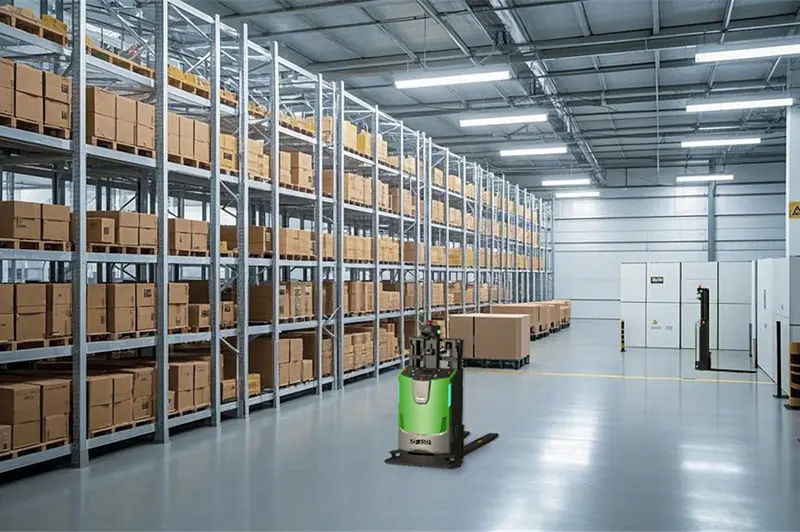
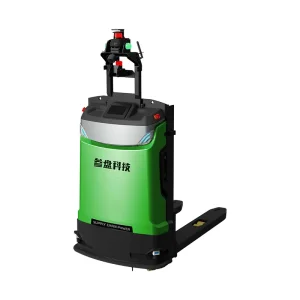
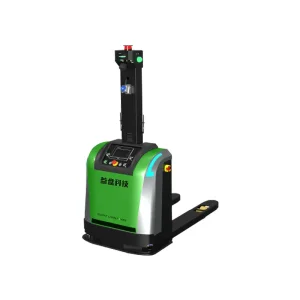
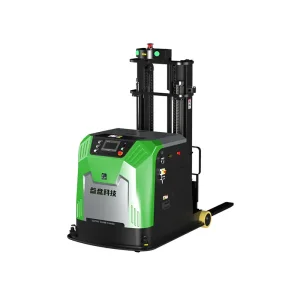
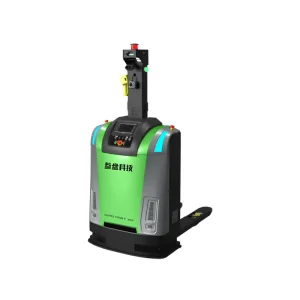
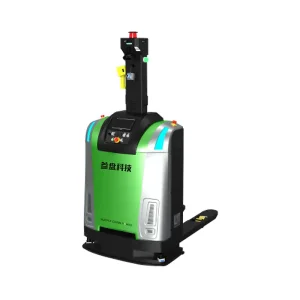
The automation of cargo loading is no longer just about mechanical speed; it is an optimization challenge solved by real-time spatial awareness, edge computing, and adaptive kinematics. China's leading factories now utilize complex multi-sensor fusion architectures. By integrating LiDAR, depth cameras, time-of-flight (ToF) sensors, and high-frequency tactile arrays, autonomous forklifts like the SFL-CPD30-Y and SFL-CDD16 navigate mixed-traffic environments, safely identifying irregular pallets, dynamic obstacles, and varying trailer heights.
Legacy automated loading systems relied heavily on magnetic tapes, wire guidance, or QR codes fixed to factory floors. These infrastructure-heavy designs lack the agility required in modern, dynamic warehousing where floor plans change and high-traffic lanes must remain unblocked.
Laser SLAM technology completely bypasses these physical modifications. Utilizing high-end 2D or 3D LiDAR sensors, the smart forklift constructs a highly detailed, real-time map of the surroundings. During operation, it dynamically cross-references active scans against this map to navigate with millimeter-level accuracy. For instance, the SFL-CBD15-ZL model is purpose-built with compact chassis frameworks, permitting fluid maneuvering in ultra-narrow aisles and inside dynamic transport containers. By pairing Laser SLAM with onboard industrial compute modules, these units operate continuously, adapting to sudden changes in cargo layout without requiring reprogramming.
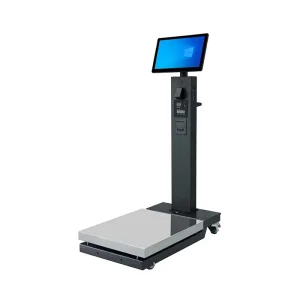
Product Architecture of SCP: Taking the actual business needs as the cornerstone, SCP is committed to comprehensively innovating and enhancing the overall supply chain planning of enterprises. We provide enterprises with comprehensive end-to-end supply chain solutions, build a multi-role and multi-dimensional intelligent supply chain collaboration system, and achieve all-round efficient collaboration and process optimization.
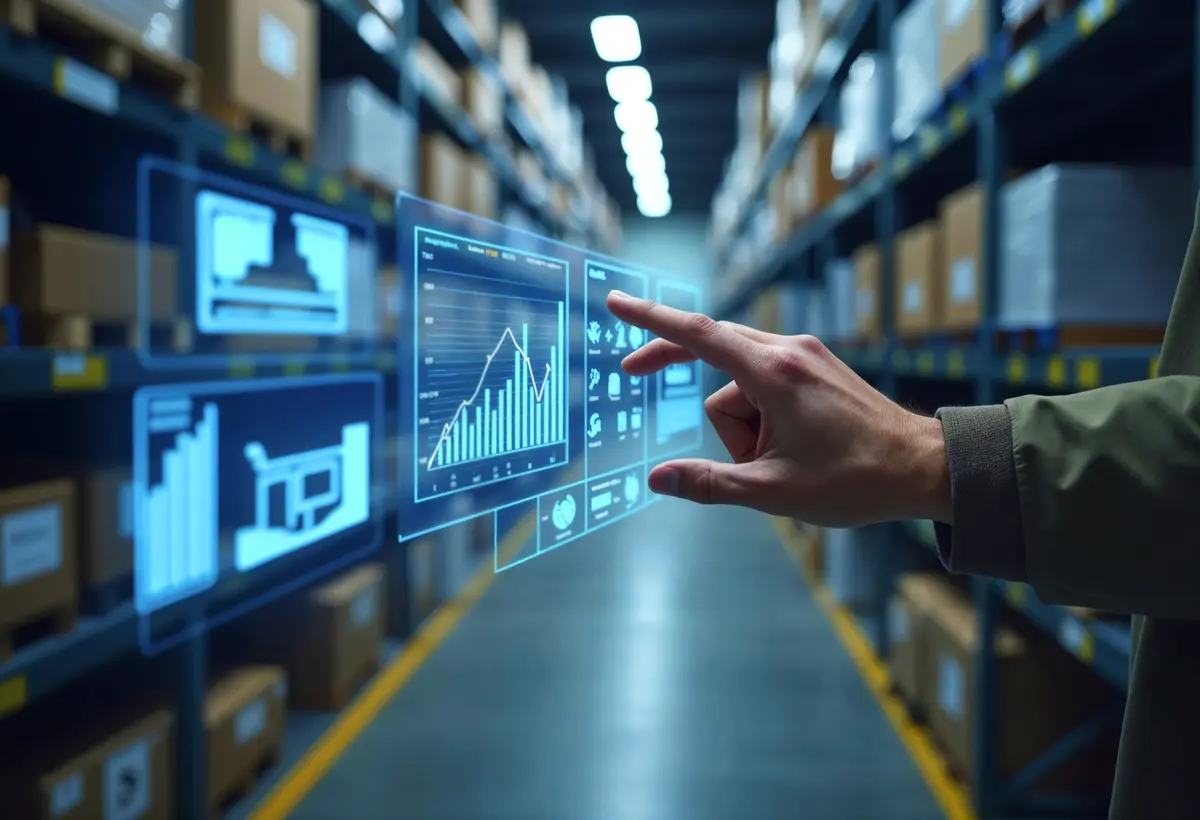
At present, SCP has established a product architecture supported by software and hardware, and supplemented by the top-level design of the supply chain control tower to create an agile, flexible and efficient end-to-end supply chain system for enterprises.
Aligning advanced technology with sustainable social impact and industry evolution.
Why global buyers select our integrated logistics technologies for reliable factory automation.
Key considerations for international supply chain managers, logistics directors, and systems integrators.
When purchasing heavy material handling robots, global companies require strict compliance with international standards. In Europe and the US, equipment must comply with the ISO 3691-4 standard, which governs safety requirements for driverless industrial trucks. This means Chinese suppliers must design redundant safety circuits, including dual-channel safety LiDAR, emergency stop configurations, and active obstacle avoidance paths. Our SFL-CDD14-CE has been specifically certified for European environments, ensuring that overseas safety audits are passed effortlessly.
Hardware components operate in isolation without high-level digital synchronization. Modern factories rely on complex ERP (Enterprise Resource Planning) systems such as SAP or Oracle, alongside advanced Warehouse Management Systems (WMS). For automated loading processes to succeed, the robotic system must communicate with the Warehouse Control System (WCS) in real-time. Our self-developed software modules and control towers provide open API integrations, facilitating seamless dispatching, task queuing, and battery monitoring of the entire robotic fleet.
Building future-proof logistics technologies through ecological research and long-term vision.
In terms of technology research and development, SCP continues to increase its investment and constantly optimize the product architecture supported by software and hardware and the top-level design of the supply chain control tower.
By strengthening the self-development and integration capabilities of various systems in procurement, sales, and supply, we continuously improve the technical level and competitiveness of our products and services. We build a solid foundation for the sustainable development of enterprises and the industry with leading technologies.
At the same time, we actively explore the application of cutting-edge technologies in the supply chain field, promote technological iteration and upgrading, and maintain a leading position in the industry in terms of technology.
In terms of ecological construction, relying on the rich industrial resources and extensive business layout of Caogenziben, SCP deeply explores the supply chain needs of multiple industries such as food consumption and creates solutions that are suitable for actual scenarios.
By empowering key links such as cold chain logistics, we promote the standardized management and efficiency improvement of the supply chain and facilitate the collaborative development of the entire industrial chain.
In addition, we actively carry out in-depth cooperation with overseas partners, absorb international advanced experience and technologies, expand the international market, enhance the global influence of the enterprise, and build a supply chain technology ecosystem with international competitiveness.
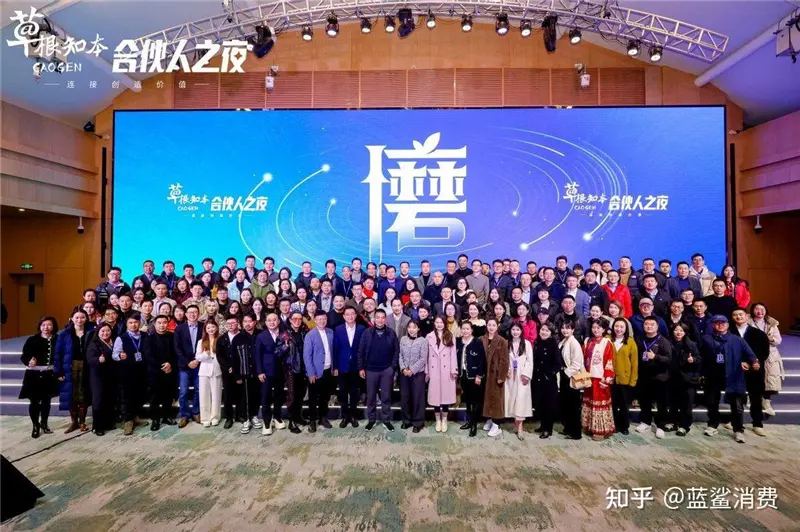
From a long-term development perspective, with the vision of "Leading the technological upgrade of the supply chain and achieving extraordinary value for transformers", SCP integrates the concept of sustainable development into its corporate strategic planning and daily operations.
We not only focus on our own growth and profitability but also look to promote the green, intelligent, and efficient development of the industry. We build a more perfect supply chain collaboration system for future enterprises.
While achieving our own sustainable development, we create greater value for society and become a backbone force in promoting the sustainable development of the supply chain technology industry.
The strategic trajectory of autonomous warehouse fleets toward cloud intelligence, ultra-wideband communications, and machine learning.
Transition from hybrid navigation models to pure, reflectorless Laser SLAM with dynamic 3D mapping and real-time point-cloud updates.
Integrating localized automated systems with outdoor yard management protocols, allowing forklifts to seamlessly transition between indoor factories and dynamic trailer loading bays.
Harnessing the speed of 5G cellular systems to execute centralized multi-agent path finding (MAPF) algorithms across hundreds of operational robots.
Implementing neural network-driven visual inspection modules, empowering mobile units to classify damaged packaging, read shipping labels, and optimize load distribution dynamically.
Verified manufacturing processes matching global safety standards and food supply chain necessities.
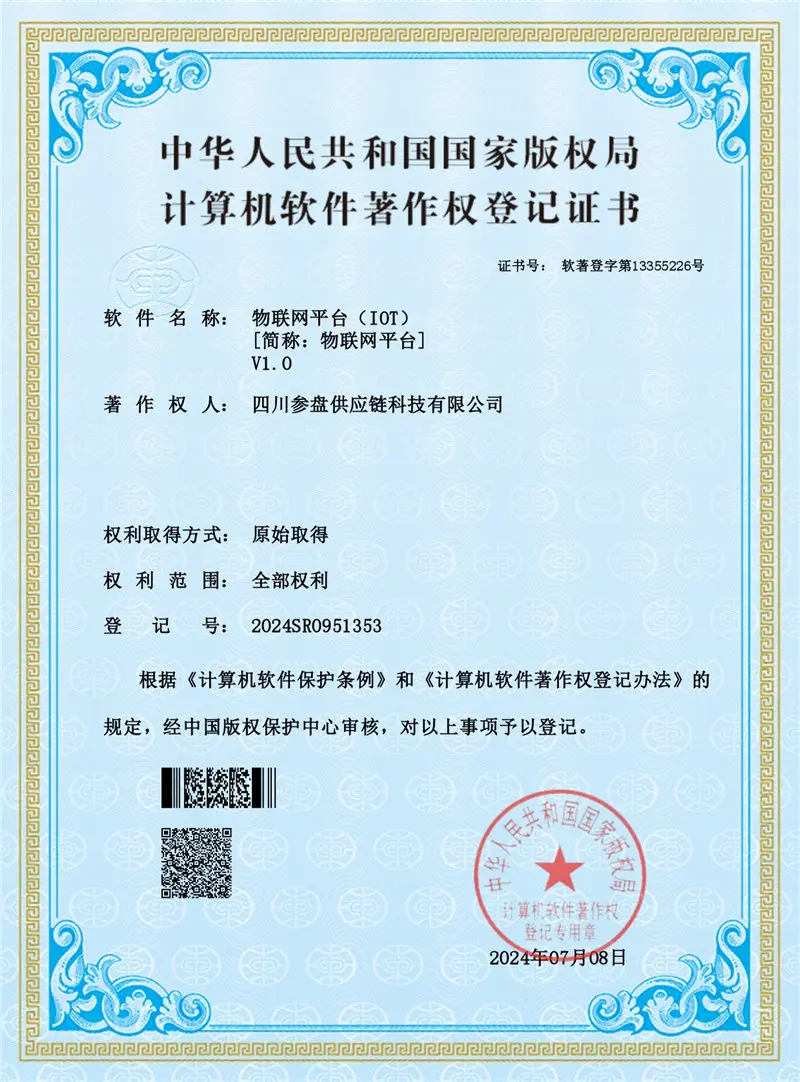
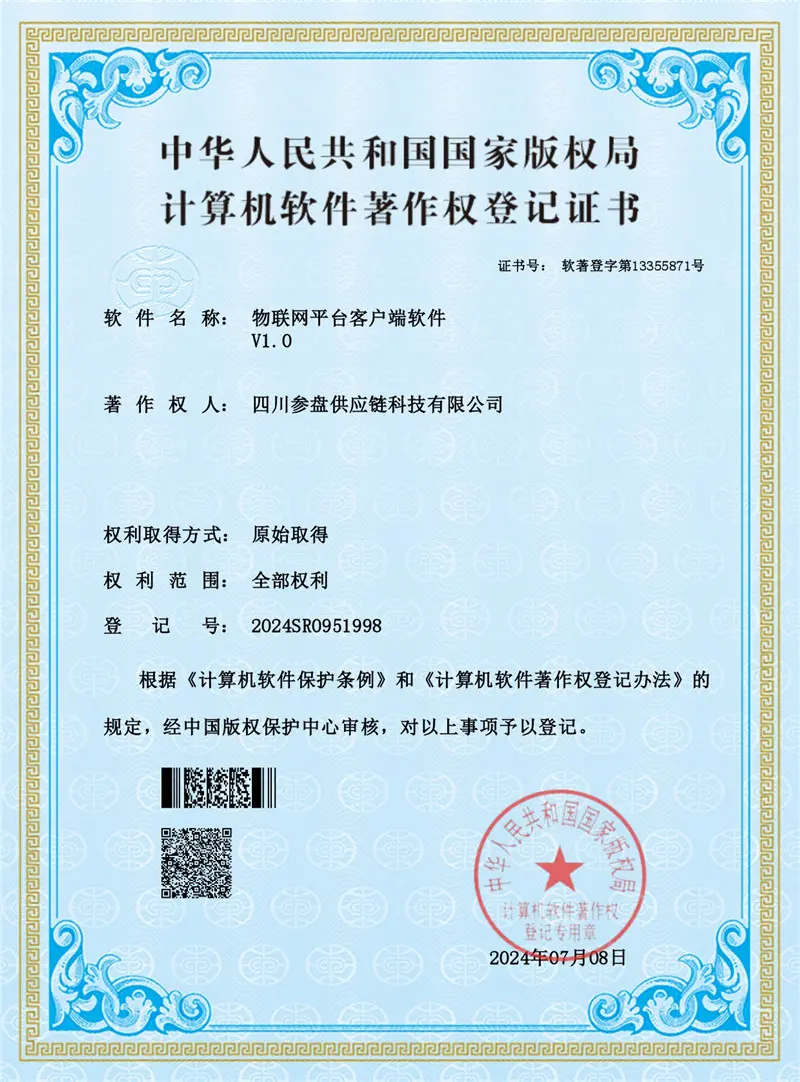
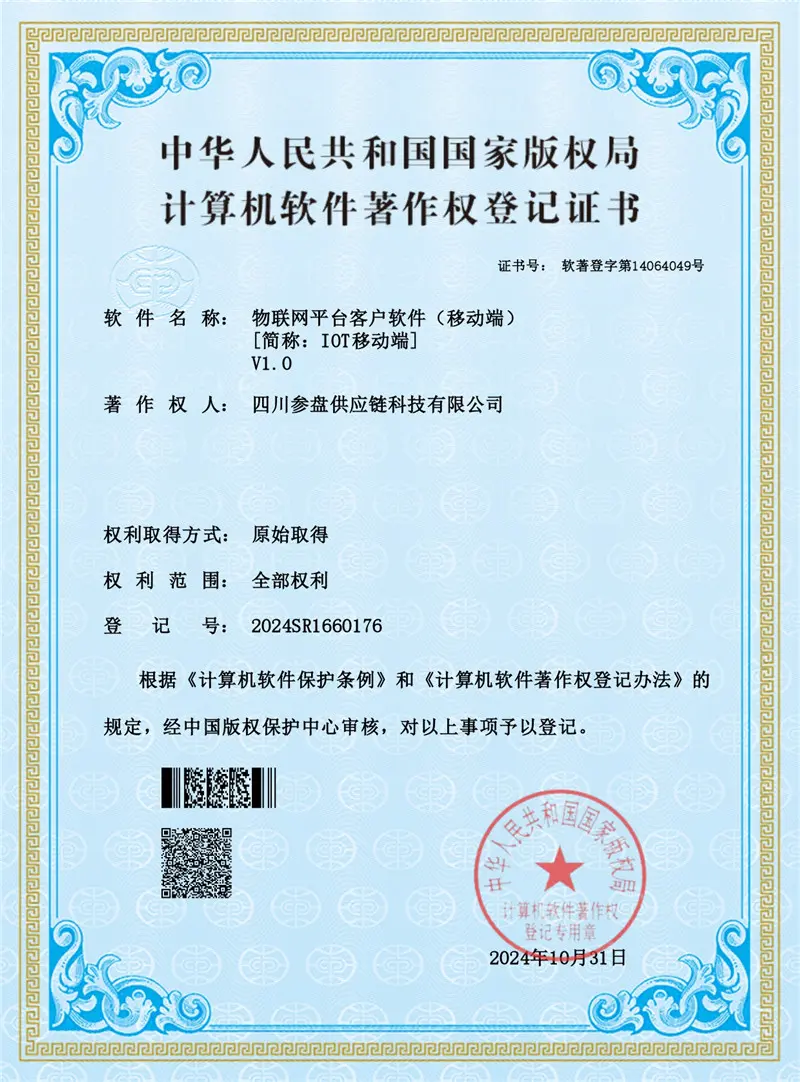
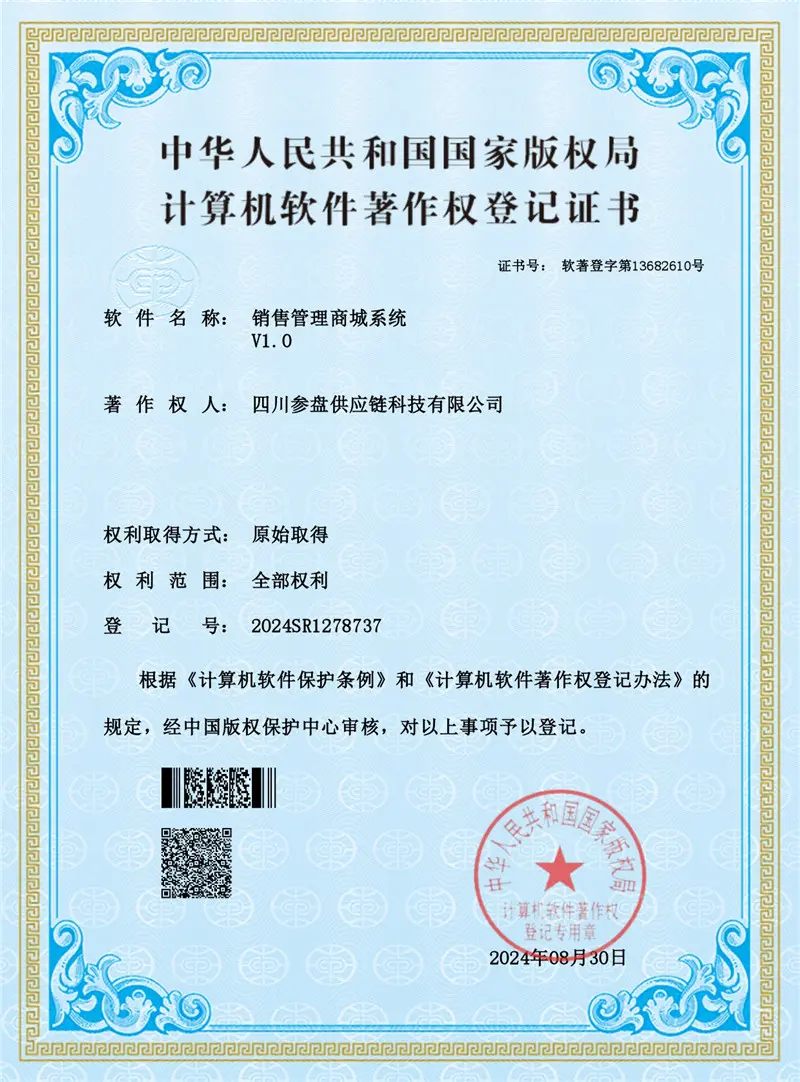
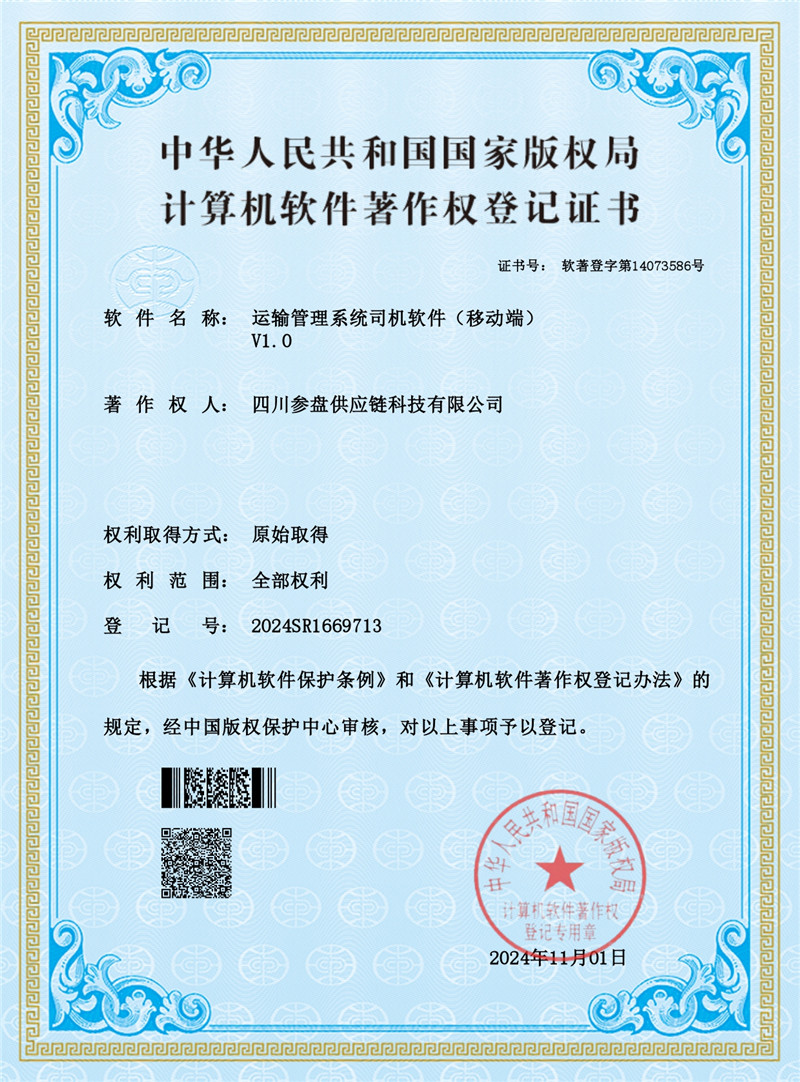
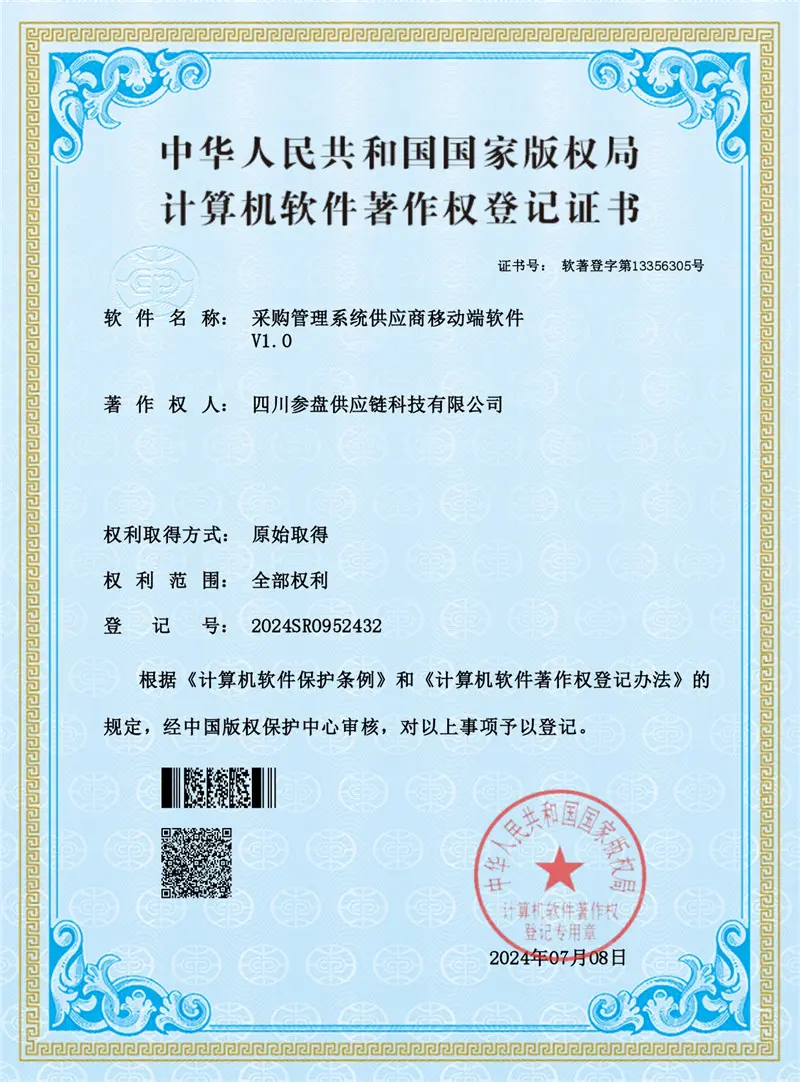
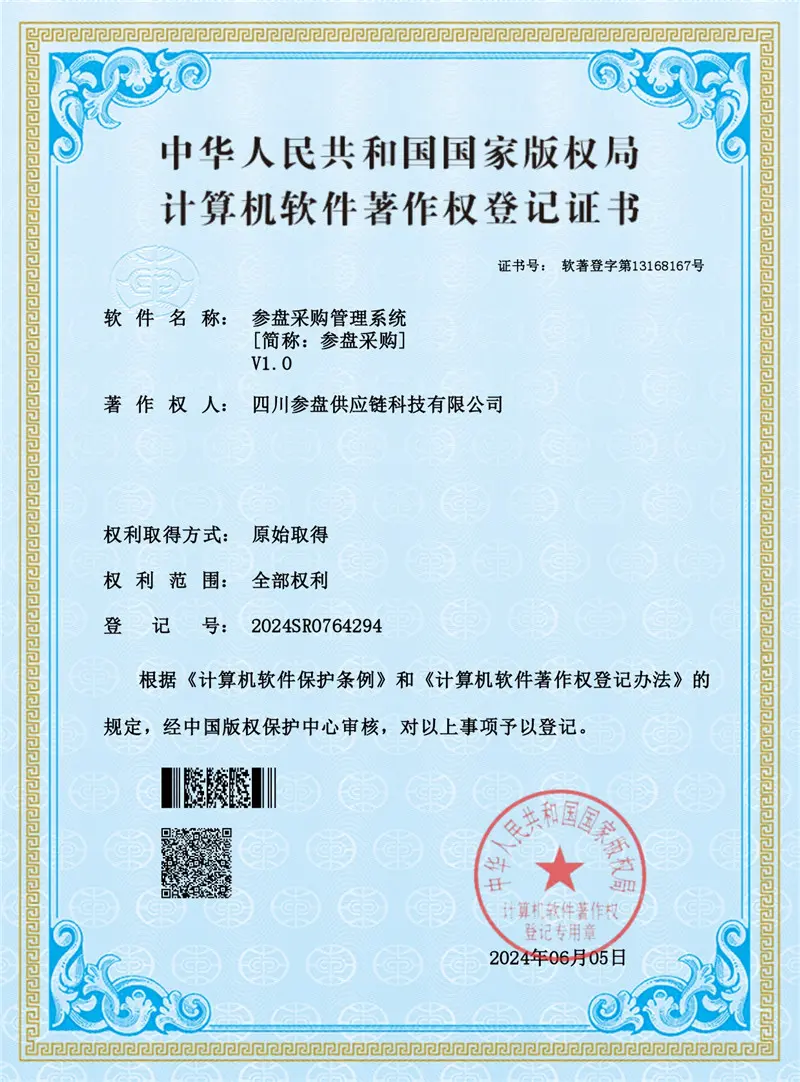
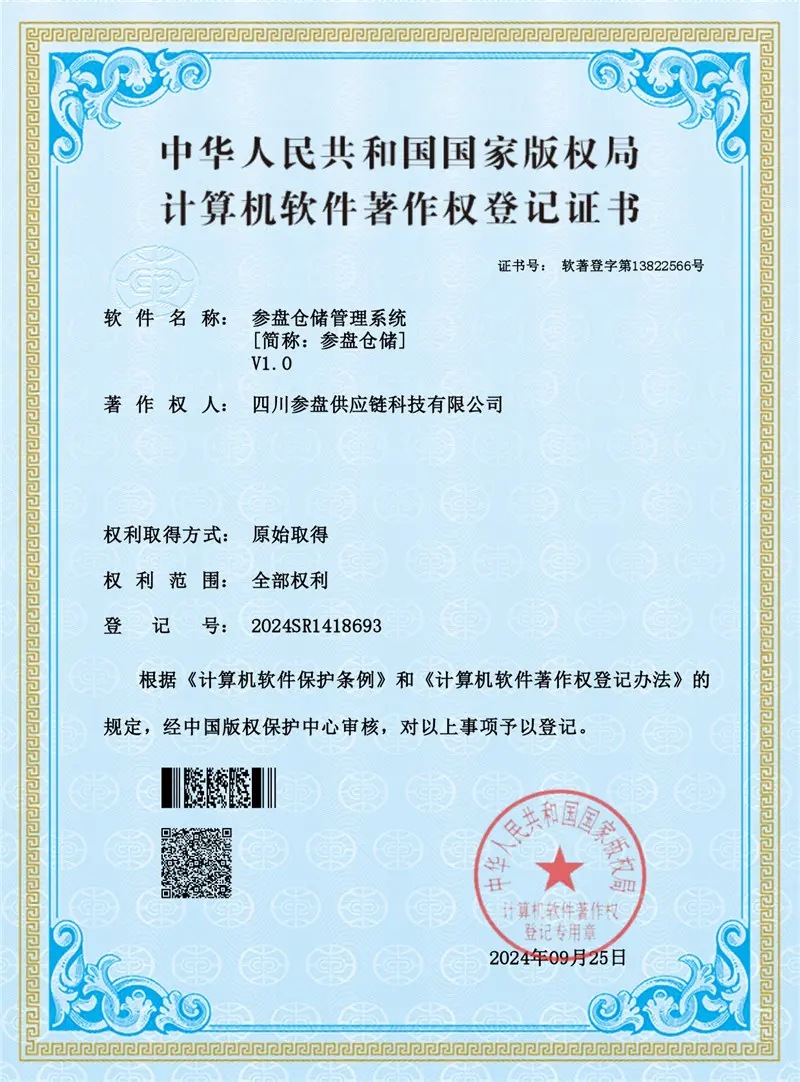
Solution Strategy: SCP focuses on providing comprehensive solutions for the food supply chain, as well as research and development of intelligent software and hardware products and services. The company aims to be based on the Internet of Things AI, The comprehensive application of machine learning, intelligent devices and other technologies, through automated, digitized, intelligent and systematic technology products and solution matrices, enhances the overall operational efficiency of supply chain procurement/supply/sales, and helps upgrade the value of upstream and downstream industries.
Technical and operational insights on implementing robotic loading systems within global supply infrastructures.
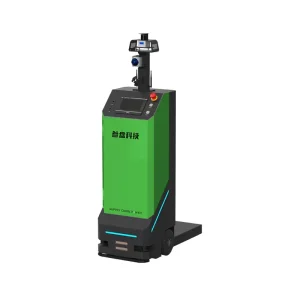
Engineered options from 300kg modular AMRs up to heavy 3T counterbalanced SLAM forklifts.
 SCP
SCP