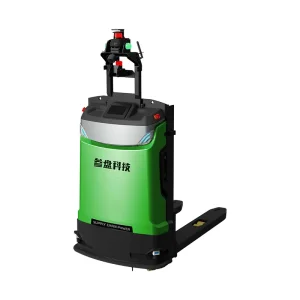
Premium intelligent industrial logistics systems engineered for dynamic warehouse environments, heavy cargo, and autonomous fleet coordination.
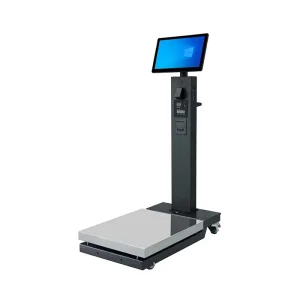
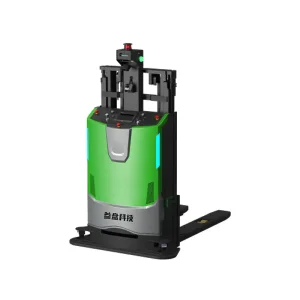
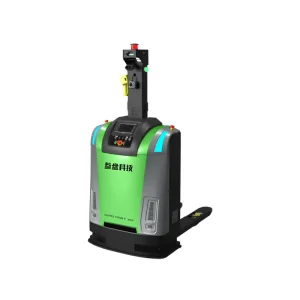
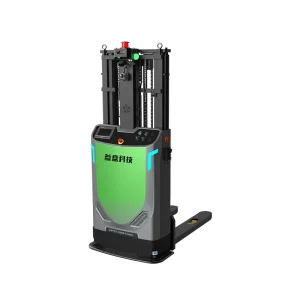
Taking the actual business needs as the cornerstone, SCP is committed to comprehensively innovating and enhancing the overall supply chain planning of enterprises. We provide enterprises with comprehensive end-to-end supply chain solutions, build a multi-role and multi-dimensional intelligent supply chain collaboration system, and achieve all-round efficient collaboration and process optimization. At present, SCP has established a product architecture supported by software and hardware, and supplemented by the top-level design of the supply chain control tower to create an agile, flexible and efficient end-to-end supply chain system for enterprises.
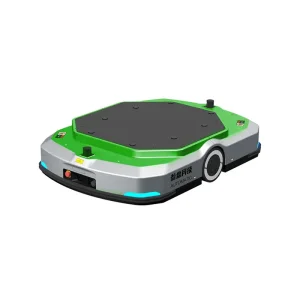
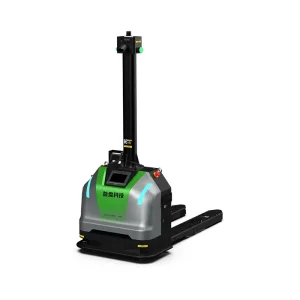
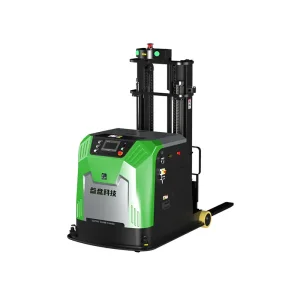
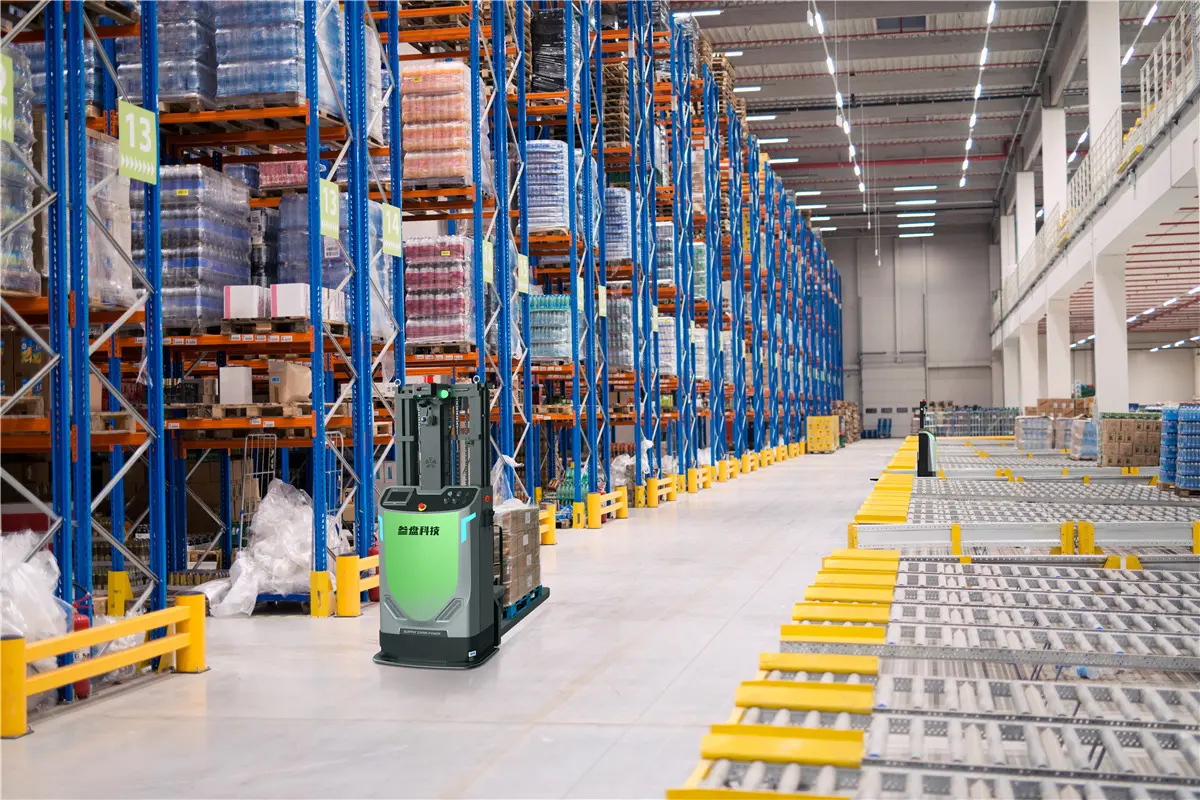
By integrating physical automation execution (like high-load smart forklifts and flexible mobile robot chassis) with dynamic cloud-based coordination logic, SCP establishes a unified platform where operational hardware meets predictive software.
Driving technological growth at the intersection of execution excellence and community value.
Benefiting farmers and bringing welfare to consumers
Leading the technological upgrade of the supply chain and achieving extraordinary value for transformers
Alliance of Developers of New Quality Supply Chain Technology
Analyzing the global paradigm shift from isolated warehouse machinery to collaborative multi-robot ecosystems.
The modernization of manufacturing and warehousing is accelerating globally, driven by escalating labor costs, critical labor shortages, and demand for 24/7 continuous operations. In regions like North America, Western Europe, and parts of the Asia-Pacific, companies are moving beyond simple conveyor automation. Today, the focus is on heterogeneous multi-robot fleets. In these systems, different classes of mobile robots—such as high-capacity pallet stackers, low-profile underride AMRs, and smart robotic scales—coexist within the same physical environment, communicating dynamically in real time.
China has emerged as a key center for this transition, acting not just as a high-volume manufacturing base but as an R&D leader in Laser SLAM (Simultaneous Localization and Mapping) navigation. By integrating production, specialized sensor sourcing, and fast software iteration, Chinese manufacturers deliver industrial robotics with competitive total cost of ownership (TCO) and advanced technological features.
Leveraging deep industrial insights and digital platforms to build responsive logistics networks.
As a subsidiary of New Hope Group, we have a good market reputation and execution ability. Moreover, we have an in-depth understanding of multiple industries.
We were incubated based on the digital needs of the business side within the New Hope system, and have participated in many projects of the same type. Therefore, we have a better understanding of the actual business scenarios and demands.
We possess the self-development and integration capabilities for various systems in procurement, sales, and supply. We can well meet the individual needs of different customers.
We provide certain light consulting services alongside projects, covering multiple dimensions such as process optimization and assessment weight, to assist customers in the construction of digital transformation of their supply chains.
We have a professional delivery team for commercial projects. We actively respond to the personalized needs of customers and can ensure fast and high-quality delivery according to customer requirements.
Developing robust localization, smart safety profiles, and open communication protocols for modern material handling.
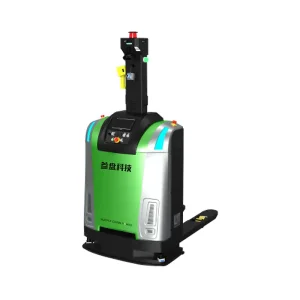
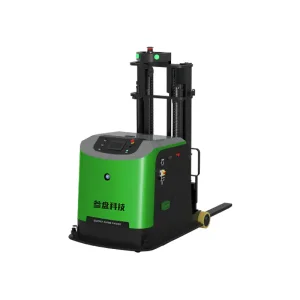
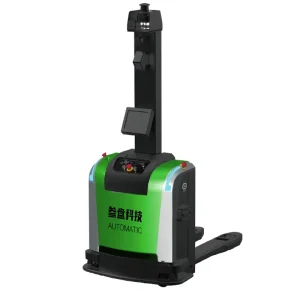
Our autonomous stackers and low-chassis systems combine LiDAR sensors, gyroscope IMUs, and optical encoders. This design ensures centimeter-level accuracy without relying on fixed wire guidance or magnetic tape.
Our Robot Control System (RCS) handles route planning, battery status, and traffic management. Using dynamic path planning, the software helps prevent gridlock, keeping multiple machines running smoothly together.
Built for rigorous industrial tasks, our systems support load capacities ranging from 300kg to 3000kg. High-quality drives, rugged frames, and efficient LiFePO4 batteries allow machines to run through long shifts with minimal maintenance.
Addressing the strict integration, safety, and business standards required by international enterprise procurement managers.
For global logistics executives, procuring autonomous robotic hardware is more than just purchasing vehicles; it requires calculating the total cost of ownership (TCO) and verifying integration pathways. Modern procurement protocols require automated machinery to integrate smoothly with existing ERP platforms like SAP or Oracle, and run seamlessly alongside existing WMS environments.
Through our customized configuration pathways, buyers can specify safety features (such as 360-degree safety LiDAR fields, obstacle-avoidance cameras, and active pressure bumpers) to meet local regulations. This helps ensure compliance with international industrial safety guidelines.
Deploying multi-robot systems from different manufacturers can sometimes lead to software silos. To address this, we support standardization protocols, including VDA 5050. This interface standard allows vehicles of different sizes and capacities—from light AMRs to heavy counterbalance forklifts—to receive tasks from a single, centralized orchestrator.
This standardized approach helps simplify setup, reduces hardware friction, and ensures that warehouse expansions can scale smoothly over time.
Structuring clean, efficient, and future-proof digital supply chain operations.
In terms of technology research and development, SCP continues to increase its investment and constantly optimize the product architecture supported by software and hardware and the top-level design of the supply chain control tower.
By strengthening the self-development and integration capabilities of various systems in procurement, sales, and supply, we continuously improve the technical level and competitiveness of our products and services. We build a solid foundation for the sustainable development of enterprises and the industry with leading technologies. At the same time, we actively explore the application of cutting-edge technologies in the supply chain field, promote technological iteration and upgrading, and maintain a leading position in the industry in terms of technology.
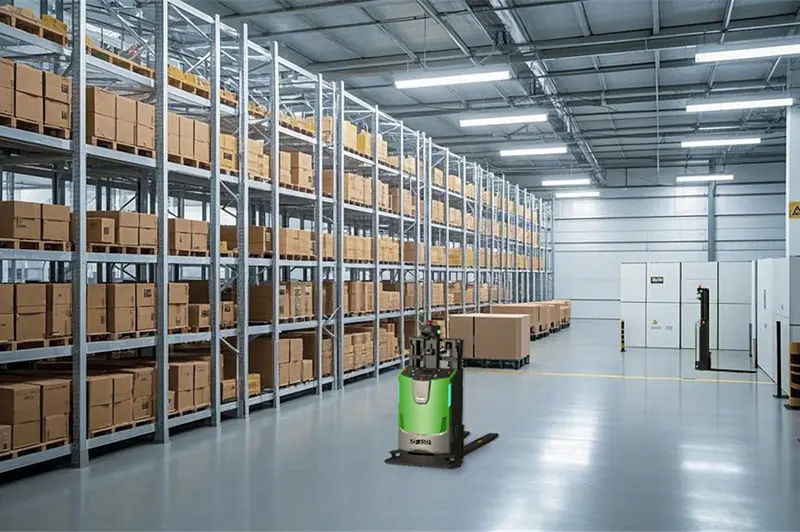
In terms of ecological construction, relying on the rich industrial resources and extensive business layout of Caogenziben, SCP deeply explores the supply chain needs of multiple industries such as food consumption and creates solutions that are suitable for actual scenarios.
By empowering key links such as cold chain logistics, we promote the standardized management and efficiency improvement of the supply chain and facilitate the collaborative development of the entire industrial chain. In addition, we actively carry out in-depth cooperation with overseas partners, absorb international advanced experience and technologies, expand the international market, enhance the global influence of the enterprise, and build a supply chain technology ecosystem with international competitiveness.
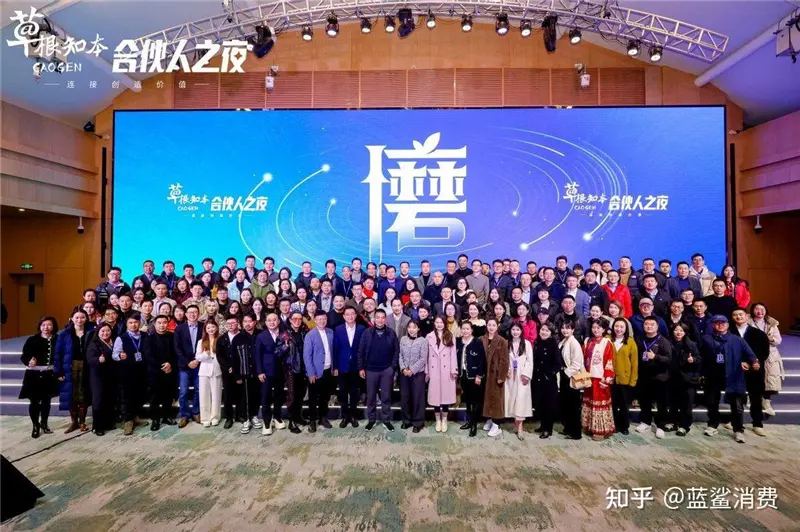
From a long-term development perspective, with the vision of "Leading the technological upgrade of the supply chain and achieving extraordinary value for transformers", SCP integrates the concept of sustainable development into its corporate strategic planning and daily operations.
We not only focus on our own growth and profitability but also look to promote the green, intelligent, and efficient development of the industry. We build a more perfect supply chain collaboration system for future enterprises. While achieving our own sustainable development, we create greater value for society and become a backbone force in promoting the sustainable development of the supply chain technology industry.
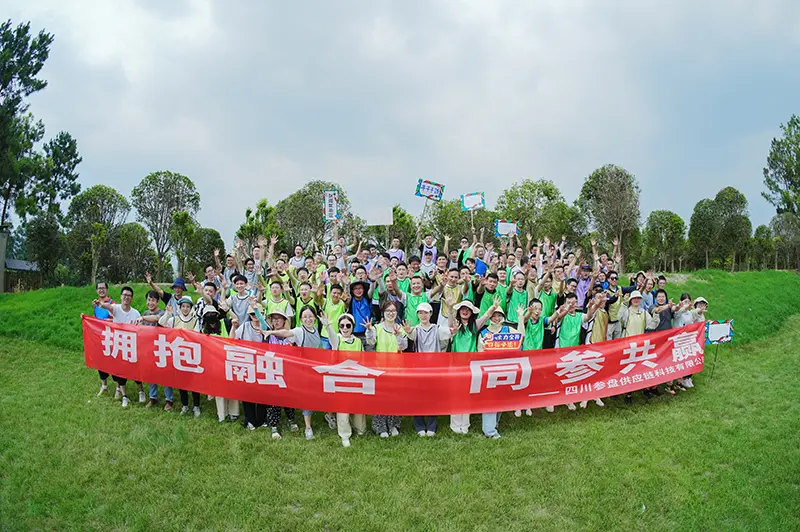
Combining intelligent software controls with autonomous handling platforms to optimize supply chain performance.
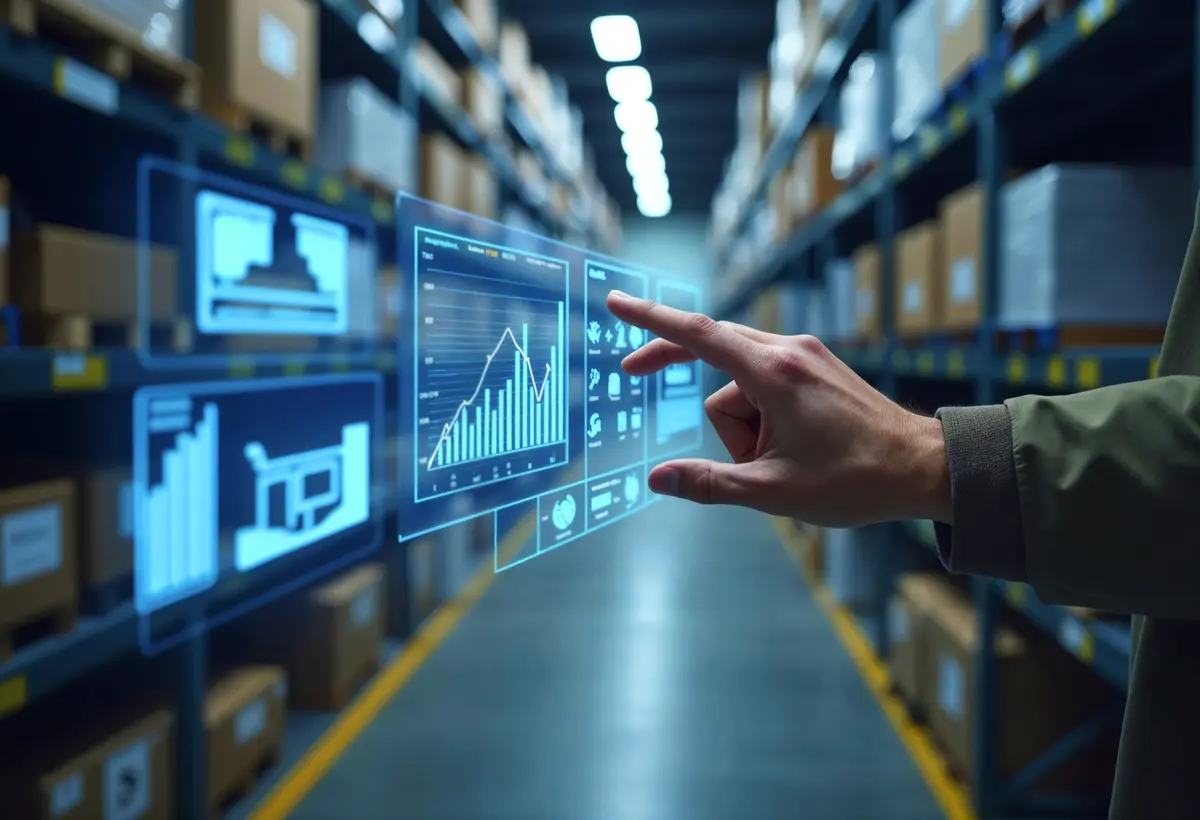
SCP focuses on providing comprehensive solutions for the food supply chain, as well as research and development of intelligent software and hardware products and services. The company aims to be based on the Internet of Things AI, the comprehensive application of machine learning, intelligent devices and other technologies, through automated, digitized, intelligent and systematic technology products and solution matrices, enhances the overall operational efficiency of supply chain procurement/supply/sales, and helps upgrade the value of upstream and downstream industries.
By deploying our Laser SLAM smart forklifts within dynamic cold chain facilities, food safety risks are minimized through non-contact product handling, precise route execution, and clean electrical powertrain designs.
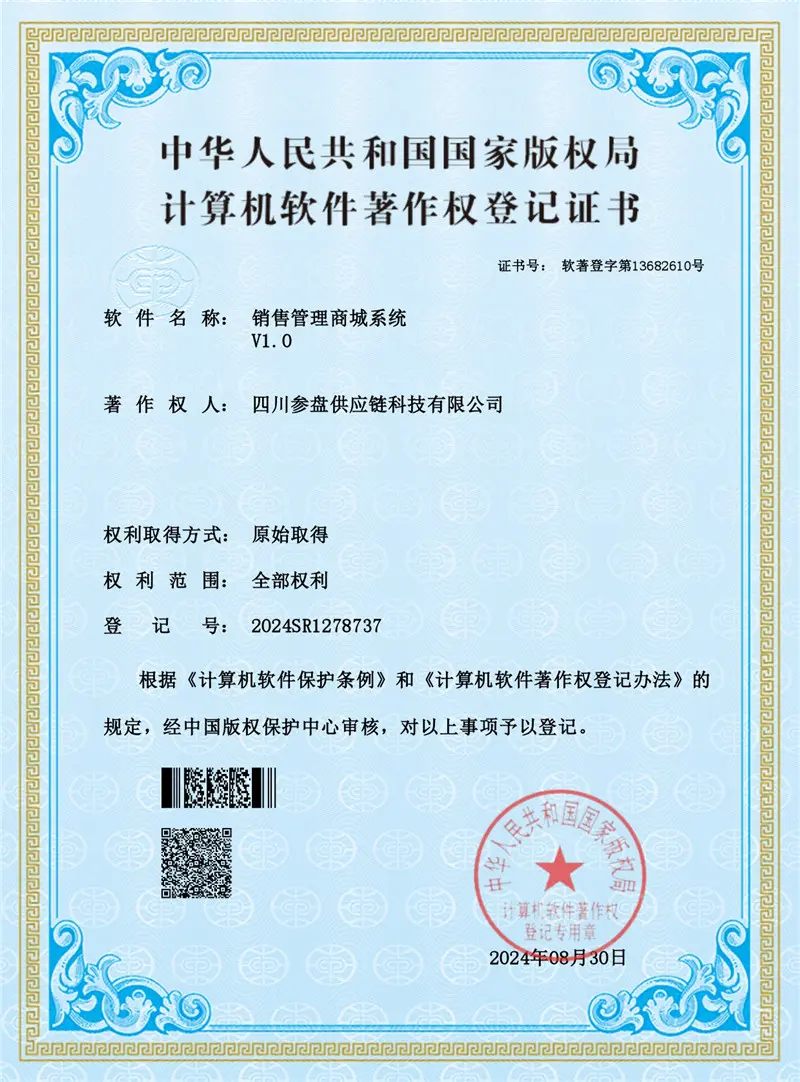
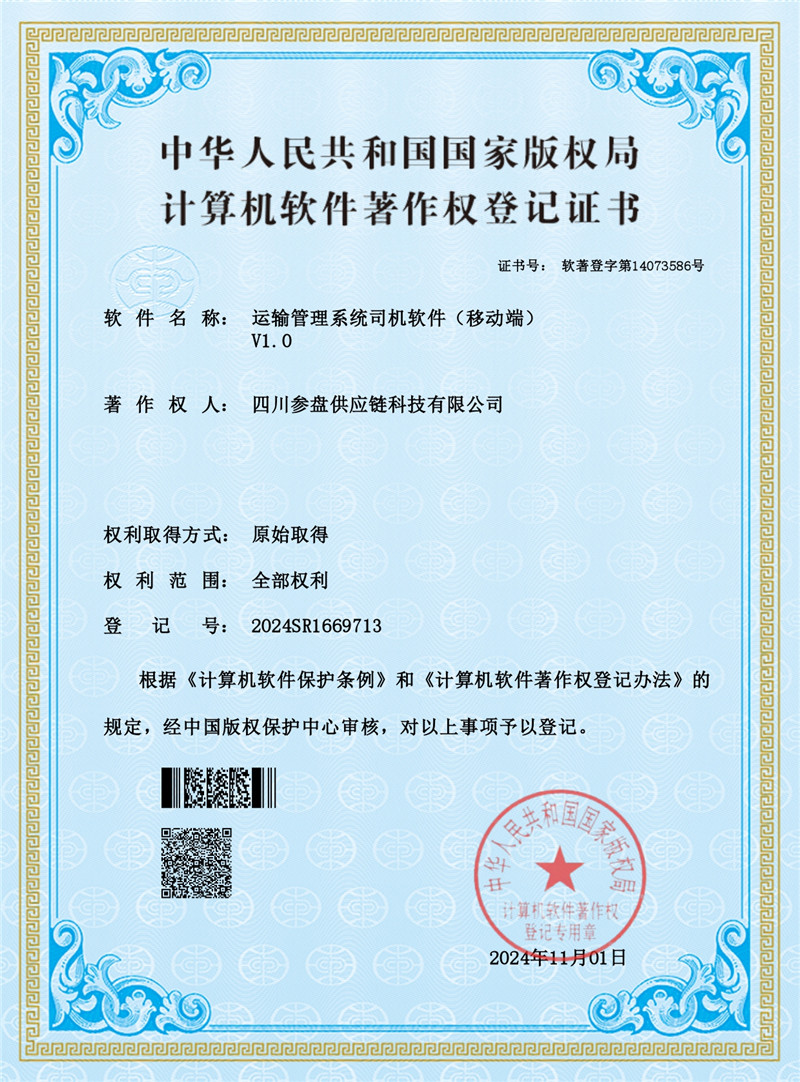
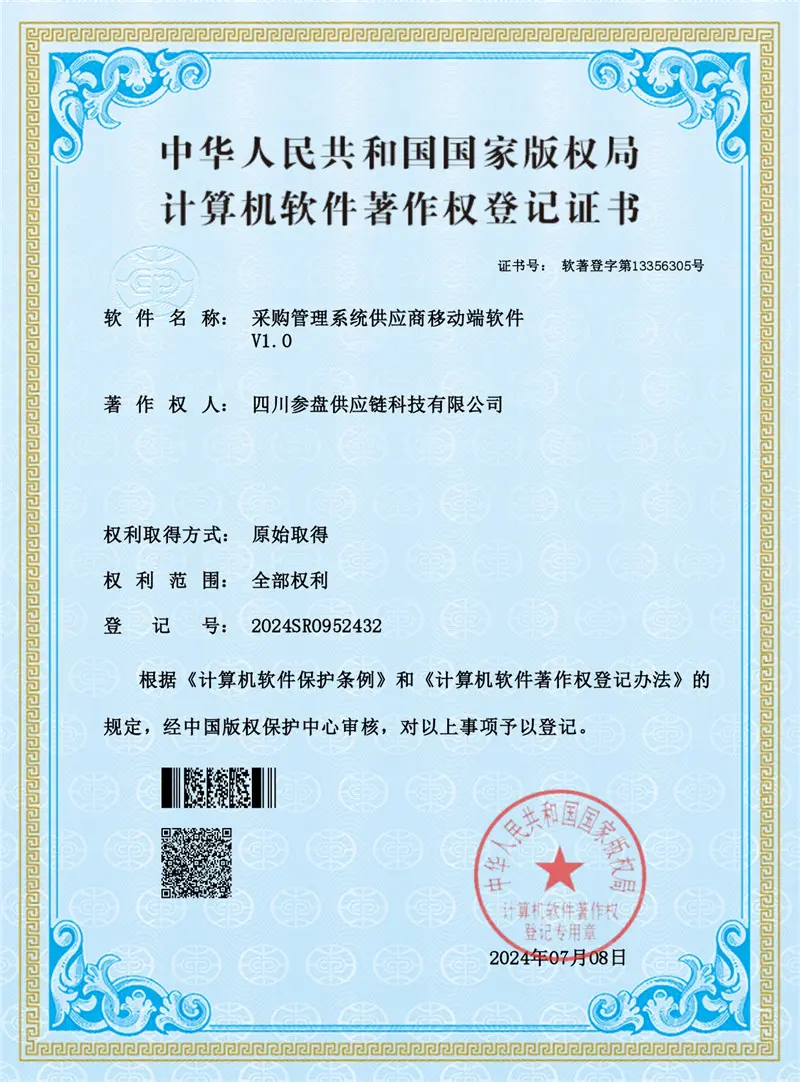
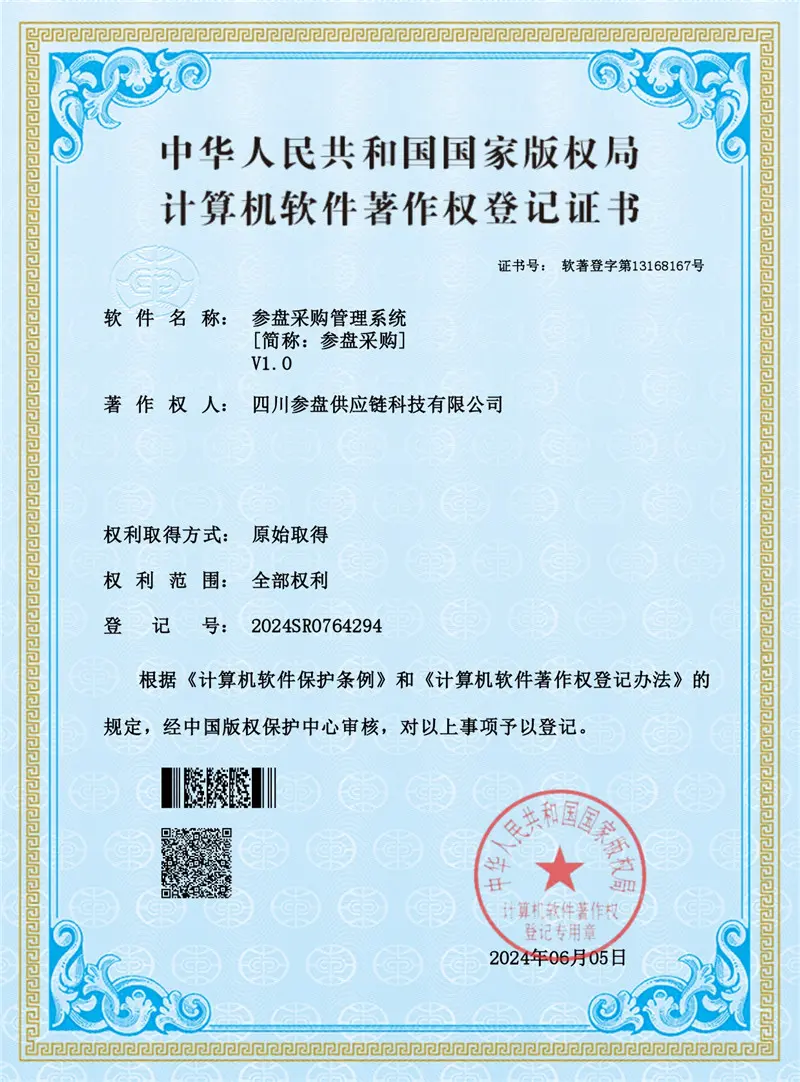
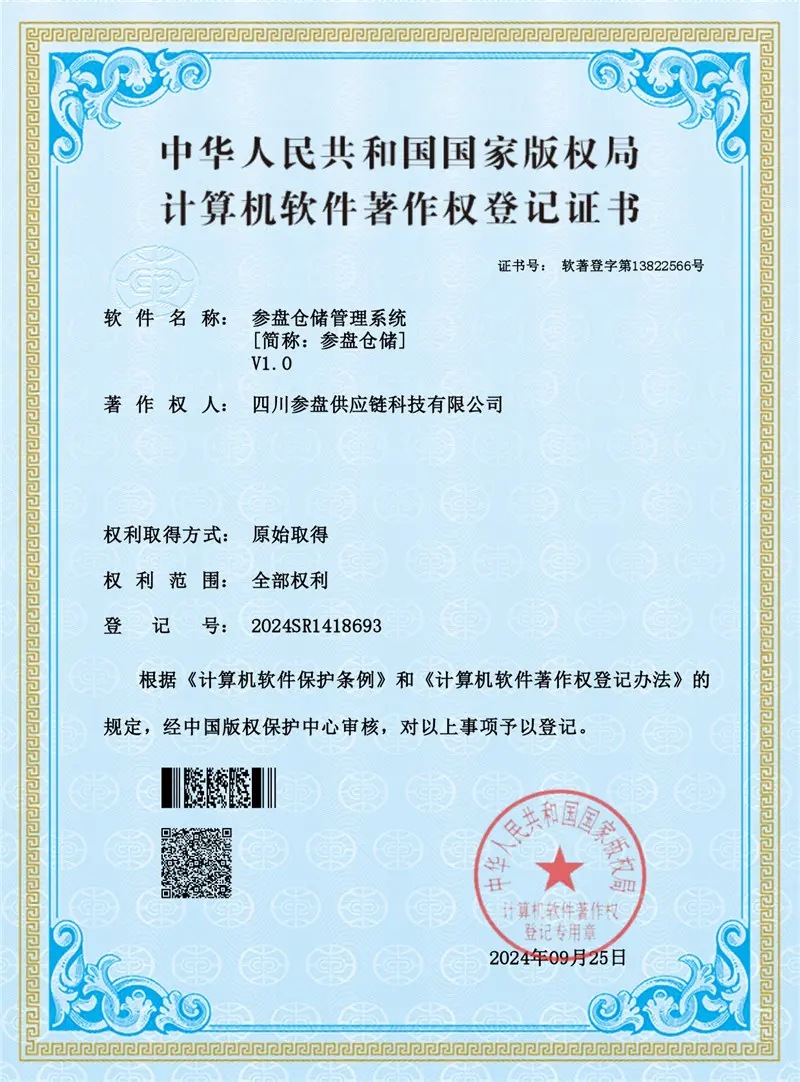
Our global designs are backed by standard compliance certifications and quality management verification.
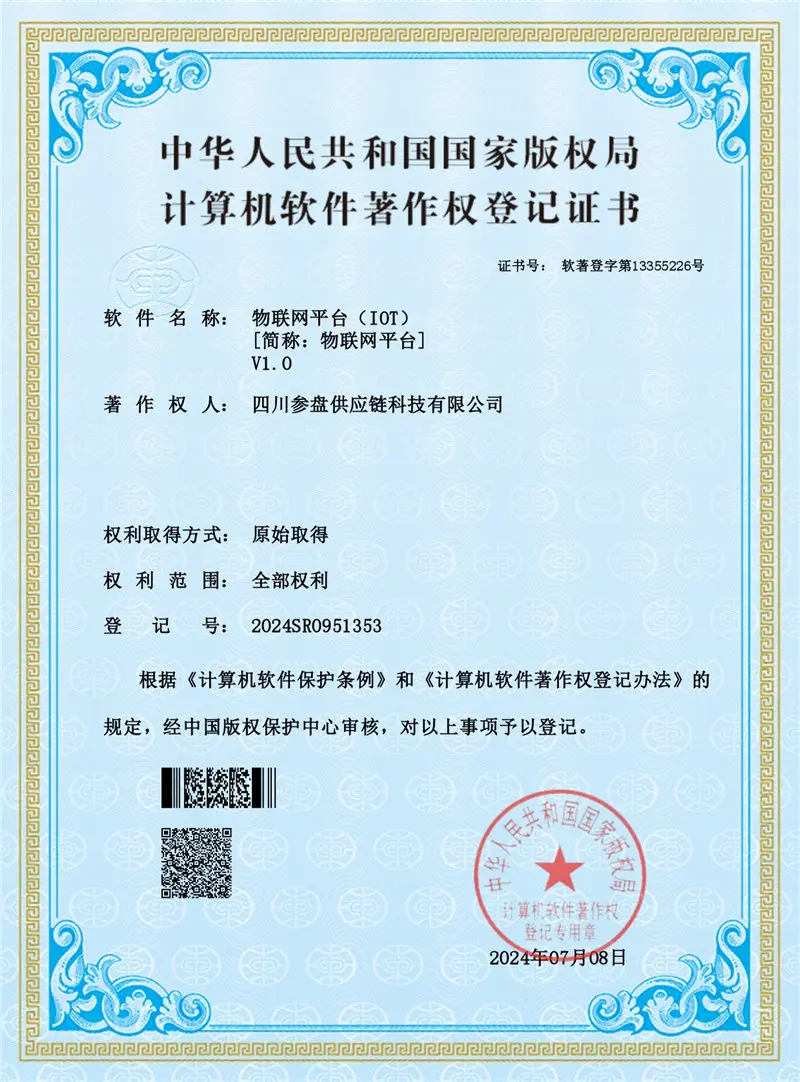
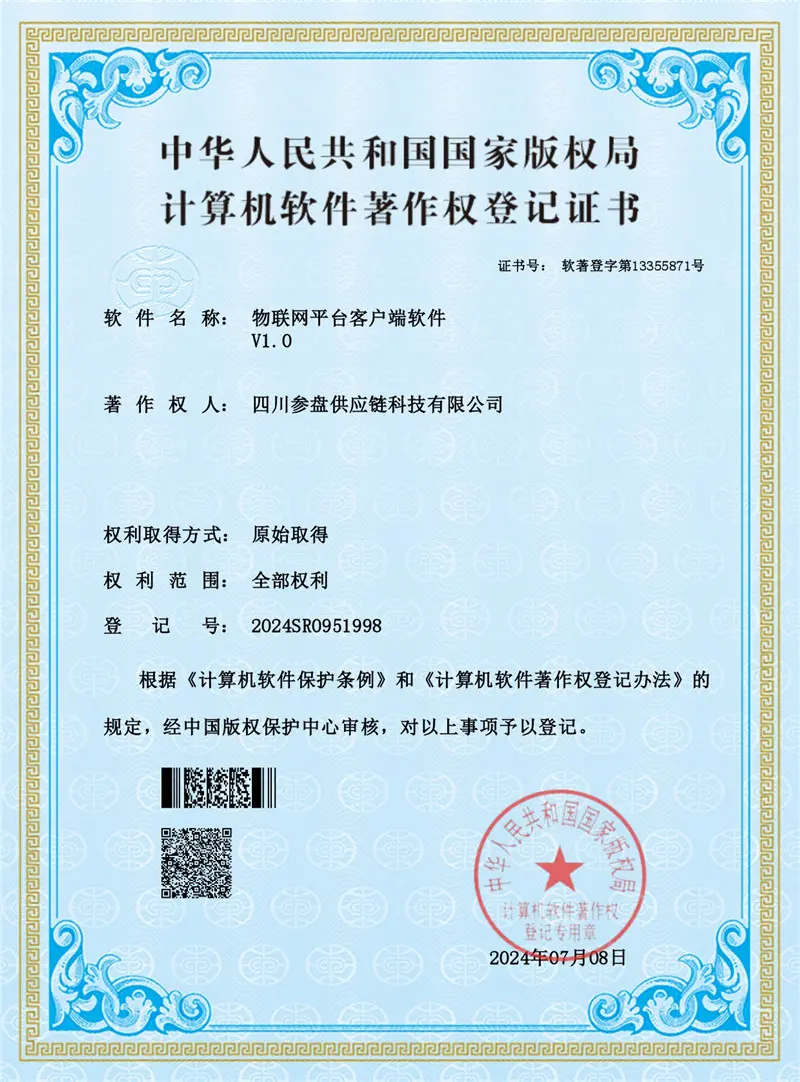
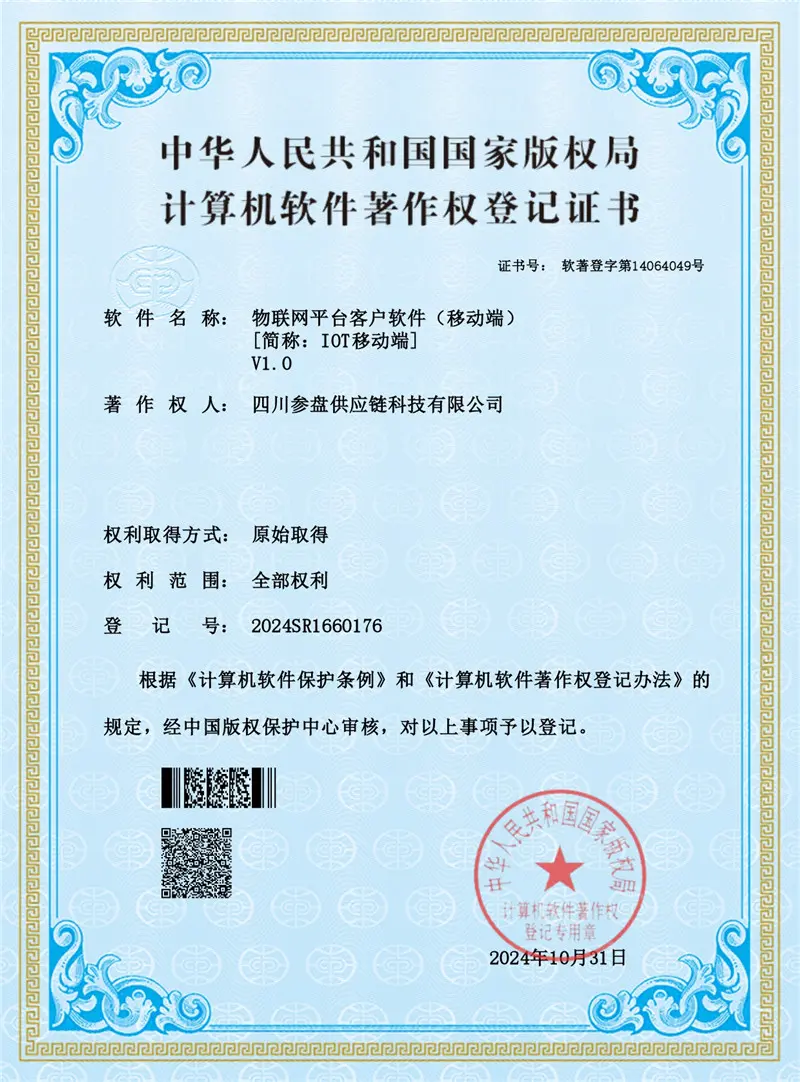
Common questions from logistics directors and systems integrators regarding Chinese multi-robot systems.
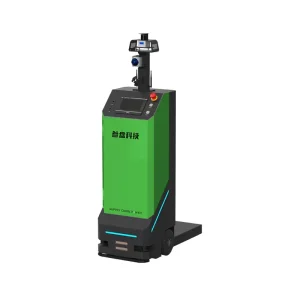
Explore our complete range of high-efficiency stacking, load-handling, and logistics systems designed for heavy industrial use.
 SCP
SCP