Explore our state-of-the-art autonomous forklift solutions, engineered for narrow aisle execution and high capacity material transportation.
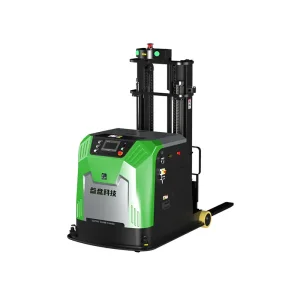
An authoritative analysis of industrial automation architectures, sensor fusion, and China's leading manufacturing standards.
The global materials handling paradigm has transitioned from basic fixed-path transport system designs to highly cognitive autonomous agents. Under the classification standards of industrial robotics, modern Automated Guided Vehicles (AGV) and Autonomous Mobile Robots (AMR) are distinguished by their structural navigation maps, degree of operational autonomy, and environmental adaptability.
Traditional AGV models depended heavily on physical markers—such as magnetic guidance tapes, buried wires, or reflective optical tags. While reliable in linear high-throughput logistics lines, these legacy configurations lack the dynamic re-routing flexibility required by modern adaptive manufacturing cells.
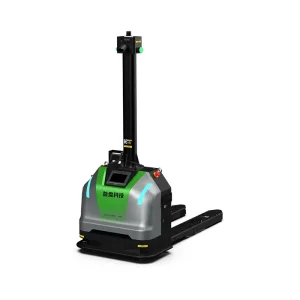
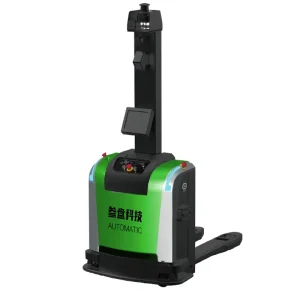
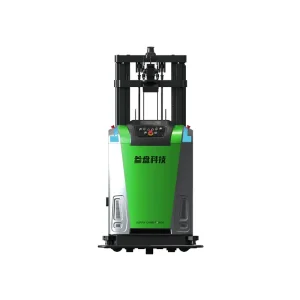
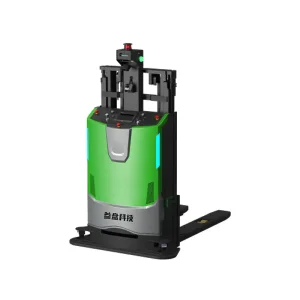
In contrast, the latest generation of Laser SLAM (Simultaneous Localization and Mapping) intelligent forklifts behaves more like AMRs. By compiling raw environmental data from LiDAR sensors, depth cameras, and onboard wheel odometry, they calculate spatial coordinates in real time. This allows machines like the SFL-CBD15-ZL to operate without dedicated physical infrastructure, saving installation downtime and allowing swift adjustments to warehouse floor designs.
When selecting smart fleets for large scale distribution nodes, procurement directors must evaluate the trade-offs of modern navigation methodologies:
By blending multiple input channels (Hybrid Navigation), Chinese manufacturers have enabled forklifts to transition smoothly from outdoor staging fields to highly congested indoor racking blocks.
Taking actual business needs as our cornerstone, SCP is committed to comprehensively innovating and enhancing the overall supply chain planning of enterprises. We provide global clients with comprehensive, end-to-end supply chain solutions, building a multi-role, multi-dimensional intelligent supply chain collaboration system that achieves all-round efficient cooperation and process optimization.
At present, SCP has established a powerful product architecture supported by integrated software and hardware systems. This is supplemented by the top-level design of the supply chain control tower, creating an agile, flexible, and efficient end-to-end supply chain system for enterprise logistics, production lines, and distribution nodes.
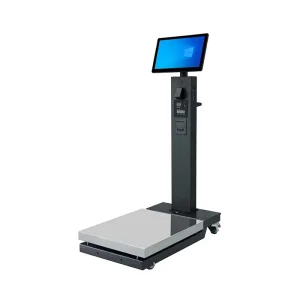
By coupling advanced hardware—such as our Laser SLAM smart forklifts and smart floor scales—with our proprietary warehouse management systems, we resolve the historical communication disconnect between physical handling equipment and enterprise management suites (ERP/WMS).
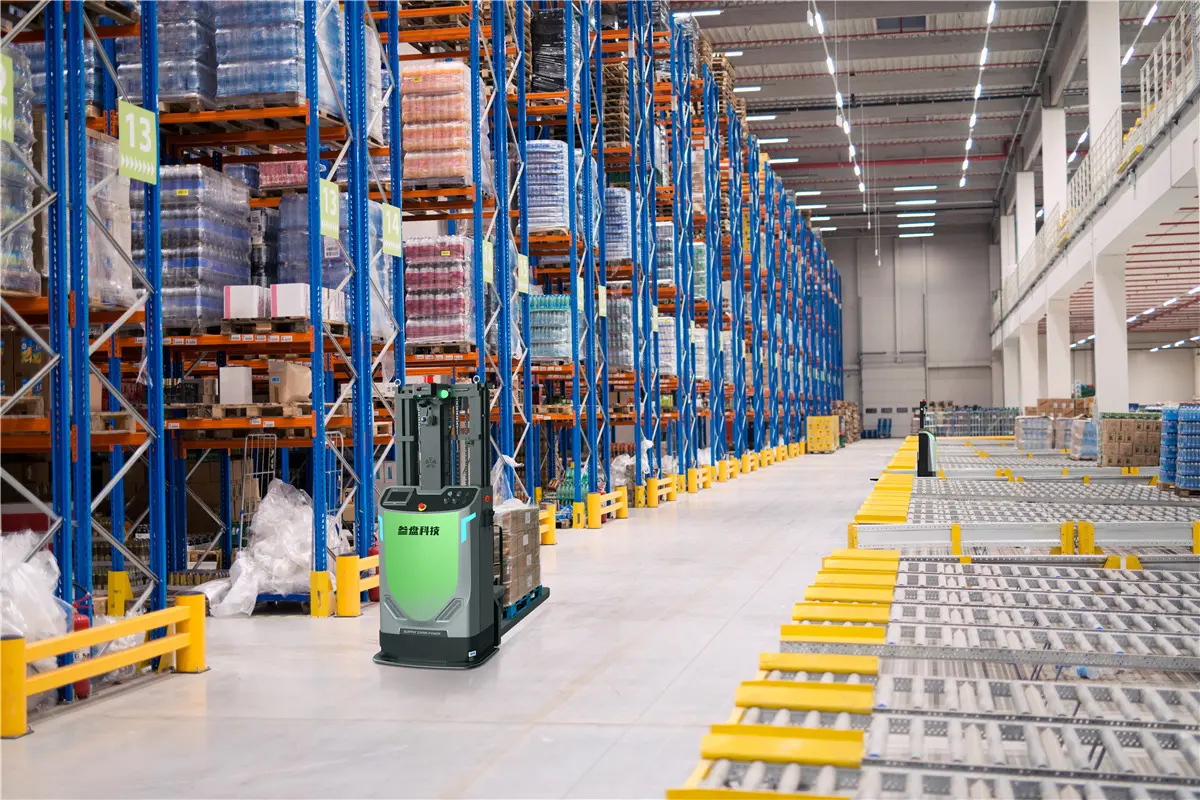
The foundational principles guiding our pursuit of next-generation technological upgrades and logistics efficiency.
Benefiting farmers and bringing welfare to consumers by engineering highly efficient, zero-waste supply chains that reduce handling costs across the agricultural and food production sectors.
Leading the technological upgrade of the supply chain and achieving extraordinary value for transformers, pushing the boundaries of autonomous mobile robotics.
Serving as the core Alliance of Developers of New Quality Supply Chain Technology, providing robust hardware systems and software backbones to heavy industries globally.
The technological trajectory of autonomous industrial vehicles: from reactive material movers to proactive, AI-driven logistics engines.
The modern logistics workspace is inherently dynamic, with pedestrian traffic, temporary pallet placements, and varying light conditions. To navigate safely, AGVs must move beyond simple 2D LiDAR sensors.
Our upcoming product roadmap integrates 3D LiDAR point cloud matching with RGB-D depth cameras. This sensor fusion creates a cognitive layer on the vehicle, allowing it to identify not just obstacles, but the specific *types* of obstacles. For instance, distinguishing between a static structural column and a human operator allows the vehicle to optimize its deceleration curve, maintaining throughput without compromising safety.
As factories scale from operating 5 AGVs to coordinating fleets of 100+ heterogeneous mobile platforms, interoperability becomes critical. Modern factories cannot afford locked-in ecosystems.
We are aligning our system architecture with the VDA 5050 communication interface standard. This allows our Laser SLAM smart forklifts to receive steering commands from third-party fleet controllers. Simultaneously, our cloud-native dispatch system leverages reinforcement learning models to predict path bottlenecks before they occur, dynamically rerouting vehicles to maximize Overall Equipment Effectiveness (OEE).
Why global enterprises trust SCP to implement automated material handling and digital logistics infrastructure.
As a key subsidiary of the New Hope Group, we possess a strong market reputation and deep execution capabilities. This background provides us with an in-depth understanding of complex industrial environments.
Incubated to meet the digital needs of internal operations within the New Hope system, we have designed systems for real-world scenarios. We build robust systems that address the hands-on requirements of warehouse teams.
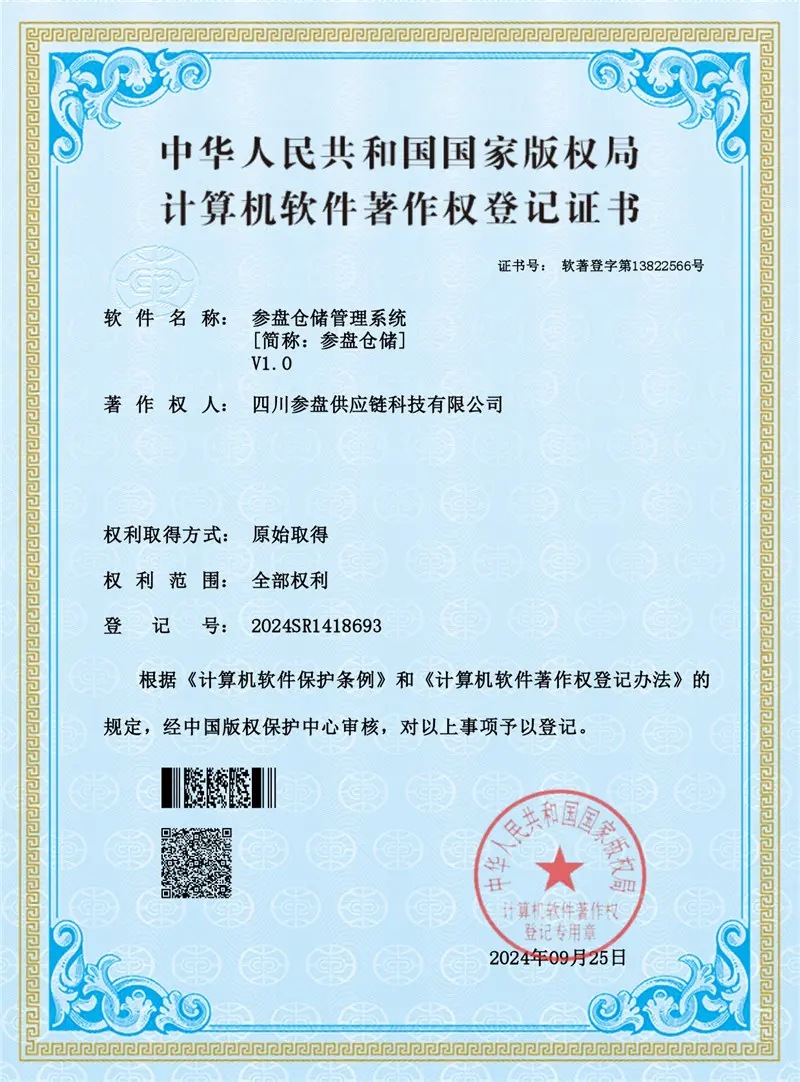
We maintain full intellectual property rights and development control over our software and hardware integrations. This includes procurement, sales, and supply chain dispatch, allowing us to adapt systems to client needs.
We provide light consulting services alongside our core systems deployment. This includes process mapping, layout analysis, and operational auditing, helping clients build optimal pathways to digital transformation.
Our dedicated engineering and deployment teams support projects from initial field mapping through to integration. We customize hardware configurations, calibrate SLAM mapping zones, and perform acceptance testing to meet performance SLAs.
How SCP incorporates environmental management and digital systems into long-term supply chain development.
In terms of technology research and development, SCP continues to increase its investment, constantly optimizing our integrated software and hardware architectures and the overall design of our supply chain control towers.
By strengthening our internal development and system integration capabilities across procurement, sales, and supply chain links, we improve the technical level and competitiveness of our product portfolio. We build a solid foundation for sustainable industry growth through advanced, low-energy robotics navigation systems and energy-efficient hardware configurations.
At the same time, we actively apply cutting-edge tech in the supply chain field, driving rapid system iterations and maintaining our position in industrial automation.
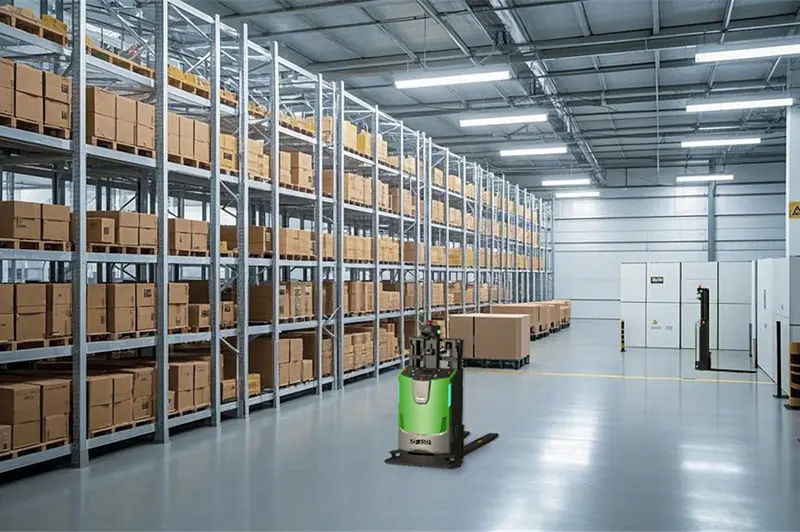
In terms of ecological construction, relying on the industrial resources and extensive market presence of Caogenziben, SCP designs supply chain configurations suited to food consumption and temperature-controlled logistics.
By optimizing key links like cold chain logistics, we support standardized management and help improve operational efficiency across the supply chain, facilitating collaborative development across the industrial network.
Additionally, we work with international partners to integrate advanced engineering methodologies, expand our global service footprint, and build a competitive supply chain technology ecosystem.
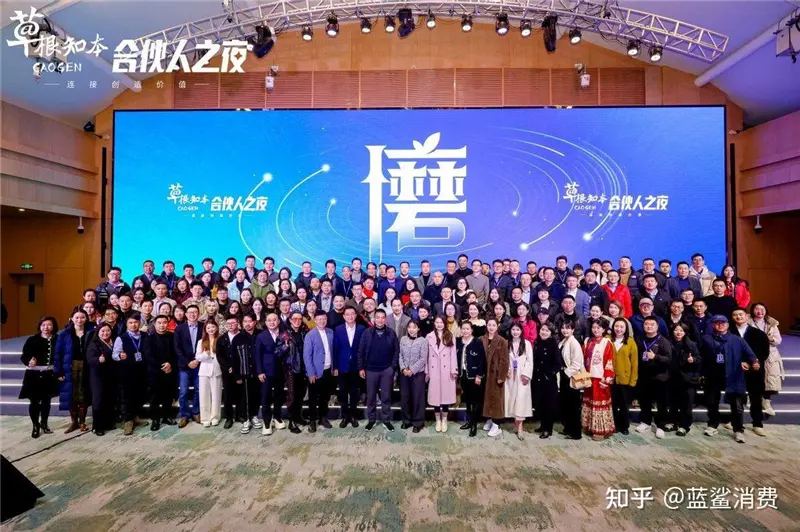
With our vision of "Leading the technological upgrade of the supply chain and achieving extraordinary value for transformers", SCP integrates sustainable development principles into our corporate strategic planning and daily operations.
We focus on both direct business growth and supporting resource-efficient, intelligent, and clean systems for our clients. We construct modern supply chain collaboration setups designed for long-term reliability.
While developing our services, we aim to provide reliable value to our manufacturing partners and support efficient material handling across the industry.
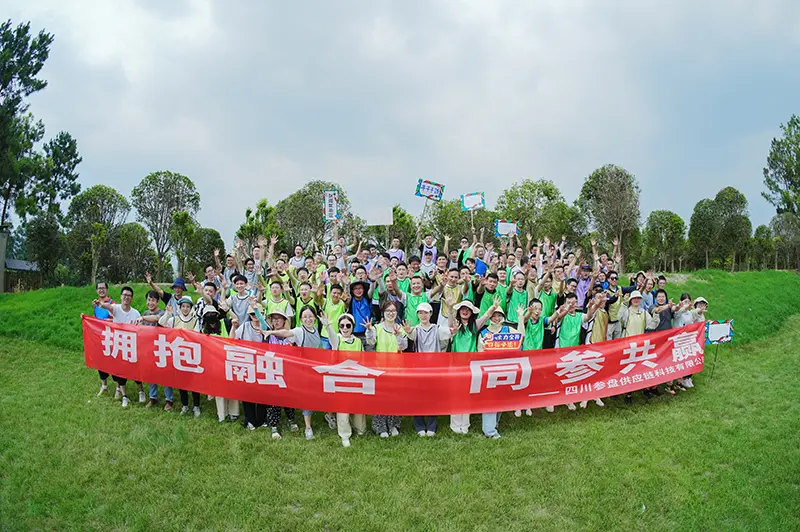
SCP focuses on providing comprehensive solutions for food supply chains, as well as the research and development of intelligent software and hardware products. We aim to leverage the Internet of Things (IoT), AI, machine learning, and automated handling systems to improve overall operational efficiency across procurement, supply, and sales.
Our solutions target key operational areas:

How Chinese manufacturing clusters and advanced component ecosystems drive efficiency in automated guided vehicles.
The cost-to-performance ratio of Chinese-manufactured AGVs is supported by the concentration of component ecosystems in industrial zones like the Yangtze River Delta and Pearl River Delta. These areas host specialized suppliers for high-precision components, including drive wheels, LiDAR sensors, safety controllers, and planetary gearboxes.
This localized supply chain allows factories to rapidly prototype and adapt equipment to client requirements. Rather than importing individual sensors, factories source calibrated, pre-tested sensor arrays directly from regional partners, reducing assembly times and lowering delivery costs for global buyers.
Modern Chinese AGV factories leverage advanced robotics to manufacture automation equipment. Robotic welding stations, CNC milling setups, and automated testing tracks ensure structural frames conform to precise load-bearing standards.
Every laser SLAM forklift undergoes multi-day calibration routines, involving continuous load testing under varied temperatures, dynamic navigation tests on simulated warehouse surfaces, and drop testing of heavy mast sections. This focus on systematic testing ensures reliable performance on the factory floor.
Essential factors for procurement directors and logistics managers when selecting automated vehicle platforms.
Initial acquisition cost is only one part of the equation. Buyers must assess battery lifecycle costs (Lithium Iron Phosphate vs. Lead-Acid), power efficiency, diagnostic software fees, and spare parts availability over a 10-year operating life.
Verify that the vehicle fleet controller can interface with existing WMS or ERP setups (such as SAP, Oracle, or Manhattan). Look for open API architectures and support for standardized communication protocols like VDA 5050.
Ensure all equipment meets international functional safety standards, including ISO 3691-4, CE mark directives, and ANSI/ITSDF B56.5. This includes checking for PLd-certified safety LiDARs, dual emergency stop circuits, and active collision avoidance sensors.
For global enterprises, procuring automation hardware requires reliable local support. We combine efficient manufacturing processes with local service support to assist clients across Europe, North America, and Southeast Asia.
Our localization program includes:
Our vehicles are built to international safety standards, utilizing certified components to meet global guidelines:
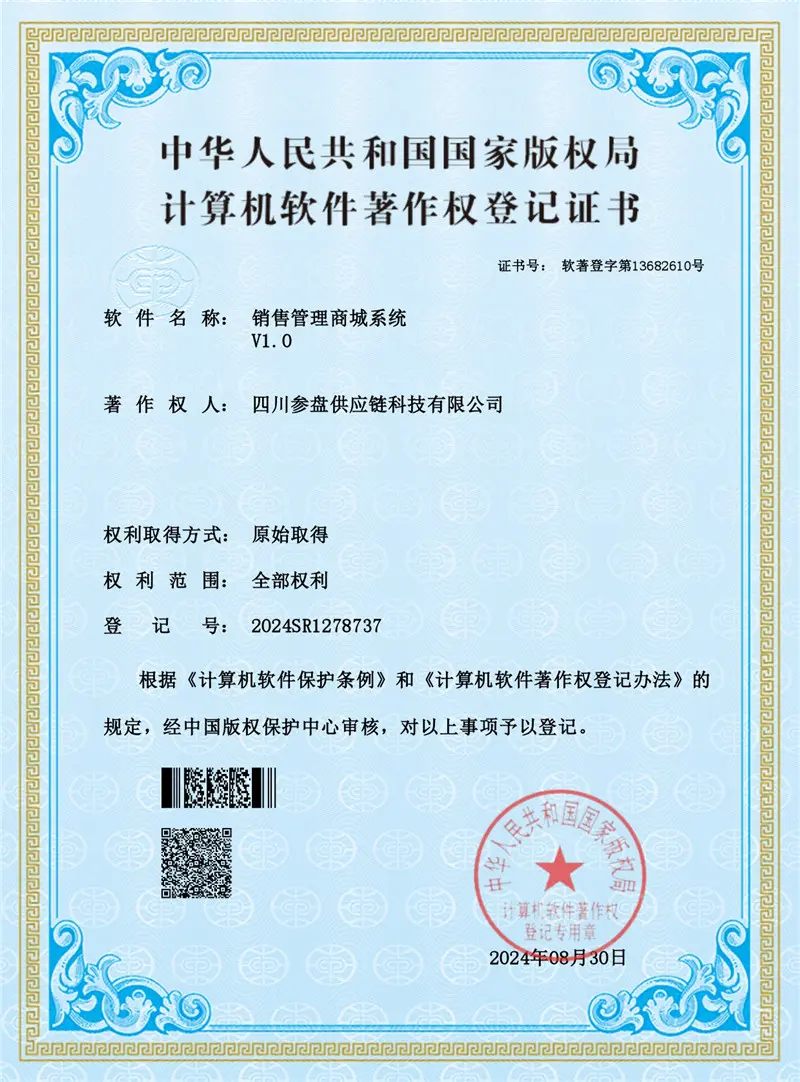
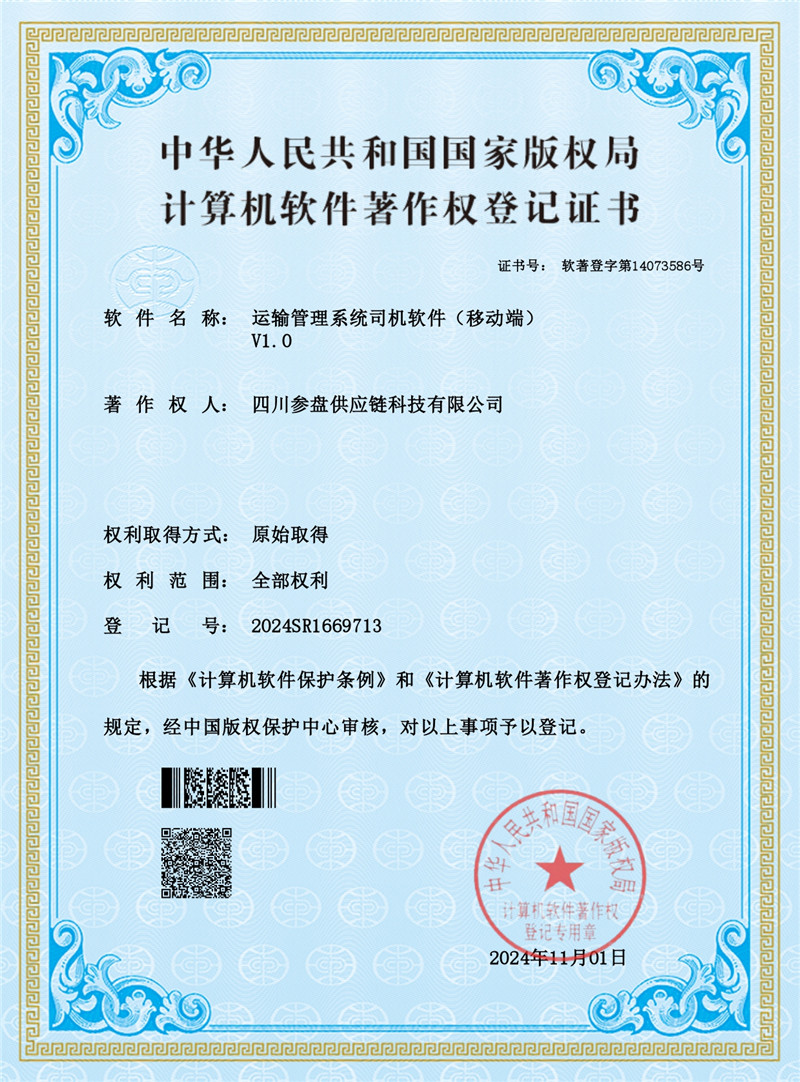
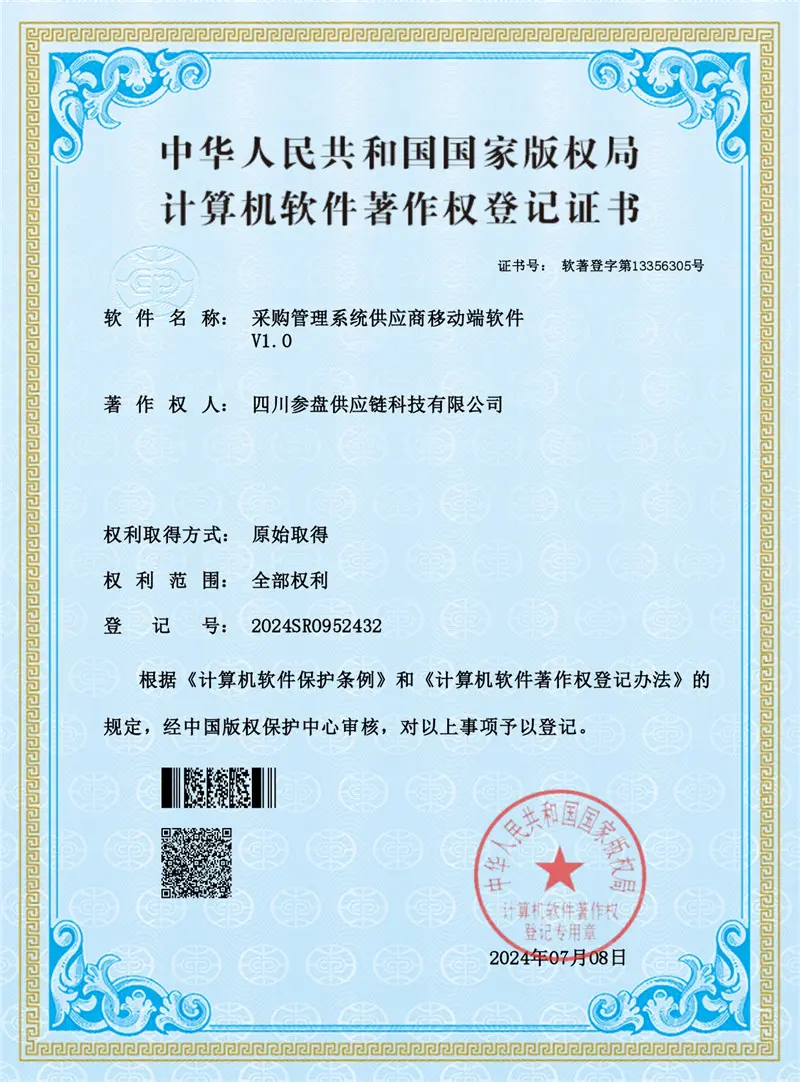
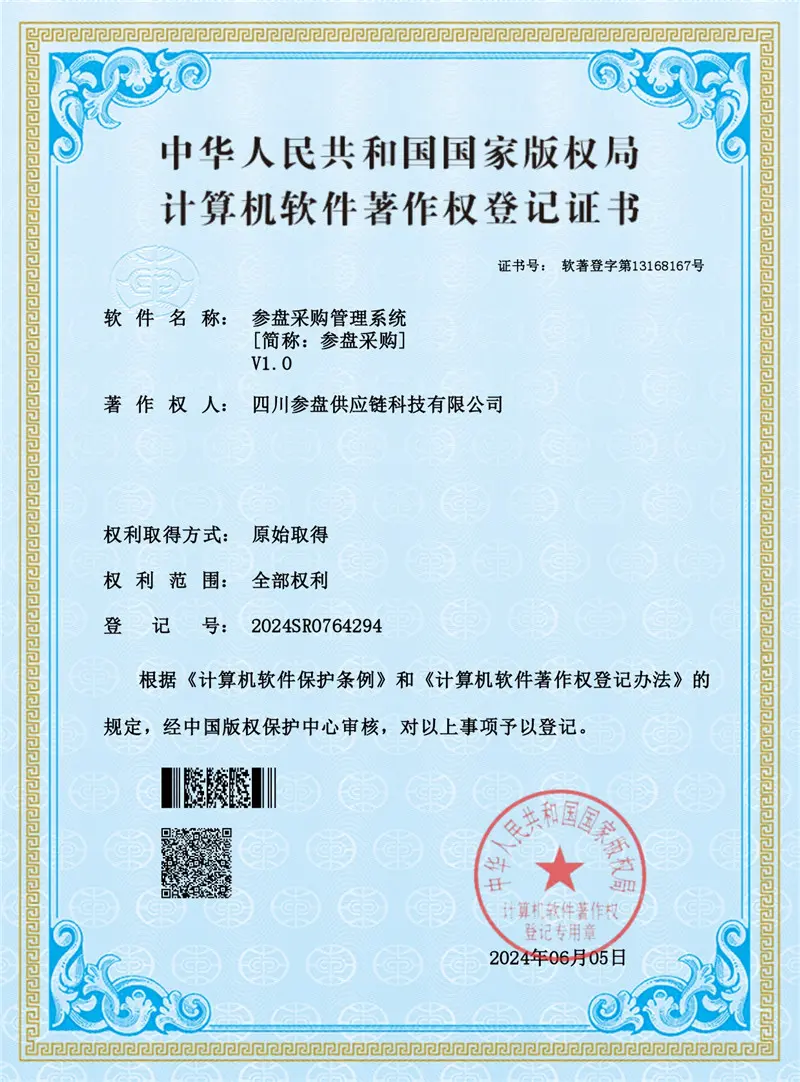
Verified quality control processes and compliance records for international operations.
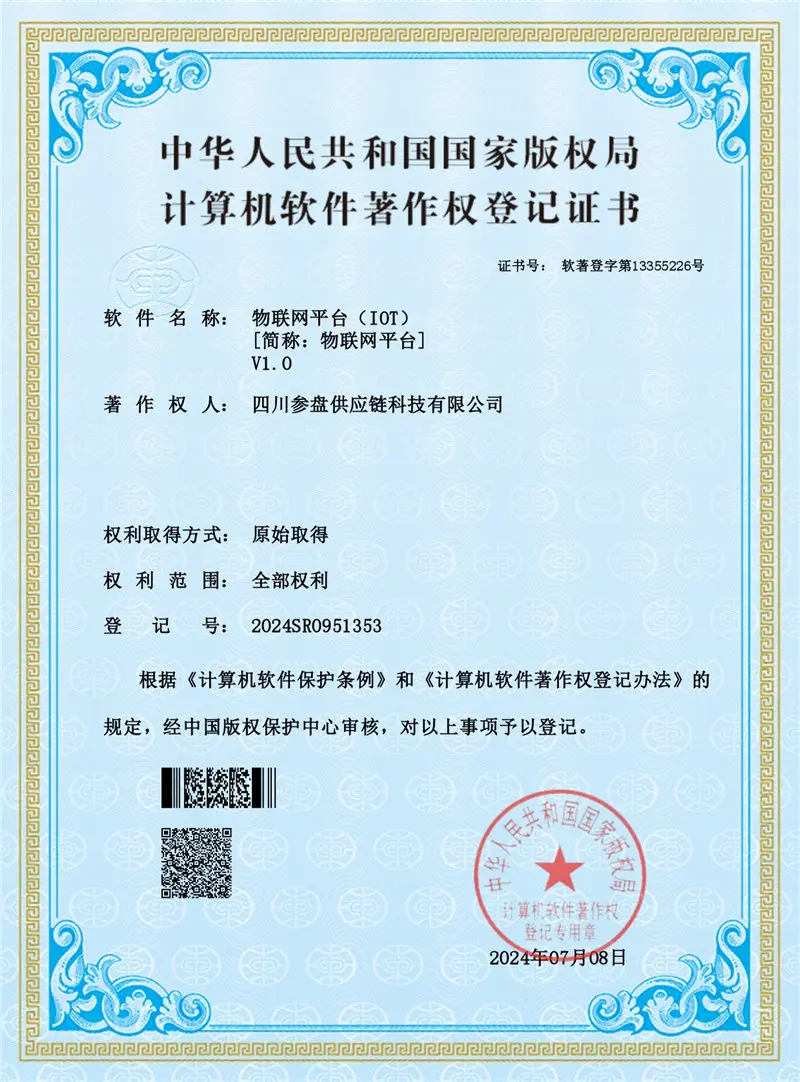
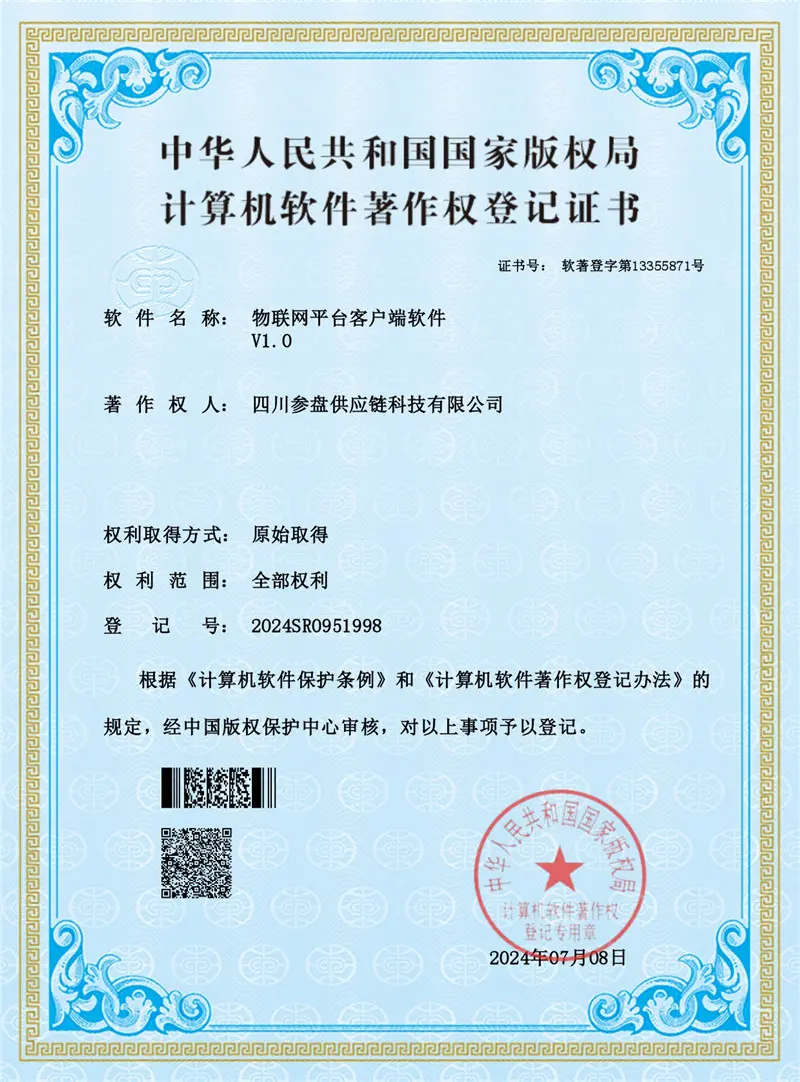
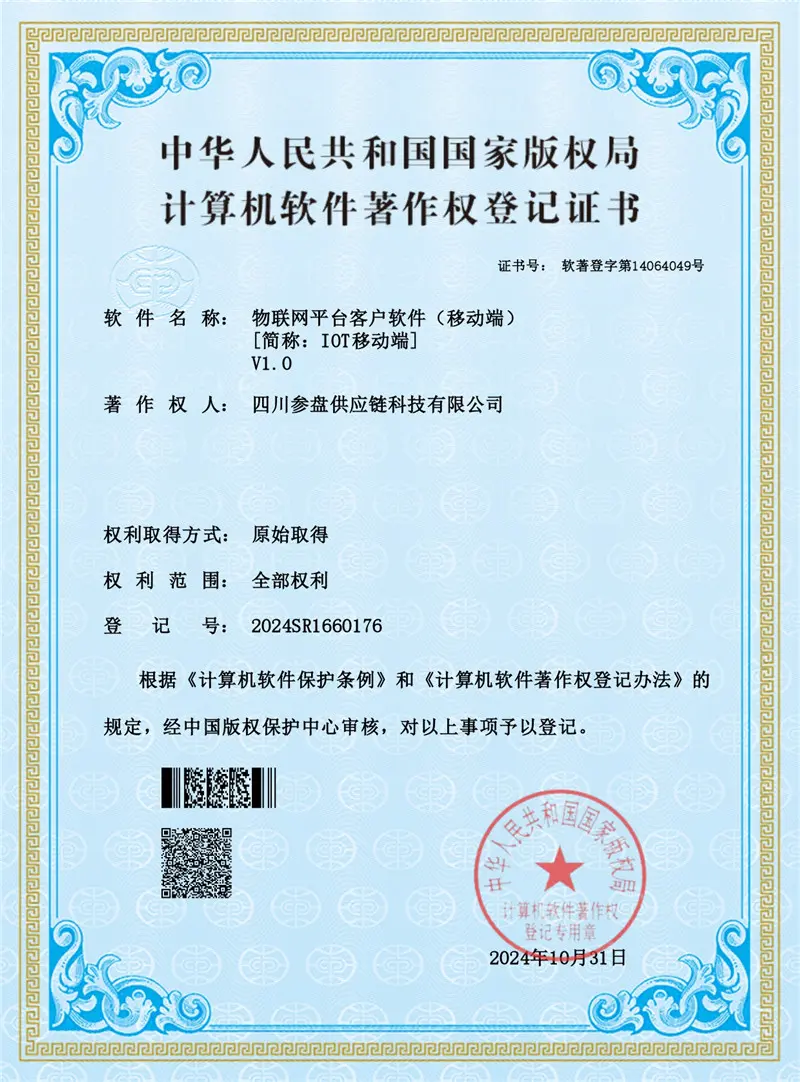
Technical answers to common questions about automated guided vehicles, navigation methods, and deployment processes.
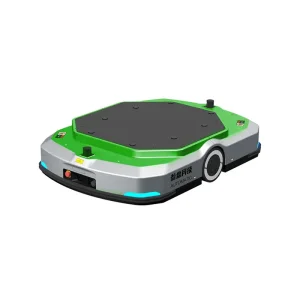
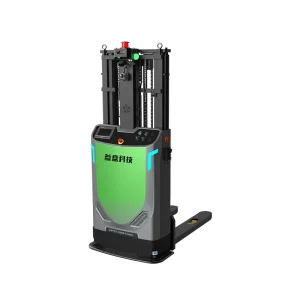
Explore our customizable heavy-duty robot chassis models and high-reach stackers built for demanding industrial environments.
 SCP
SCP