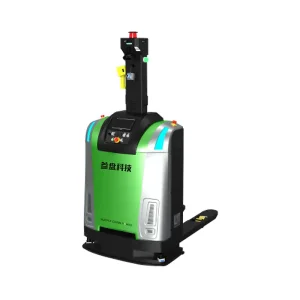
Engineered for rigorous industrial operations with dynamic navigation capacities up to 3000kg.
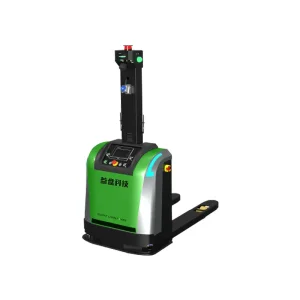
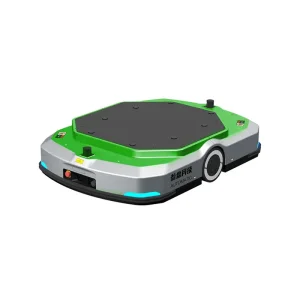
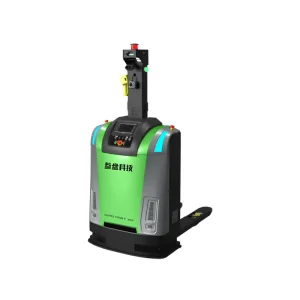
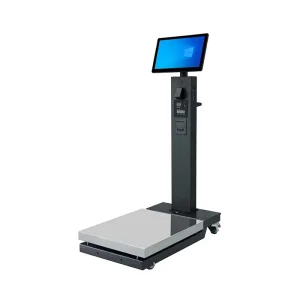
Modern supply chains are moving beyond simple bulk warehousing into highly dynamic, responsive fulfillment ecosystems. In this shift, Automated Guided Vehicles (AGVs) and Autonomous Mobile Robots (AMRs) represent the hardware foundation of the automated warehouse. Modern systems no longer rely on rigid guidance systems like magnetic tape or floor markers. Instead, the focus has shifted entirely to hybrid navigation frameworks, dominated by Laser SLAM (Simultaneous Localization and Mapping).
Our work at SCP bridges the gap between hardware engineering and software integration. As a subsidiary of the New Hope Group, our strategic approach incorporates real-world business constraints directly into system designs. This ensures that AGV systems are not just functional machines, but active nodes in a larger, interconnected supply chain. Our systems are built to optimize dynamic routing, maximize storage density, and integrate with existing warehouse control architectures.
Information Gain Perspective: The viability of AGV deployments is no longer determined by raw machine performance alone. It depends on fleet synchronization, safe operation in high-speed, mixed environments (human-robot interaction), and WCS-to-ERP communication loops. This whitepaper explains the factors driving AGV adoption, the primary design criteria for these systems, and the implementation processes required for global industrial environments.
The progression of guided vehicles in industrial plants has gone through three main stages:
Magnetic tape, embedded induction wires, and optical floor lines. These systems are highly reliable in fixed environments but require significant downtime to reprogram or reroute pathways.
LiDAR arrays calculate positioning using physical retro-reflective markers or QR codes laid out in grid networks. This method offers high accuracy but demands ongoing environment maintenance.
Natural feature navigation. Lidar scanners build internal spatial maps on the fly, comparing sensor data with virtual layouts. This permits instant rerouting without structural changes to the floor plan.
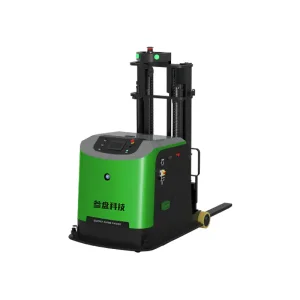
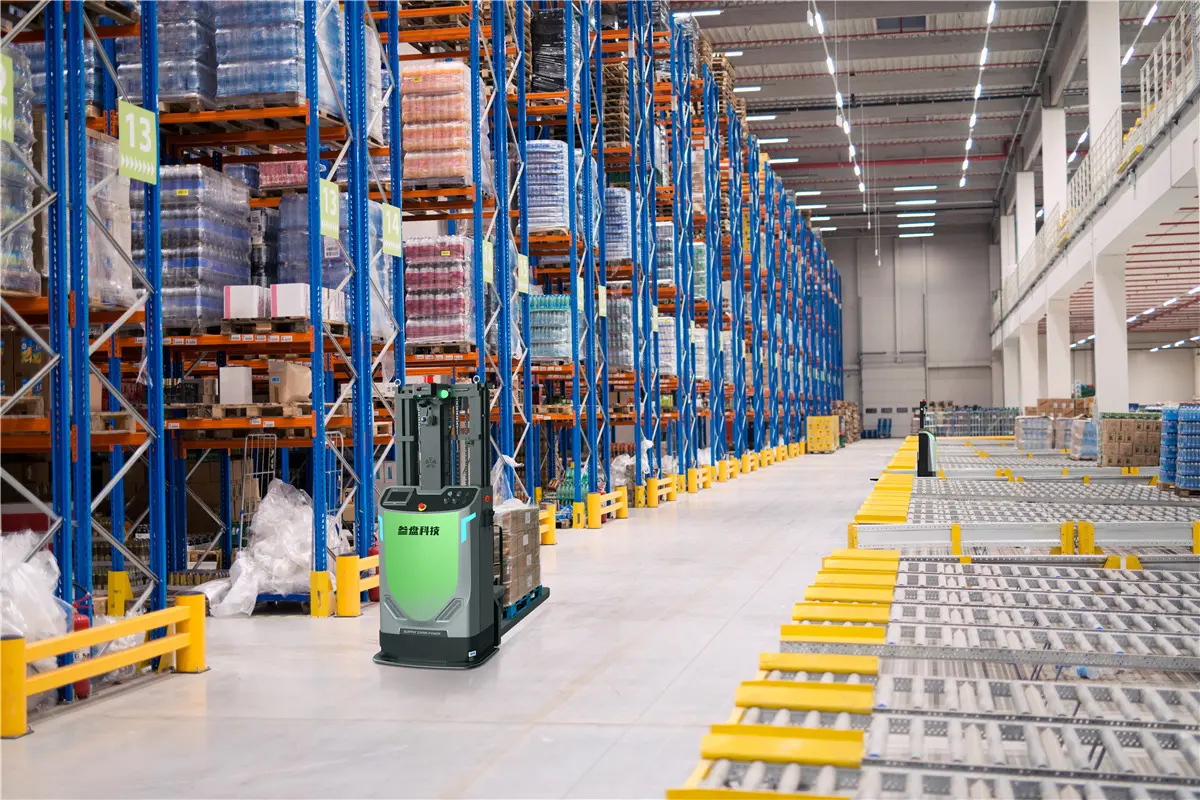
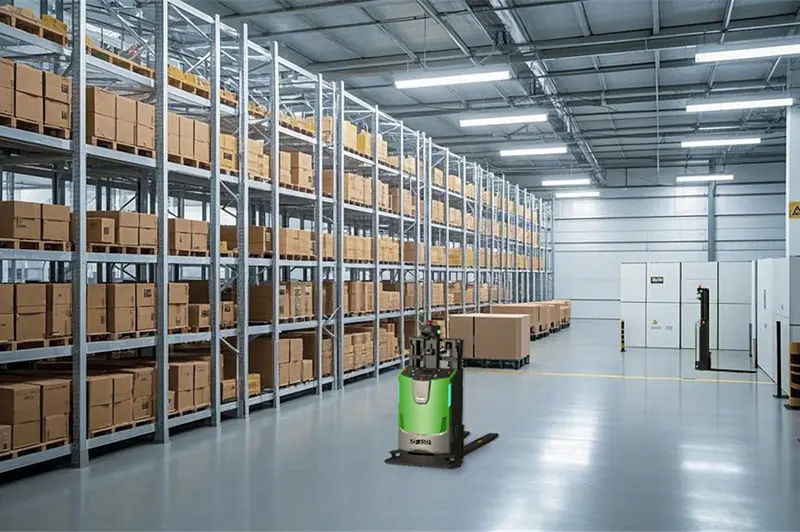
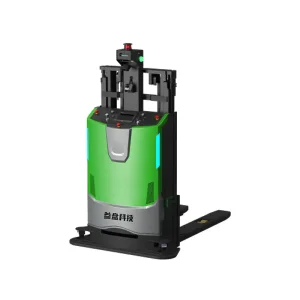
By leveraging Laser SLAM, our smart forklift line (such as the SFL-CPD30-Y and SFL-CBD16-S) adapts dynamically to changes in inventory layout. If pallet positions are modified or temporary blockages occur, the AGV automatically recalculates its route, preventing bottlenecks and maintaining consistent throughput.
Global supply chain managers face consistent challenges when scaling automated warehouse infrastructure. When selecting a Chinese AGV manufacturer, standard specifications are only part of the decision. Key operational criteria include:
We approach industrial automation by focusing on end-to-end operational planning. Rather than treating hardware as isolated components, we integrate AGV machinery with the software systems that guide daily operations. Our approach focuses on:
Centralized platforms that consolidate WMS, WCS, and hardware data to provide full visibility over operations, from receiving docks to dispatch bays.
Custom APIs that connect AGV fleets with existing legacy databases, manufacturing execution systems (MES), and ERPs, preventing data fragmentation.
Operational audits that define pathways, optimize zone layouts, and simulate throughput before physical hardware is deployed on-site.
Our solutions are designed to support complex environments, including cold chain operations and food processing plants. By using robust IoT-enabled structures, our material handling equipment operates reliably in low temperatures and high-humidity areas, maintaining consistent transport speeds and tracking integrity throughout the process.
Taking the actual business needs as the cornerstone, SCP is committed to comprehensively innovating and enhancing the overall supply chain planning of enterprises. We provide enterprises with comprehensive end-to-end supply chain solutions, build a multi-role and multi-dimensional intelligent supply chain collaboration system, and achieve all-round efficient collaboration and process optimization. At present, SCP has established a product architecture supported by software and hardware, and supplemented by the top-level design of the supply chain control tower to create an agile, flexible and efficient end-to-end supply chain system for enterprises.
Driving strategic growth, technological capability, and industrial values.
Benefiting farmers and bringing welfare to consumers
Leading the technological upgrade of the supply chain and achieving extraordinary value for transformers
Alliance of Developers of New Quality Supply Chain Technology
Industrial experience combined with technology to ensure reliable system deployment.
As a subsidiary of New Hope Group, we have a good market reputation and execution ability. Moreover, we have an in-depth understanding of multiple industries.
We were incubated based on the digital needs of the business side within the New Hope system, and have participated in many projects of the same type. Therefore, we have a better understanding of the actual business scenarios and demands.
We possess the self-development and integration capabilities for various systems in procurement, sales, and supply. We can well meet the individual needs of different customers.
We provide certain light consulting services alongside projects, covering multiple dimensions such as process optimization and assessment weight, to assist customers in the construction of digital transformation of their supply chains.
We have a professional delivery team for commercial projects. We actively respond to the personalized needs of customers and can ensure fast and high-quality delivery according to customer requirements.
Creating resilient, eco-friendly supply chain technologies built for long-term growth.
In terms of technology research and development, SCP continues to increase its investment and constantly optimize the product architecture supported by software and hardware and the top-level design of the supply chain control tower.
By strengthening the self-development and integration capabilities of various systems in procurement, sales, and supply, we continuously improve the technical level and competitiveness of our products and services. We build a solid foundation for the sustainable development of enterprises and the industry with leading technologies.
At the same time, we actively explore the application of cutting-edge technologies in the supply chain field, promote technological iteration and upgrading, and maintain a leading position in the industry in terms of technology.
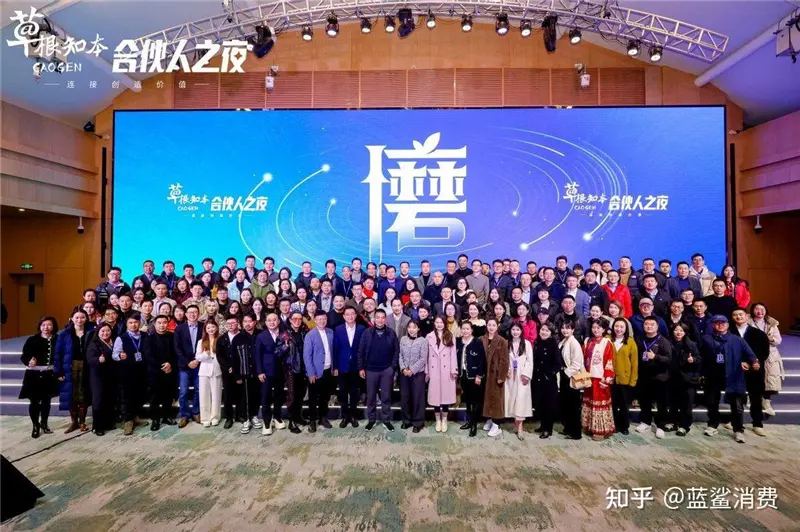
In terms of ecological construction, relying on the rich industrial resources and extensive business layout of Caogenziben, SCP deeply explores the supply chain needs of multiple industries such as food consumption and creates solutions that are suitable for actual scenarios.
By empowering key links such as cold chain logistics, we promote the standardized management and efficiency improvement of the supply chain and facilitate the collaborative development of the entire industrial chain.
In addition, we actively carry out in-depth cooperation with overseas partners, absorb international advanced experience and technologies, expand the international market, enhance the global influence of the enterprise, and build a supply chain technology ecosystem with international competitiveness.
From a long-term development perspective, with the vision of "Leading the technological upgrade of the supply chain and achieving extraordinary value for transformers", SCP integrates the concept of sustainable development into its corporate strategic planning and daily operations.
We not only focus on our own growth and profitability but also look to promote the green, intelligent, and efficient development of the industry. We build a more perfect supply chain collaboration system for future enterprises.
While achieving our own sustainable development, we create greater value for society and become a backbone force in promoting the sustainable development of the supply chain technology industry.
Recognized quality systems, patents, and compliance certifications validating our hardware and software excellence.
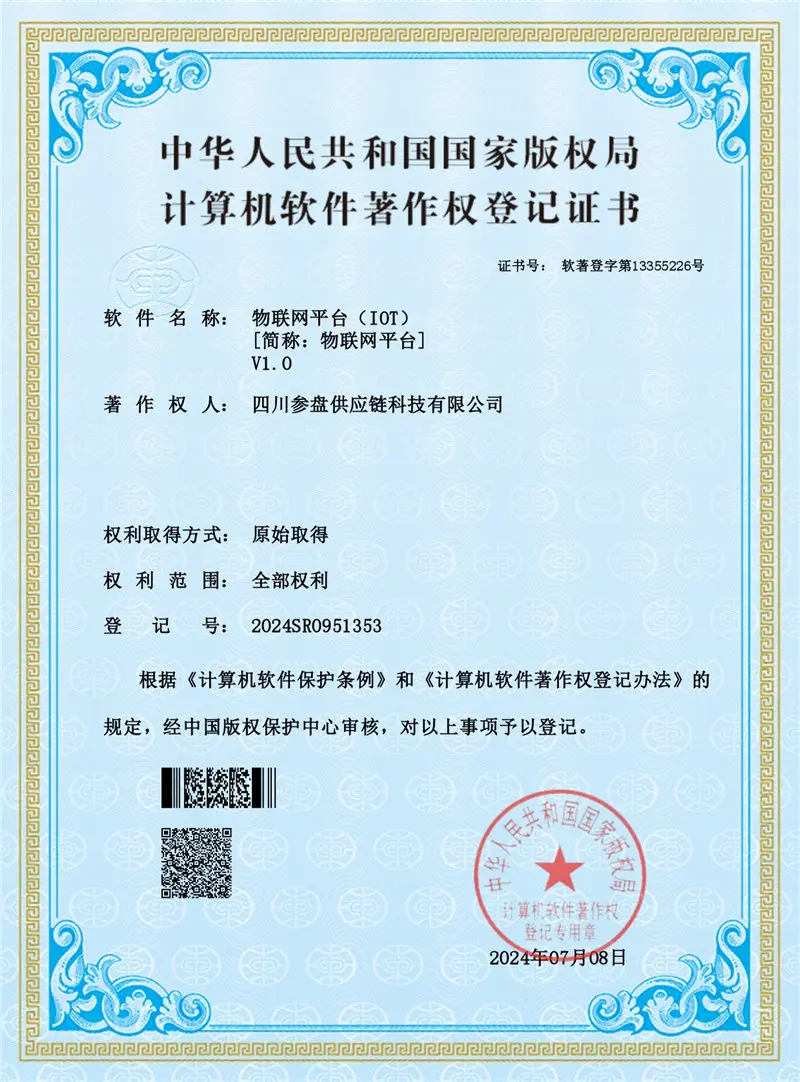
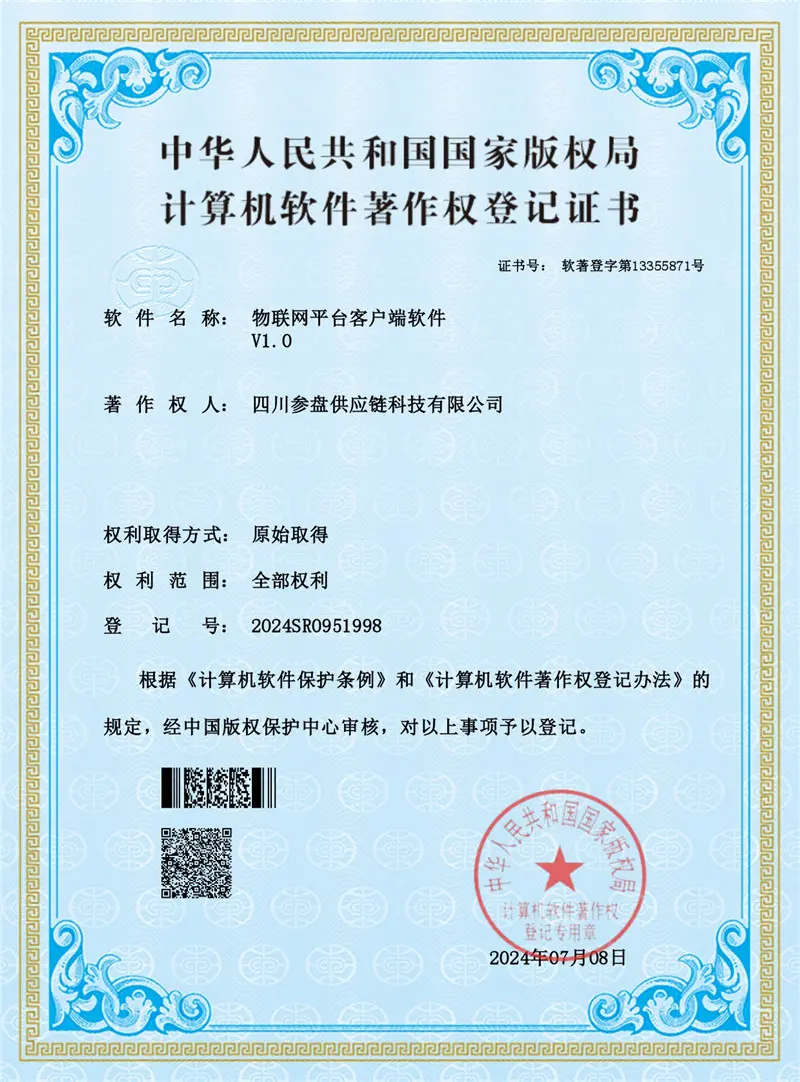
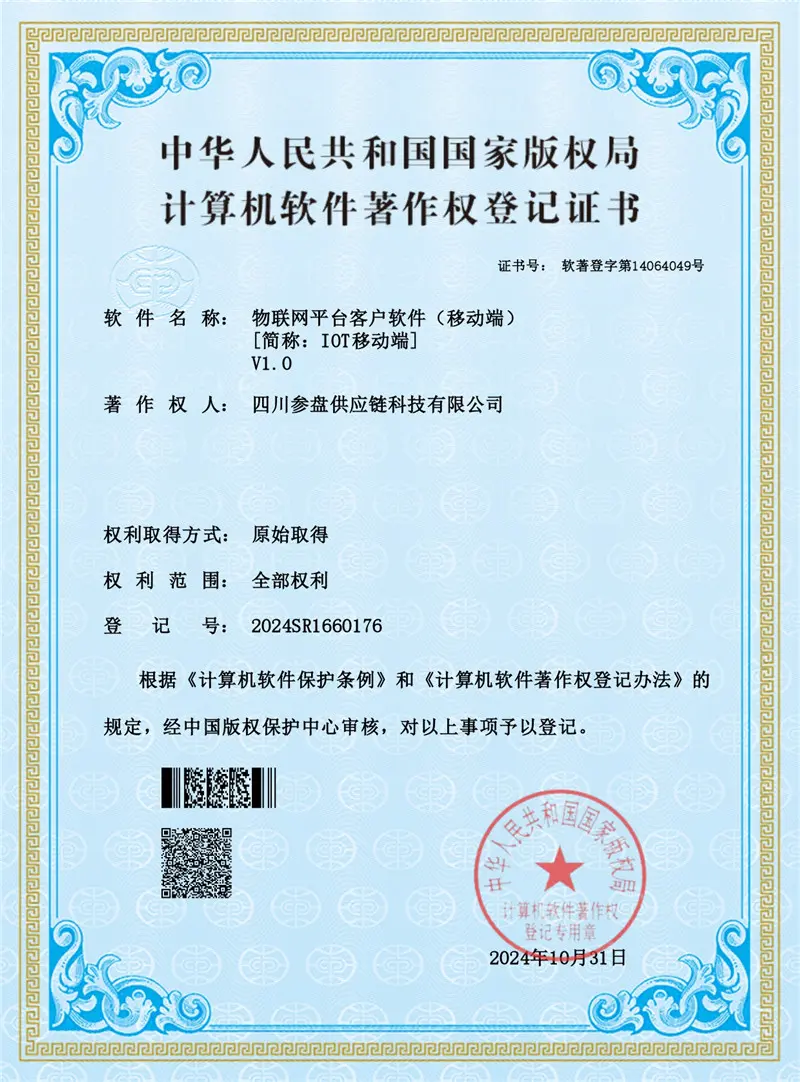
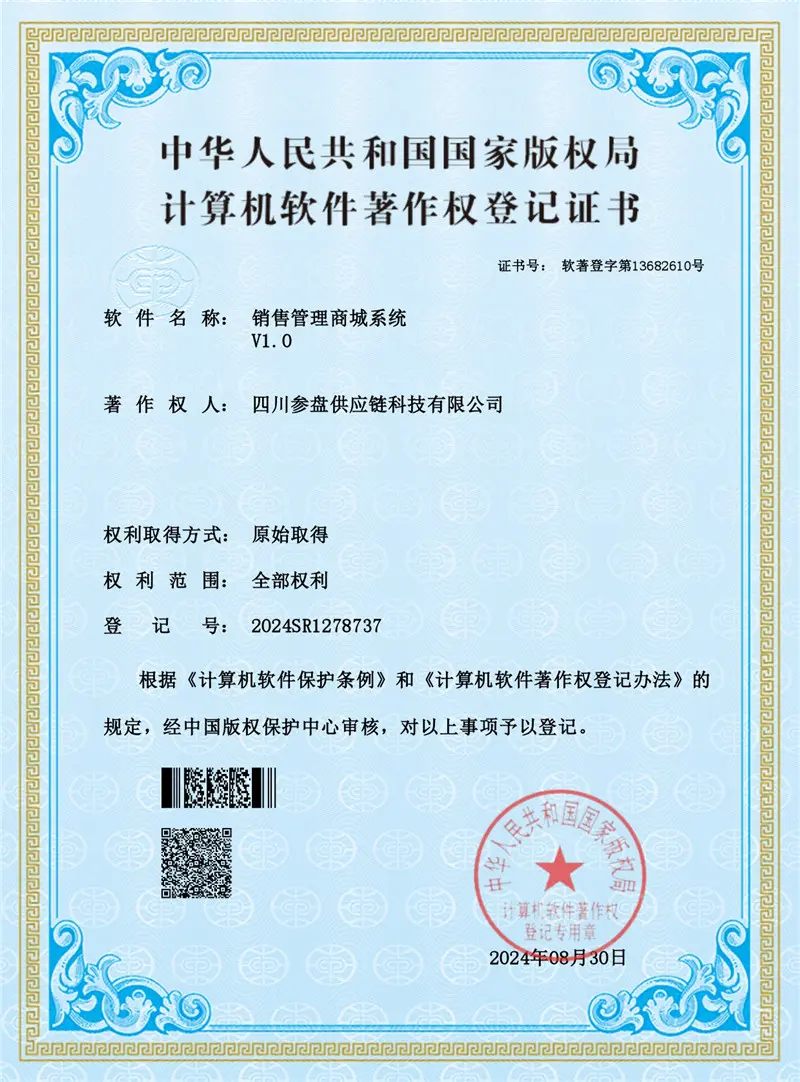
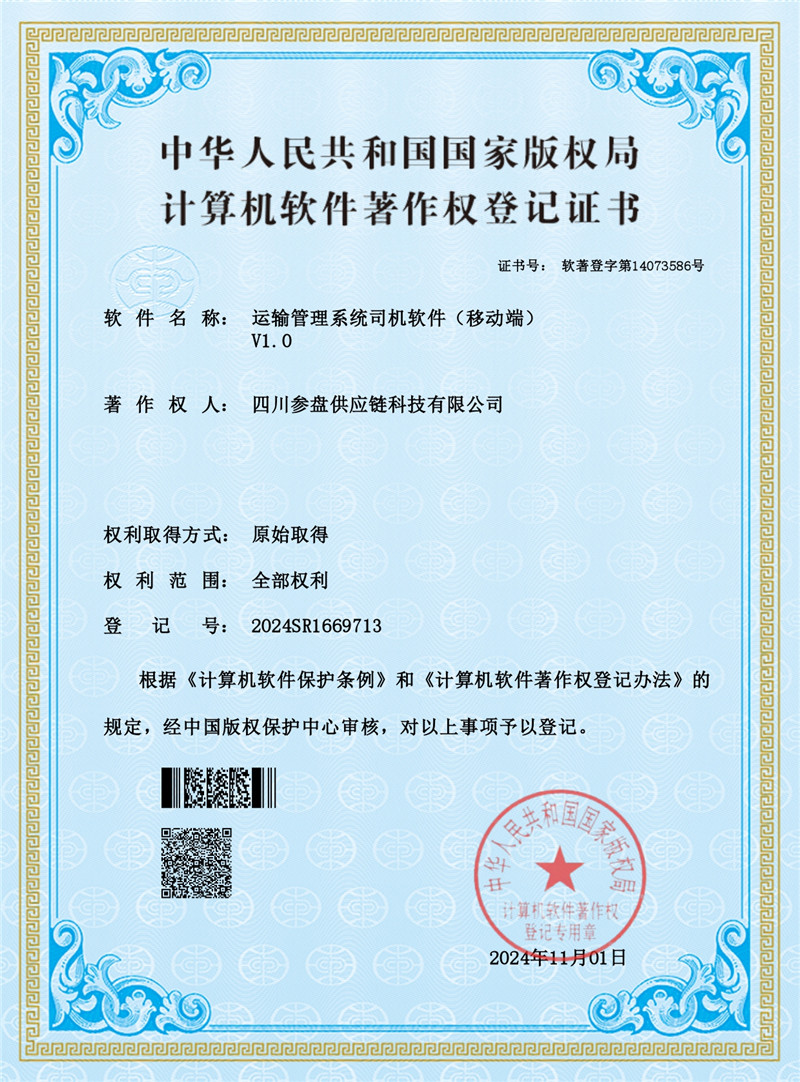
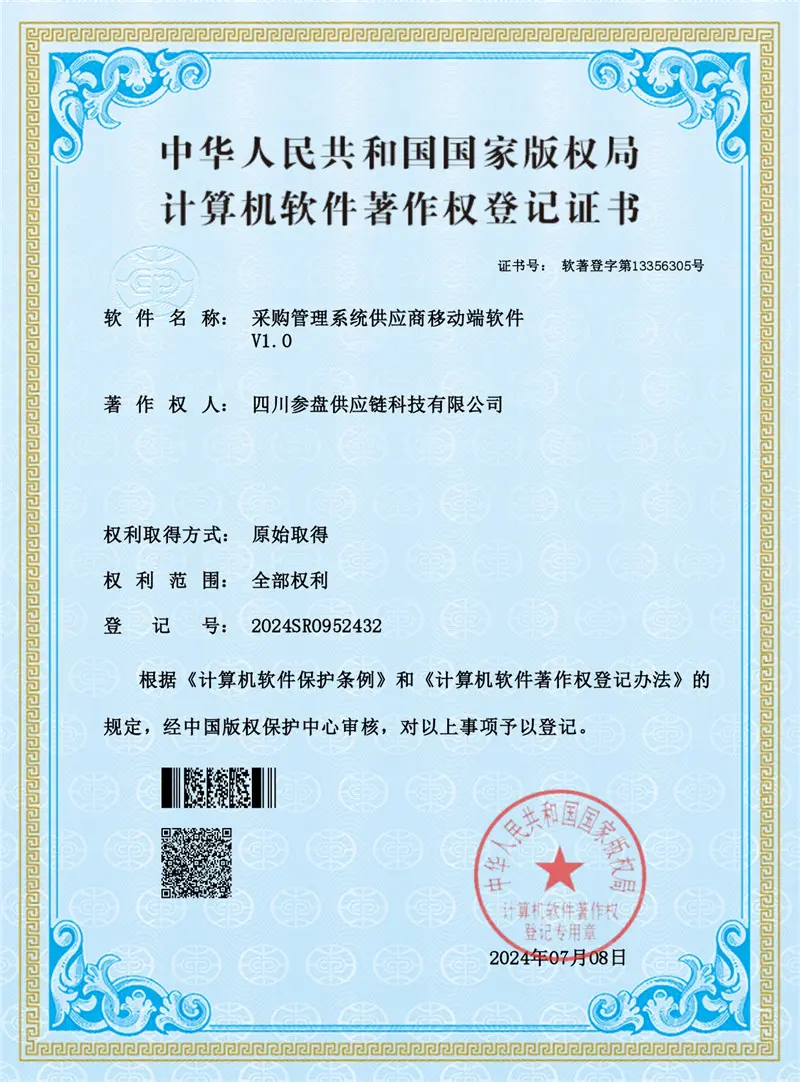
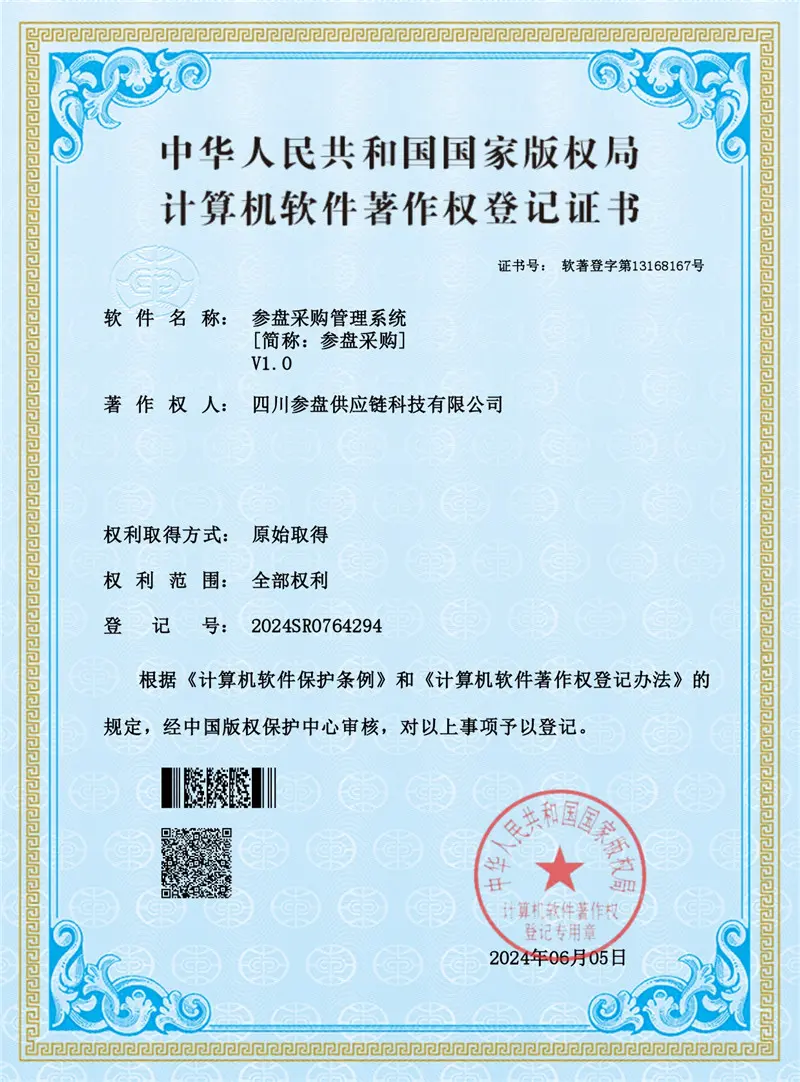
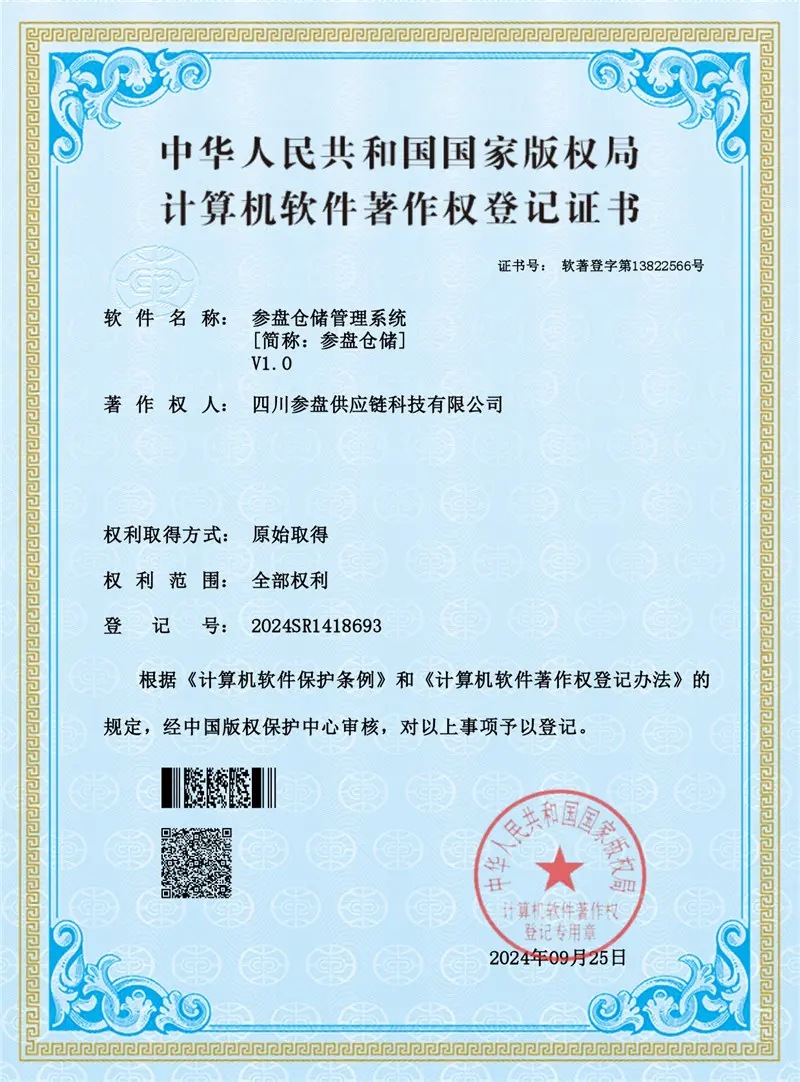
Leveraging artificial intelligence and advanced IoT architectures to digitize end-to-end supply chains.
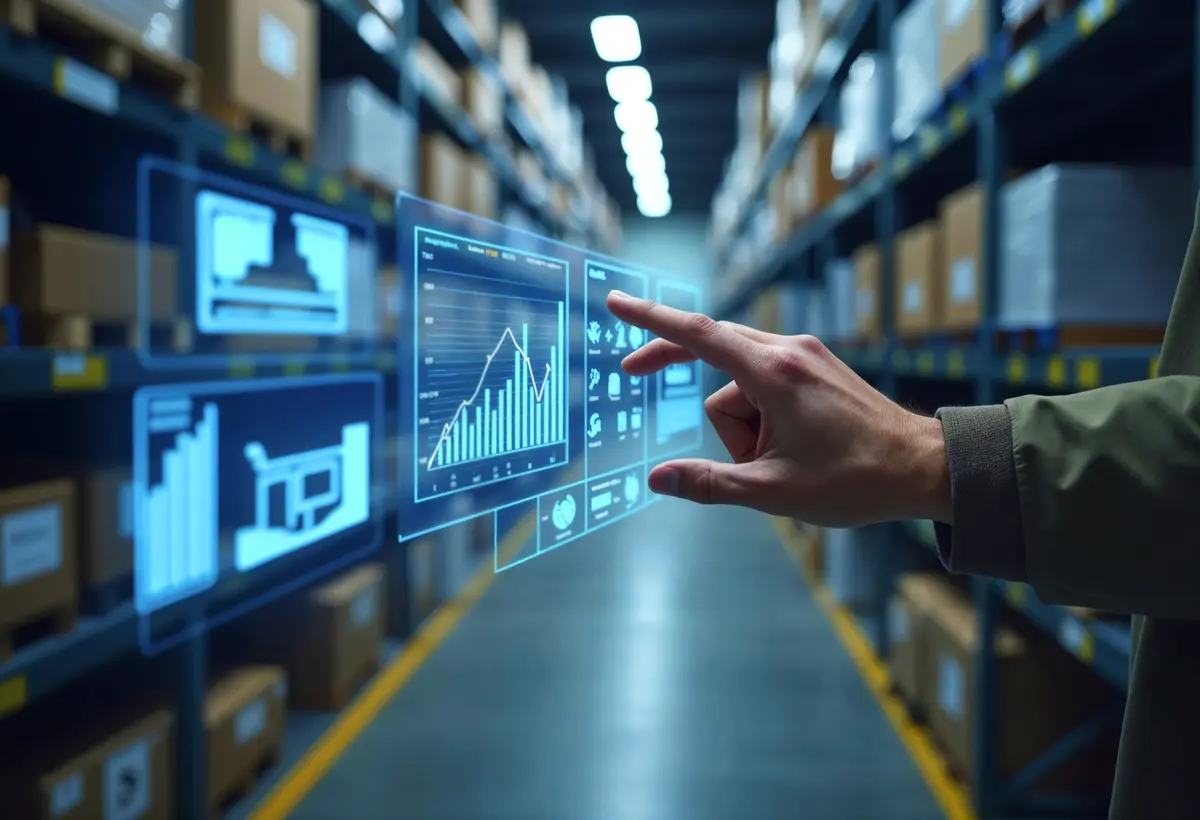
SCP focuses on providing comprehensive solutions for the food supply chain, as well as research and development of intelligent software and hardware products and services. The company aims to be based on the Internet of Things AI, The comprehensive application of machine learning, intelligent devices and other technologies, through automated, digitized, intelligent and systematic technology products and solution matrices, enhances the overall operational efficiency of supply chain procurement/supply/sales, and helps upgrade the value of upstream and downstream industries.
The next phase of warehouse automation relies on closer integration between fleet management and artificial intelligence. We are focusing development on key technical improvements:
Relying on a single LiDAR sensor has limitations in highly dynamic environments. Modern architectures use 3D LiDAR alongside RGB-D stereo vision cameras, ultrasonic sensors, and inertial measurement units (IMUs). This combination improves safety and spatial tracking, allowing systems to detect low-profile obstacles, fork tips, and hanging wires in real-time.
Our control towers utilize machine learning models that predict traffic bottlenecks. Rather than routing all vehicles along the shortest physical path, our systems assign pathways based on real-time traffic levels, task urgency, and current battery states. This dynamic routing reduces congestion at key warehouse intersections.
Equipped with high-rate lithium-iron-phosphate (LFP) chemistry, our AGVs run continuous cycles by utilizing opportunity charging. Automated charging stations are positioned along typical work routes. When a machine is idle, it docks for brief charge intervals, eliminating the need to withdraw vehicles from service for long charging periods.
Key information regarding system design, software integration, safety standards, and project rollout.
Laser SLAM uses natural features in the environment (such as columns, walls, and fixed racks) to build and update navigation maps. Reflector-based navigation requires installing retro-reflective tape or cylinders at specific coordinates. SLAM provides greater path flexibility and eliminates the cost of retrofitting the physical facility.
Our vehicles are built to comply with ISO 3691-4. They feature certified safety scanners that project configured warning and stop fields. If a worker or obstacle enters a warning field, the AGV slows down; if they enter the stop field, the machine stops immediately. Mechanical bumpers and emergency stop buttons provide additional hardware-level safety.
Yes. Our control systems use open API architectures supporting RESTful Web Services, MQTT, and TCP/IP sockets. We support direct integration with major ERP and WMS platforms (like SAP, Oracle, and Infor) to synchronize warehouse orders with hardware movements.
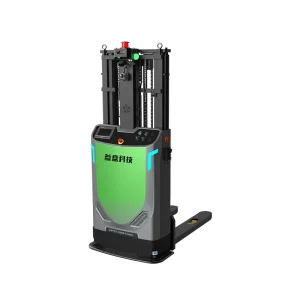
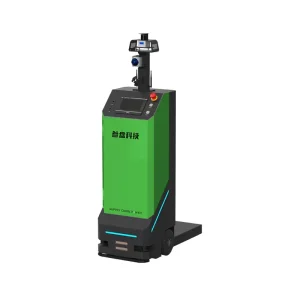
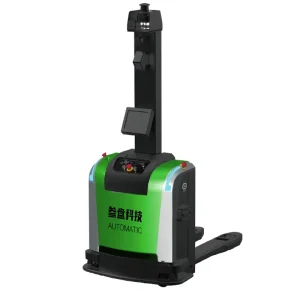
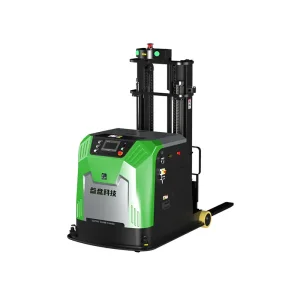
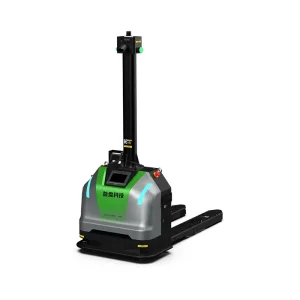
We manufacture units suited for different operational needs: from the compact SFL-300L (300kg capacity) designed for light payloads, to standard models like the SFL-CBD16-S (1600kg capacity), up to heavy-duty balanced units like the SFL-CPD30-Y, which handles loads up to 3000kg.
Through our service networks and digital consulting programs, we offer remote simulation, path routing audits, on-site commissioning support, and training for local maintenance personnel, ensuring consistent system performance globally.
Designed for narrow aisles, high-elevation lifting, and flexible warehouse operations.
 SCP
SCP