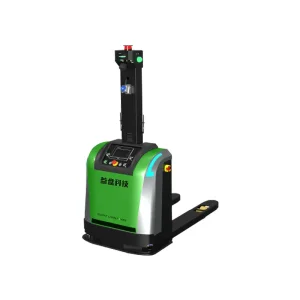
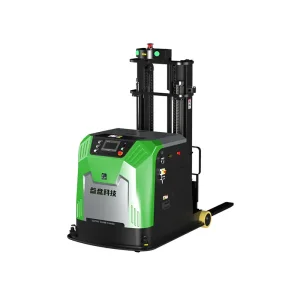
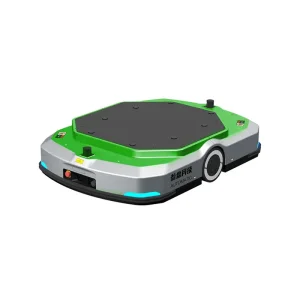
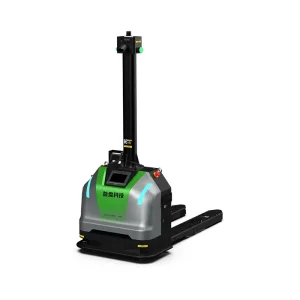
The global logistics landscape is undergoing a structural transition towards automation, driven by the maturity of Artificial Intelligence (AI), Machine Learning (ML), and robust spatial positioning systems. Autonomous Mobile Robots (AMRs) and intelligent delivery platforms are no longer restricted to lab demonstrations. Today, they form the core infrastructure of smart factories, cold chain warehouses, and high-throughput distribution hubs.
Modern industrial delivery environments require machines that go beyond pre-programmed paths. Through advanced Laser SLAM (Simultaneous Localization and Mapping) and Visual SLAM, today's AI-enabled forklift systems navigate dynamic workspaces seamlessly, avoiding obstacles in real-time, executing tasks dynamically, and integrating directly into Manufacturing Execution Systems (MES) and Warehouse Management Systems (WMS).
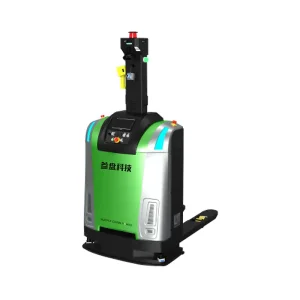
By shifting from rigid Automated Guided Vehicles (AGVs) to adaptable AMRs, global organizations achieve unparalleled flexibility. Whether routing heavy payloads of 3,000 kg across expansive factory floors or maneuvering lightweight material carriers through tight aisles, China-manufactured AI delivery robots stand at the absolute center of this technological leap.
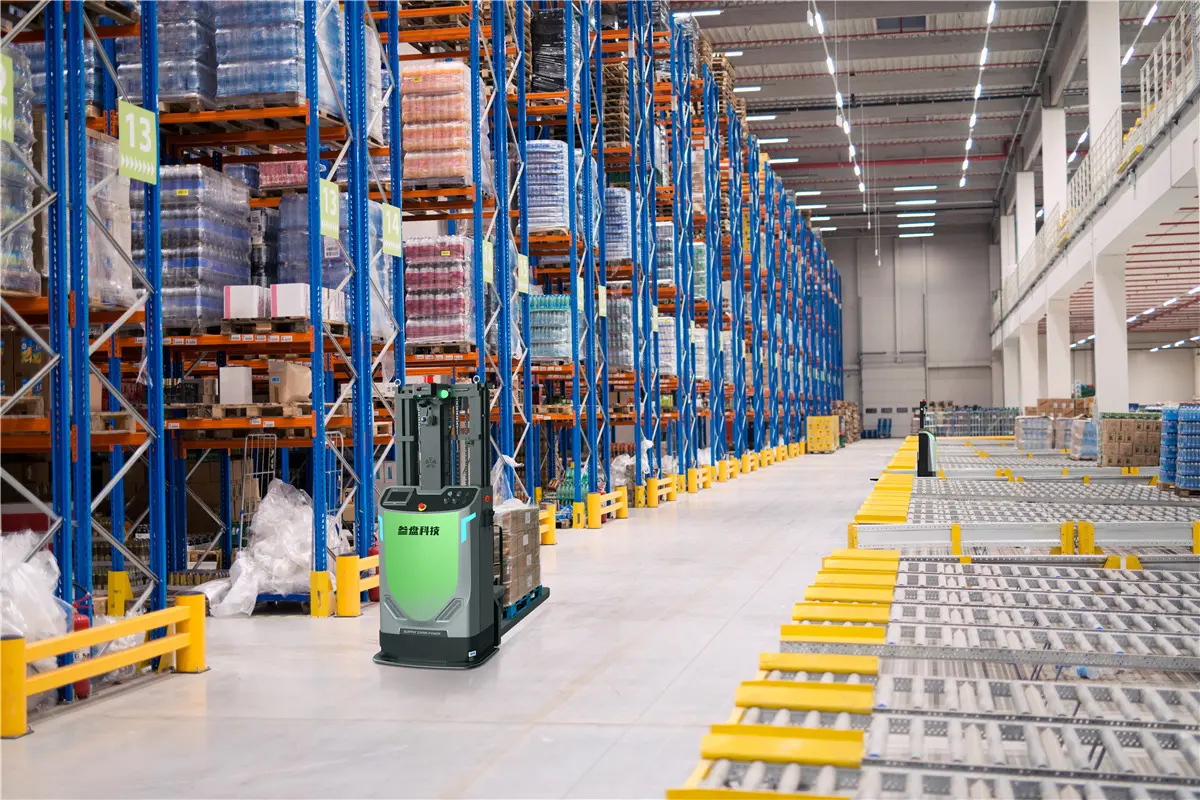
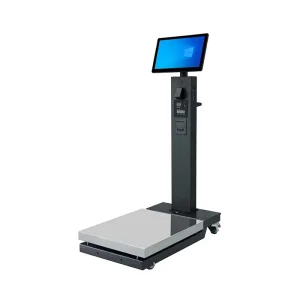
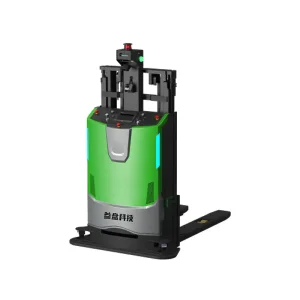
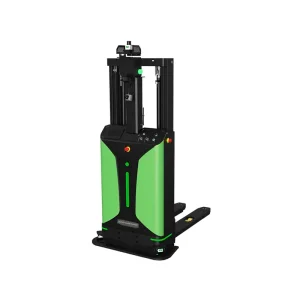
Seamlessly matching production lines with end-of-line storage via high-precision laser forklift integrations and automated scale stations.
Equipped with advanced LiDAR sensors, 3D camera matrices, and active bumper strips, certifying compliant human-robot collaborative environments.
Real-time telemetry, routing optimization, and fleet dispatching software (SCP) maximizing material throughput and asset utilization.
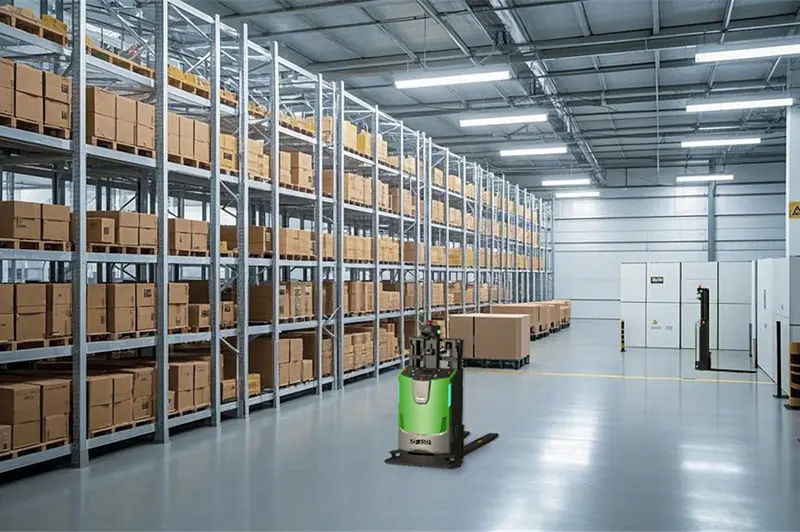
Taking the actual business needs as the cornerstone, SCP is committed to comprehensively innovating and enhancing the overall supply chain planning of enterprises. We provide enterprises with comprehensive end-to-end supply chain solutions, build a multi-role and multi-dimensional intelligent supply chain collaboration system, and achieve all-round efficient collaboration and process optimization.
At present, SCP has established a product architecture supported by software and hardware, and supplemented by the top-level design of the supply chain control tower to create an agile, flexible and efficient end-to-end supply chain system for enterprises.
China's industrial manufacturing ecosystem provides unmatched access to key robotics components under one roof—from LiDAR sensors and drive wheels to smart chassis controllers and structural metalworks. This complete supply chain minimizes manufacturing lead times and reduces production costs dramatically compared to Western alternatives.
Chinese robotics engineers are global leaders in perfecting navigation algorithms. By blending Laser SLAM with RTK-GPS and visual depth cameras, our factory products achieve navigation precision of down to +/- 10mm, ensuring safe operation within extremely congested, high-density industrial warehouse systems.
Whether you require standard 1.5-ton stackers, narrow-aisle AGVs, or customized high-load AMRs with specific lift heights, our factory-direct engineering team modifies designs to fit regional electrical grids, security requirements, and localized compliance standards such as CE, ANSI/RIA R15.08, and ISO 3691-4.
Benefiting farmers and bringing welfare to consumers
Leading the technological upgrade of the supply chain and achieving extraordinary value for transformers
Alliance of Developers of New Quality Supply Chain Technology
In terms of technology research and development, SCP continues to increase its investment and constantly optimize the product architecture supported by software and hardware and the top-level design of the supply chain control tower.
By strengthening the self-development and integration capabilities of various systems in procurement, sales, and supply, we continuously improve the technical level and competitiveness of our products and services. We build a solid foundation for the sustainable development of enterprises and the industry with leading technologies.
At the same time, we actively explore the application of cutting-edge technologies in the supply chain field, promote technological iteration and upgrading, and maintain a leading position in the industry in terms of technology.
In terms of ecological construction, relying on the rich industrial resources and extensive business layout of Caogenziben, SCP deeply explores the supply chain needs of multiple industries such as food consumption and creates solutions that are suitable for actual scenarios.
By empowering key links such as cold chain logistics, we promote the standardized management and efficiency improvement of the supply chain and facilitate the collaborative development of the entire industrial chain.
In addition, we actively carry out in-depth cooperation with overseas partners, absorb international advanced experience and technologies, expand the international market, enhance the global influence of the enterprise, and build a supply chain technology ecosystem with international competitiveness.
From a long-term development perspective, with the vision of "Leading the technological upgrade of the supply chain and achieving extraordinary value for transformers", SCP integrates the concept of sustainable development into its corporate strategic planning and daily operations.
We not only focus on our own growth and profitability but also look to promote the green, intelligent, and efficient development of the industry. We build a more perfect supply chain collaboration system for future enterprises.
While achieving our own sustainable development, we create greater value for society and become a backbone force in promoting the sustainable development of the supply chain technology industry.
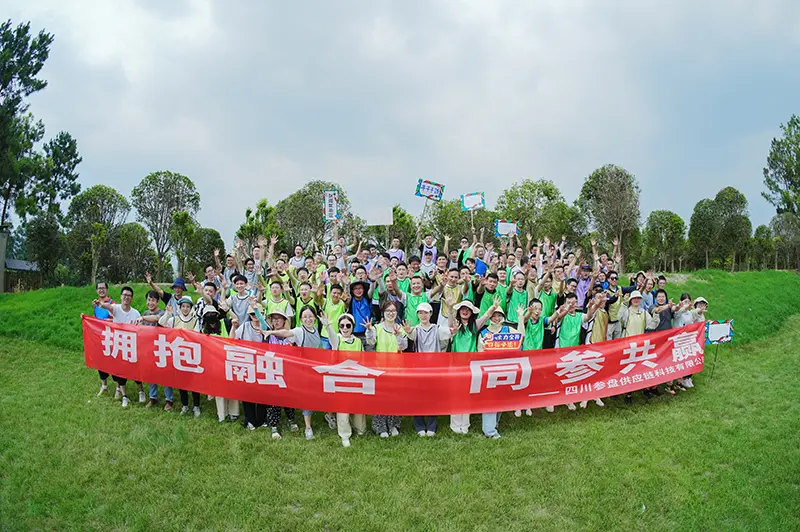
Leveraging state-of-the-art software and hardware integrations, SCP targets the most demanding environments, including meat processing, agricultural packing, cold storage logistics, and high-volume food processing plants. Our autonomous delivery robots and forklifts are engineered with special chassis coatings, washdown capabilities, and sub-zero battery performance options to ensure continuous delivery without thermal degradation or downtime.
By linking digital platforms with automated hardware, we create the perfect workflow: raw food ingredients are automatically fetched, scaled via integrated SCP floor scales, transferred to production zones via Laser SLAM forklifts, and logged into WMS platforms automatically, reducing trace times from hours to fractions of a second.
Our manufacturing plants maintain strict adherence to international safety and quality standards. Our product catalog undergoes thorough stress testing to support reliable industrial applications.
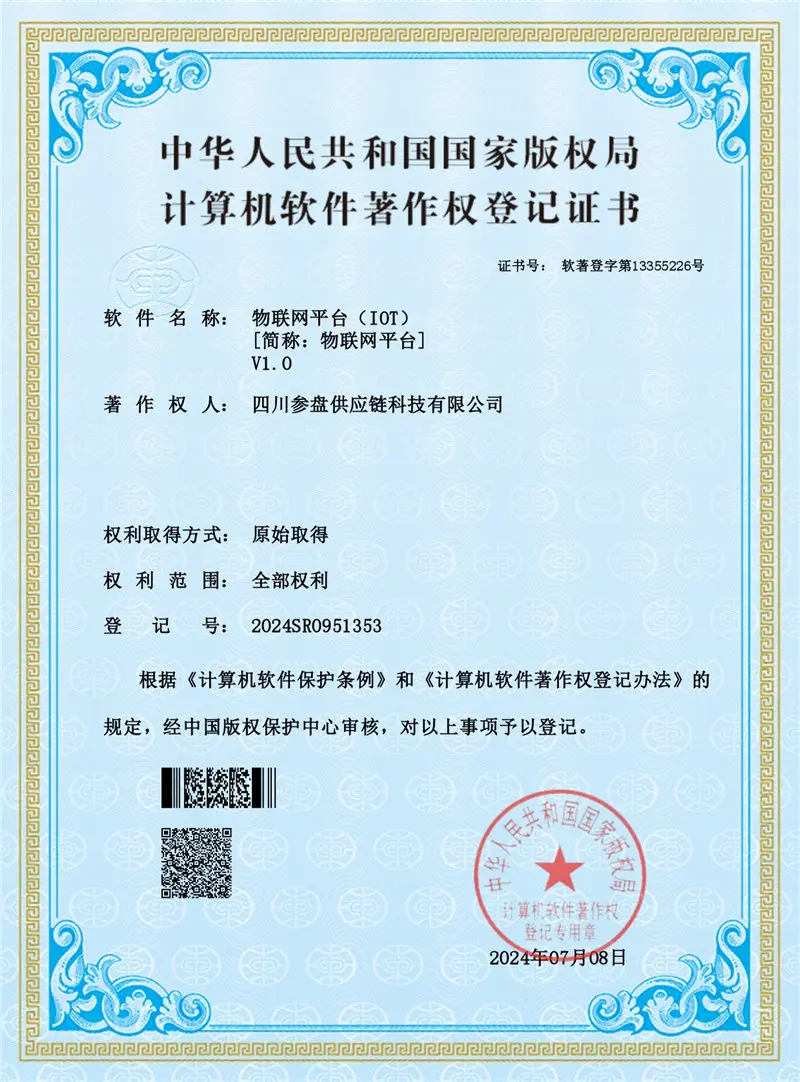
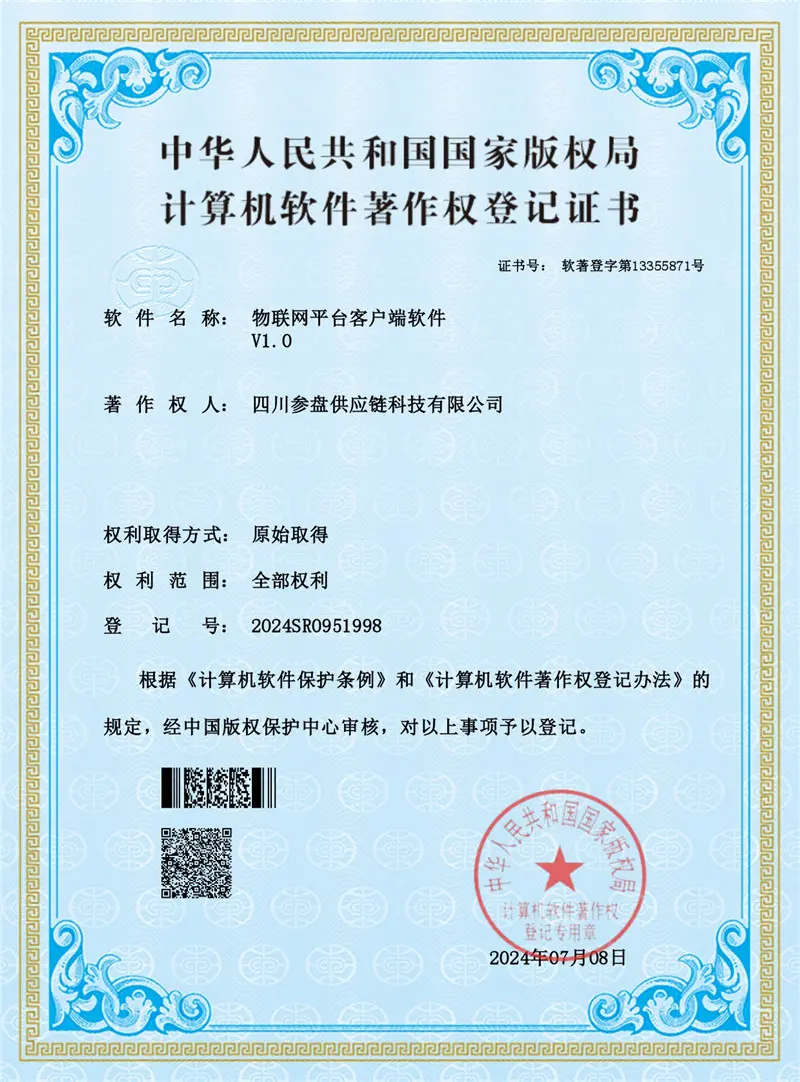
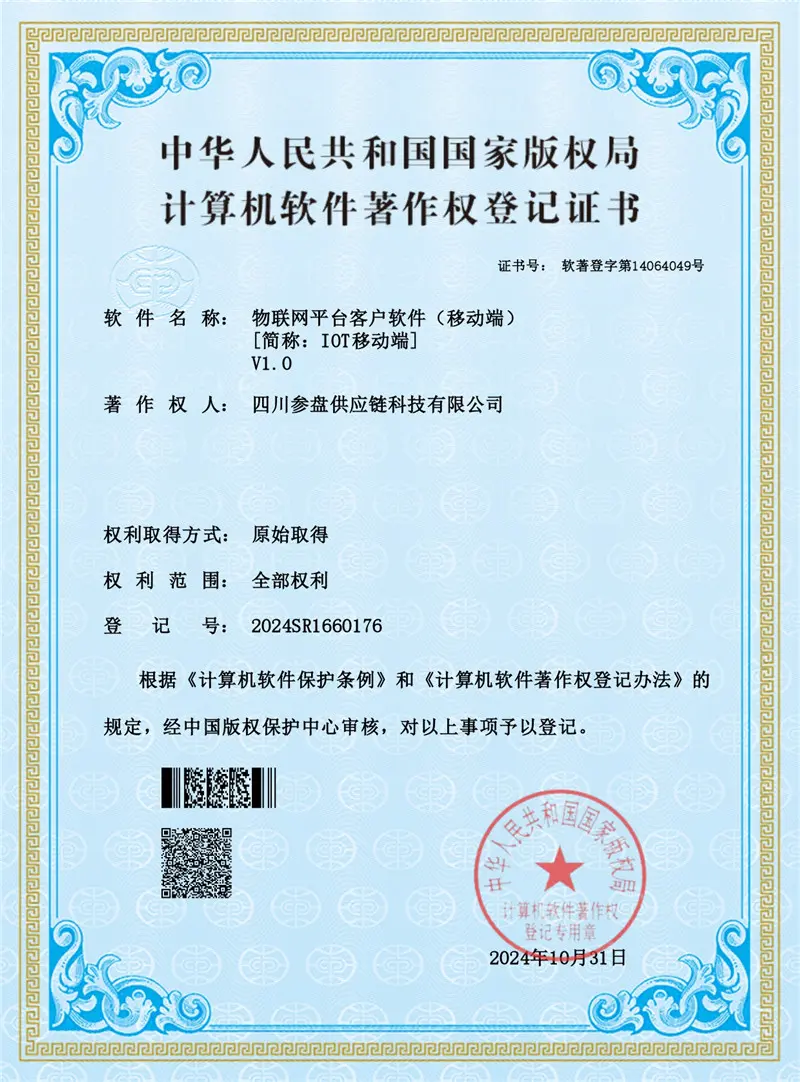
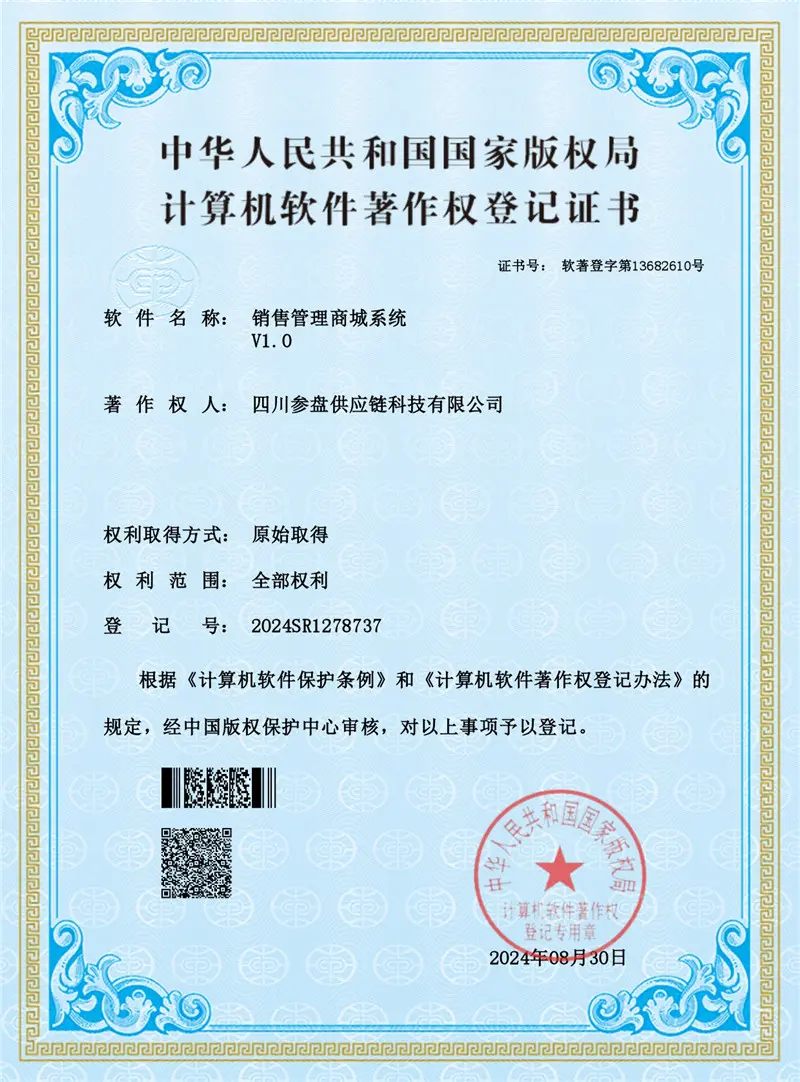
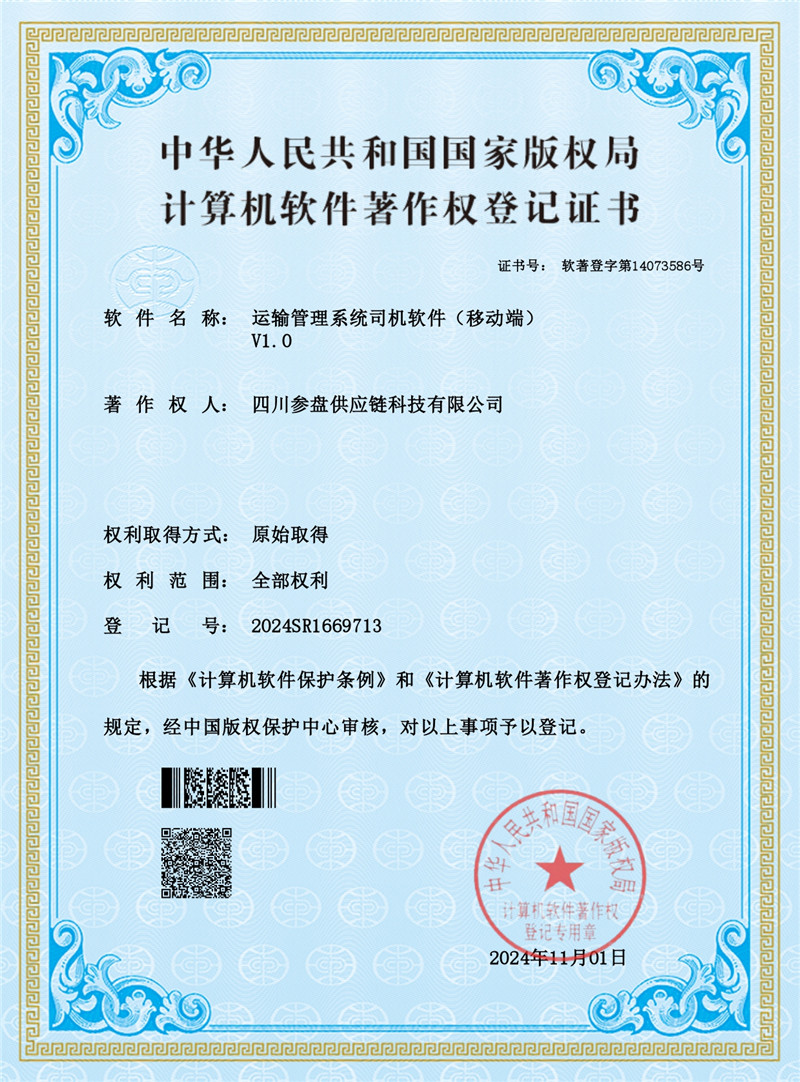
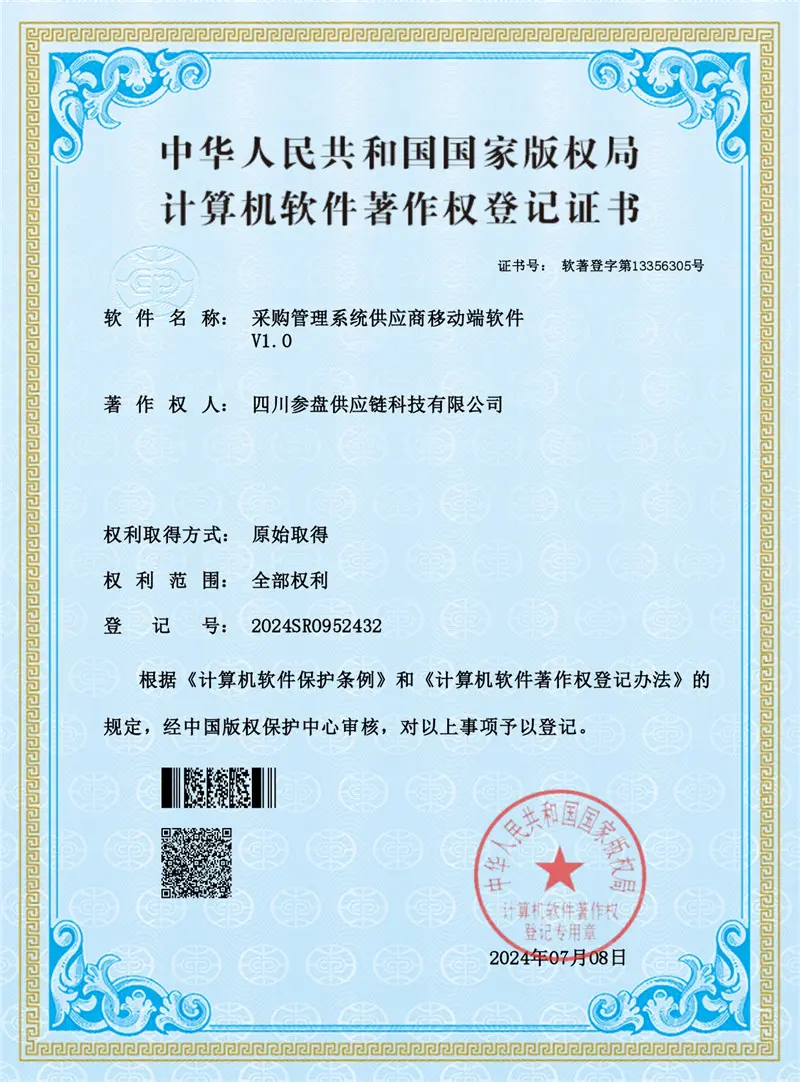
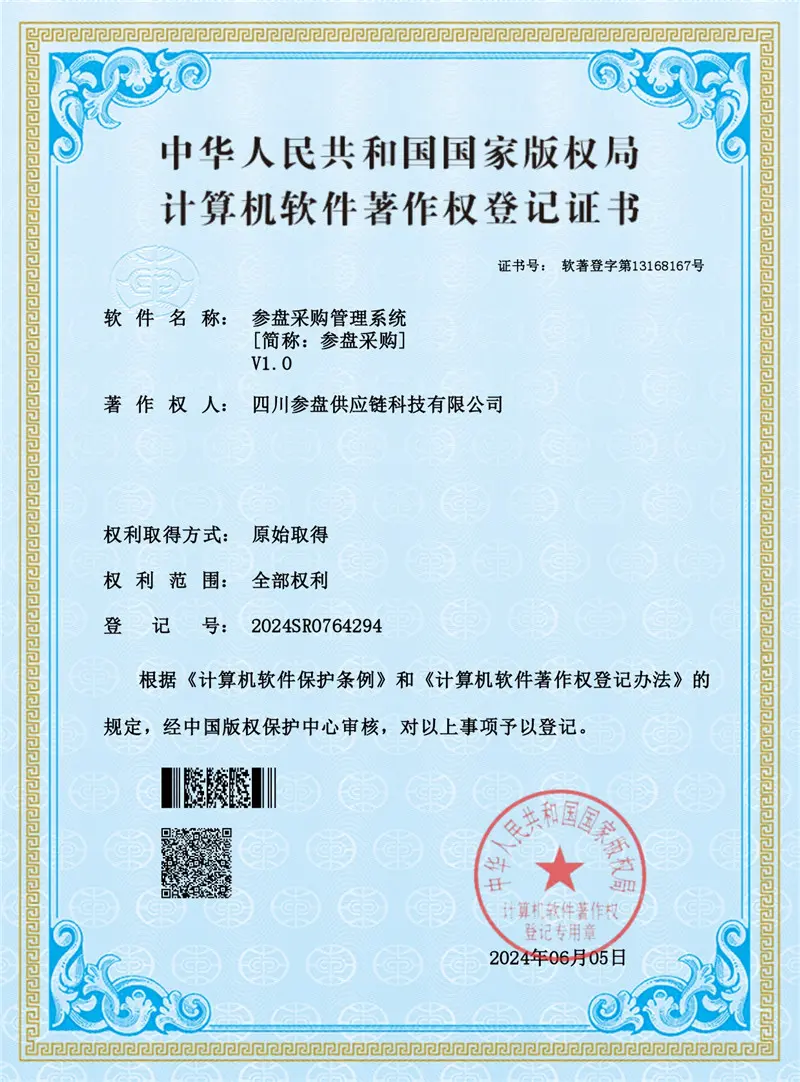
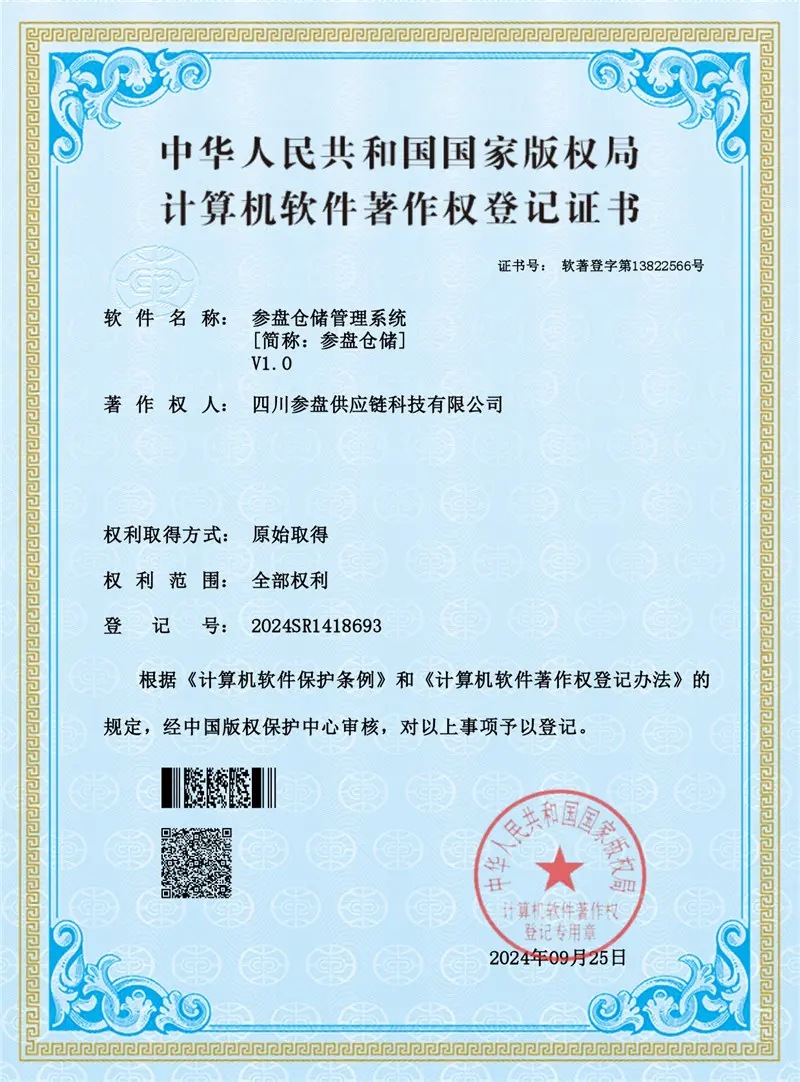
SCP focuses on providing comprehensive solutions for the food supply chain, as well as research and development of intelligent software and hardware products and services. The company aims to be based on the Internet of Things AI, the comprehensive application of machine learning, intelligent devices and other technologies, through automated, digitized, intelligent and systematic technology products and solution matrices, enhances the overall operational efficiency of supply chain procurement/supply/sales, and helps upgrade the value of upstream and downstream industries.
Our autonomous mobile robots represent the hardware layer of this vision. By running on open APIs, they talk directly to dispatching systems, tracking the transit status of pallets across agricultural centers, logistics hubs, and processing factories in real-time.

Get technical insights into how Laser SLAM AMRs and intelligent forklift systems improve warehouse layout flexibility and operational efficiency.
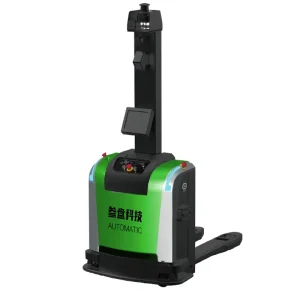
Ensure your investments generate long-term value by verifying these essential hardware and software requirements during your supplier evaluations.
Confirm the accuracy levels of navigation and positioning. Industrial workflows demand precision of at least +/- 10mm. Ensure the vehicle uses hybrid SLAM approaches (combining LiDAR, visual cameras, and wheel odometry) to handle dynamic warehouses without losing localization.
Verify that components like the drive motors, structural steel, and hydraulics are designed for industrial use. Look for robust parts capable of managing continuous 24/7 duty cycles. Inquire about the quality of the lithium iron phosphate (LiFePO4) battery cells and their expected cycle life.
A robotic fleet is only as effective as its dispatch software. Ensure your supplier provides WMS-compatible APIs and centralized fleet management solutions. These tools should support dynamic task assignment, automatic charging cycles, and traffic control across multiple machine models.
 SCP
SCP