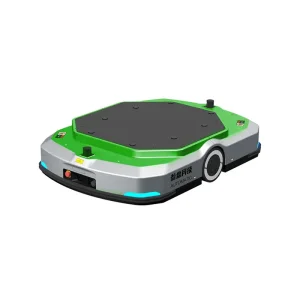
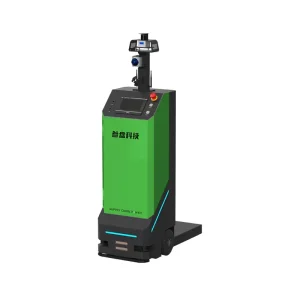
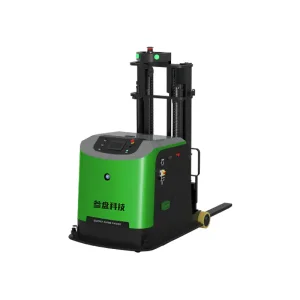
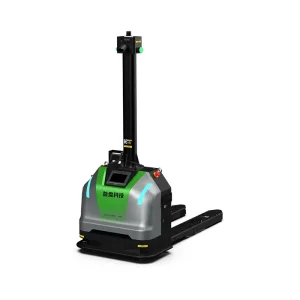
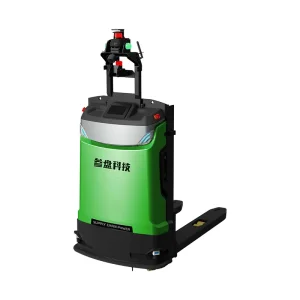
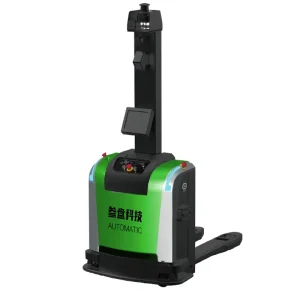
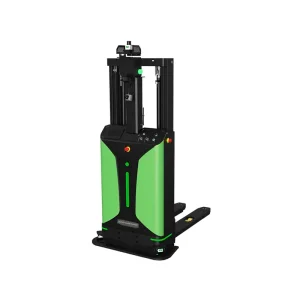
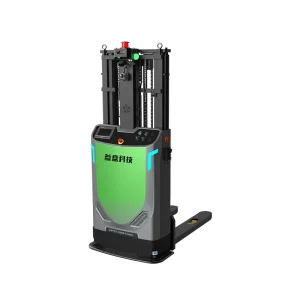
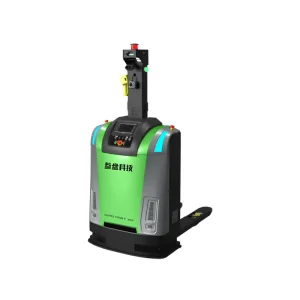
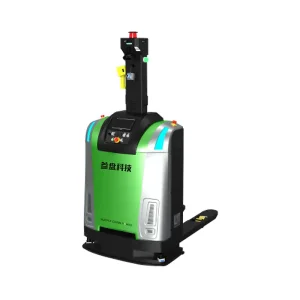
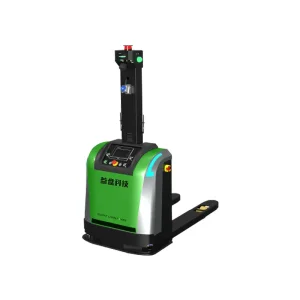
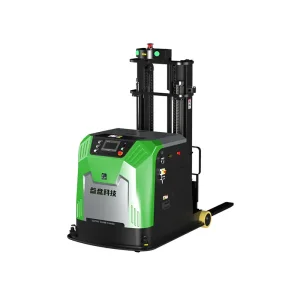
Engineered for high performance, dynamic navigation, and heavy payload operations. Direct from trusted factory manufacturers in China.
The industrial landscape is undergoing a monumental paradigm shift. Global supply chain constraints, escalating labor wages, and demands for hyper-efficient operations are accelerating the deployment of Automated Guided Carts (AGCs) and Autonomous Mobile Robots (AMRs). Historically, logistics facilities depended on human-operated vehicles or rigid, non-flexible conveyor networks. Today, modern industrial ecosystems require dynamic, self-navigating, and safety-compliant robot fleets that seamlessly adapt to real-time operations.
China has established itself as the global epicenter for AGC and AGV manufacturing. By combining deep technological innovation in Laser SLAM (Simultaneous Localization and Mapping), massive vertical integration of supply chains, and robust mechanical engineering, Chinese manufacturers produce automated material handling systems that are both highly cost-effective and technically superior to legacy solutions. These robots are no longer just basic carts following magnetic tape; they are high-performance computing platforms capable of navigating dynamic environments, identifying obstacles, and collaborating safely with human workers.
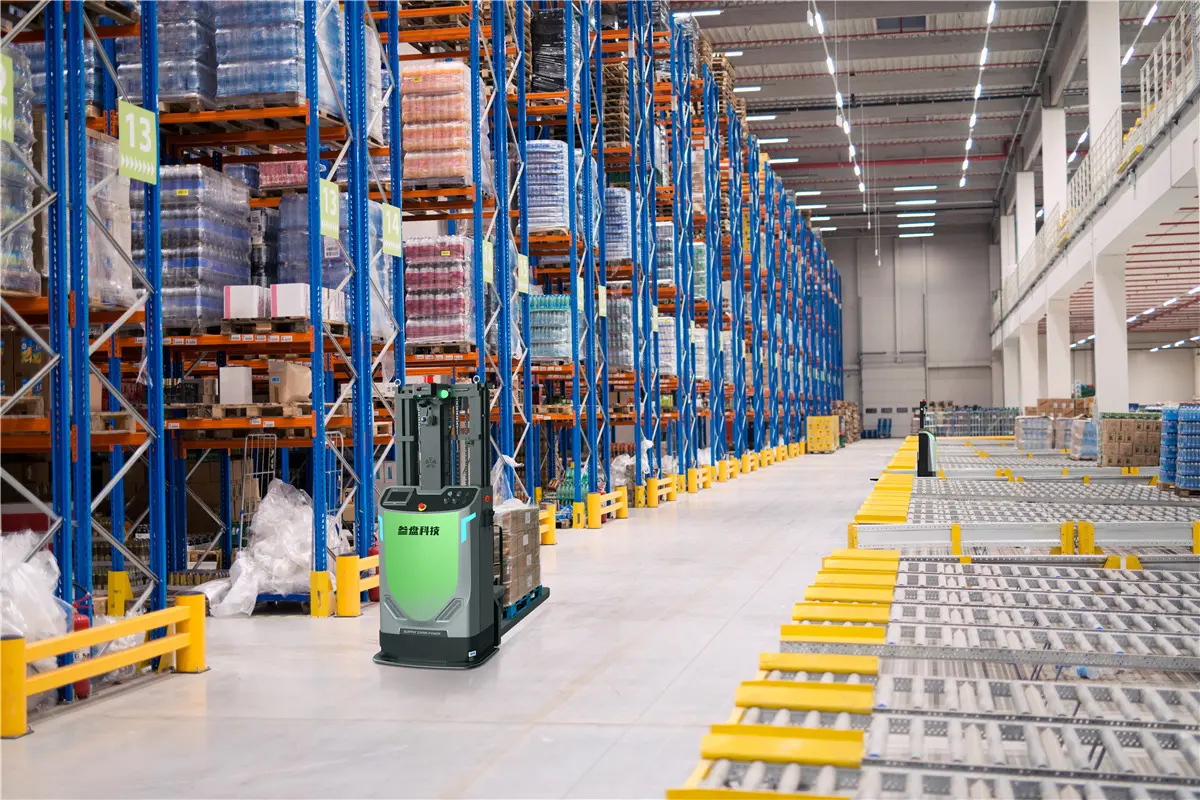
The explosive demand for omni-channel commerce requires micro-fulfillment hubs and vast distribution centers to operate 24/7. Standard manual labor is no longer sufficient to maintain the throughput requirements, making autonomous vehicles essential.
Industrial operations are rapidly abandoning magnetic tape, painted lines, and reflectors. Flexible 2D/3D Laser SLAM systems allow rapid floorplan changes in the fleet manager software without any physical floor alterations.
Interoperability is crucial. Modern fleets must utilize open communications standards, enabling AGC and AGV systems from multiple different suppliers to run simultaneously under a single, unified Fleet Management System (FMS).
Combining state-of-the-art physical robotic hardware with advanced cloud-based digital supply chain orchestration.
Taking actual business needs as our cornerstone, SCP is committed to comprehensively innovating and enhancing the overall supply chain planning of enterprises. We provide global industrial partners with end-to-end supply chain solutions, building a multi-role and multi-dimensional intelligent supply chain collaboration system. Through these systems, we achieve all-round efficient collaboration and process optimization.
Currently, SCP has established a highly integrated product architecture supported by both premium automated hardware (such as AGV/AMR chassis and laser-guided forklifts) and advanced software control architectures. This is supplemented by the top-level design of the supply chain control tower, creating an agile, flexible, and resilient end-to-end supply chain ecosystem for modern enterprises.
Benefiting farmers and bringing welfare to consumers through the deep application of technology in the supply chain and food production pipeline.
Leading the technological upgrade of the supply chain and achieving extraordinary value for transformers across industrial automation.
An elite Alliance of Developers of New Quality Supply Chain Technology, providing robust hardware systems and software intelligence.
Why Fortune 500 enterprises and global industrial developers partner with SCP and our technology alliance.
As a subsidiary of New Hope Group, we have built a prominent market reputation and operational execution capability. We possess a deep, localized understanding of various heavy industries, cold-chain logistics, and food processing systems.
We were incubated directly from the internal digital transformation demands of the business side within the New Hope system. Having implemented hundreds of identical projects, we understand real floor scenarios and practical user demands better.
We retain full intellectual property ownership, possessing self-development and integration capabilities for systems covering procurement, sales, logistics, and supply. We seamlessly customize parameters to fit customer specific systems.
Alongside our robotic products, we provide light consulting services, focusing on warehousing layout optimization, process redesign, and KPIs, helping organizations minimize bottlenecks and scale smoothly.
Our dedicated professional project delivery teams handle the deployment process. We adapt quickly to unexpected client requirements, ensuring minimal downtime and rapid, high-quality site commissionings.
Fostering forward-thinking robotics development designed for long-term operational success.
SCP continues to expand investments in R&D, continuously refining its advanced hardware and software structures. By keeping core competencies internal, such as SLAM software engineering and modular mobile chassis development, we maintain strict control over quality and system updates.
We actively explore integrations with machine learning models and visual recognition systems to ensure our AGV and AGC robots perform well in complex, dynamic industrial environments.
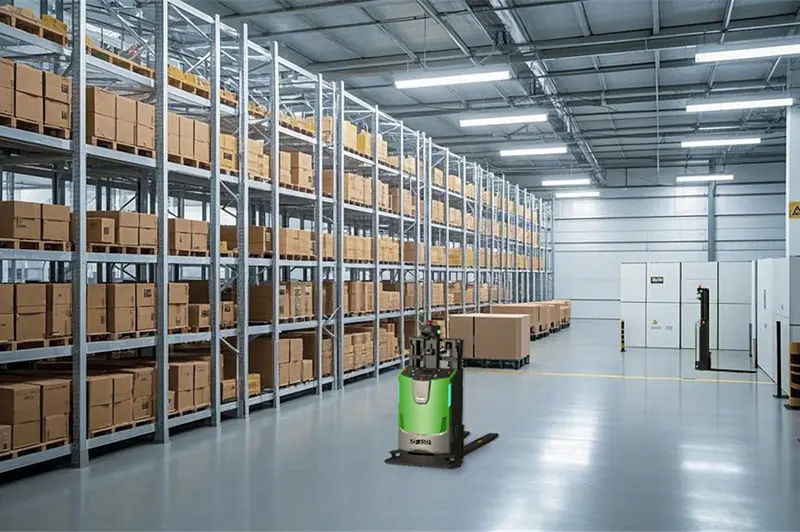
Leveraging the rich industrial resource network of Caogenziben, SCP addresses complex material handling demands in challenging scenarios like cold-chain logistics, sub-zero storage, and high-hygiene food processing plants.
Additionally, we collaborate with international robotics engineering bodies to export our advanced AGVs, expanding global footprint and developing global competitiveness.
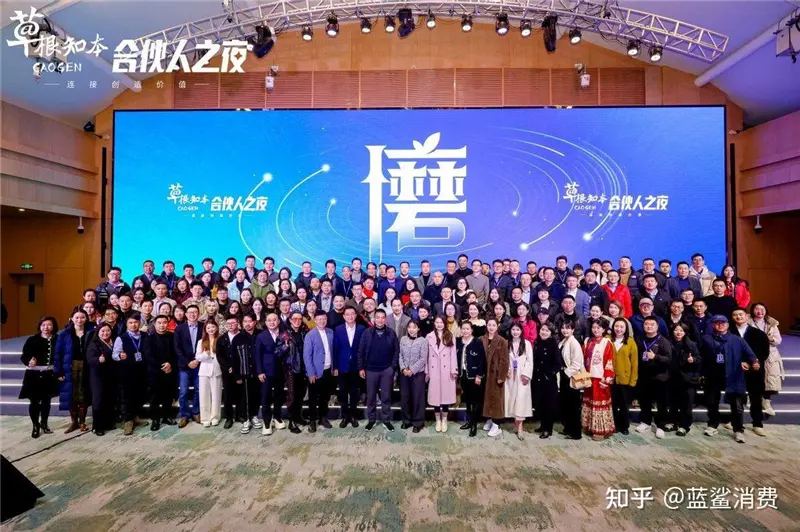
We design our robotic systems with sustainability in mind. By transitioning warehouses to automated AGC operations, businesses can significantly reduce energy consumption (utilizing dark warehousing, optimized route planning, and high-efficiency lithium-ion battery management).
We aim to assist companies in transitioning to digital, low-carbon facilities, creating sustainable value for society and our industrial partners.
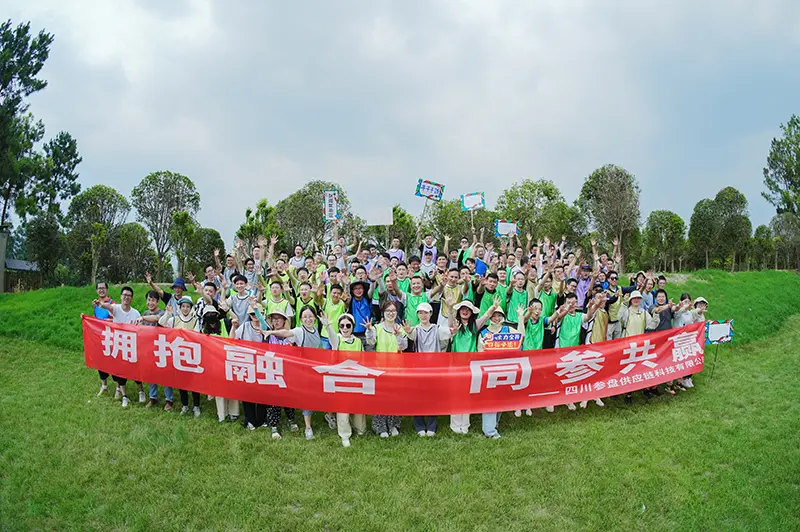
Our products undergo rigorous testing to comply with international safety and performance regulations.


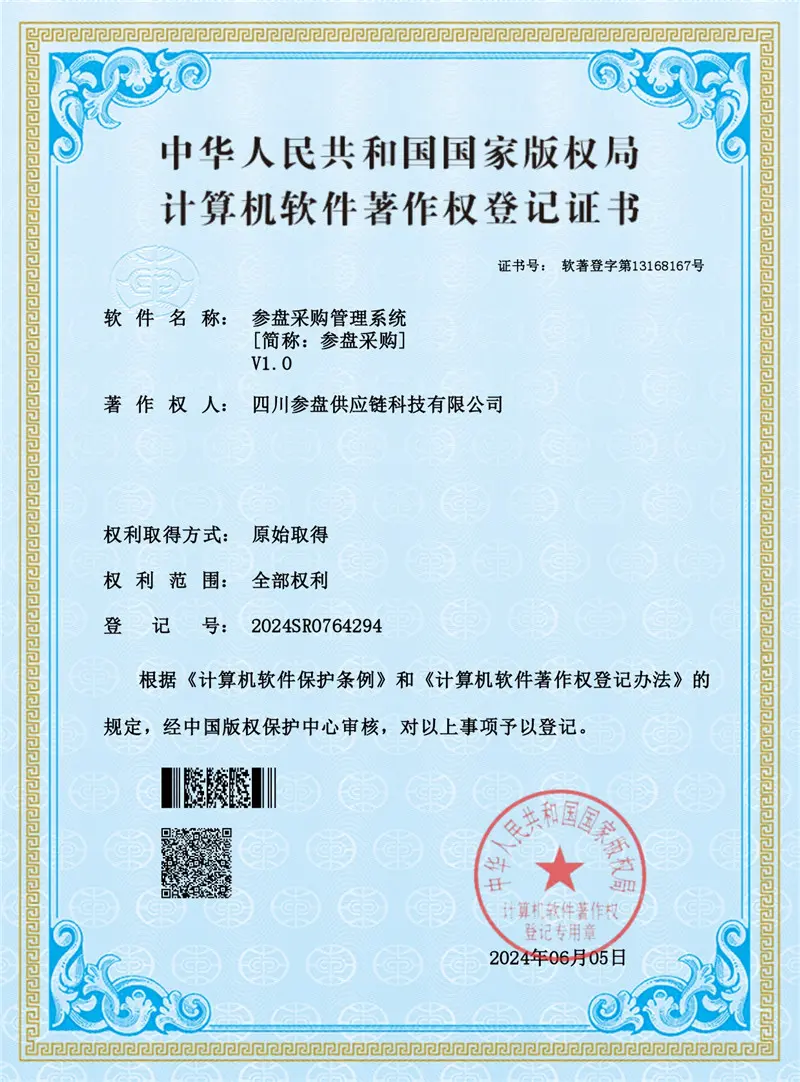
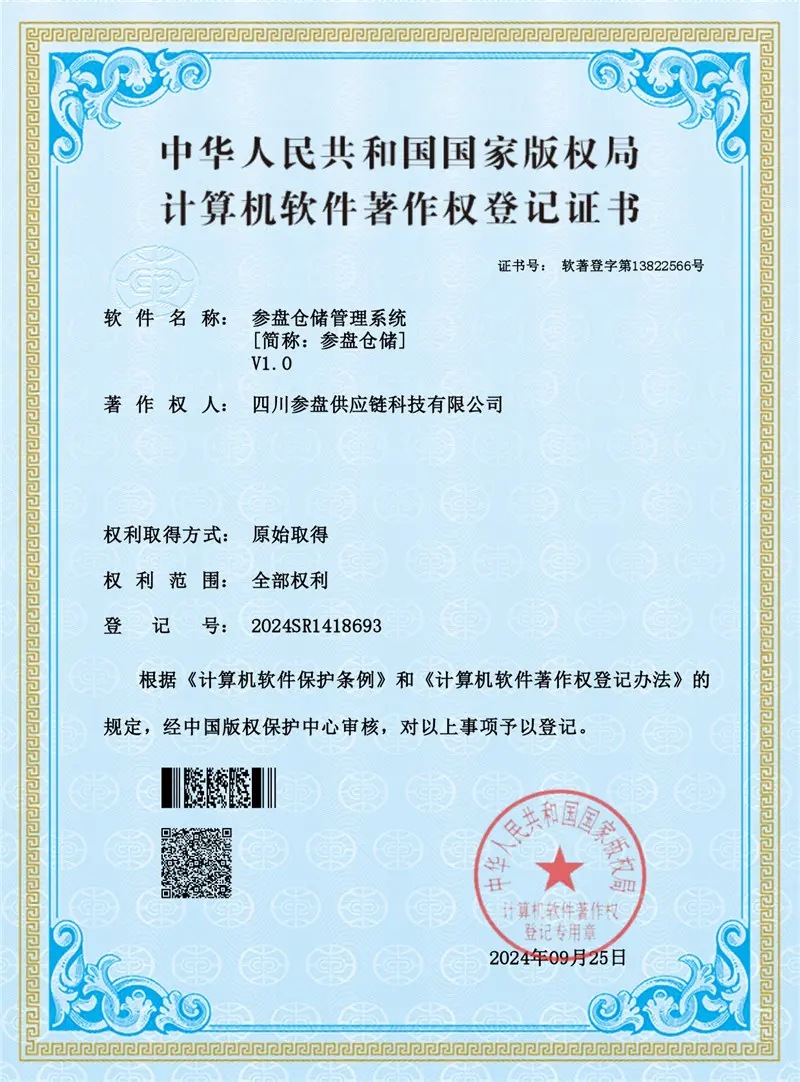

SCP focuses on providing comprehensive solutions for the food supply chain, as well as the research and development of intelligent software and hardware products. Through the integration of IoT, Artificial Intelligence, Machine Learning, and precision robotic hardware, we improve operational efficiency across procurement, warehousing, and sales.
Our solutions target common industry pain points: labor shortages, pick inaccuracies, low space utilization, and inadequate traceabilities. Our AGC chassis and Laser SLAM smart forklifts act as modular execution units, receiving real-time task dispatches from the central fleet system to optimize material flow.
Understanding the technological shift from legacy guidance systems to modern autonomous systems.
To assist technical buyers in identifying the appropriate automated guided cart (AGC) or automated guided vehicle (AGV) platform, we have outlined the navigation methodologies commonly used in manufacturing plants and warehouses below:
The next generation of AGC robots will utilize 3D Visual SLAM (VSLAM), combining LiDAR inputs with deep-learning stereo cameras. VSLAM enables vehicles to construct rich, 3D semantic maps of their environments. This allows them to distinguish between a stationary pallet (which requires transport) and a human worker (which requires collision avoidance), enhancing safety and navigation efficiency.
Furthermore, the integration of ultra-low latency 5G networks allows raw spatial processing tasks to be offloaded to centralized cloud servers. This reduces on-board power consumption, extends battery runtimes, and lowers hardware acquisition costs for fleet deployments.
Technical guidance and purchasing considerations for global buyers looking to source AGC and AGV systems from China.
Explore our high-capacity series, custom chassis platforms, and narrow-aisle material handlers.
 SCP
SCP