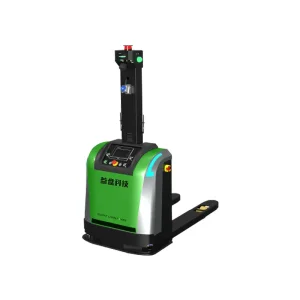
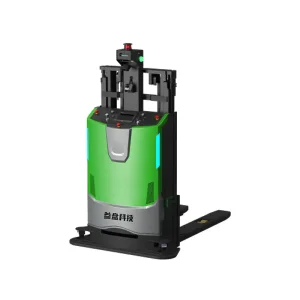
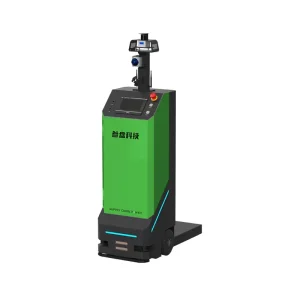
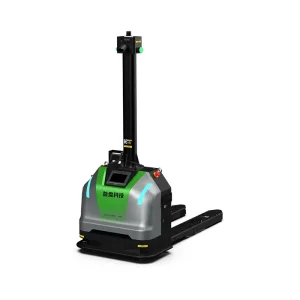
High-Performance Hardware Systems
Taking the actual business needs as the cornerstone, SCP is committed to comprehensively innovating and enhancing the overall supply chain planning of enterprises. We provide enterprises with comprehensive end-to-end supply chain solutions, build a multi-role and multi-dimensional intelligent supply chain collaboration system, and achieve all-round efficient collaboration and process optimization. At present, SCP has established a product architecture supported by software and hardware, and supplemented by the top-level design of the supply chain control tower to create an agile, flexible and efficient end-to-end supply chain system for enterprises.
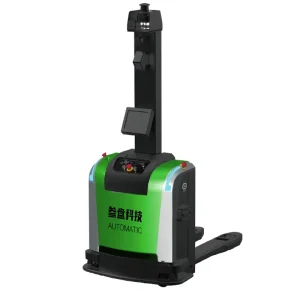
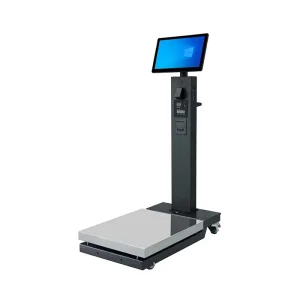
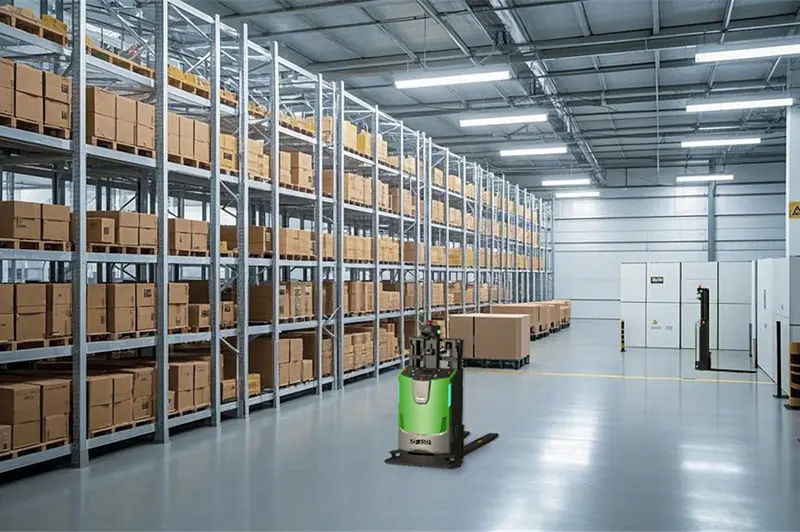
Deep integration with AGVs, laser SLAM forklifts, and automated scale stations to build continuous data feedback loops.
Dynamic WMS routing, real-time inventory consolidation, and multi-robot scheduling algorithms designed for high throughput.
The Global Manufacturing Edge
WMS robotics production requires diverse mechanical, electrical, and optical components. Located in the heart of Chinese industrial clusters, our factory benefits from instant access to top-tier local LiDAR manufacturers, precision gearbox foundries, and high-performance brushless motor producers. This reduces procurement lag and prototype development times dramatically.
Whether you require unique fork dimensions for customized plastic pallets, heavy-duty chassis structures handling up to 3 tons, or specialized cleanroom/cold-storage compatibility (-25°C), our advanced CNC metal fabrication departments and dedicated robotic software engineers execute custom hardware modifications fast, minimizing delivery bottlenecks.
By leveraging local top-tier lithium battery technology partners (such as CATL and BYD), our intelligent forklifts and mobile robot chassis achieve high energy density, safe rapid-charging cycles (10-minute charge for 4 hours of operation), and an extended battery longevity exceeding 8-10 years under continuous warehouse operations.
Guided by Purpose & Excellence
Benefiting farmers and bringing welfare to consumers through the deep integration of technology and agricultural logistics infrastructure.
Leading the technological upgrade of the supply chain and achieving extraordinary value for transformers in global industry sectors.
Alliance of Developers of New Quality Supply Chain Technology, providing cohesive integration models for global logistics players.
Logistics Technology Frontiers
Traditional LiDAR systems rely on flat structural environments to build maps. Modern high-density warehouses with dynamically changing stock require robust visual SLAM sensors combined with 3D LiDAR. This enables robots to read height elevation, recognize obstacles like loose plastic wrapping, and navigate environments with minimal natural landmarks.
Modern warehouse hubs deploy machinery from different manufacturers. A unified supply chain planning system utilizes standardization protocols like VDA 5050 to orchestrate smart forklifts, autonomous mobile chassis, and sorting conveyors seamlessly. Our self-developed fleet dispatcher integrates using cloud-native WebSockets to control up to 500 active units simultaneously.
The modern WMS is transitioning from a static database to a predictive neural network. By monitoring historic inbound schedules and outbound seasonal demand peaks, real-time AI algorithms instruct AMR systems to relocate fast-moving products closer to packing lanes during off-hours, significantly reducing pickup latency.
As robot collision sensors become more sophisticated, warehouses are eliminating physical protective cages. Modern laser-guided smart forklifts utilize advanced localized AI modules to anticipate human traffic pathways, adjusting travel velocity from 2m/s down to 0.2m/s smoothly, rather than executing sudden hard stops that may damage loads.
Why Enterprises Partner with Us
As a subsidiary of New Hope Group, we have built a solid market reputation and high execution ability. We possess an in-depth understanding of logistics challenges across diverse industries, from agricultural distribution to heavy electronics manufacturing.
We were incubated based on the digital automation needs of the business operations within the New Hope system. Having implemented many projects of similar scale, we understand real-world business scenarios, constraints, and dynamic payloads.
We possess complete self-development and integration capabilities for various digital supply systems in procurement, sales, and warehouse supply. We tailor features easily to meet individual customer infrastructure requirements.
We provide light consulting services alongside systems deployment, covering essential logistics elements like process optimization, warehouse layout audits, and KPI assessment weights, to secure successful digital transformations.
Our professional on-site engineering team operates globally. We actively resolve personalized customer requirements and ensure fast, high-quality system integration, maintaining operational continuity during deployment phases.
Targeted Robotics Solutions
Operate efficiently in cold storage down to -25°C. Features include anti-condensation chassis, low-temperature batteries, and specialized lubricant ratings preventing component seizing in frozen poultry and dairy hubs.
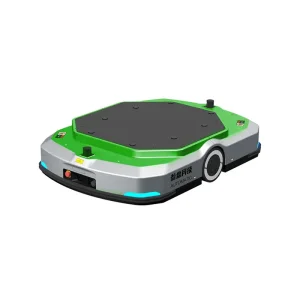
Automating raw material delivery to precise production lines. Mobile robot chassis (such as AMB-CSW10-BH with 1T capacity) integrate with factory MES to deliver tooling and raw parts exactly when needed.
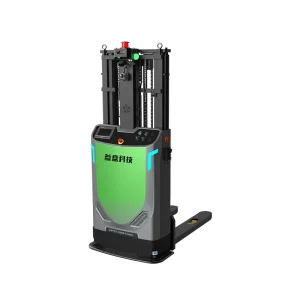
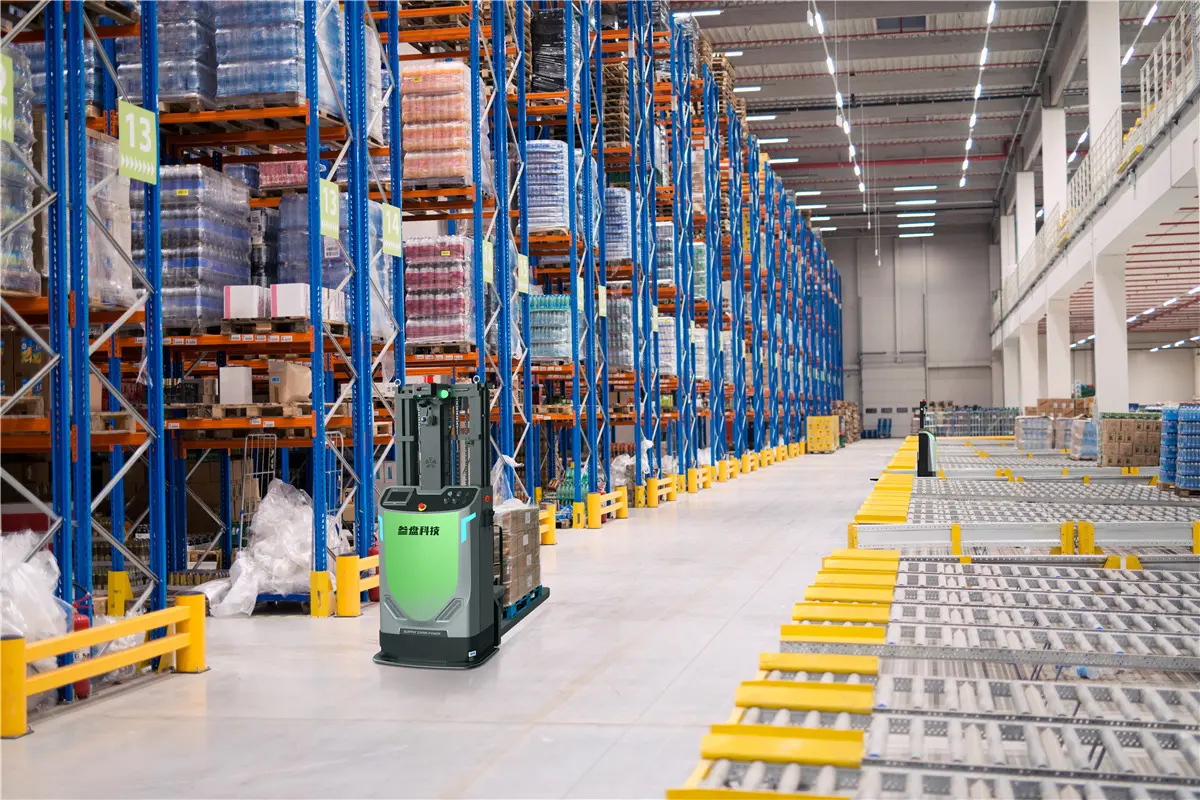
Optimizing warehouses with narrow aisle spaces. Utilizing smart stack-height forklifts like SFL-CDD15, warehouses can stack loads up to 4.5 meters in lanes as narrow as 1.8 meters safely.
Eco-friendly & Future Proof
SCP focuses on providing comprehensive solutions for the food supply chain, as well as research and development of intelligent software and hardware products. Through automated, digitized, and systematic technology matrices backed by AI, IoT, and machine learning, we enhance the overall operational efficiency of supply chain procurement, sales, and warehousing.

Enterprise Buyer Checklist
Warehouse robots must comply with machinery safety guidelines (ISO 3691-4, EN 1525, CE and UL 3100 standards). Safety features including LiDAR fields, emergency buttons, and collision bumpers are mandatory.
The factory must supply open APIs, RESTful endpoints, or gRPC interfaces to ensure compatibility with third-party software structures (SAP, Oracle WMS, Manhattan Associates, or native WCS systems).
Providing fast component delivery, remote diagnostic capabilities, and localized repair networks ensures minimal downtime in multi-shift high-throughput distribution hubs.
Enterprise Verification








Knowledge Base
Advanced Robotics Catalog
 SCP
SCP