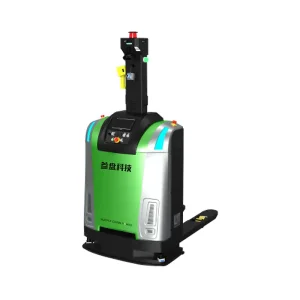
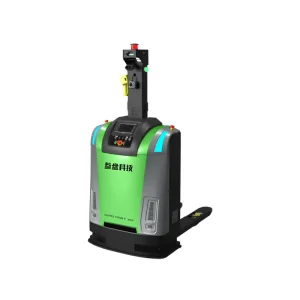
Explore our premium product architecture designed for rapid return on investment and high throughput operations.
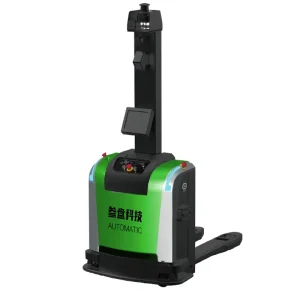
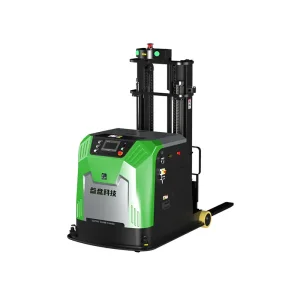
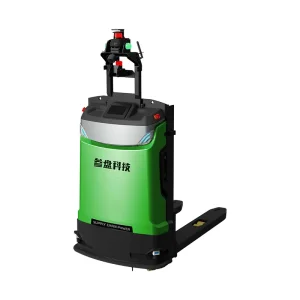
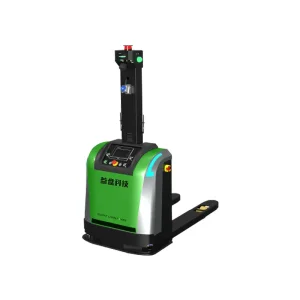
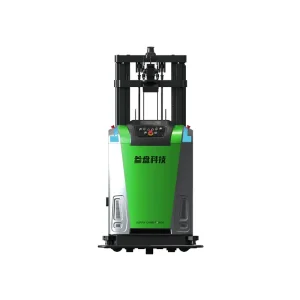
Global commerce faces an unprecedented challenge: container de-stuffing. As global logistics networks handle heavier volumes, the physical unloading of containers remains a major bottleneck. Historically reliant on manual labor, this stage is plagued by low throughput, ergonomic injuries, and high turnover rates. Enter robotic container unloading—a convergence of advanced AI vision systems, robotic manipulators, and high-performance Autonomous Mobile Robots (AMRs) that automate the intake process.
By shifting to automated robotic unloading systems, industrial enterprises can secure continuous operation, increase workplace safety, and realize scalable logistics efficiency. The core of this revolution lies not just in the mechanical arms, but in the intelligent orchestration of fleet logistics—integrating technologies like Laser SLAM smart forklifts and unified supply chain planning.
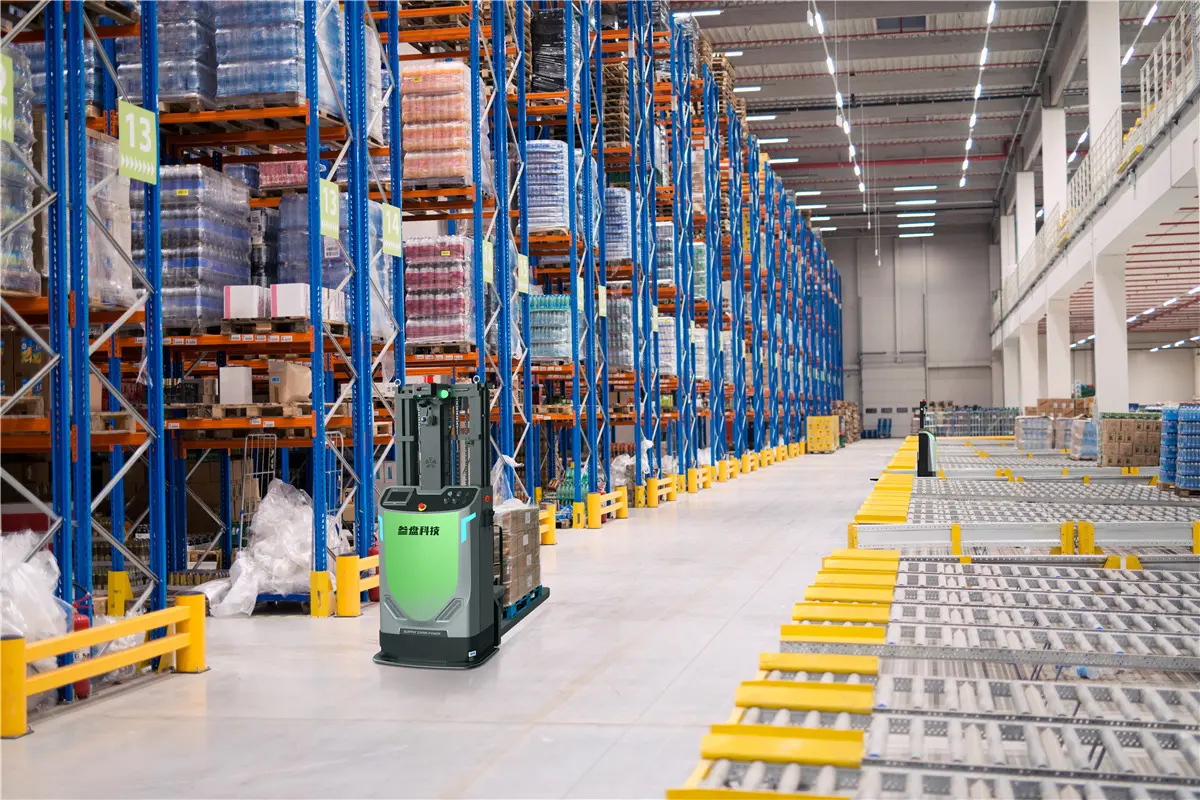
Leading the technological upgrade of the supply chain and achieving extraordinary value for transformers.
Taking actual business needs as our cornerstone, SCP is committed to comprehensively innovating and enhancing the overall supply chain planning of enterprises. We provide comprehensive end-to-end supply chain solutions, build multi-role and multi-dimensional intelligent supply chain collaboration systems, and achieve all-round efficient collaboration and process optimization. At present, SCP has established a product architecture supported by software and hardware, supplemented by the top-level design of the supply chain control tower to create an agile, flexible, and efficient end-to-end supply chain system for enterprises.
Benefiting farmers and bringing welfare to consumers through streamlined, high-efficiency logistics, automated sorting, and cost-effective distribution networks.
Leading the technological upgrade of the supply chain and achieving extraordinary value for transformers in global industries.
Serving as a premier Alliance of Developers of New Quality Supply Chain Technology, providing robust hardware-software integration worldwide.
Why industrial leaders partner with SCP for their robotic material handling needs.
As a subsidiary of New Hope Group, we possess an established market reputation and strong execution capabilities. We draw on deep expertise across cold-chain, food production, and agricultural logistics pipelines.
We were incubated directly from the digital requirements within the New Hope system. Having solved high-complexity internal logistics operations, we quickly align with client real-world pain points.
We possess the self-development and integration capabilities for various systems in procurement, sales, and supply. We can easily customize software layers to meet bespoke enterprise needs.
Alongside robotic systems, we offer lightweight consulting services for process optimization and system integration, backed by a professional delivery team that ensures rapid implementation.
Building eco-friendly, resilient, and forward-looking industrial supply chains.
SCP continues to invest heavily in technological R&D, optimizing our proprietary hardware and software architectures. By strengthening our core systems in procurement, sales, and supply, we steadily improve the precision of our Laser SLAM smart forklifts and unloading cells.
We actively explore next-generation applications such as 3D LiDAR vision algorithms, automated fleet coordination via the Cloud Supply Control Tower, and IoT-driven preventive maintenance models.
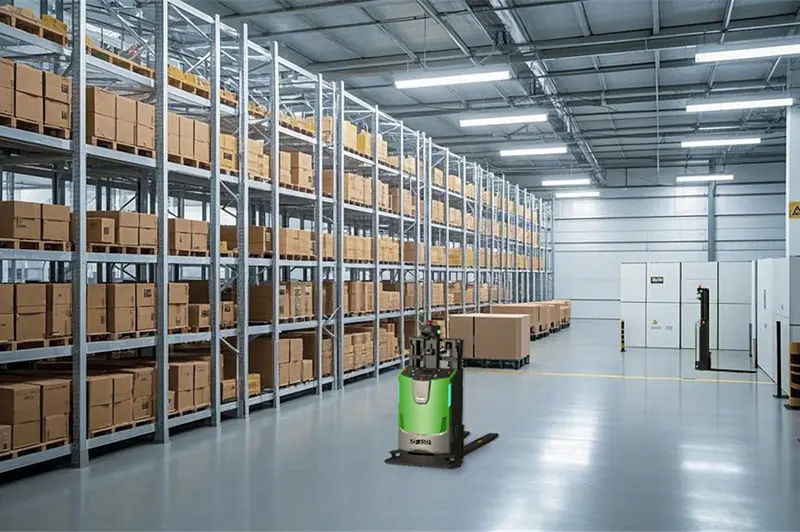
Leveraging the extensive resources of Caogenziben, SCP designs context-aware logistics solutions tailored for high-complexity operations, such as food manufacturing and temperature-sensitive cold chain logistics.
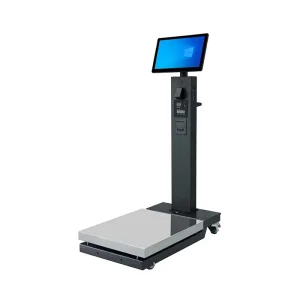
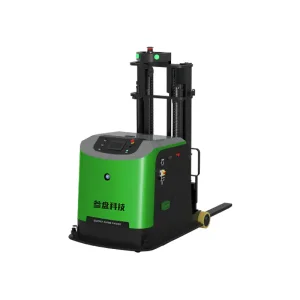
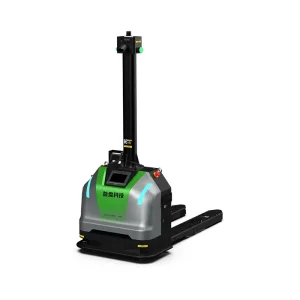
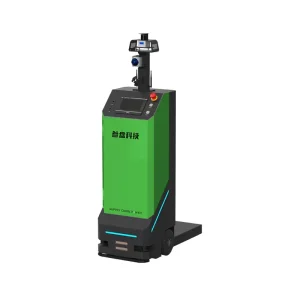
We prioritize open standard compatibility, making it simple to interface our Laser SLAM AGVs and floor scales with major global ERP, WMS, and MES platforms. We actively collaborate with international distribution and installation partners to scale our overseas footprint.
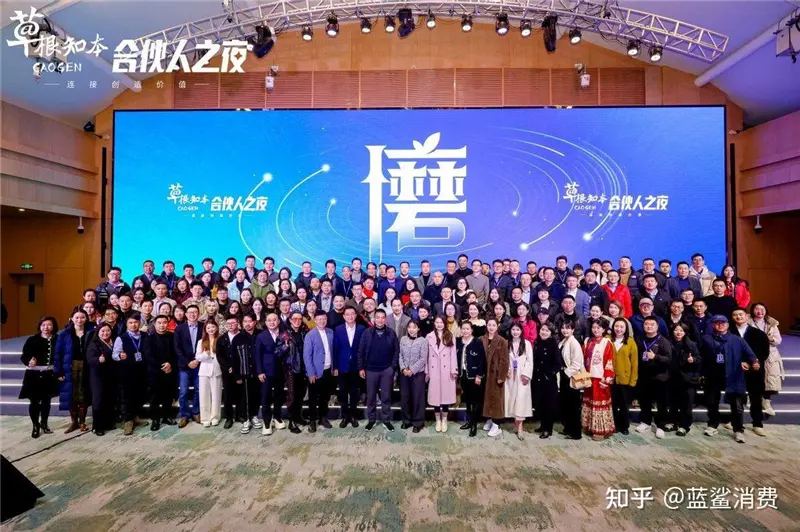
Our long-term commitment is to drive sustainable, green, and highly efficient logistics automation. By reducing manual forklift risks and streamlining de-palletization processes, we help enterprises lower carbon footprints and minimize product damage.
By integrating automation and robust digital architecture, we enable companies to build resilient supply networks that adapt to future labor markets and macro-economic adjustments.
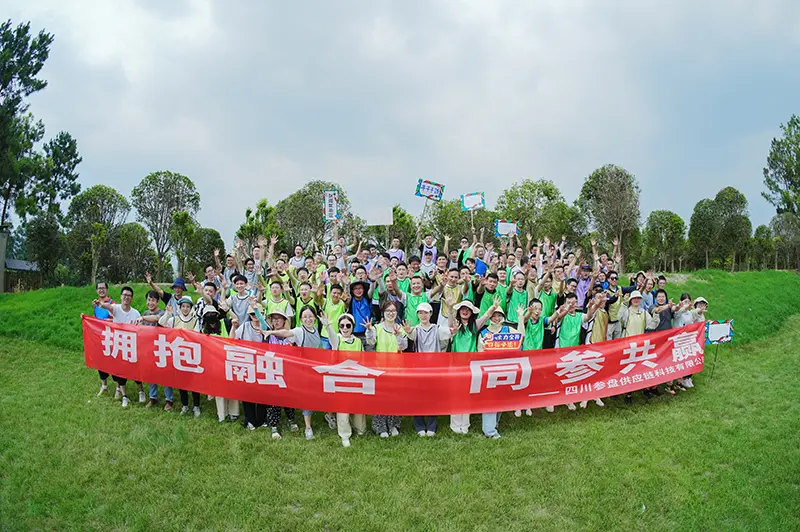
A macroeconomic analysis of the global logistics shifts driving automated de-stuffing.
Across North America, Europe, and Asia-Pacific, shipping containers serve as the primary vessel for global trade. However, the unloading of these containers at distribution hubs remains one of the most physically demanding, hazardous, and inefficient segments of the supply chain. Changing demographics, stricter labor regulations, and rising hourly wages are driving an industry-wide move toward autonomous unloading machinery.
To address this shift, leading manufacturers are deploying complete robotic systems that combine dynamic heavy-lift articulators with fleet-connected laser-guided mobile robots (AMRs/AGVs). These setups operate continuously, minimizing bottlenecks at dock doors and smoothing the transition of materials from shipping containers straight to warehouse storage shelves.
The engineering breakthroughs behind autonomous dynamic pathfinding and heavy cargo handling.
Unloading a container is a complex cognitive challenge for robots. Cartons can shift during transport, packages may vary in shape, and containers are often tightly packed with mixed SKU patterns. Solving these problems requires real-time 3D vision, advanced deep learning models, and reactive motion planning.
Our upcoming product development cycles focus on combining 3D LiDAR mapping, RGB-D cameras, and intelligent torque sensors. This allows the system to identify packaging types on the fly, calculate optimal pick coordinates, and handle cargo shifts safely. Additionally, Laser SLAM navigation enables our AGVs to move dynamically between dock doors and storage zones without needing floor tape or reflective markers.
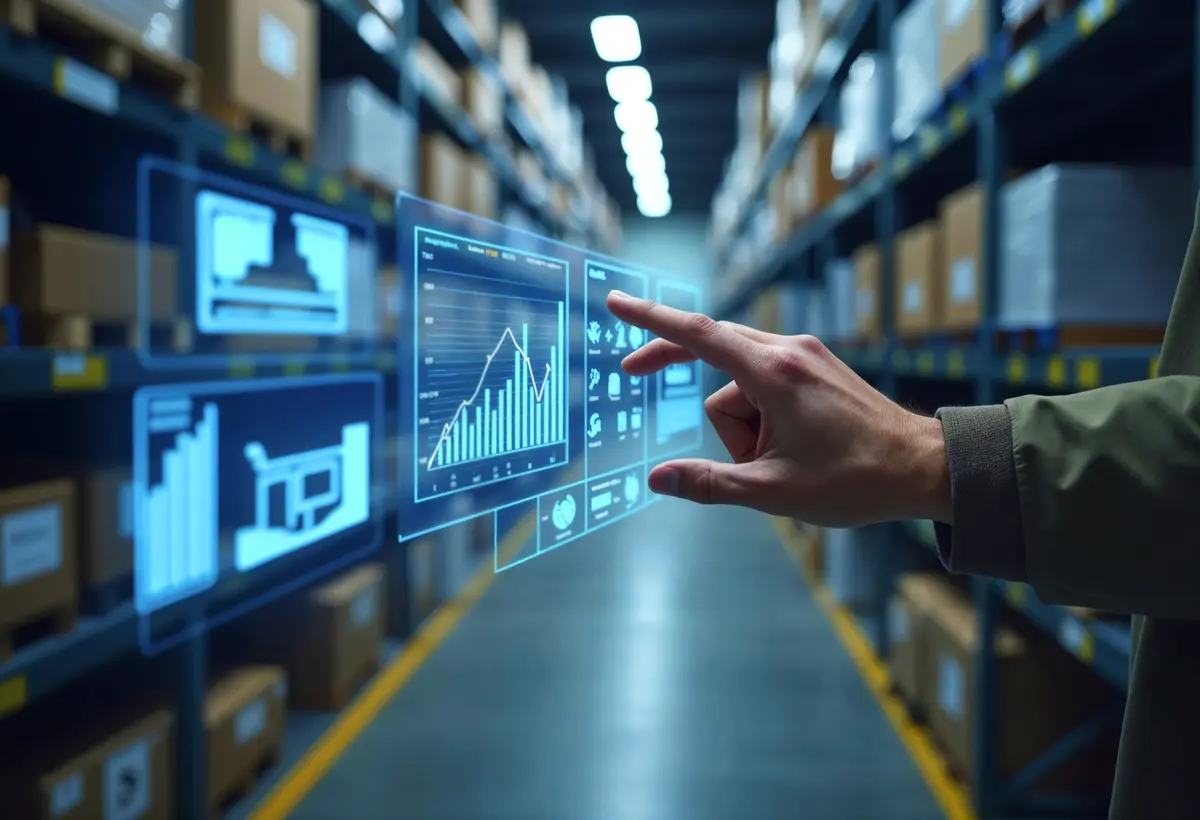
Ensuring operational safety, localized maintenance, and compliance with international standards.
Deploying heavy machinery in shared human-machine workspaces requires adherence to strict safety standards. Our automated systems are built to comply with international regulations, including ISO 3691-4 (safety standards for driverless industrial trucks), ANSI/RIA R15.08 (safety standards for mobile robots), and OSHA guidelines. Fitted with multi-layered safety zones, active LiDAR scanning, and emergency stop features, our machinery protects both workers and facility structures.
To support global deployments, we establish local technical networks that offer site audits, system integration services, customized programming, and rapid-response spare parts supply. This localized approach ensures high system uptime and smooth integration with existing plant operations.
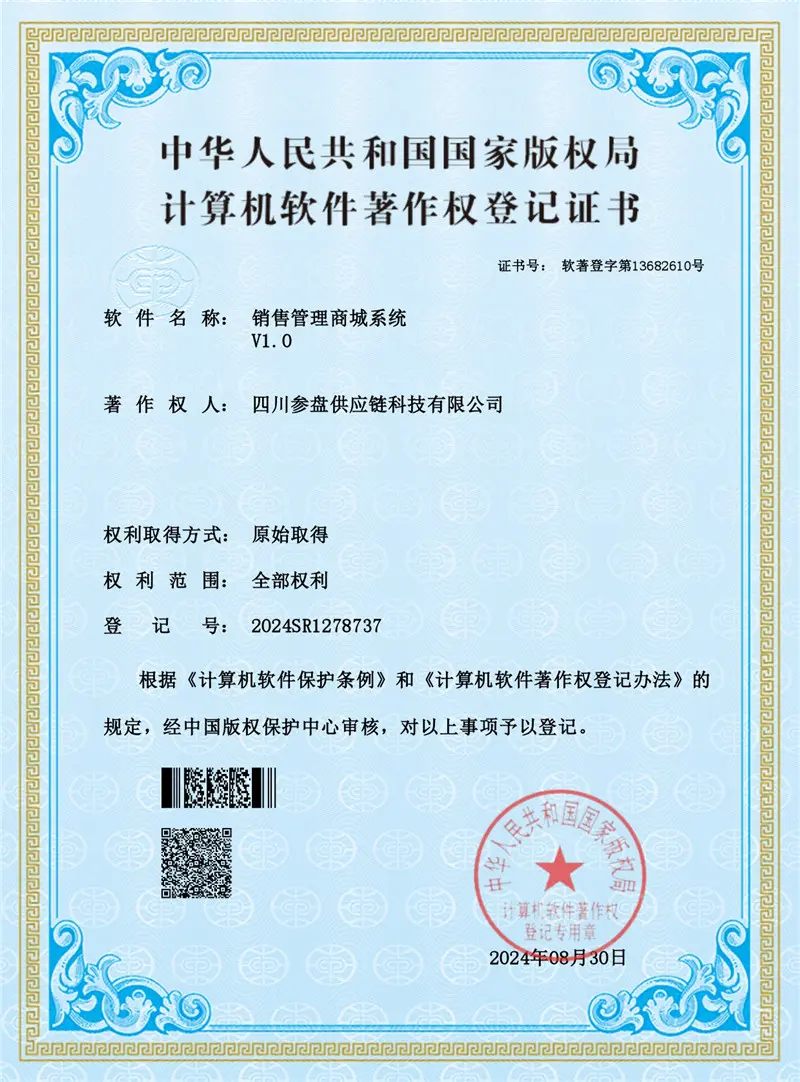
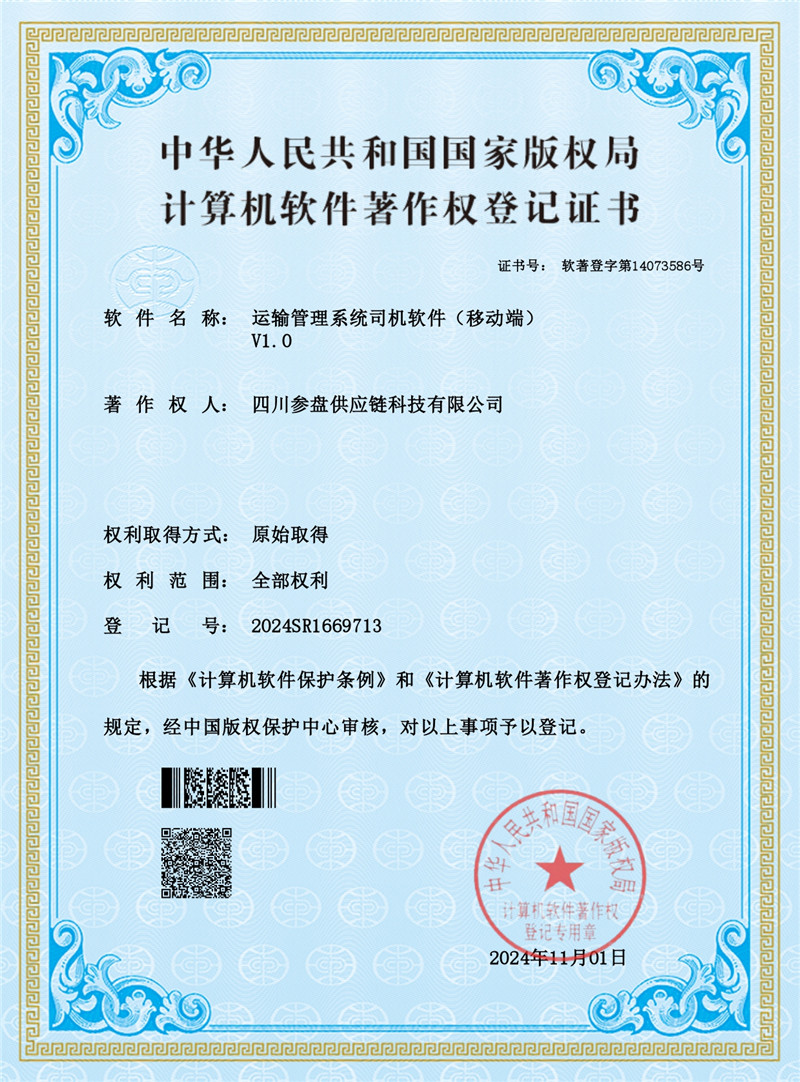
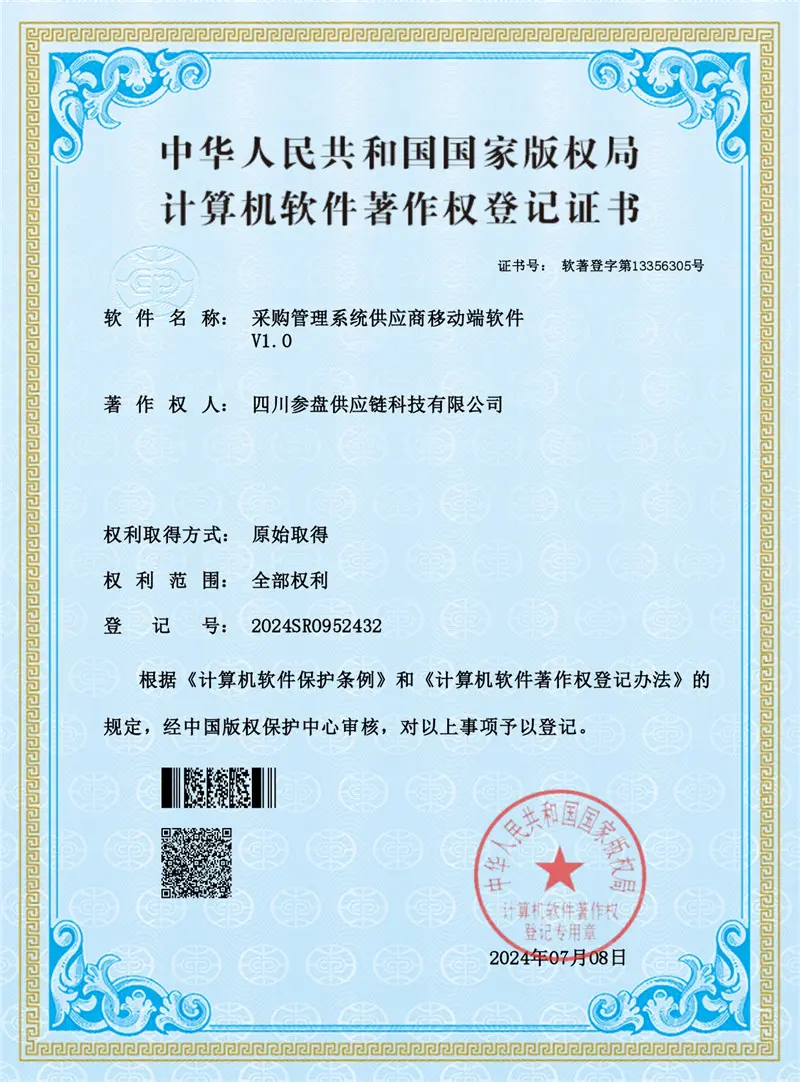
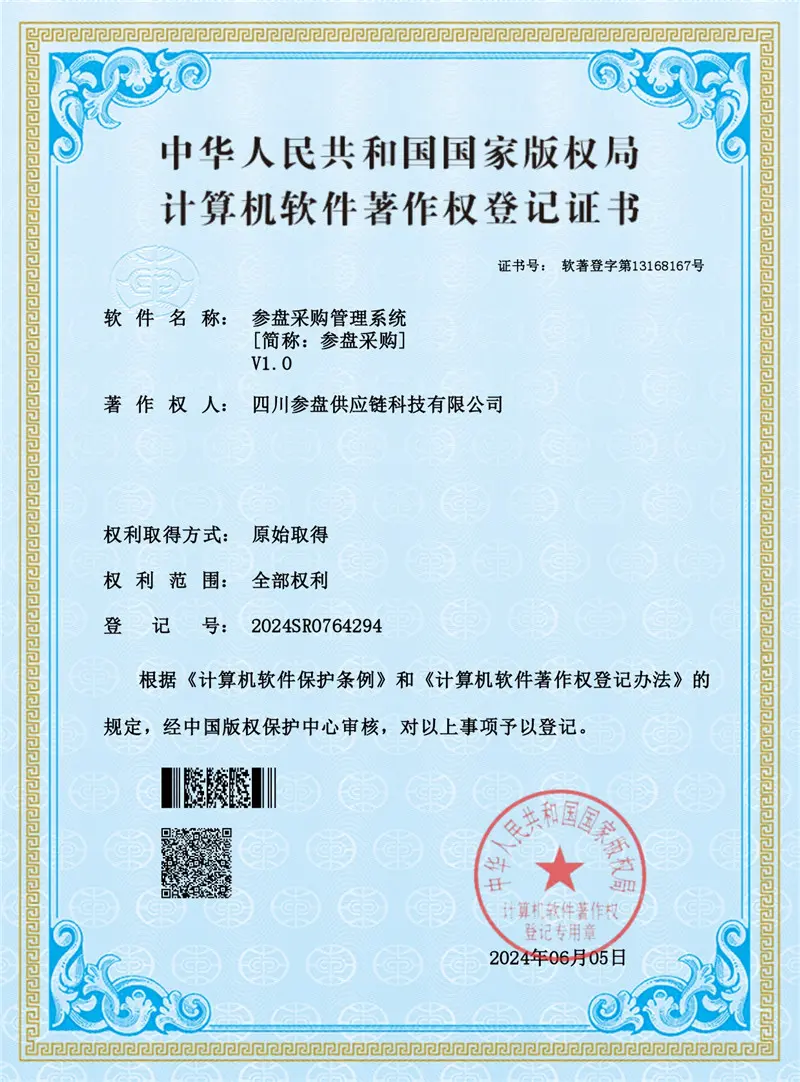
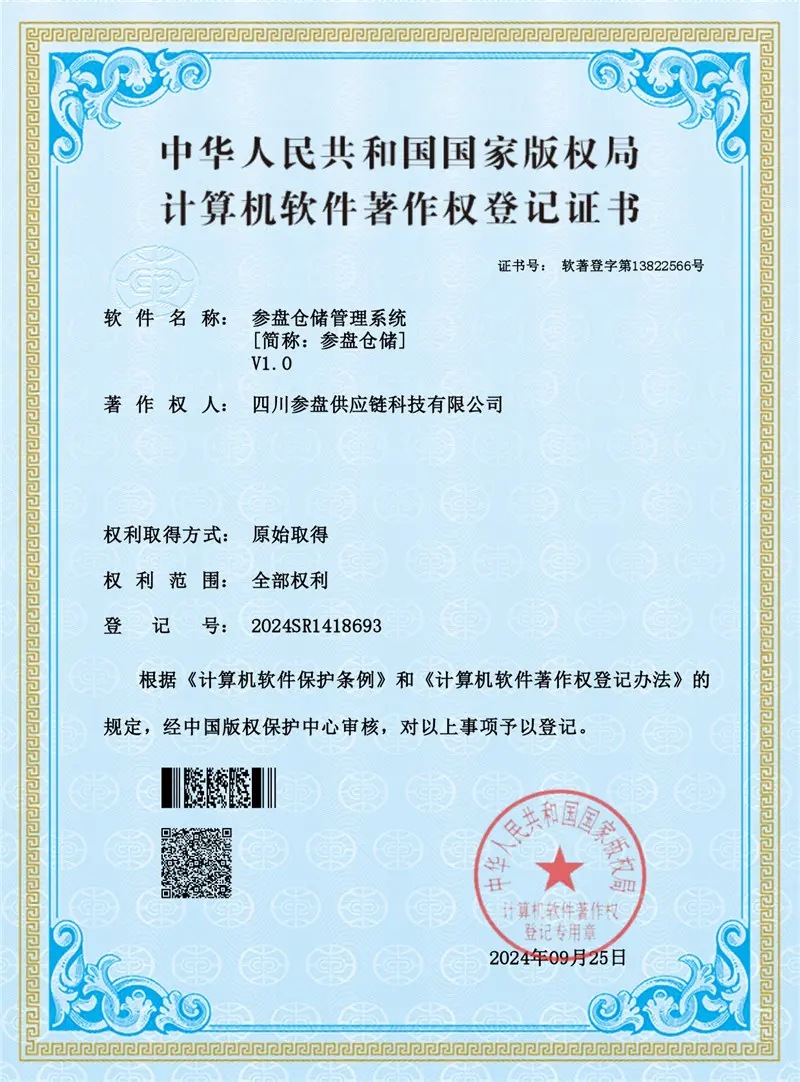
Internationally recognized engineering standards and supply chain management credentials.
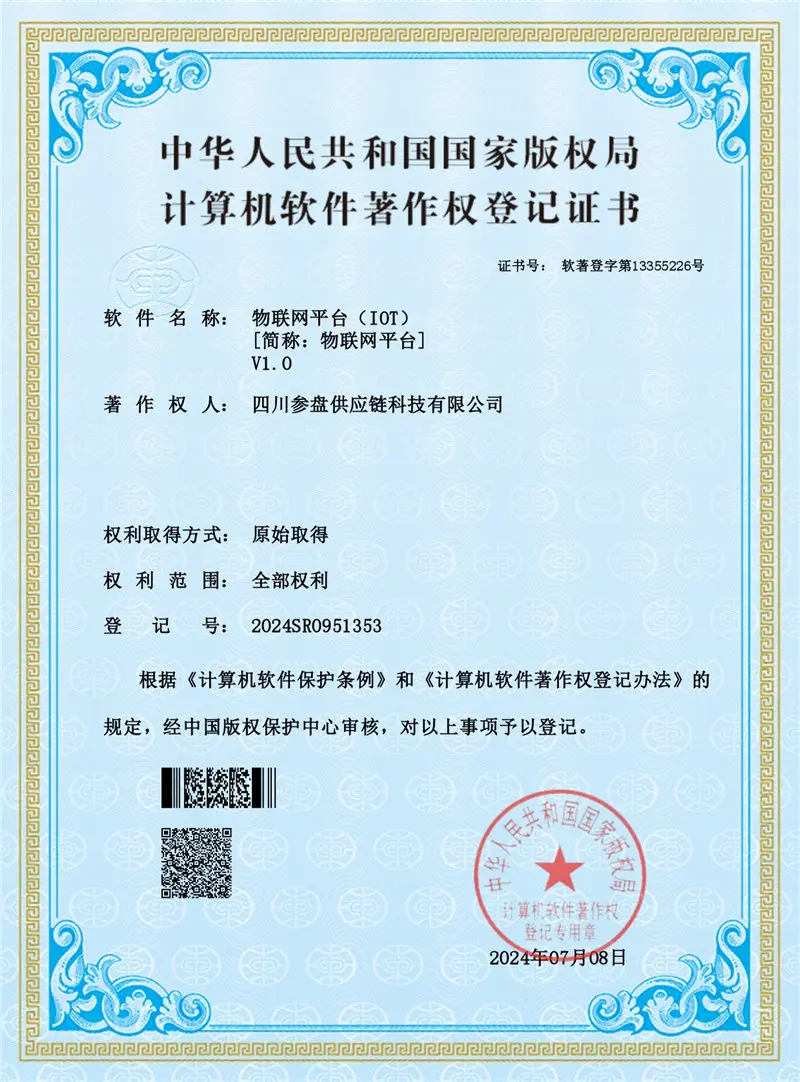
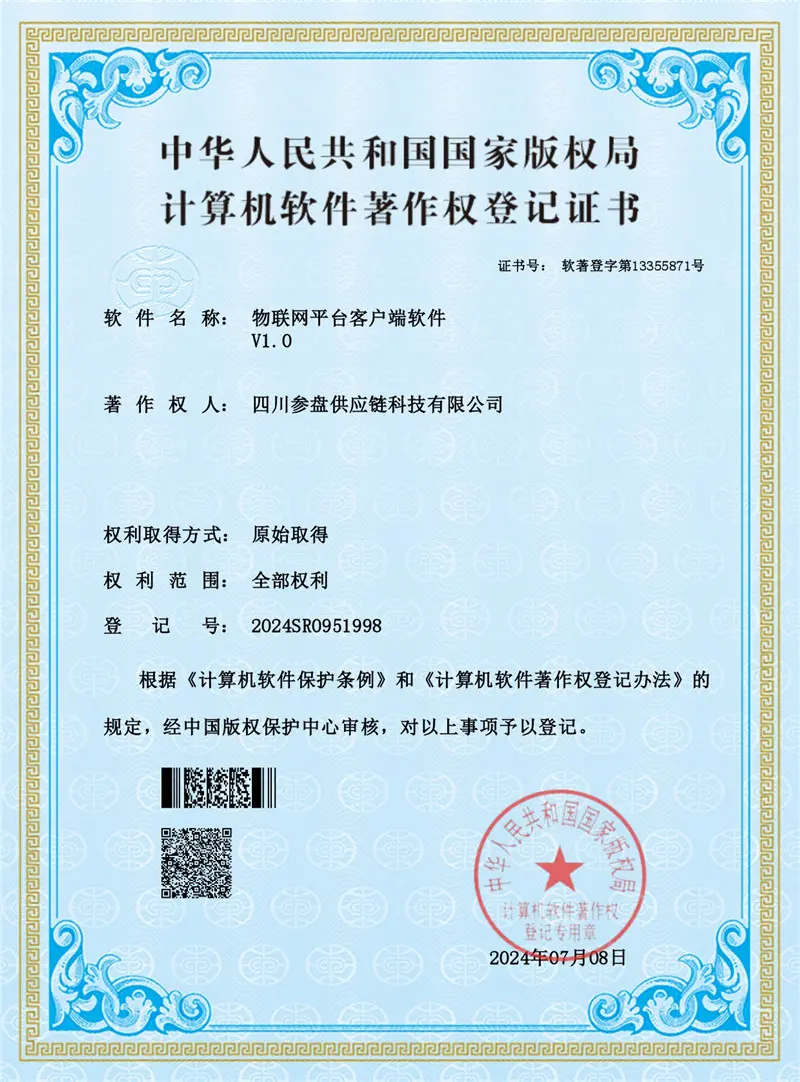
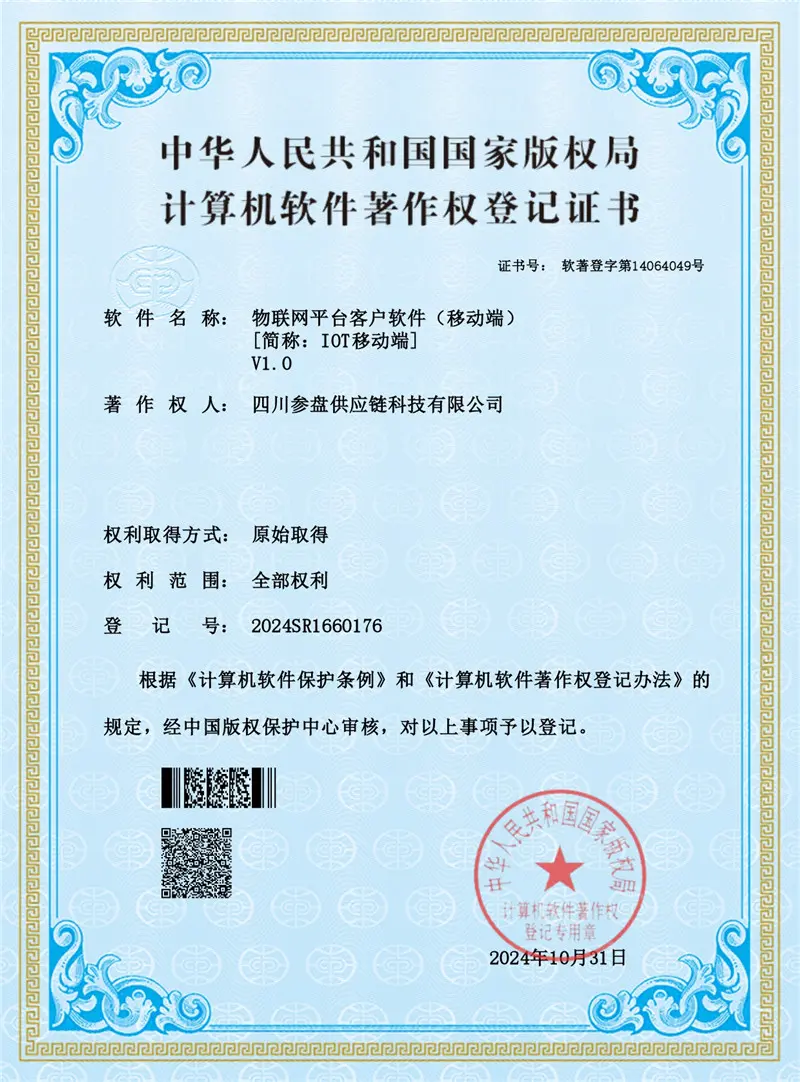
Expert answers to common questions about robotic container unloading, laser-guided forklifts, and system deployment.
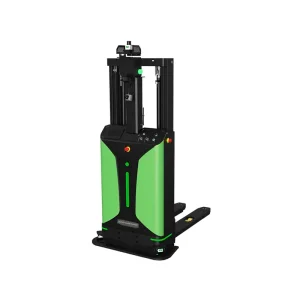
Explore our high-capacity Laser SLAM forklifts and digital floor scales for seamless inventory receipt and transport.
 SCP
SCP