Engineered for precise navigation, high load capacities, and robust supply chain integration.
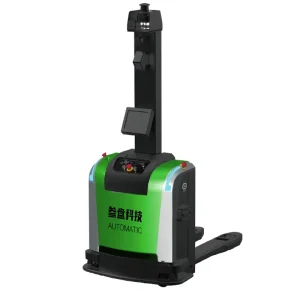
In the wake of expanding global e-commerce and structural labor shortages across manufacturing hubs, pallet jack robots (commonly categorized as Automated Guided Vehicles (AGVs) or Autonomous Mobile Robots (AMRs)) have emerged as critical drivers of logistics efficiency. Driven by advanced sensor technology and sophisticated fleet dispatch software, these systems have moved from localized factory floor experiments to core pillars of corporate supply chain planning. Globally, industries are shifting from manually operated tow trucks to laser SLAM-directed intelligent pallet jacks to secure higher throughput, continuous 24/7 operations, and zero-accident work environments.
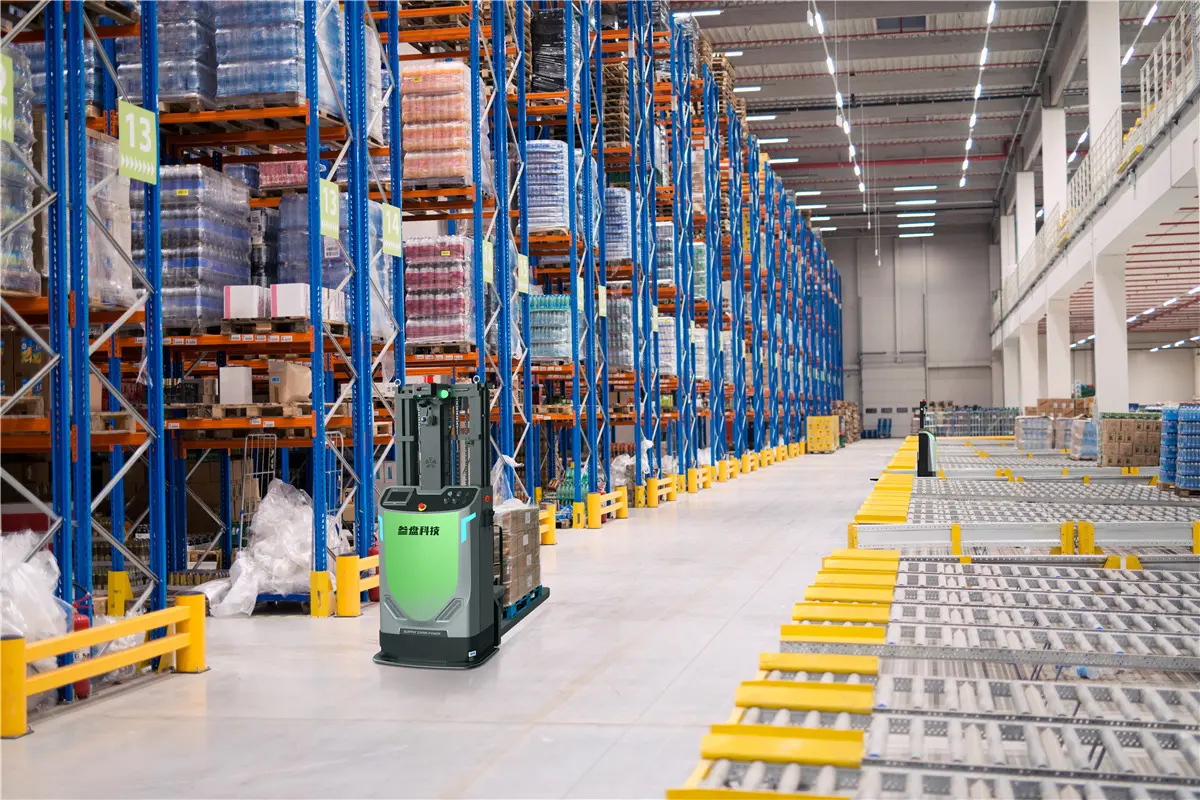
Leading suppliers and factories utilize modular chassis architectures, high-performance laser SLAM (Simultaneous Localization and Mapping) navigation, and smart warehouse APIs to enable plug-and-play deployments. Unlike legacy automated guidance systems that required magnetic strips or physical floor targets, modern laser SLAM units dynamically map their surroundings, negotiating unexpected obstacles and human operators seamlessly. This structural flexibility directly translates to massive infrastructure cost savings and ensures faster system deployment schedules.
Taking the actual business needs as the cornerstone, SCP is committed to comprehensively innovating and enhancing the overall supply chain planning of enterprises. We provide enterprises with comprehensive end-to-end supply chain solutions, build a multi-role and multi-dimensional intelligent supply chain collaboration system, and achieve all-round efficient collaboration and process optimization. At present, SCP has established a product architecture supported by software and hardware, and supplemented by the top-level design of the supply chain control tower to create an agile, flexible and efficient end-to-end supply chain system for enterprises.
Our solutions bridge the physical world of heavy-duty material transport—such as AMRs, heavy-load laser SLAM forklifts, and integrated floor scale systems—with the digital intelligence of SaaS-based warehouse management, ensuring that every movement is calculated, recorded, and optimized for maximum yield.
The strategic pillars guiding our technology innovation and global delivery commitments.
Benefiting farmers and bringing welfare to consumers by optimizing the industrial food and goods distribution lines.
Leading the technological upgrade of the supply chain and achieving extraordinary value for industry transformers.
Alliance of Developers of New Quality Supply Chain Technology, providing robust edge software-hardware ecosystems.
Leveraging extensive domain expertise and deep resource integration to address high-complexity logistical problems.
As a subsidiary of New Hope Group, we have a good market reputation and execution ability. Moreover, we have an in-depth understanding of multiple industries, bridging the gap between cold storage, dry goods handling, and heavy-payload logistics.
We were incubated based on the digital needs of the business side within the New Hope system, and have participated in many projects of the same type. Therefore, we have a better understanding of the actual business scenarios and demands.
We possess the self-development and integration capabilities for various systems in procurement, sales, and supply. We can well meet the individual needs of different customers, integrating third-party WMS/WCS APIs smoothly.
We provide certain light consulting services alongside projects, covering multiple dimensions such as process optimization and assessment weight, to assist customers in the construction of digital transformation of their supply chains.
We have a professional delivery team for commercial projects. We actively respond to the personalized needs of customers and can ensure fast and high-quality delivery according to customer requirements worldwide.
Our commitment to research innovation, ecological balance, and long-term industrial value.
In terms of technology research and development, SCP continues to increase its investment and constantly optimize the product architecture supported by software and hardware and the top-level design of the supply chain control tower.
By strengthening the self-development and integration capabilities of various systems in procurement, sales, and supply, we continuously improve the technical level and competitiveness of our products and services. We build a solid foundation for the sustainable development of enterprises and the industry with leading technologies.
At the same time, we actively explore the application of cutting-edge technologies in the supply chain field, promote technological iteration and upgrading, and maintain a leading position in the industry in terms of technology.
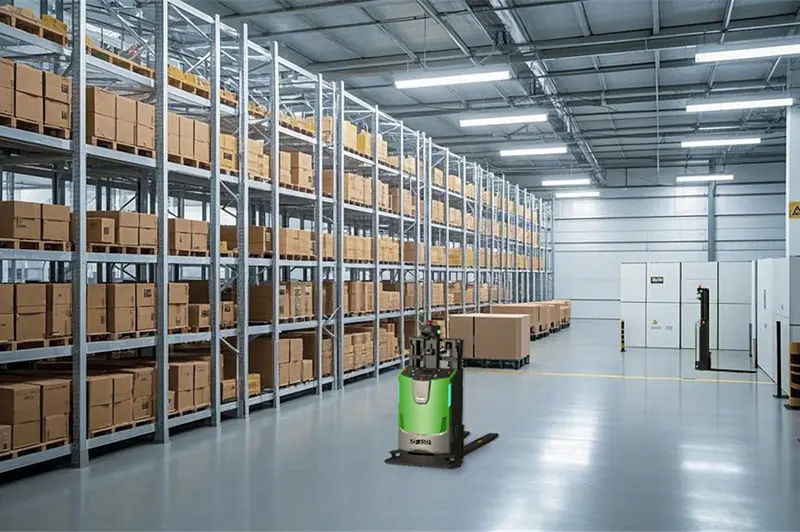
In terms of ecological construction, relying on the rich industrial resources and extensive business layout of Caogenziben, SCP deeply explores the supply chain needs of multiple industries such as food consumption and creates solutions that are suitable for actual scenarios.
By empowering key links such as cold chain logistics, we promote the standardized management and efficiency improvement of the supply chain and facilitate the collaborative development of the entire industrial chain.
In addition, we actively carry out in-depth cooperation with overseas partners, absorb international advanced experience and technologies, expand the international market, enhance the global influence of the enterprise, and build a supply chain technology ecosystem with international competitiveness.
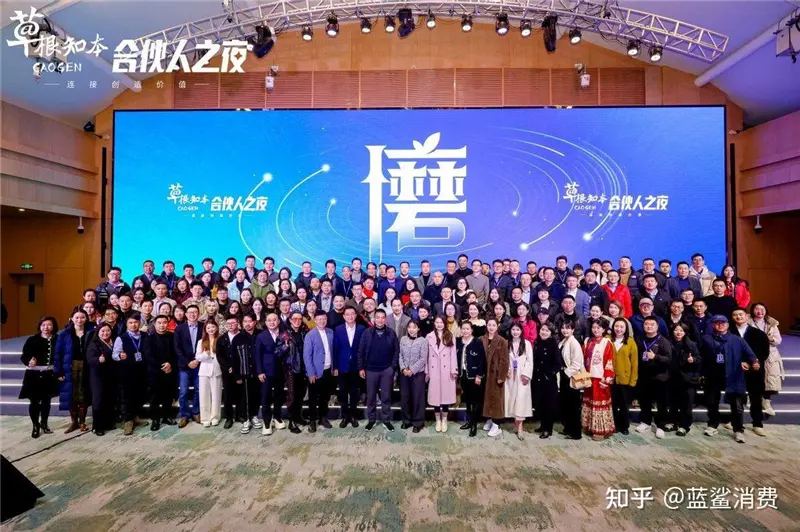
From a long-term development perspective, with the vision of "Leading the technological upgrade of the supply chain and achieving extraordinary value for transformers", SCP integrates the concept of sustainable development into its corporate strategic planning and daily operations.
We not only focus on our own growth and profitability but also look to promote the green, intelligent, and efficient development of the industry. We build a more perfect supply chain collaboration system for future enterprises.
While achieving our own sustainable development, we create greater value for society and become a backbone force in promoting the sustainable development of the supply chain technology industry.
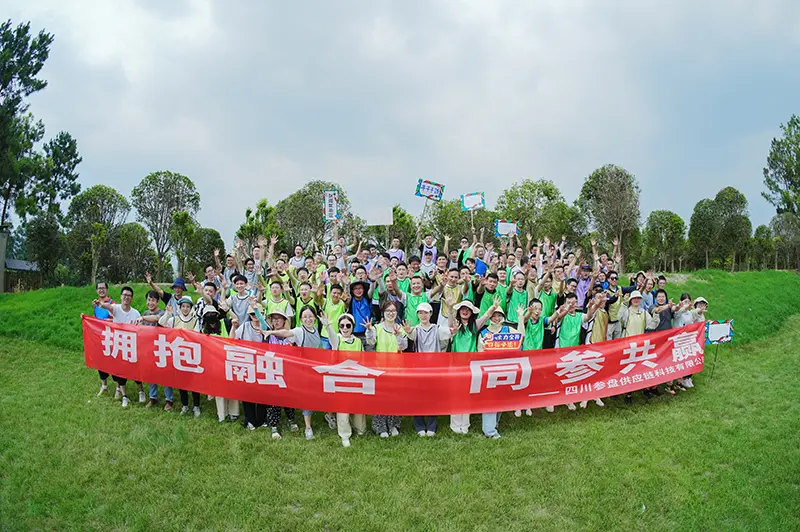
Our manufacturing and R&D pipelines comply strictly with global safety, efficiency, and industrial calibration standards.
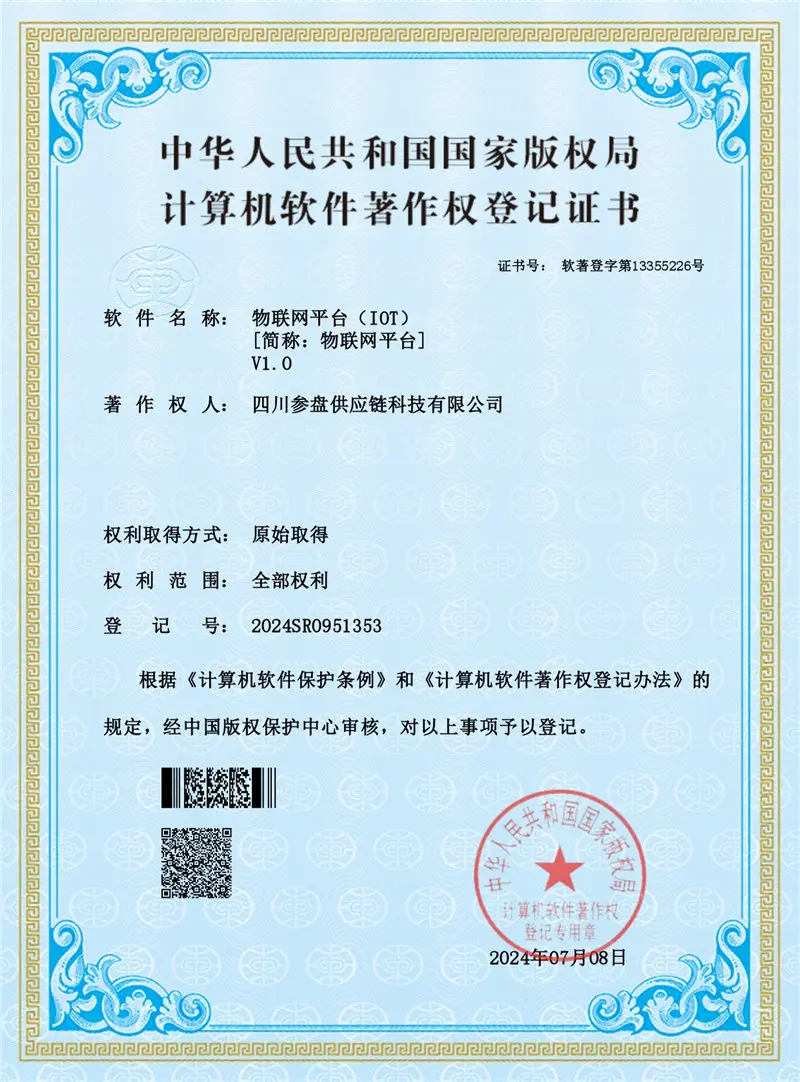
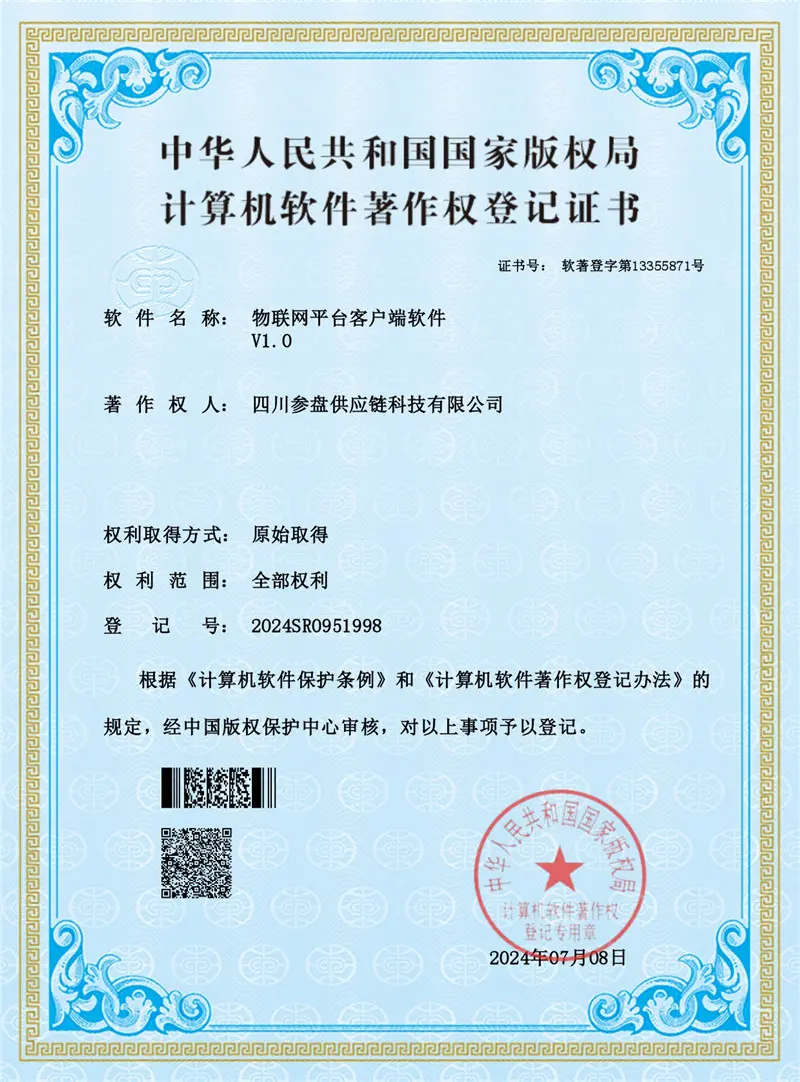
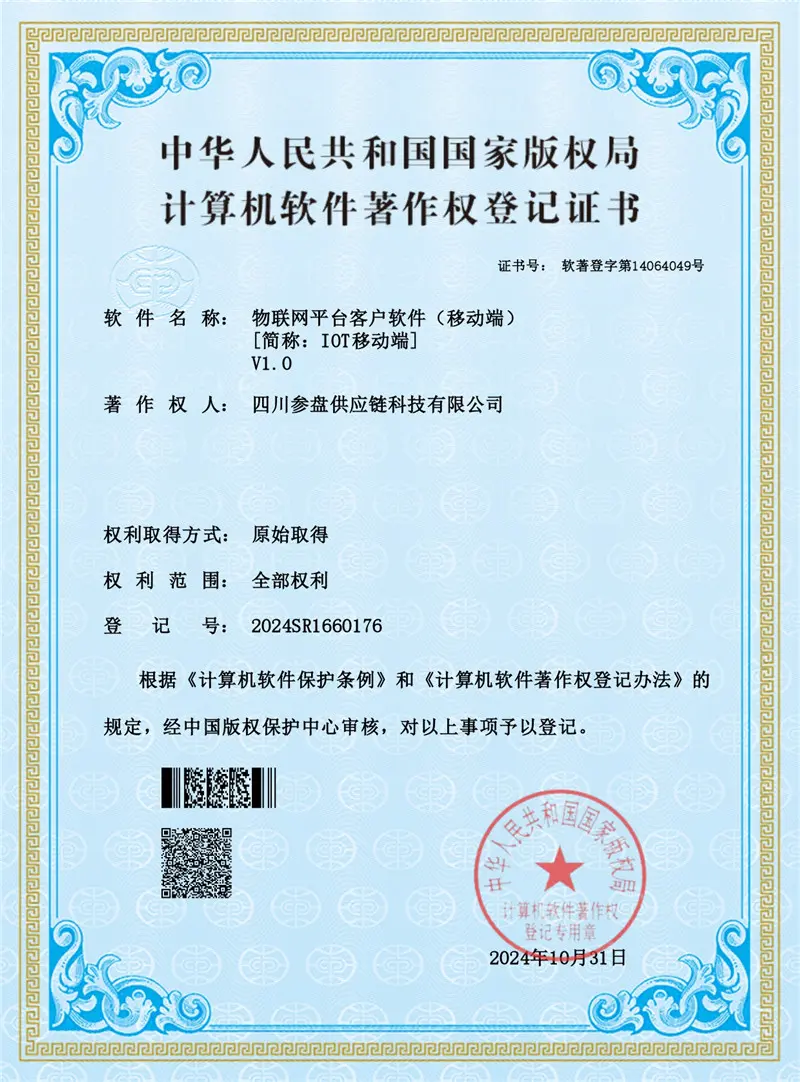
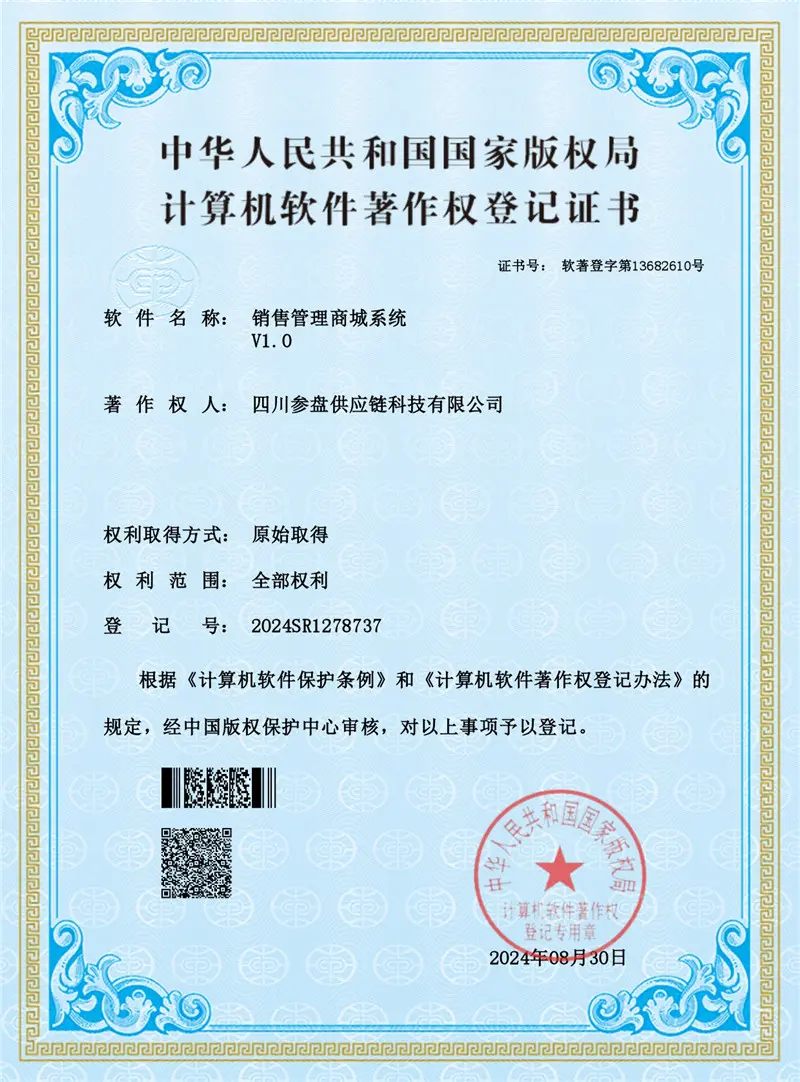
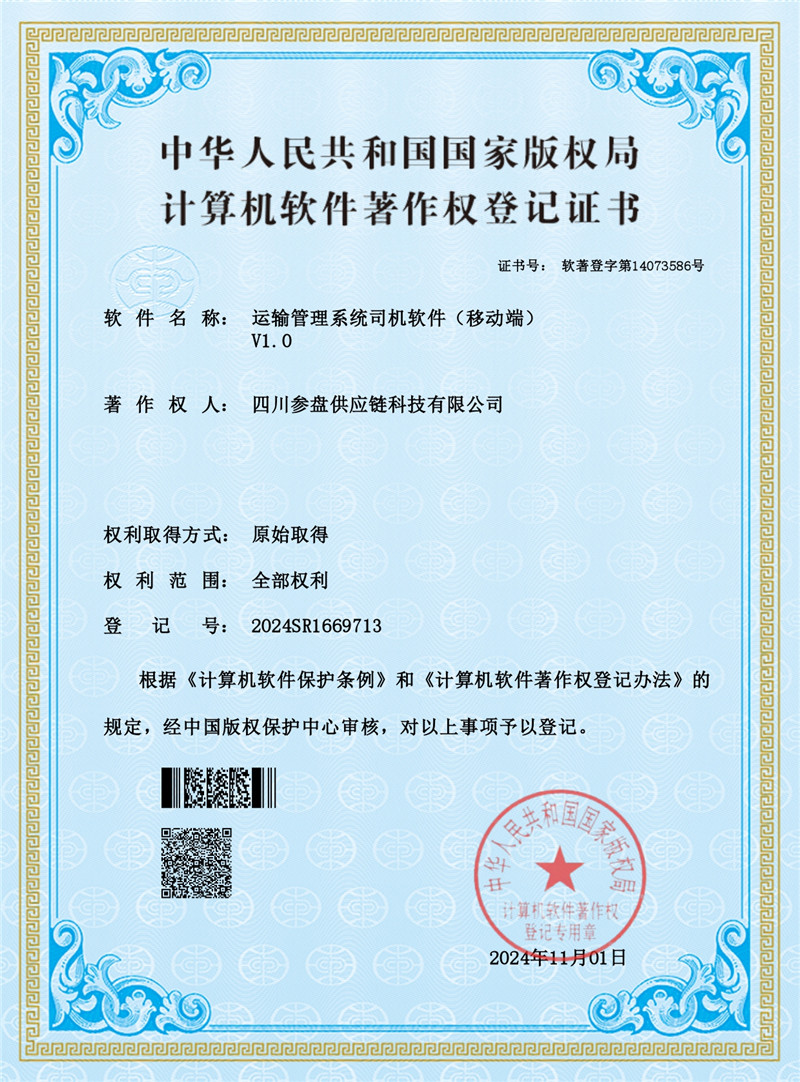
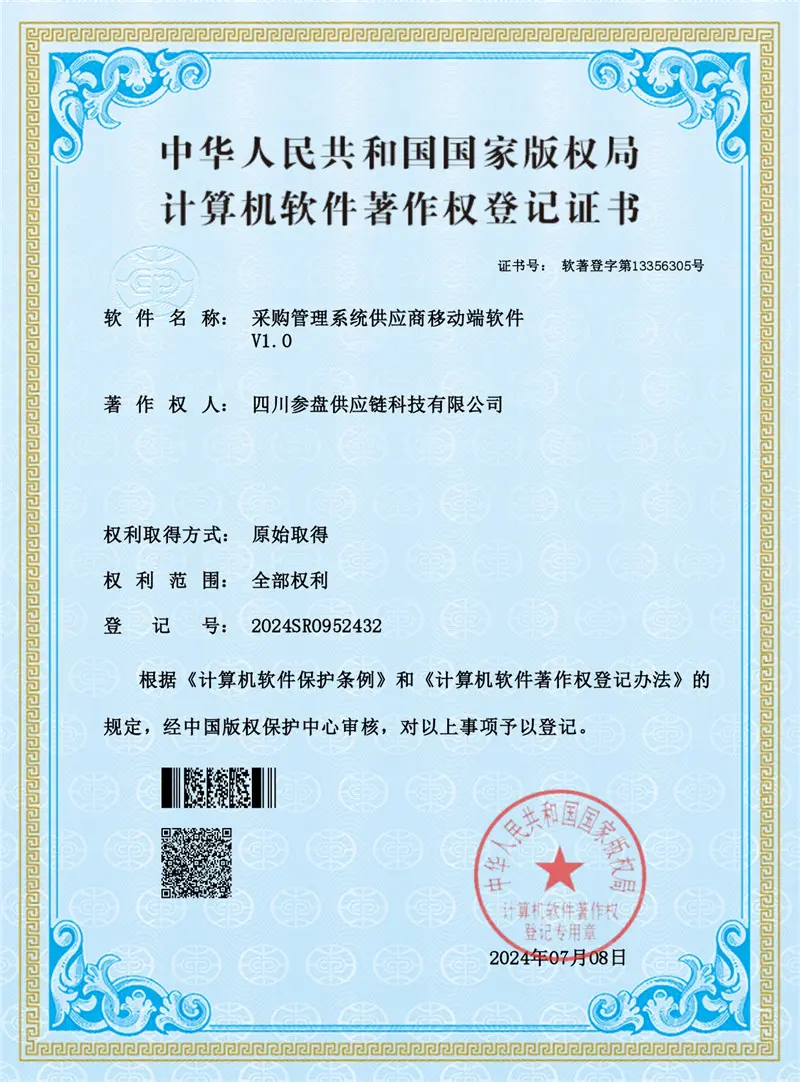
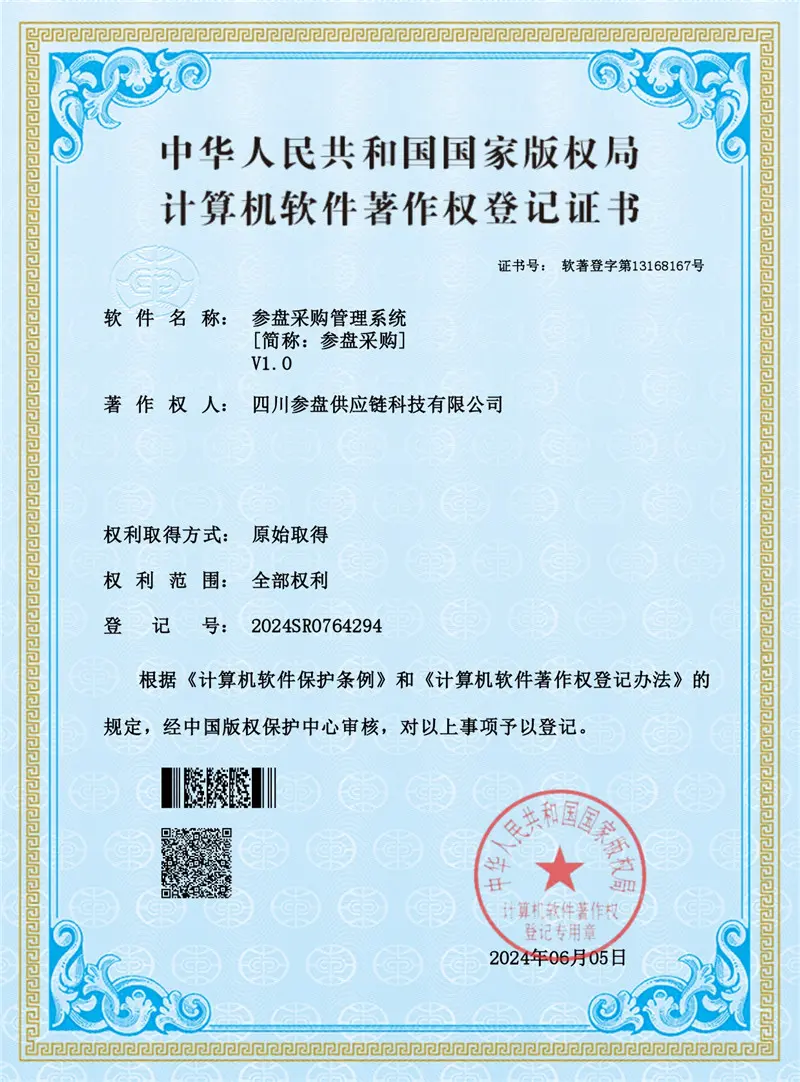
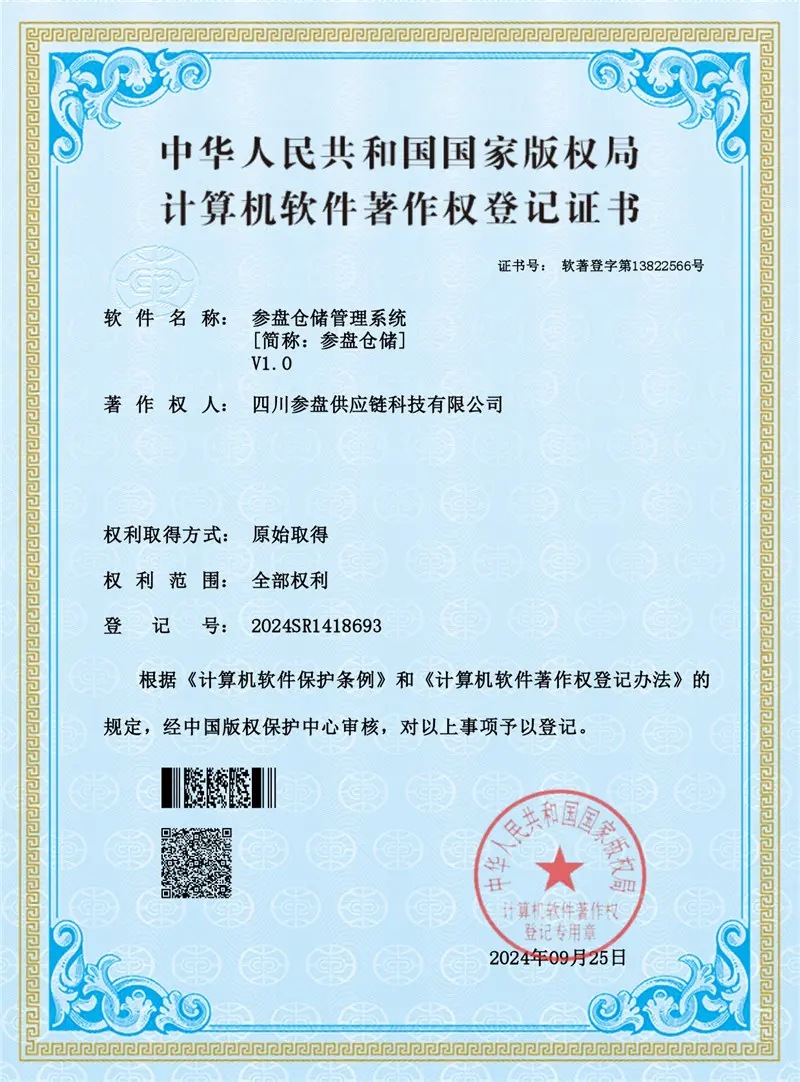
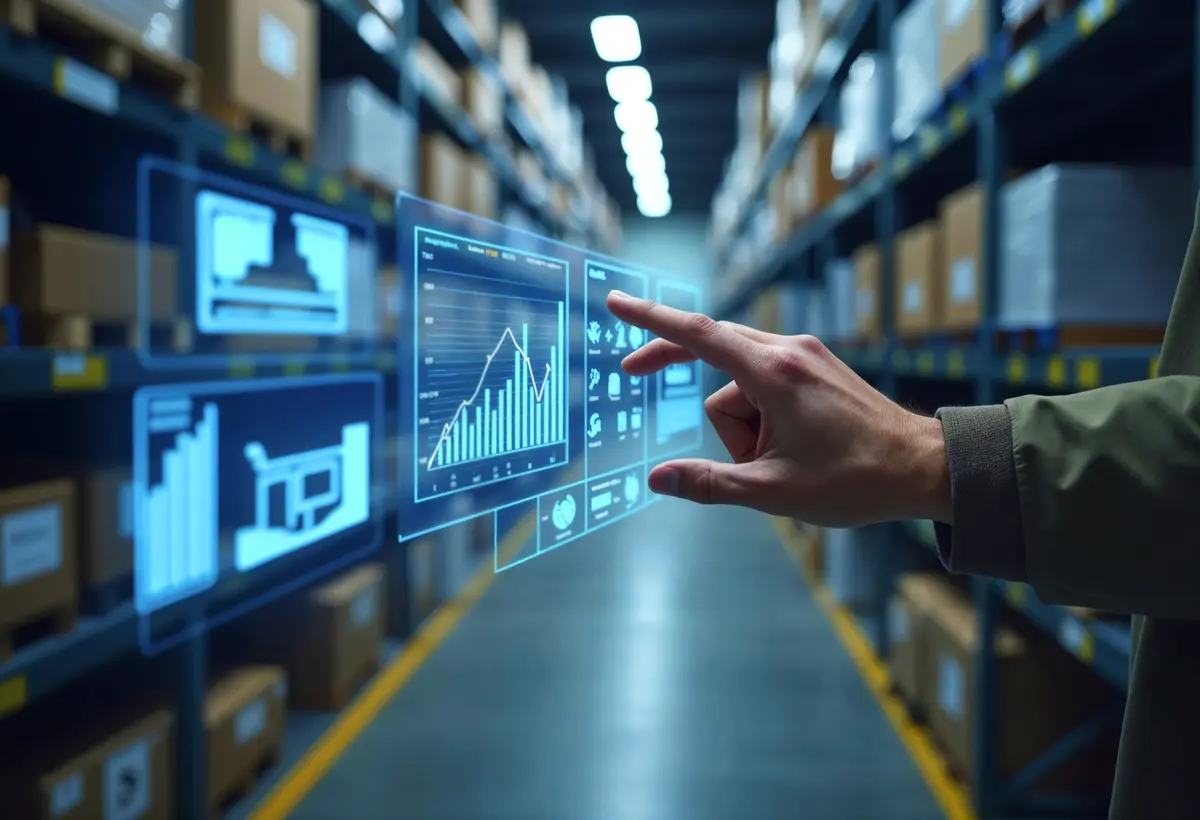
SCP focuses on providing comprehensive solutions for the food supply chain, as well as research and development of intelligent software and hardware products and services. The company aims to be based on the Internet of Things (IoT), Artificial Intelligence (AI), Machine Learning (ML), intelligent devices, and other advanced technical integrations.
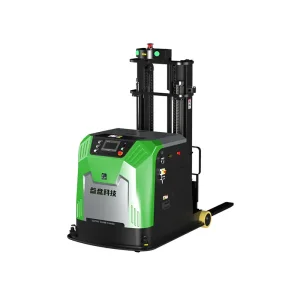
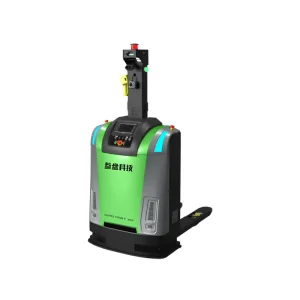
Through automated, digitized, intelligent, and systematic technology products and solution matrices, we enhance the overall operational efficiency of supply chain procurement, supply, and sales. By linking smart vehicles like the Laser SLAM Smart Forklift (SFL-CBD20, CDD20-Y) with industrial IoT devices like touch screen floor scales (SCP101 & SCP100), we build a bulletproof logistics cycle that helps upgrade the value of upstream and downstream industries globally.
A primary selection criterion when sourcing a pallet jack robot is the guidance technology. Classic AGVs relied on floor-embedded wires, magnets, or optical tape. While reliable, these systems lack flexibility; modifying a travel path requires physically altering the facility floor. Modern operations favor Laser SLAM (Simultaneous Localization and Mapping) technology, which is built directly into our SFL-CBD20 and CDD20-Y series forklifts.
Laser SLAM uses LiDAR sensors to emit light pulses and measure the time they take to bounce back from environmental structures. The robot dynamically creates a high-definition 2D or 3D map of the facility, allowing it to localize within millimeters. Here is how our configurations differentiate:
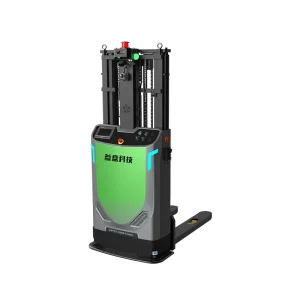
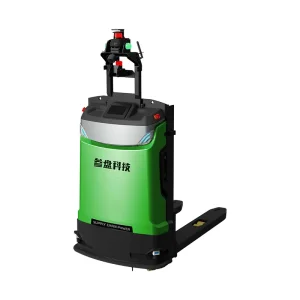
Represented by the SFL-CBD20 and SFL-CDD20-Y. Capable of lifting 2-ton (2000kg) payloads and managing stack heights safely. Integrated with safety laser scanners (front/rear), mechanical bumper bars, and optical warning signals for high-risk human-shared corridors.
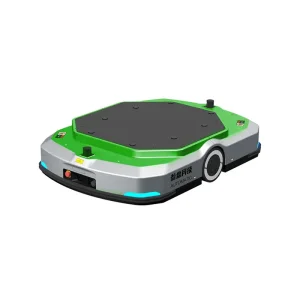
The AMB-CSW10-BH Mobile Robot Chassis features a 1T load capacity. Serving as a robust developer platform or specialized payload platform, it supports customized tops such as rollers, lifters, robotic arms, and complex conveyor interface mechanisms.
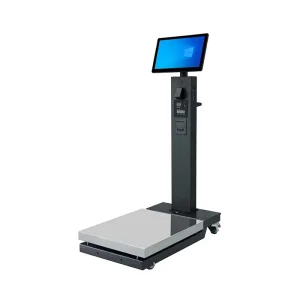
The SCP101 & SCP100 Floor Scales feature 15.6" LCD touch screens and integrated Intel J4125 processing units. Acting as smart IoT nodes, they weigh loads in real time and automatically log weight profiles to the central warehouse software before forklift dispatch.
Deploying automated material handling fleets across different international markets requires adherence to local industrial safety standards. For North American sites, systems must align with ANSI/ITSDF B56.5 (safety standard for driverless guided industrial vehicles) and ANSI/RIA R15.08 (standard for industrial mobile robots). For European deployments, systems must meet the CE Machinery Directive, ISO 3691-4, and electrical compliance norms.
Additionally, we understand that a robot is only as valuable as its uptime. As a result, our network of regional partners and local service centers offers custom Service Level Agreements (SLAs) tailored to our clients' shift structures. We provide fast on-site technical support, rapid spare parts fulfillment, and comprehensive remote monitoring. This ensures your operations maintain peak efficiency with minimal unplanned downtime.
The next generation of pallet jack robots will leverage 5G private networks for ultra-low latency fleet dispatching. This allows dozens of robots to coordinate travel paths and docking priorities in real time. We are also integrating deep learning vision models. These sensors allow robots to distinguish between static warehouse racking and dynamic, unpredictable obstacles—such as a misplaced pallet, a spill, or a pedestrian—allowing them to make smart pathing adjustments without pausing operations.
Frequently asked questions regarding setup, technical specifications, and system integration.
High-capacity lifters, compact stackers, and industrial weighing hardware.
 SCP
SCP