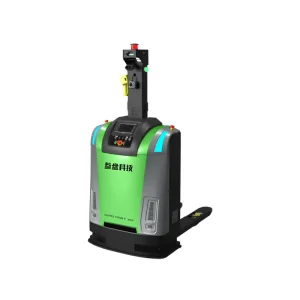
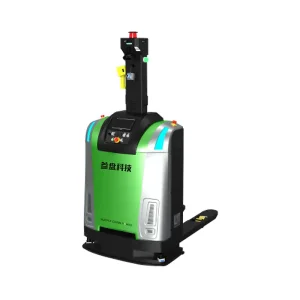
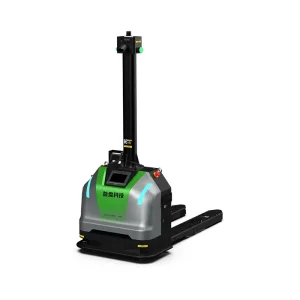
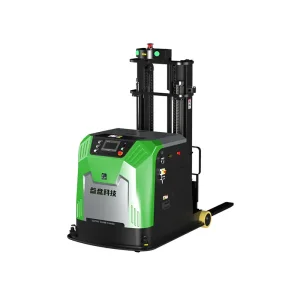
Explore our high-performance models engineered for flexible load capacity, extreme turning precision, and robust navigation in high-density facilities.
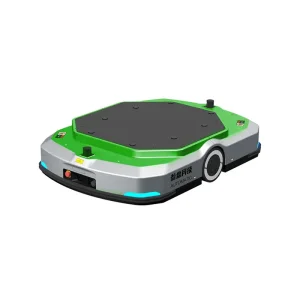
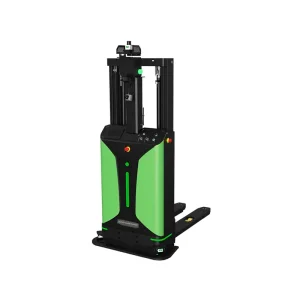
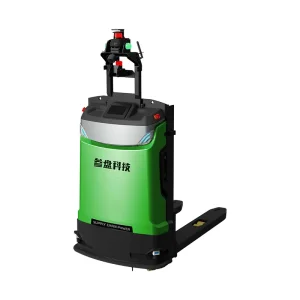
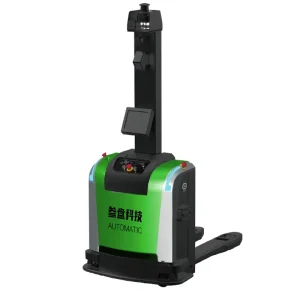
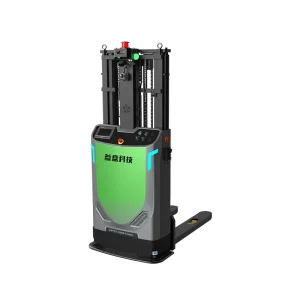
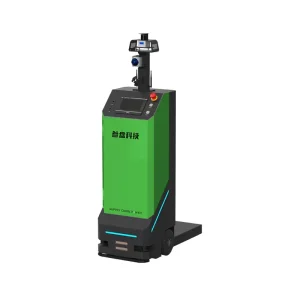
Analysing the shift from manual material handling to intelligent, autonomous fleet ecosystems.
The global material handling industry is undergoing a seismic transformation. Rising labor costs, demographic shifts, and the explosive growth of e-commerce are rendering conventional forklift operations unsustainable. In modern manufacturing and logistics, the "Fork Robot" (alternatively named autonomous forklift, AGV, or AMR) has emerged as the definitive solution to these operational bottlenecks. Unlike manual operators, autonomous forklift systems function continuously, minimizing cycle times and eliminating accidents caused by fatigue.
Recent industrial data shows that the global automated guided vehicle (AGV) and autonomous mobile robot (AMR) market is expected to surpass $18 billion by 2028, with forklift robots showing the steepest adoption curve. Major manufacturing nations are retrofitting existing brownfield facilities to support high-density storage configurations that only high-precision automated systems can navigate safely.
Traditional autonomous forklifts relied heavily on physical infrastructure—magnetic strips, reflective tapes, or embedded wires—requiring costly changes to the warehouse layout. Modern operations demand flexibility. This is where Laser SLAM (Simultaneous Localization and Mapping) technology proves revolutionary.
Laser SLAM smart forklifts use on-board LiDAR sensors to dynamically map their surroundings, recognizing columns, shelving, and static objects in real-time. This dynamic localization removes the need for physical guidance systems, enabling seamless path re-routing. If a pallet or worker blocks a path, the robot recalculates its trajectory in milliseconds, preventing bottlenecks and maintaining warehouse flow.
“By combining real-time LiDAR telemetry, 3D obstacle avoidance cameras, and advanced wheel odometry, Laser SLAM allows fork robots to operate safely in tight, dynamic paths alongside human workers.”
Taking the actual business needs as the cornerstone, SCP is committed to comprehensively innovating and enhancing the overall supply chain planning of enterprises. We provide enterprises with comprehensive end-to-end supply chain solutions, build a multi-role and multi-dimensional intelligent supply chain collaboration system, and achieve all-round efficient collaboration and process optimization.
At present, SCP has established a product architecture supported by software and hardware, and supplemented by the top-level design of the supply chain control tower to create an agile, flexible and efficient end-to-end supply chain system for enterprises.
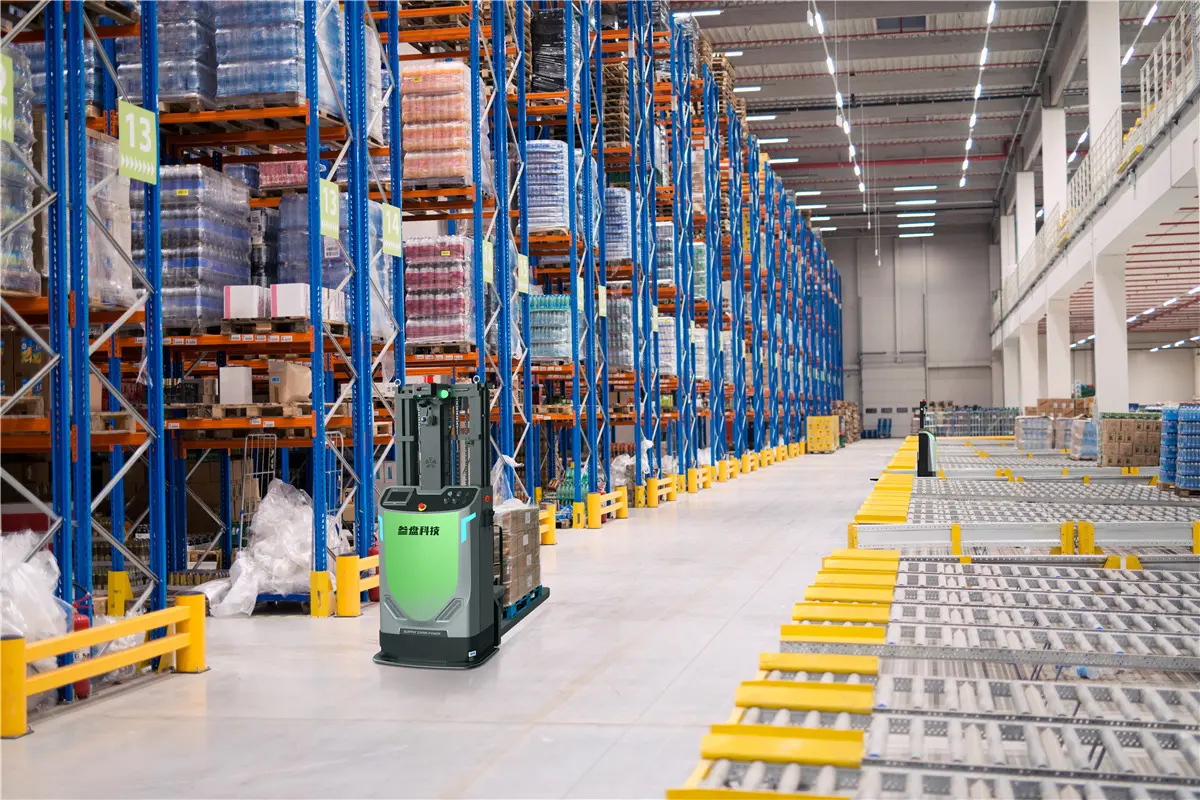
Benefiting farmers and bringing welfare to consumers
Leading the technological upgrade of the supply chain and achieving extraordinary value for transformers
Alliance of Developers of New Quality Supply Chain Technology
How China's industrial supply chain delivers unparalleled reliability, customization, and cost-efficiency.
China has established itself as the global manufacturing hub for advanced robotics. The concentration of component suppliers—ranging from specialized laser sensors and brushless DC drive systems to high-discharge lithium battery packs—allows Chinese factories to design, prototype, and scale production at a fraction of the time required elsewhere. This supply chain proximity guarantees that design enhancements based on field performance data can be implemented rapidly.
Furthermore, Chinese manufacturers invest heavily in strict QA protocols. State-of-the-art robotic test yards simulate complex warehouse environments, evaluating load dynamics, incline stability, obstacle detection accuracy, and emergency braking distances. These automated testing rigs ensure that units like the SFL-CDD14 or SFL-CDD20-Y arrive on-site fully calibrated and optimized for continuous operation.
One of the primary roadblocks in global warehouse automation is the diversity of pallet standards (e.g., Euro-pallets, GMA pallets, plastic chemical pallets, and custom skids). While Western manufacturers often impose restrictive product lines, China's factory networks excel at tailored design adjustments. Our engineering teams frequently customize fork sizes, extend straddle legs, adjust mast lift profiles, and adapt onboard safety sensors to match specific storage formats. This adaptability ensures seamless integration into pre-existing warehouse racking systems.
Leveraging deep industrial accumulation, business comprehension, and end-to-end delivery networks to drive supply chain digitization.
As a subsidiary of New Hope Group, we have a good market reputation and execution ability. Moreover, we have an in-depth understanding of multiple industries.
We were incubated based on the digital needs of the business side within the New Hope system, and have participated in many projects of the same type. Therefore, we have a better understanding of the actual business scenarios and demands.
We possess the self-development and integration capabilities for various systems in procurement, sales, and supply. We can well meet the individual needs of different customers.
We provide certain light consulting services alongside projects, covering multiple dimensions such as process optimization and assessment weight, to assist customers in the construction of digital transformation of their supply chains.
We have a professional delivery team for commercial projects. We actively respond to the personalized needs of customers and can ensure fast and high-quality delivery according to customer requirements.
Integrating environmental stewardship and long-term tech innovation into core corporate strategies.
In terms of technology research and development, SCP continues to increase its investment and constantly optimize the product architecture supported by software and hardware and the top-level design of the supply chain control tower.
By strengthening the self-development and integration capabilities of various systems in procurement, sales, and supply, we continuously improve the technical level and competitiveness of our products and services. We build a solid foundation for the sustainable development of enterprises and the industry with leading technologies. At the same time, we actively explore the application of cutting-edge technologies in the supply chain field, promote technological iteration and upgrading, and maintain a leading position in the industry.
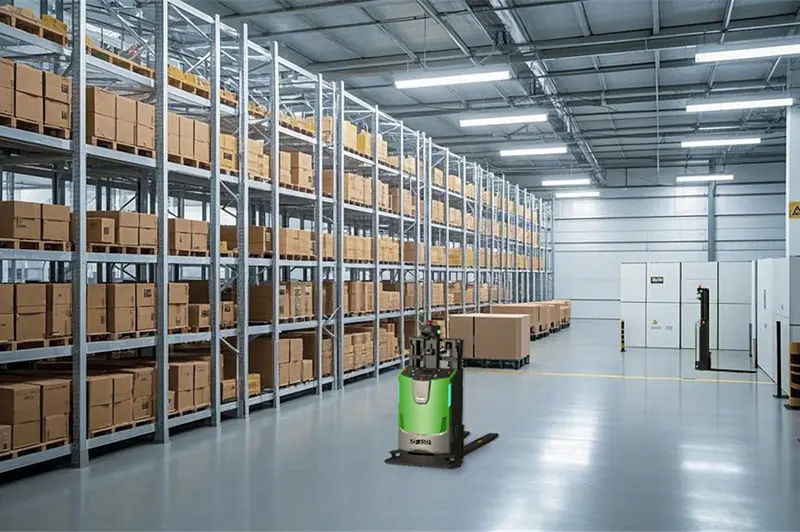
In terms of ecological construction, relying on the rich industrial resources and extensive business layout of Caogenziben, SCP deeply explores the supply chain needs of multiple industries such as food consumption and creates solutions that are suitable for actual scenarios.
By empowering key links such as cold chain logistics, we promote the standardized management and efficiency improvement of the supply chain and facilitate the collaborative development of the entire industrial chain. In addition, we actively carry out in-depth cooperation with overseas partners, absorb international advanced experience and technologies, expand the international market, enhance the global influence of the enterprise, and build a supply chain technology ecosystem with international competitiveness.
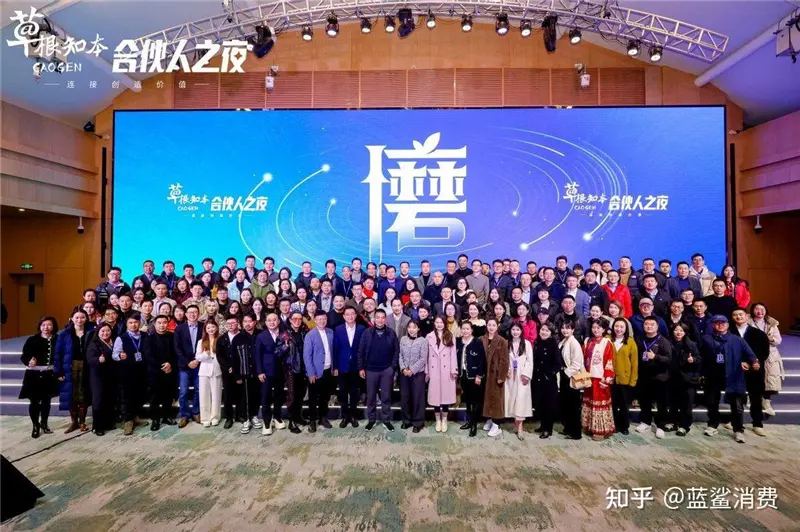
From a long-term development perspective, with the vision of "Leading the technological upgrade of the supply chain and achieving extraordinary value for transformers", SCP integrates the concept of sustainable development into its corporate strategic planning and daily operations.
We not only focus on our own growth and profitability but also look to promote the green, intelligent, and efficient development of the industry. We build a more perfect supply chain collaboration system for future enterprises. While achieving our own sustainable development, we create greater value for society and become a backbone force in promoting the sustainable development of the supply chain technology industry.
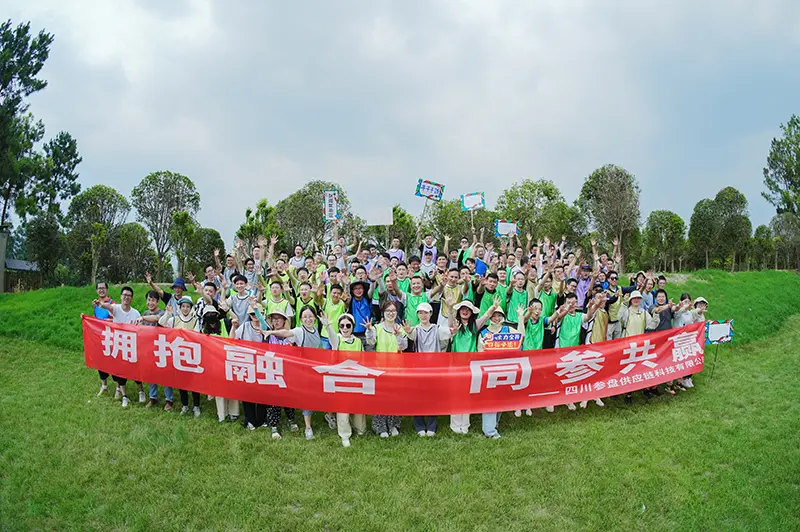
Our commitment to international quality, safety compliance, and technological rigor is validated by world-leading standard boards.
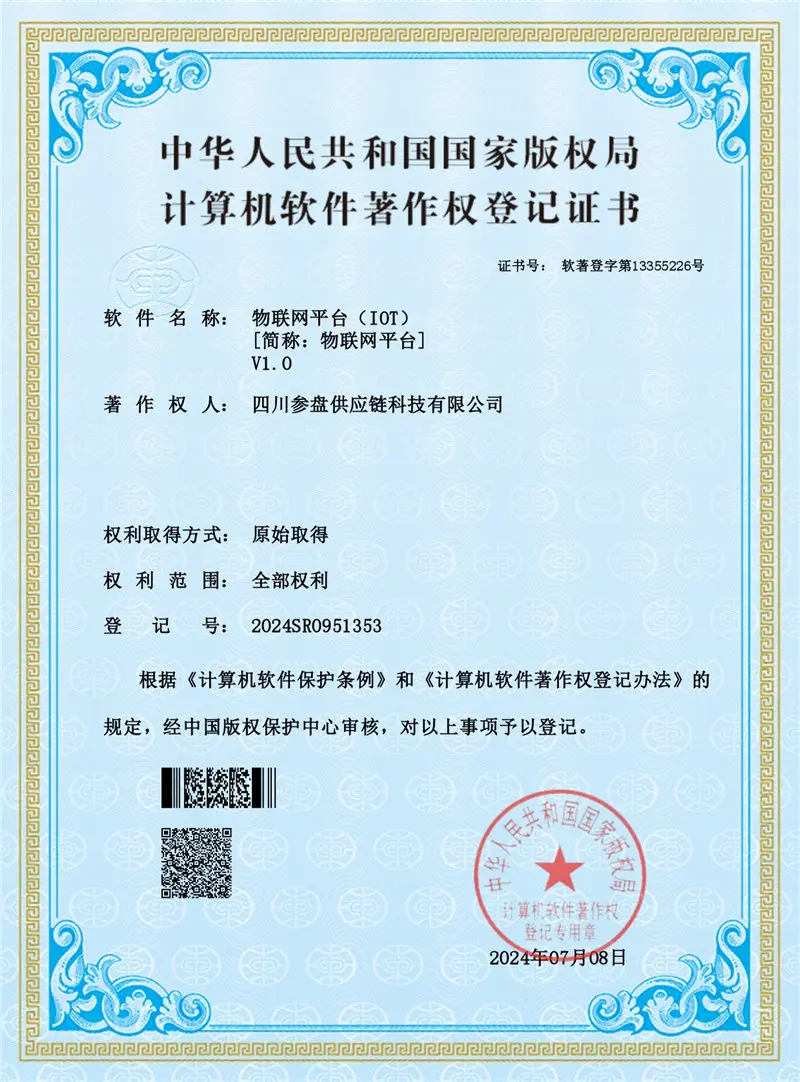
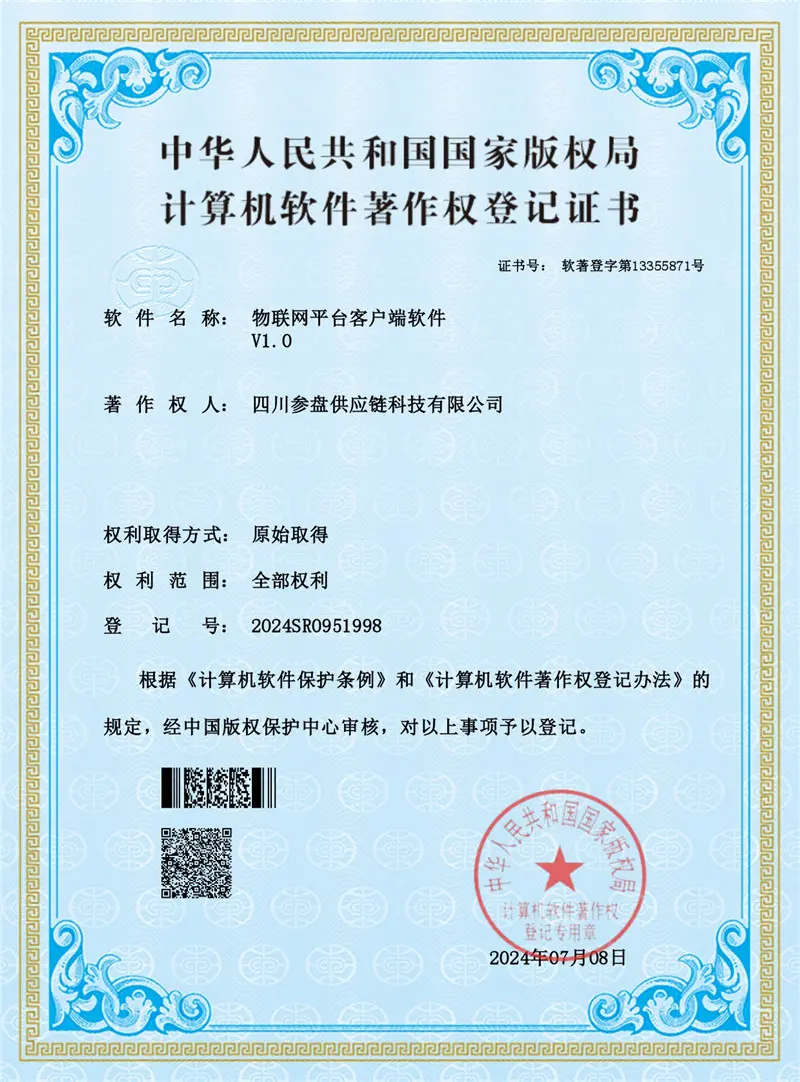
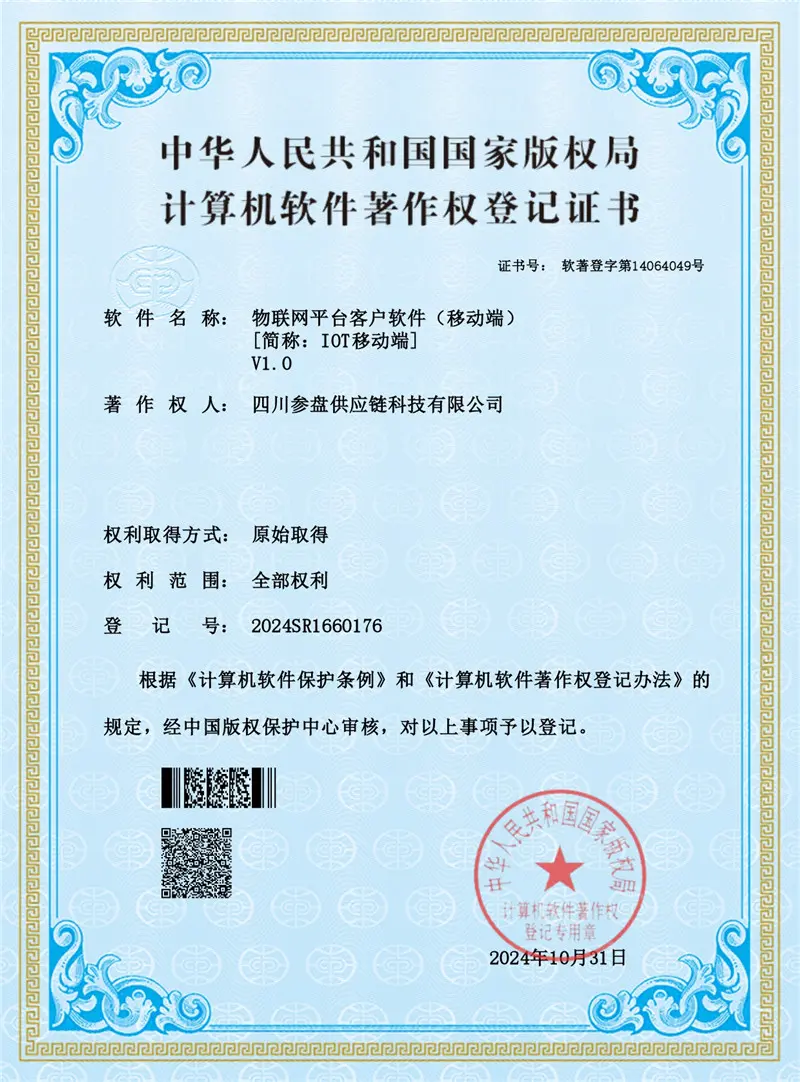
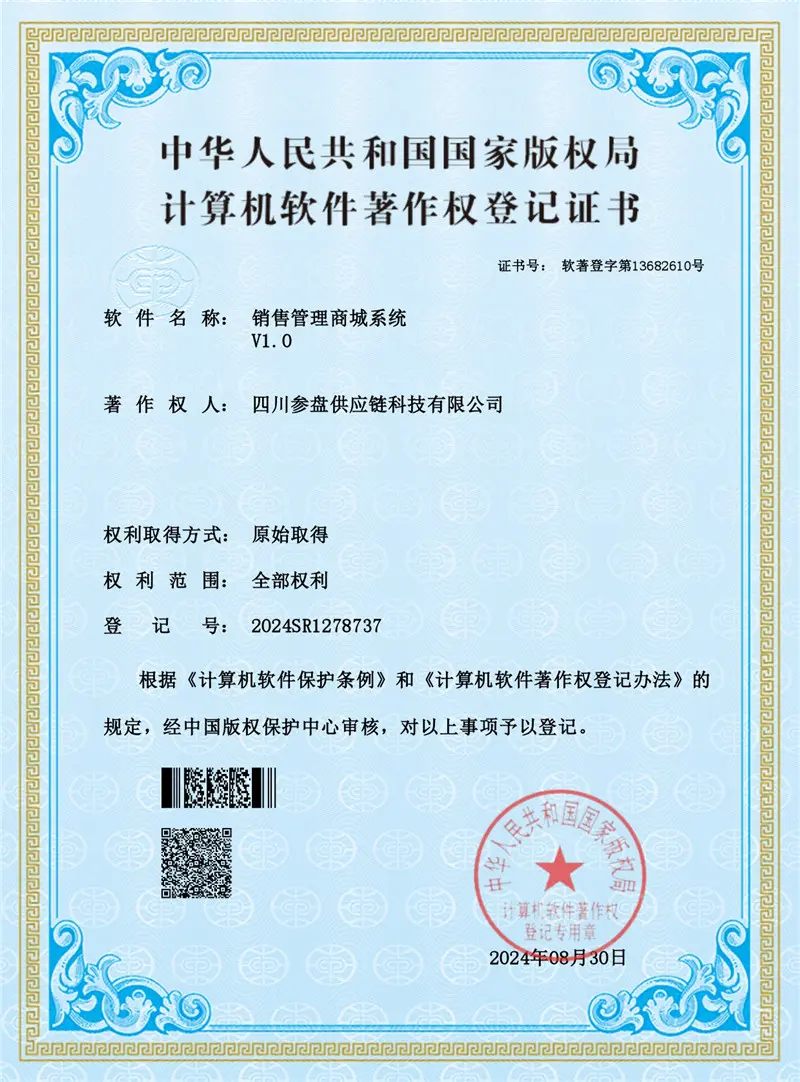
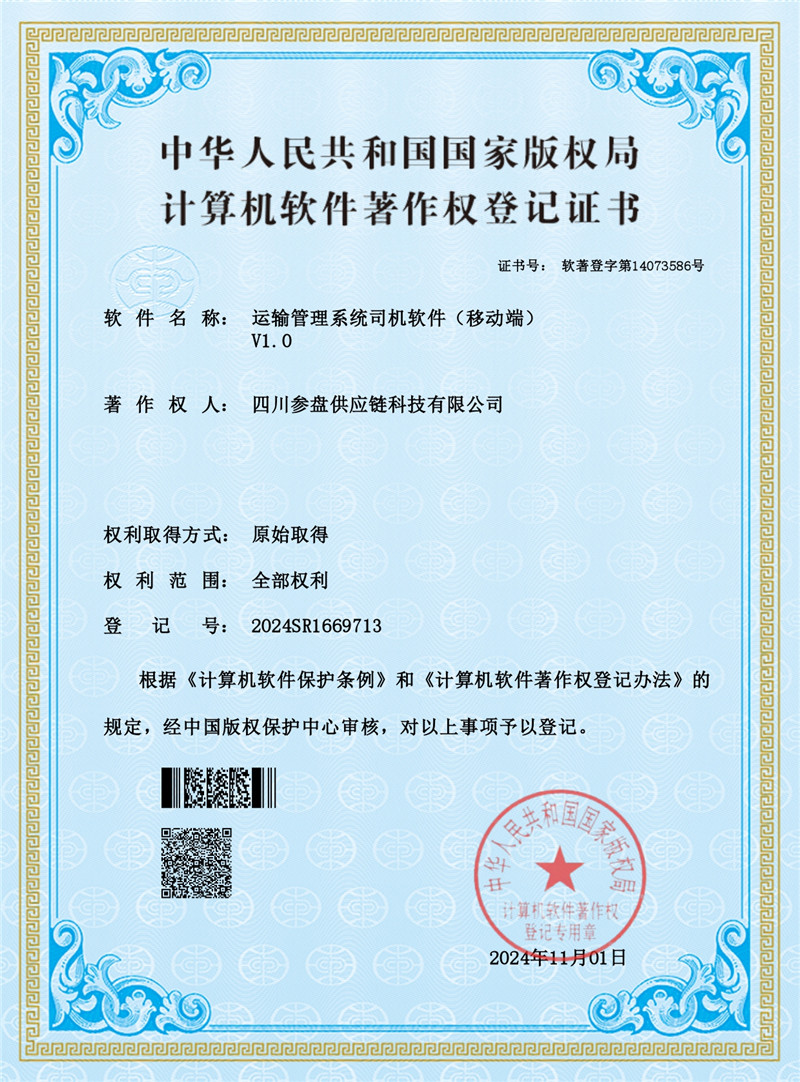
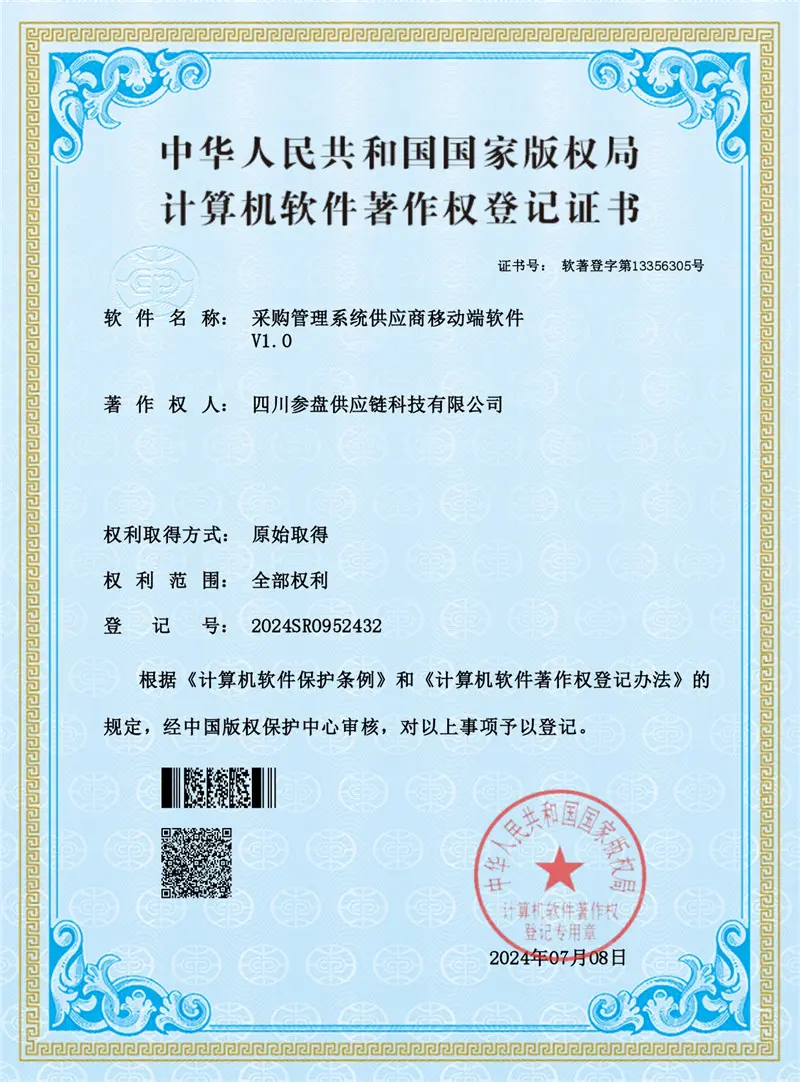
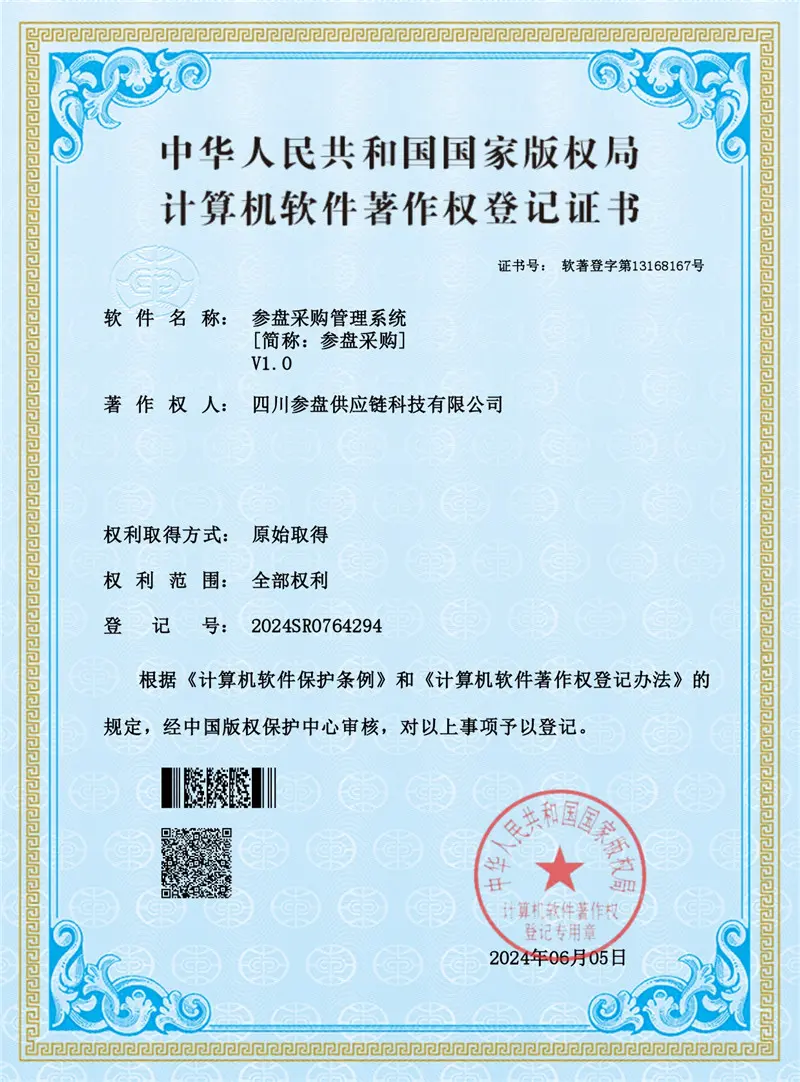
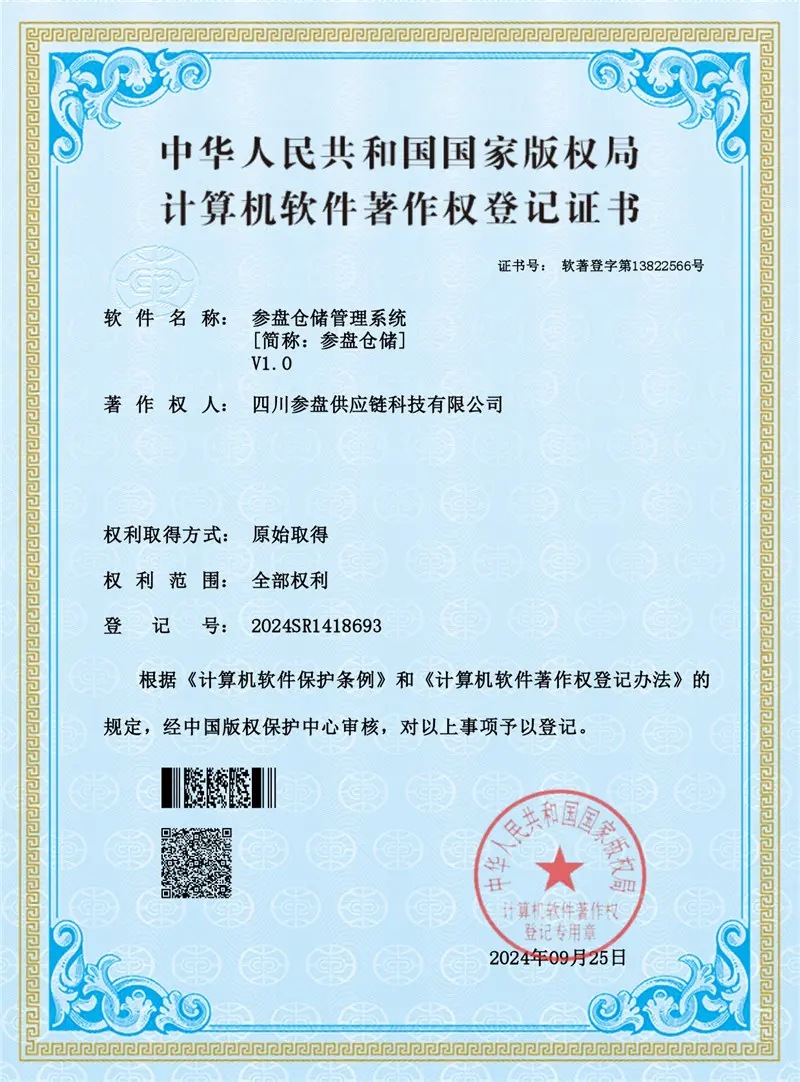
Bridging physical machinery with intelligent planning software to orchestrate seamless warehouse systems.
Insights into where autonomous fork systems create the highest yield, and how to structure procurement frameworks.
Different facilities pose unique operational challenges. To achieve maximum efficiency, fork robots must adapt to distinct localized application profiles:
When selecting a manufacturer for autonomous forklifts, evaluating a model based solely on purchase price introduces high down-the-line maintenance costs. Instead, global procurement departments should build their RFPs around several core performance metrics:
Detailed technical answers addressing common inquiries from automation integration teams.
Choose the exact footprint, payload, and lifting mechanism designed for your facility's operational demands.
 SCP
SCP