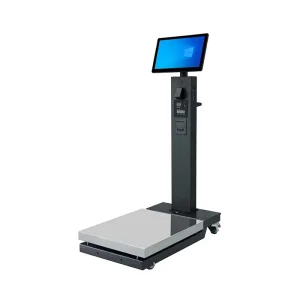
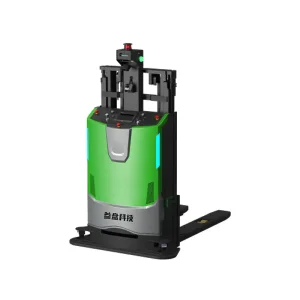
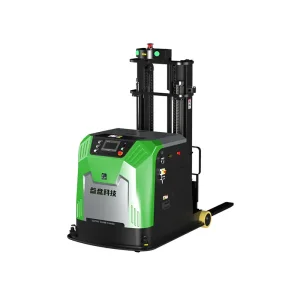
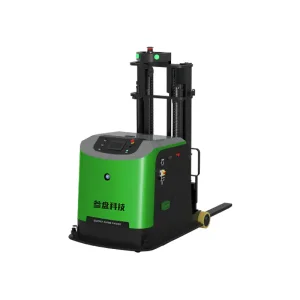
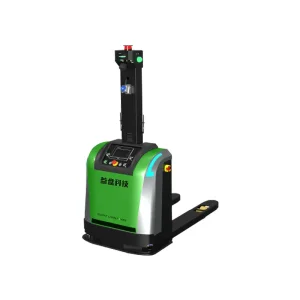
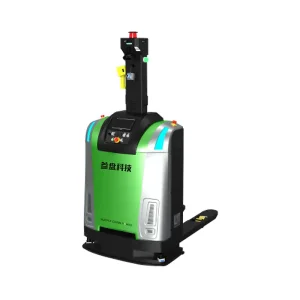
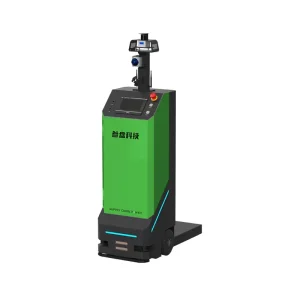
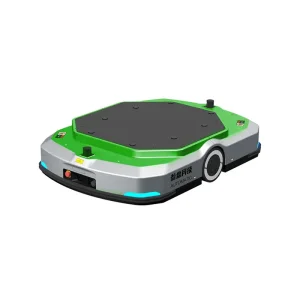
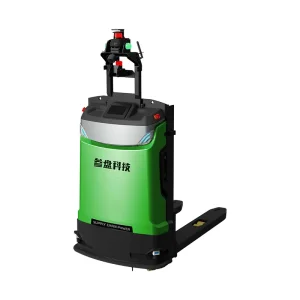
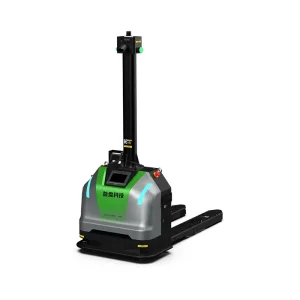
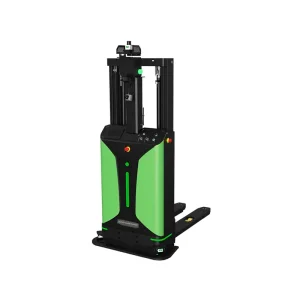
Explore our highly integrated industrial mobile platforms, floor scales, and laser-guided robotic forklifts optimized for automated logistics networks.
Technical analysis of grid matrix localization, wear dynamics, and optical scan optimization in high-velocity robotic warehouses.
In modern high-density automated distribution centers, AGVs (Automated Guided Vehicles) and AMRs (Autonomous Mobile Robots) demand absolute, millimeter-level positioning accuracy to operate seamlessly. While Laser SLAM navigation systems are outstanding for dynamic obstacle avoidance and complex route mapping, AGV QR Codes (specifically structured 2D Data Matrix tags) remain the industry benchmark for precise localized positioning, station-stop accuracy, and cross-docking alignment. As a premium manufacturer and supplier, we engineer navigation markers that address the physical and optical realities of warehouse floor surfaces.
Traditional paper stickers or low-grade adhesive labels fail rapidly under the mechanical stress of heavy industrial forklifts and warehouse conditions. Industrial-grade AGV QR Codes utilize custom layers of polycarbonate (PC), rigid acrylic, or aluminum substrates paired with optical-grade protective laminations. These laminations feature an anti-glare finish designed to prevent light bounce from intense warehouse LED fixtures. The contrast ratio of the white backing and black pattern blocks is meticulously maintained to guarantee optimal performance under low-light configurations, helping prevent camera misreads and trajectory deviation.
Protected by a scratch-resistant overlay that prevents scanning degradation caused by grit, dust, and continuous tire friction.
Engineered texture disperses spotlight glare, ensuring high-speed downwards-facing cameras read tags accurately.
Impervious to aggressive scrubbing, industrial floor cleaners, engine oil leaks, and battery acid spills.
Depending on fleet density, wheel compounds (such as high-hardness polyurethane wheels), and load weights, supply chain managers must choose between flexible polymer markers and rigid metal-backed plates. Polycarbonate films with high-tack acrylic adhesives are cost-effective for standard aisles, while stainless steel or anodized aluminum plates secured with mechanical anchors and liquid grout are indispensable for heavy loading bays, robotic charging stations, and high-frequency pallet drop locations. Selecting the right combination of materials directly impacts the operational lifespan of the navigation grid, reducing maintenance downtime.
Taking actual industrial needs as the cornerstone, SCP is committed to comprehensively innovating and enhancing the overall supply chain planning of global enterprises. We provide end-to-end supply chain integration solutions, building a multi-role, multi-dimensional intelligent system for complete process efficiency optimization.
Currently, SCP has established a powerful product architecture supported by high-precision hardware and smart software, supplemented by the top-level design of the supply chain control tower. This integration creates an agile, flexible, and robust ecosystem for automated operations.
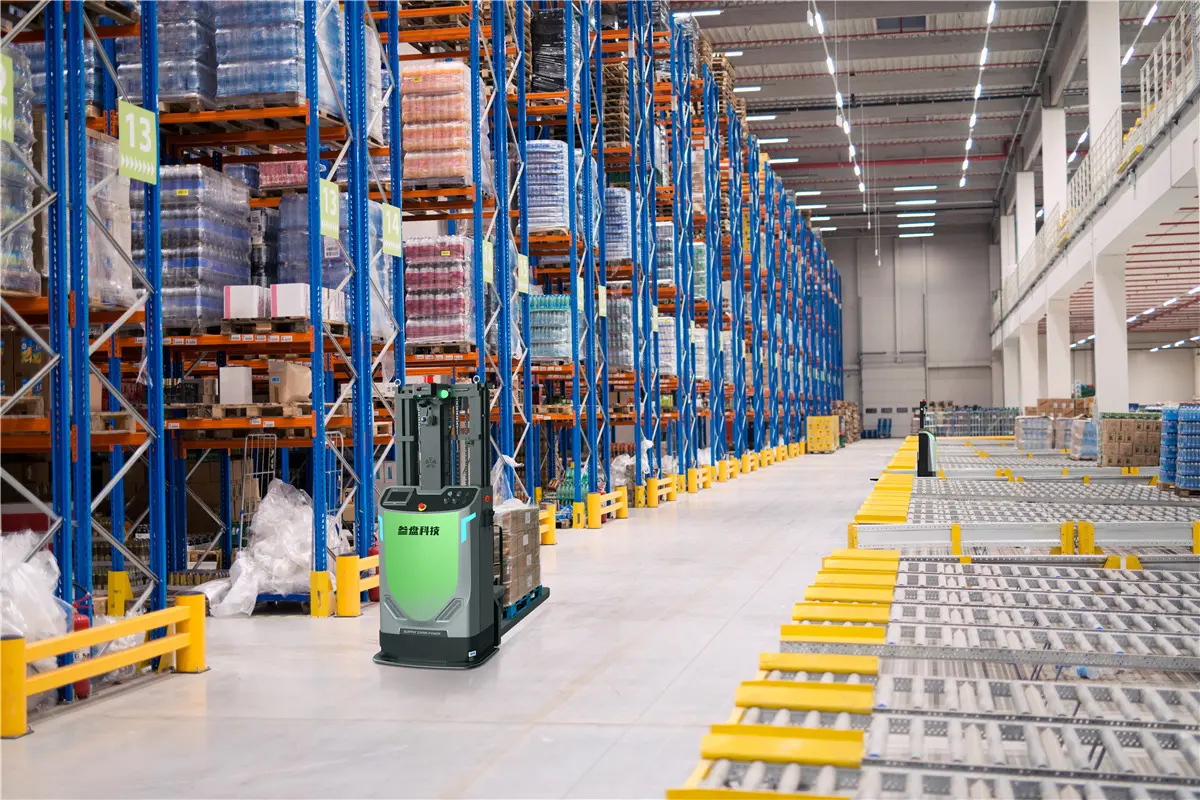
Why sourcing industrial navigation technology from premium Chinese manufacturing hubs accelerates global ROI and hardware integration.
As the primary production cluster for mobile robotics and smart warehousing, China's factory network provides unparalleled advantages for overseas buyers. Sourcing your AGV QR Code markers and robotic fleets directly from a highly integrated supplier offers key benefits:
By streamlining procurement from our ISO-certified facilities, international system integrators cut shipping lead times, secure high volumes at wholesale rates, and receive standardized product shipments that are ready for immediate floor installation.
As a subsidiary of New Hope Group, we possess an established market reputation and strong project execution capabilities, combined with an in-depth understanding of multiple heavy industries.
Incubated specifically to meet internal digitalization needs within the New Hope system, our solutions are battle-tested in real-world agricultural and cold-chain logistics scenarios.
We possess deep in-house engineering and integration capabilities across procurement, sales, and supply chain software, enabling tailored solutions for diverse fleets.
We provide light consulting services alongside our core hardware deployments, optimizing warehouse layout, workflow routing, and metric assessment matrices to maximize the value of your digital transformation.
Our dedicated professional delivery team acts quickly to meet customized requests, ensuring fast, reliable, and high-quality deployment to meet strict project timelines.
Building durable supply chains through R&D innovation, environmentally friendly operations, and long-term ecosystem creation.
SCP continues to increase its investment, optimizing the combined product architecture of software, hardware, and top-level designs of our supply chain control towers.
By enhancing our in-house development and integration capabilities for systems covering procurement, sales, and supply, we improve our technical edge. We build a solid foundation for sustainable growth using leading technology, exploring cutting-edge AI and machine learning to maintain an industry-leading position.
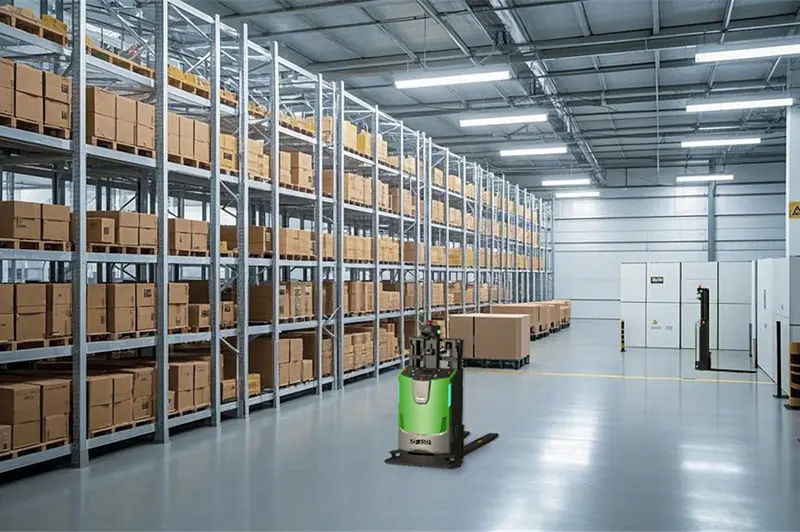
Leveraging the rich industrial resources of Caogenziben, SCP deeply explores the supply chain needs of multiple food and manufacturing industries, creating tailor-made solutions.
By empowering key logistical nodes such as cold chain systems, we promote standardized management and efficiency gains. We also collaborate actively with international partners, sharing advanced techniques and expanding our global influence in the technology ecosystem.
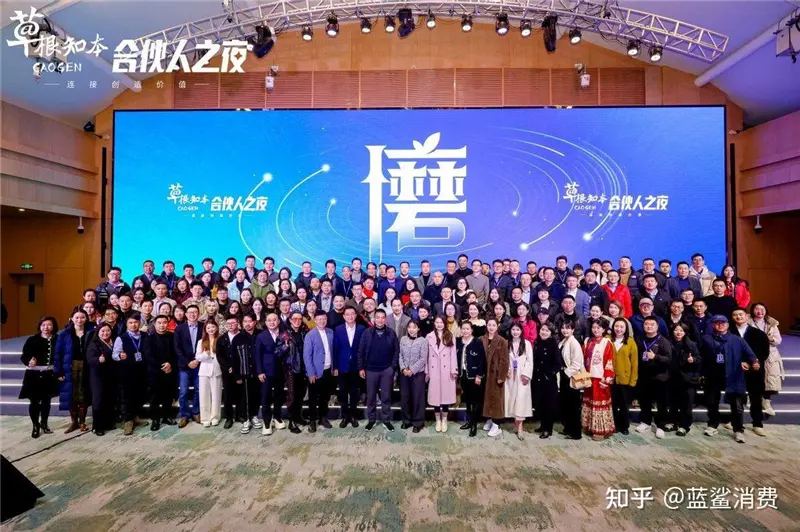
With the vision of "Leading the technological upgrade of the supply chain and achieving extraordinary value for transformers," we integrate sustainable concepts into our strategic daily planning.
We focus on green, intelligent, and highly efficient development, aiming to build a more comprehensive supply chain collaboration system for future enterprises. By prioritizing resource conservation and durability, our floor markers and automation systems are built to stand the test of time.
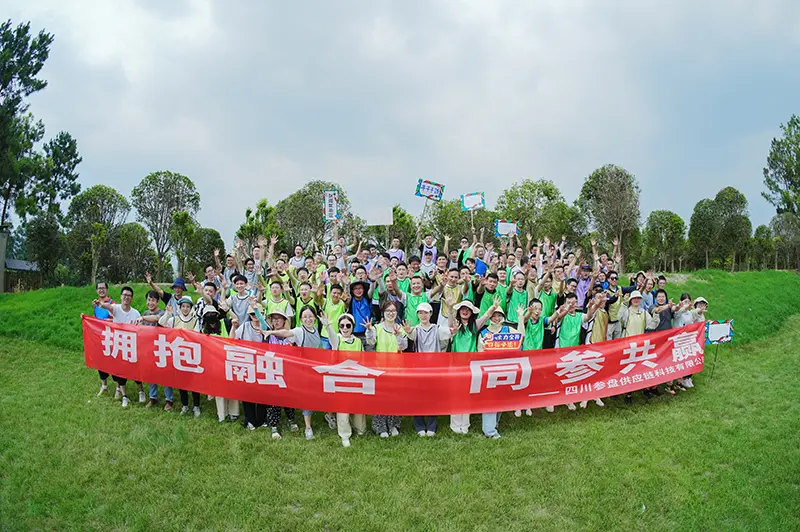
Tested and verified by global standardization organizations to operate under harsh industrial and food-grade cleanroom environments.







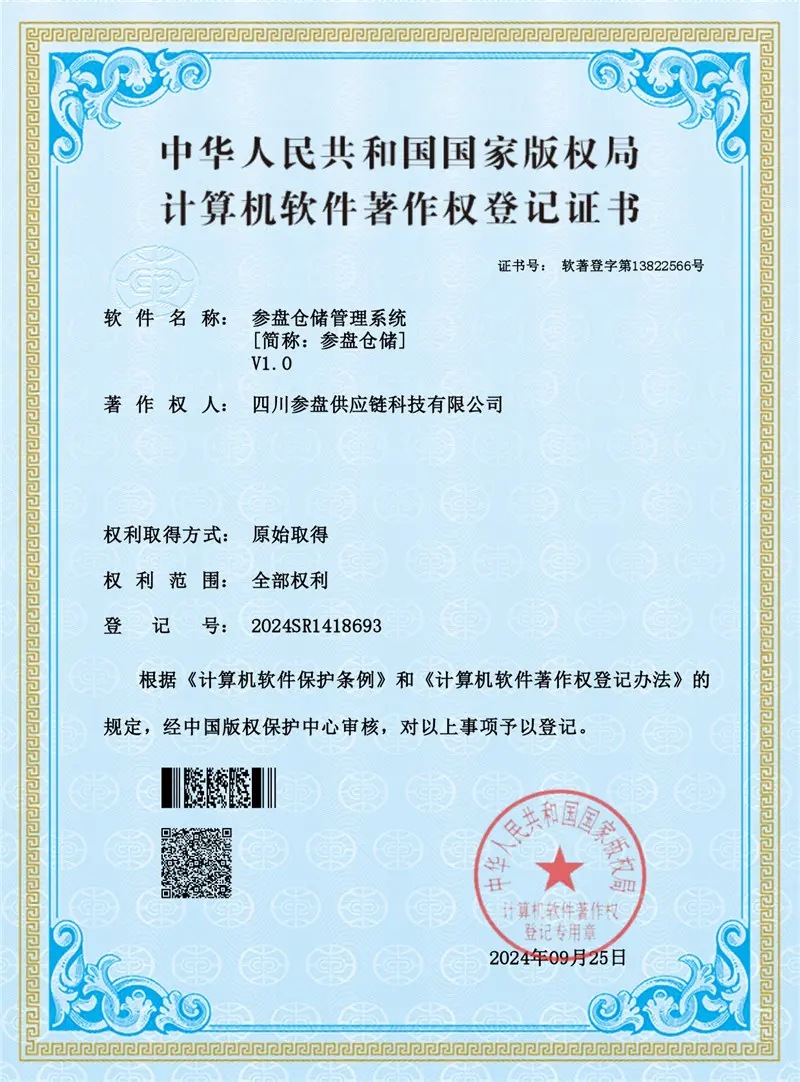

SCP focuses on delivering comprehensive technological matrices for logistics networks and the food supply chain, including high-precision QR systems and robust forklift platforms.
Based on the Internet of Things (IoT), AI, machine learning, and intelligent robotic devices, our solution matrix improves operational efficiency across procurement, distribution, and warehouse sales. By coordinating physical ground markers with cloud-based fleet dispatch software, we empower global enterprises with absolute visibility and optimization.
Browse the second half of our high-performance industrial catalog, designed for heavy loading, smart scanning, and high-precision automation.
Technical manual for planning coordinate systems, selecting adhesives, and maintaining operational uptime.
Deploying a coordinate system of AGV QR Codes requires careful math and a deep understanding of physical mechanics. An AGV fleet reads Data Matrix codes on the fly at speeds ranging from 1.5 m/s to 3 m/s. This section outlines the essential parameters required by systems engineers during physical site preparation:
High-speed camera sensors calculate positioning coordinates using the boundaries of individual white and black squares. Contrast must remain above 80% under all operating conditions. High-gloss coatings are avoided because they create reflection points under spotlight illumination. We use a specialized matte polycarbonate coating that diffuses direct lighting, ensuring reliable optical performance even under fluctuating overhead lights.
When installing floor tags, placement accuracy is critical. A placement error of just 5 millimeters can compound over a long run, causing steering actuators to over-correct and consume excess battery power. We recommend using laser-level positioning guides to keep coordinate deviations below 0.5 millimeters across your entire layout.
Industrial facilities experience fluctuating temperatures, ranging from sub-zero cold storage zones to high-heat manufacturing areas. Our floor markers use advanced 3M pressure-sensitive transfer tape. This backing creates a durable bond that withstands heavy shear forces and resists degradation from humidity and temperature changes.
Many modern smart warehouses use a hybrid approach that combines Laser SLAM with QR code navigation. Laser SLAM handles primary transit between zones, while QR code markers are placed at high-precision stopping points, such as near pallet rack entries, elevators, charging stations, and conveyor drop-offs. This hybrid design delivers the flexibility of natural navigation alongside the millimeter-level reliability of physical markers.
Comprehensive answers from our engineering team regarding installation, wear resistance, layout configurations, and ROI.
 SCP
SCP