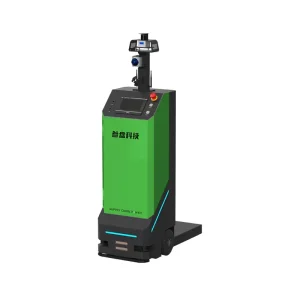
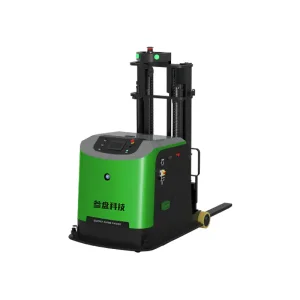
Explore our cutting-edge Laser SLAM guided vehicles engineered for dynamic warehouse operations and industrial automation.
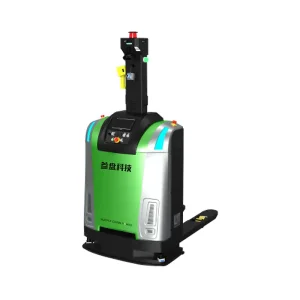
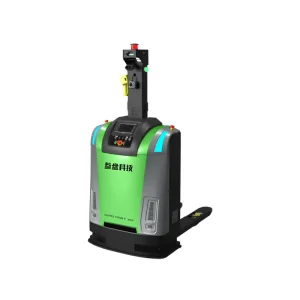
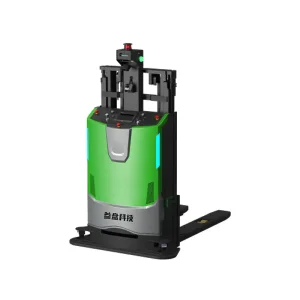
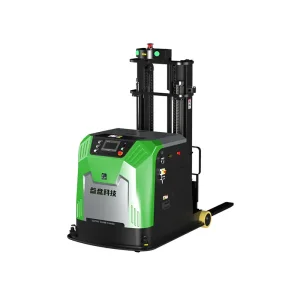
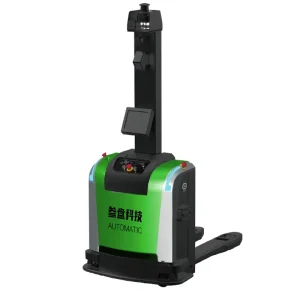
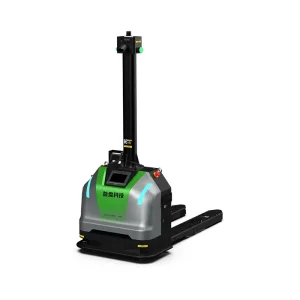
When procurement executives analyze AGV Prices, they must transition from assessing initial capital expenditure (CAPEX) to calculating the Total Cost of Ownership (TCO). A common mistake in automated material handling is focusing solely on the sticker price of the Automated Guided Vehicle. In reality, initial hardware costs represent only 40% to 50% of the overall implementation budget.
The comprehensive AGV price model comprises hardware components, software licensing (including Fleet Management Systems and WMS/ERP integration), site infrastructure mapping (such as installing reflectors or SLAM ambient localization parameters), system commissioning, training, and long-term preventative maintenance plans.
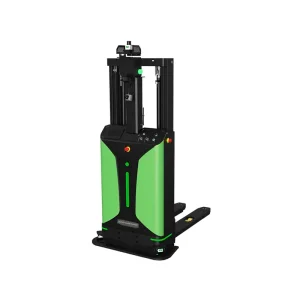
By opting for advanced Laser SLAM (Simultaneous Localization and Mapping) configurations, such as the SFL-CBD30 or SFL-CDD15, enterprises can eliminate the heavy infrastructure costs associated with magnetic strip installation, leading to direct savings of up to 30% during setup.
A typical projection of capital deployment over a 5-year operational lifecycle:
| Cost Element | Average Budget Share | Mitigation Strategy |
|---|---|---|
| Hardware & Chassis | 40% - 50% | Direct factory sourcing & standardized modular frames. |
| Navigation & Mapping | 15% - 20% | Utilize Laser SLAM to avoid physical modifications. |
| Software & Integration | 15% - 25% | Leverage open-protocol fleet management controllers. |
| Operations & Maintenance | 10% - 15% | Deploy brushless drive motors and high-rate LiFePO4 batteries. |
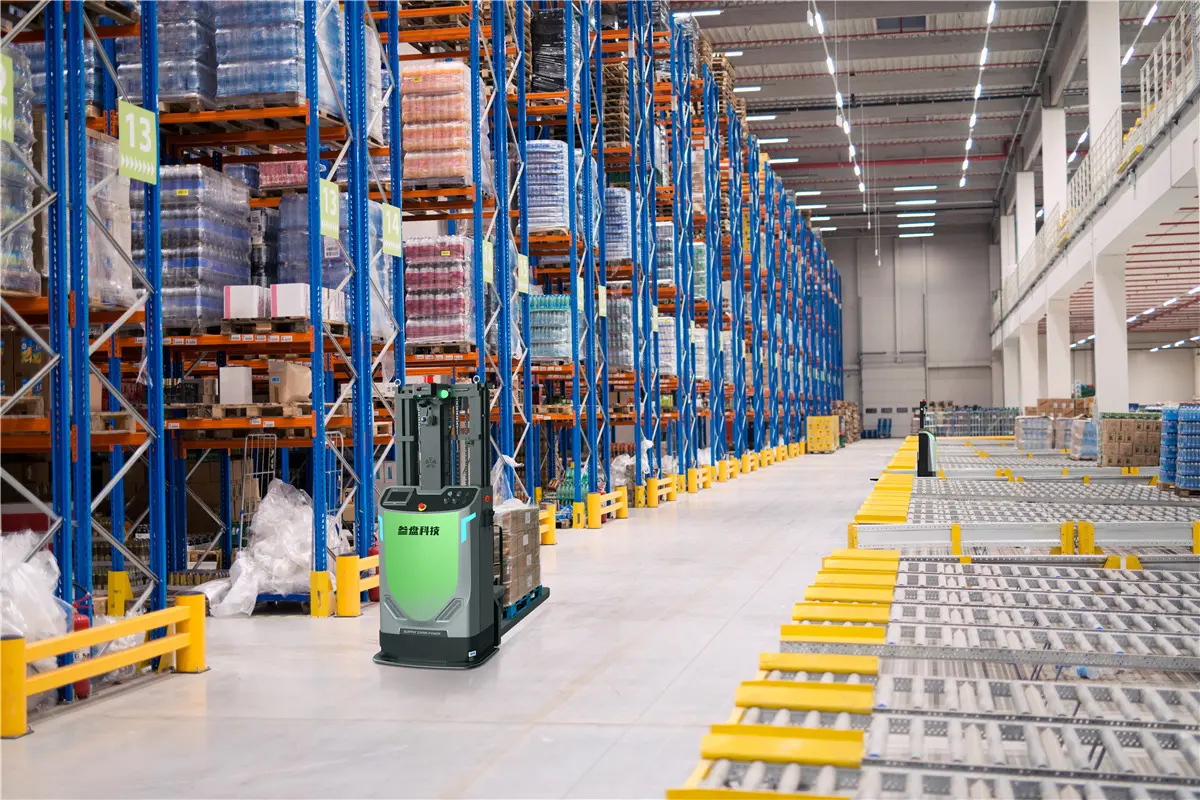
Taking the actual business needs as the cornerstone, SCP is committed to comprehensively innovating and enhancing the overall supply chain planning of enterprises. We provide enterprises with comprehensive end-to-end supply chain solutions, build a multi-role and multi-dimensional intelligent supply chain collaboration system, and achieve all-round efficient collaboration and process optimization.
At present, SCP has established a product architecture supported by software and hardware, and supplemented by the top-level design of the supply chain control tower to create an agile, flexible and efficient end-to-end supply chain system for enterprises.
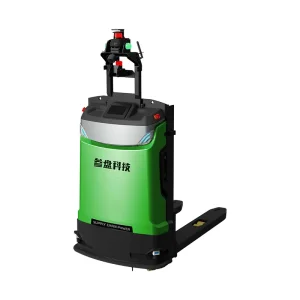
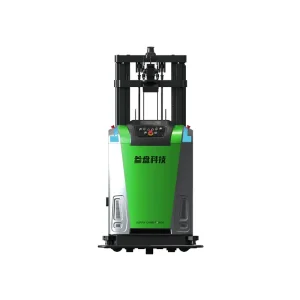
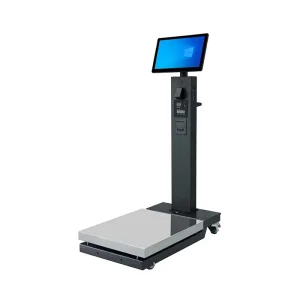
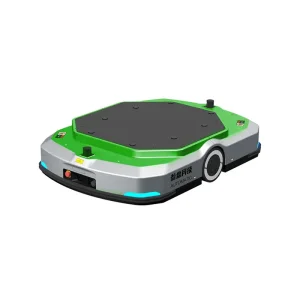
Precision smart forklifts, heavy-duty AMB chassis, and robust floor scales designed for continuous 24/7 operations.
AI-driven fleet scheduling engines, real-time spatial positioning mapping, and cross-platform inventory sync APIs.
Driving excellence through industrial digital intelligence and shared technology value.
Benefiting farmers and bringing welfare to consumers
Leading the technological upgrade of the supply chain and achieving extraordinary value for transformers
Alliance of Developers of New Quality Supply Chain Technology
Providing custom, light-consulting-oriented implementation across complex business ecosystems.
As a subsidiary of New Hope Group, we have a good market reputation and execution ability. Moreover, we have an in-depth understanding of multiple industries.
We were incubated based on the digital needs of the business side within the New Hope system, and have participated in many projects of the same type. Therefore, we have a better understanding of the actual business scenarios and demands.
We possess the self-development and integration capabilities for various systems in procurement, sales, and supply. We can well meet the individual needs of different customers.
We provide certain light consulting services alongside projects, covering multiple dimensions such as process optimization and assessment weight, to assist customers in the construction of digital transformation of their supply chains.
We have a professional delivery team for commercial projects. We actively respond to the personalized needs of customers and can ensure fast and high-quality delivery according to customer requirements.
Sourcing AGVs directly from Chinese factories offers an unparalleled structural price advantage. This competitiveness is not derived from low labor cost, but rather from a highly concentrated, hyper-efficient industrial ecosystem. Within regional technology clusters (such as the Yangtze River Delta and Pearl River Delta), the entire manufacturing workflow for automated guided vehicles is optimized.
Key components, including LiDAR sensors, planetary gearboxes, high-efficiency traction motors, drive wheels, safety controllers, and lithium battery cells, are sourced from local Tier-1 component factories located within a 50-kilometer radius. This geographic configuration dramatically reduces shipping overheads and lead times.
Additionally, Chinese factories utilize standardized industrial modular designs, which significantly accelerates custom configuration options. Whether you require a customized lift height for the SFL-CDD14-H or specific safety sensor integrations for harsh environments, these customizations can be executed and tested rapidly.
Integrating green logistics, resilient ecosystem networks, and technological research and development.
In terms of technology research and development, SCP continues to increase its investment and constantly optimize the product architecture supported by software and hardware and the top-level design of the supply chain control tower.
By strengthening the self-development and integration capabilities of various systems in procurement, sales, and supply, we continuously improve the technical level and competitiveness of our products and services. We build a solid foundation for the sustainable development of enterprises and the industry with leading technologies.
At the same time, we actively explore the application of cutting-edge technologies in the supply chain field, promote technological iteration and upgrading, and maintain a leading position in the industry in terms of technology.
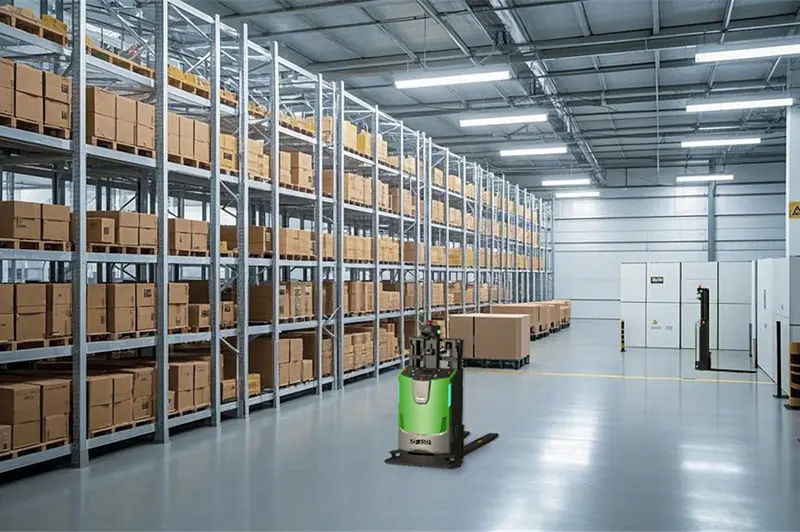
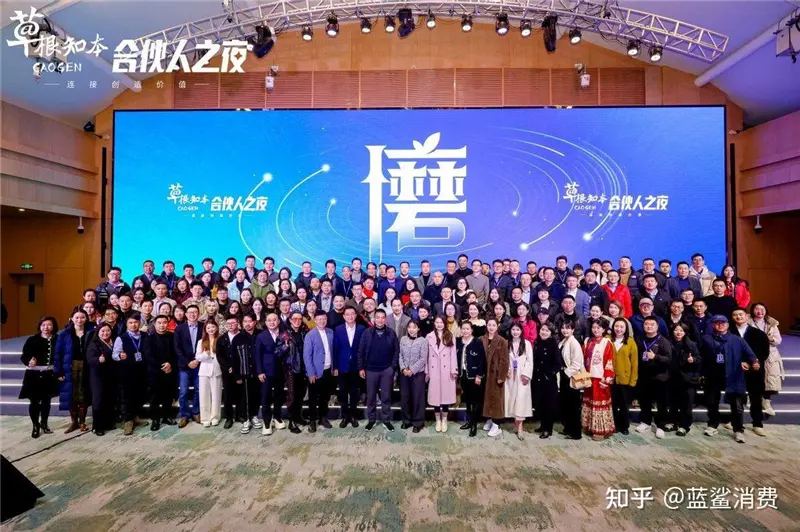
In terms of ecological construction, relying on the rich industrial resources and extensive business layout of Caogenziben, SCP deeply explores the supply chain needs of multiple industries such as food consumption and creates solutions that are suitable for actual scenarios.
By empowering key links such as cold chain logistics, we promote the standardized management and efficiency improvement of the supply chain and facilitate the collaborative development of the entire industrial chain.
In addition, we actively carry out in-depth cooperation with overseas partners, absorb international advanced experience and technologies, expand the international market, enhance the global influence of the enterprise, and build a supply chain technology ecosystem with international competitiveness.
From a long-term development perspective, with the vision of "Leading the technological upgrade of the supply chain and achieving extraordinary value for transformers", SCP integrates the concept of sustainable development into its corporate strategic planning and daily operations.
We not only focus on our own growth and profitability but also look to promote the green, intelligent, and efficient development of the industry. We build a more perfect supply chain collaboration system for future enterprises.
While achieving our own sustainable development, we create greater value for society and become a backbone force in promoting the sustainable development of the supply chain technology industry.
Deploying automated vehicles globally requires strict adherence to international safety standards. All units within our product portfolio, including the SFL-CDD14-CE, are manufactured to comply with target market specifications, including ISO 3691-4 (safety requirements for driverless industrial trucks), ANSI/ITSDF B56.5, and CE/UL certifications.
In addition to manufacturing compliance, establishing a localized support network is critical to maintaining operational uptime. We address this through partner networks and regional service teams.
Our support structure includes real-time remote diagnostics, rapid deployment of local field application engineers (FAEs), and regional spare part inventories. This setup helps prevent minor sensor misalignment issues from escalating into operational delays.
How state-of-the-art Laser SLAM systems integrate into complex industrial settings.
The global logistics automation industry is shifting from traditional magnetic tape navigation to natural feature navigation (Laser SLAM and Visual SLAM). High-precision Laser SLAM systems utilize natural ambient reference points, such as walls, support columns, and permanent machinery, to continuously calculate position coordinates.
In addition, hybrid deployments are becoming more common. Fleet managers are increasingly coordinating diverse fleets of pallet stackers, tow tractors, and low-profile AMRs under a unified scheduling software. This software dynamically recalculates paths to optimize material throughput.
Furthermore, the optimization of battery technology—primarily the shift to Lithium Iron Phosphate (LiFePO4) chemistries—enables automatic opportunity charging. Automated guided vehicles can now recharge during short operational breaks, sustaining 24/7 uptime without requiring manual battery swaps.
Our commitment to manufacturing quality and international standards.
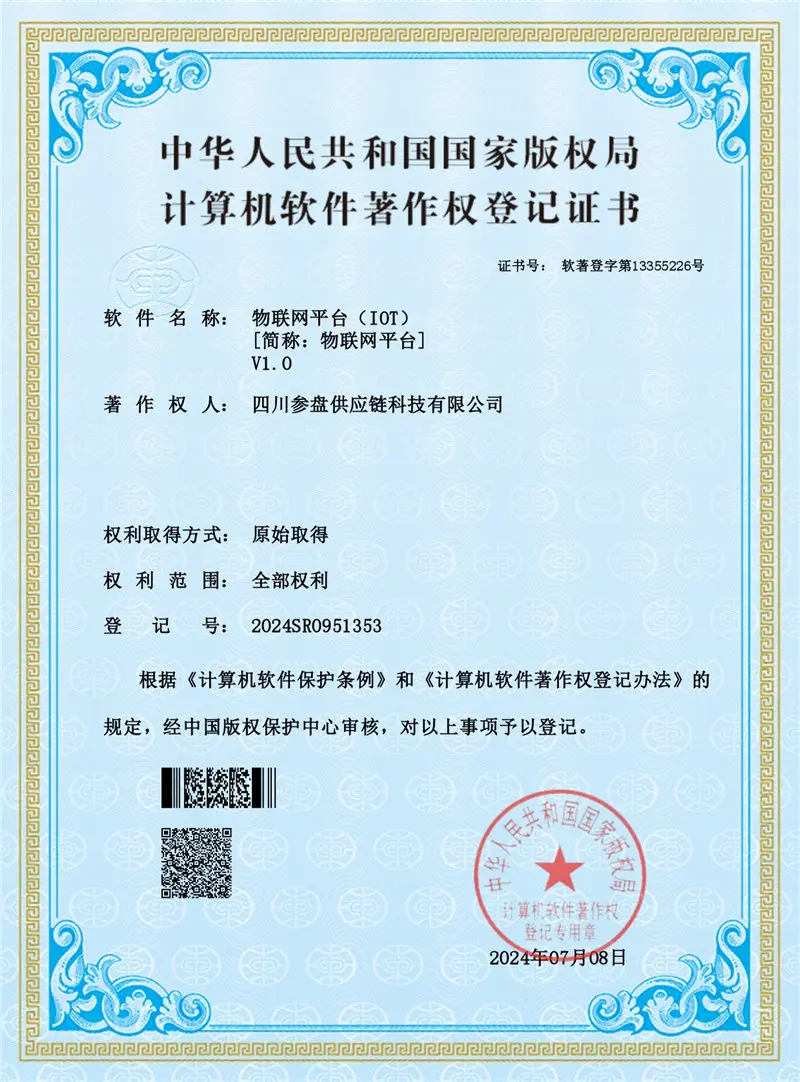
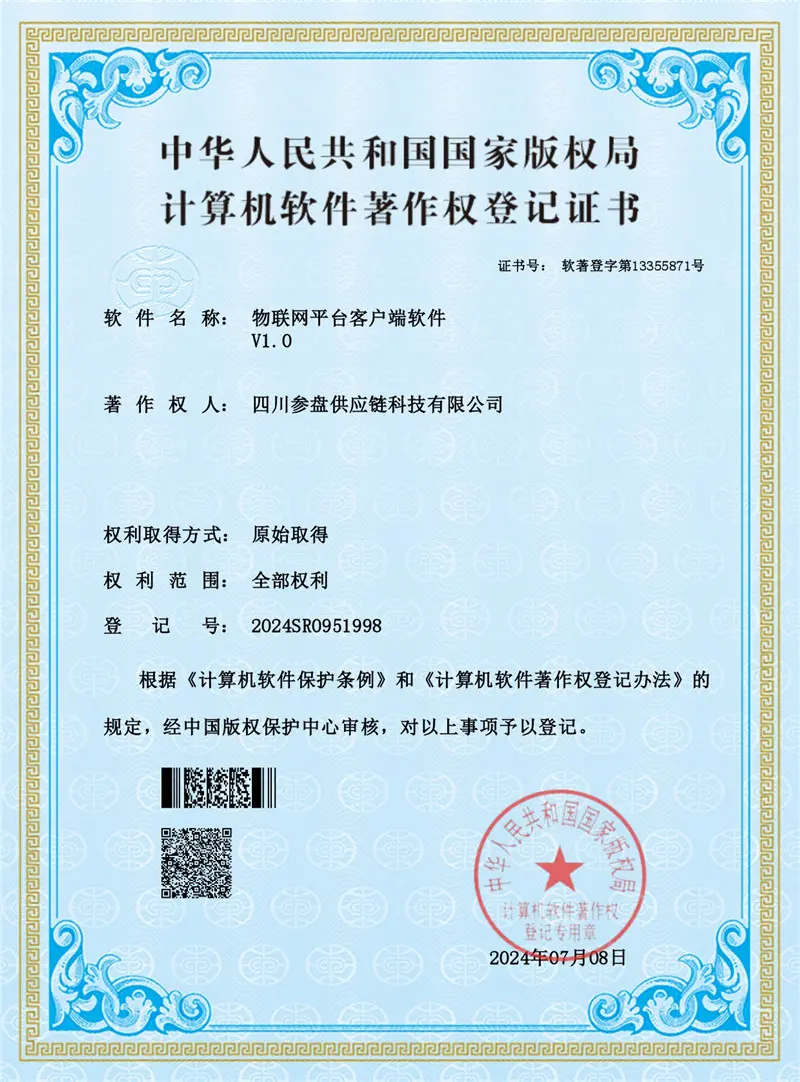
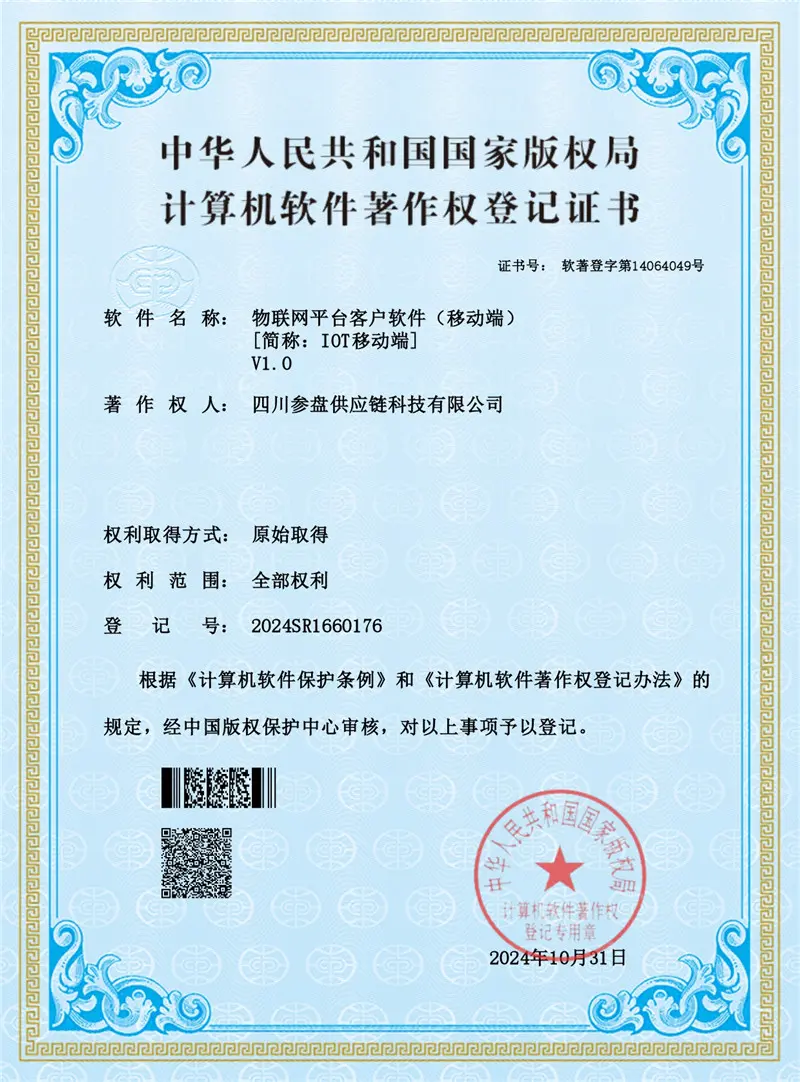
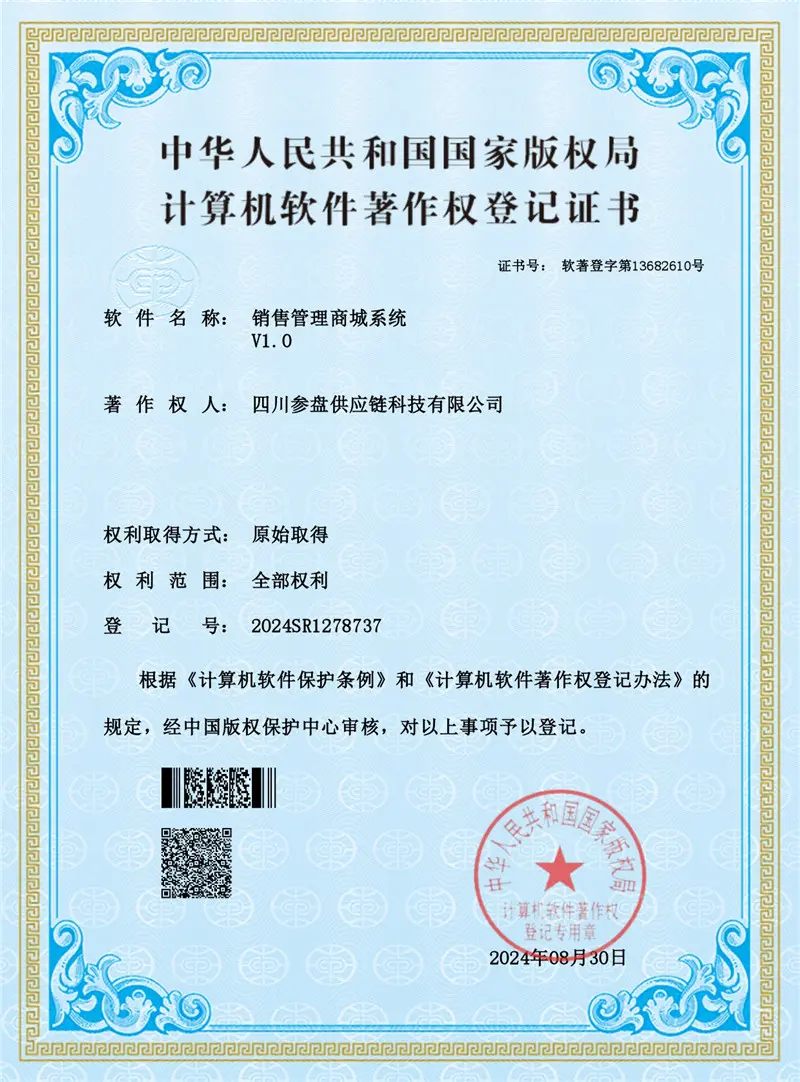
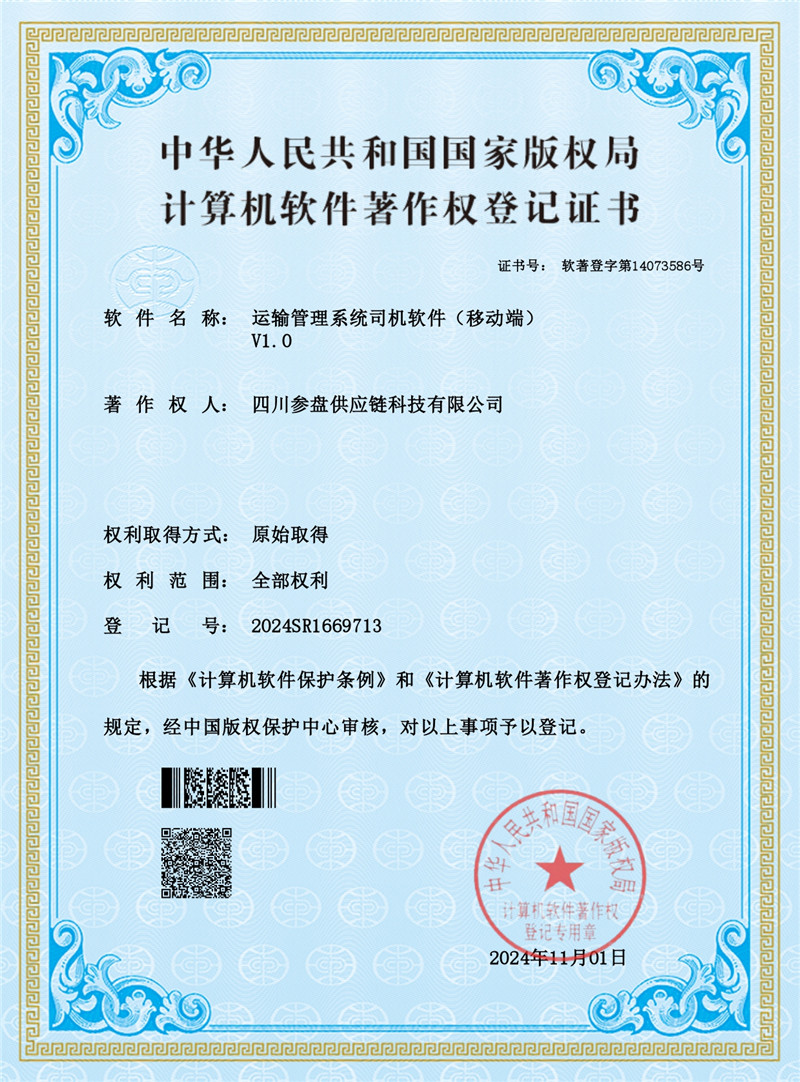
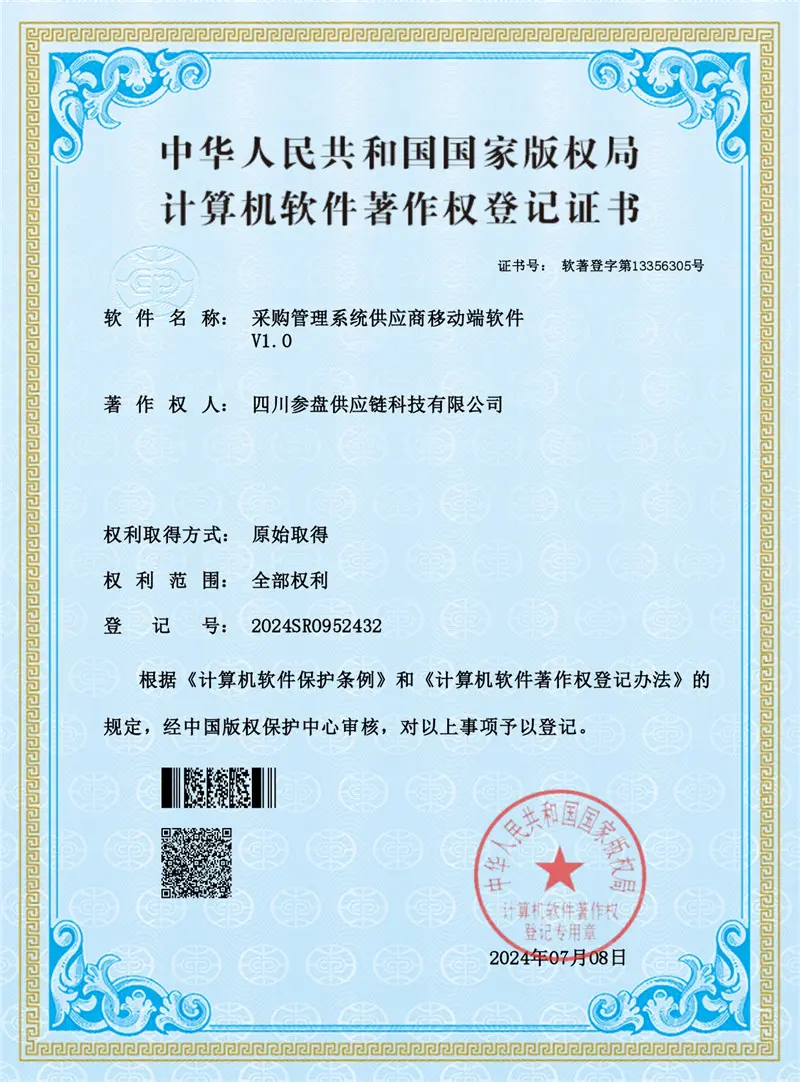
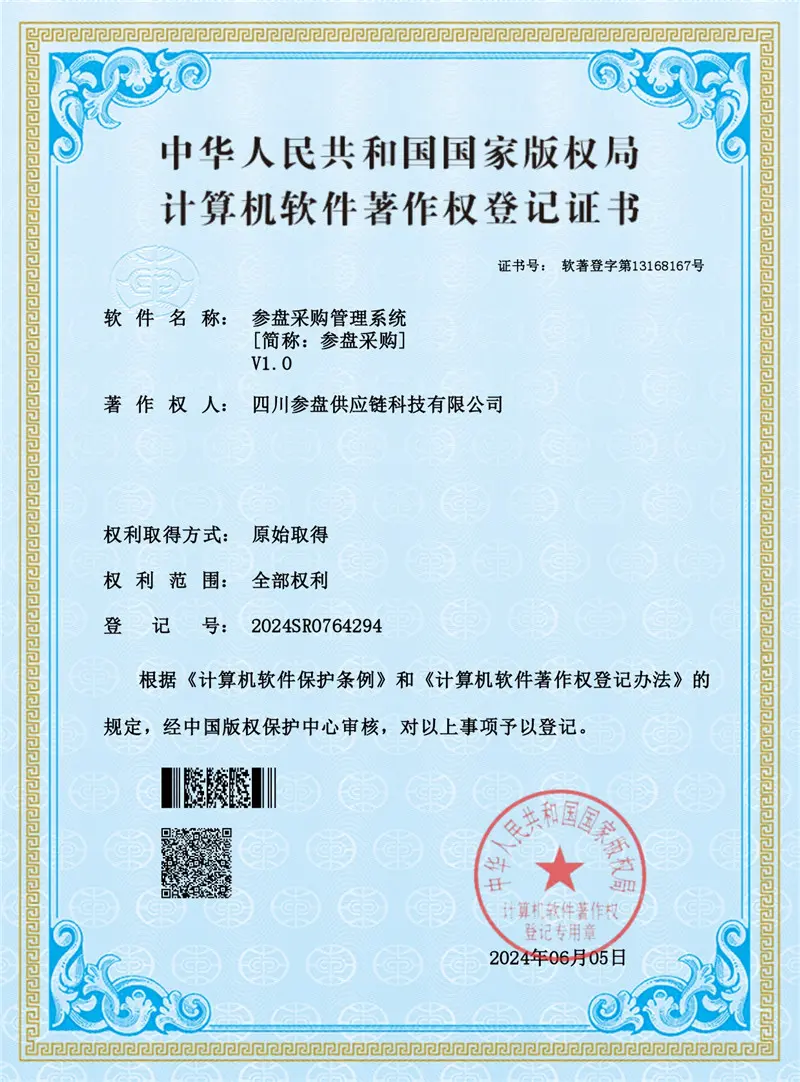
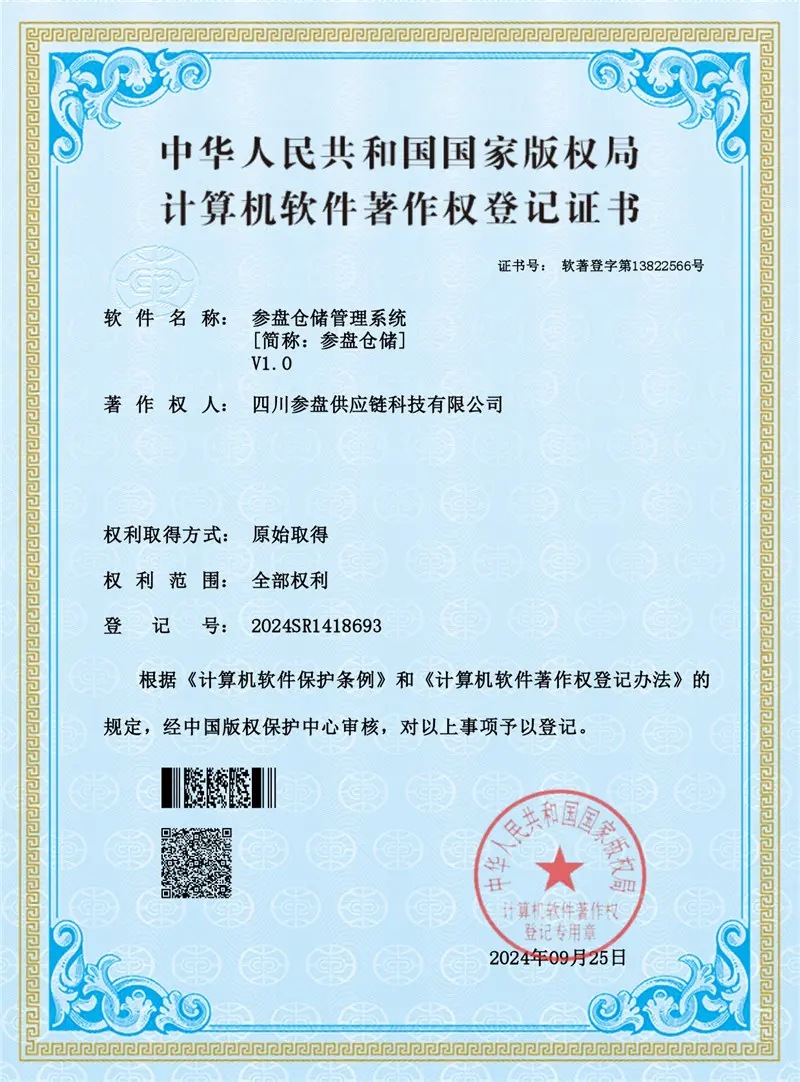
SCP focuses on providing comprehensive solutions for the food supply chain, as well as research and development of intelligent software and hardware products and services. The company aims to be based on the Internet of Things AI, the comprehensive application of machine learning, intelligent devices and other technologies.
Through our automated, digitized, intelligent, and systematic technology products and solution matrices, we enhance the overall operational efficiency of supply chain procurement, supply, and sales, helping upgrade the value of upstream and downstream industries.

Answers to key technical and cost questions from procurement officers and engineering leads.
The primary cost drivers in an AGV configuration are navigation technology (Laser SLAM vs. magnetic/reflector), load capacity requirements (e.g., 1.5T capacity SFL-CDD15 vs. heavy 3T SFL-CBD30), safety scanner integration standards (PLd category 3 safety sensors), battery cell configuration, and custom integration fees with local WMS/ERP databases.
Because Laser SLAM requires no floor modifications (such as drilling magnets or installing reflectors), path planning and map creation are executed in software. Standard systems can be mapped, integrated, and deployed on-site within 2 to 4 weeks, depending on the warehouse layout and the number of vehicles in the fleet.
Lithium Iron Phosphate (LiFePO4) battery packs support high-current charging cycles, allowing automated vehicles to perform "opportunity charging" during operational pauses. This setup supports continuous 24/7 runtime and can maintain over 3,000 cycles before battery capacity declines to 80%.
Optimize your facility operations with high-performance chassis systems, heavy-duty floor scales, and slim stackers.
 SCP
SCP