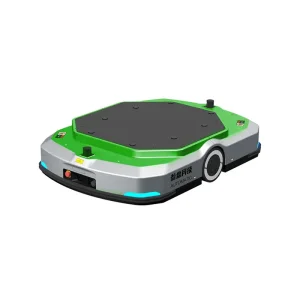
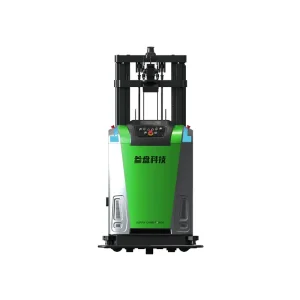
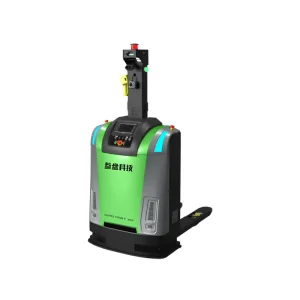
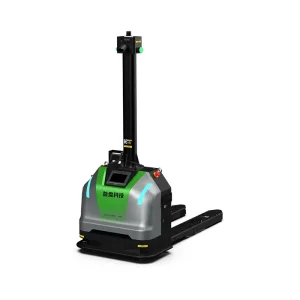
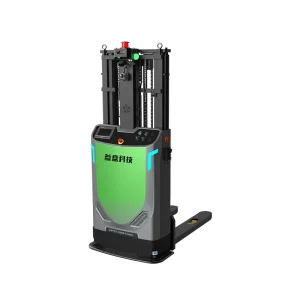
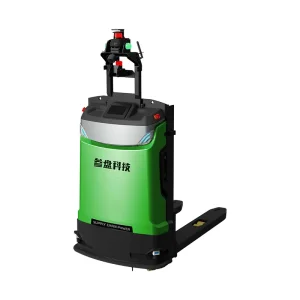
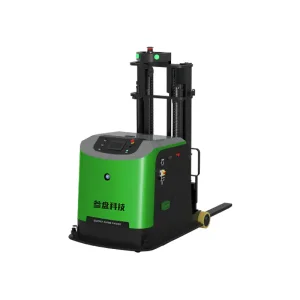
Explore our premium grade Laser SLAM stackers, counterbalanced AGVs, and high-payload smart chassis systems.
Navigation Accuracy (mm level)
Maximum Payload Capacity
Global Industrial Certifications
Completed Factory Projects
In modern industrial 4.0 automation, AGV Navigation Systems form the central nervous system of autonomous mobile robots (AMRs) and automatic guided vehicles. Deploying the optimal navigation topography reduces operational overhead, eliminates collision risks, and enhances throughput efficiency.
Unlike traditional AGV navigation methods such as magnetic tape or static physical reflectors, modern Laser SLAM technology uses LiDAR sensors to dynamically map environments in real-time. By utilizing natural features within the industrial warehouse or factory floor, our Laser SLAM systems offer high flexibility without needing external markers.
By executing complex mathematical algorithms (such as scan-matching and Kalman filtering), the vehicle accurately tracks its position within a +/- 10mm tolerance range, adapting instantly to layout modifications without additional infrastructure downtime.
| Navigation Methodology | Infrastructure Dependency | Localization Drift Tolerance | Dynamic Adaptation Capacity | Installation Capital Expenditure |
|---|---|---|---|---|
| Laser SLAM (Natural) | Zero (Leverages natural geometry) | ± 5mm - ± 10mm | Excellent (Real-time updates) | Low (Minimal setup cost) |
| Laser Reflector | High (Requires wall-mounted prisms) | ± 2mm - ± 5mm | Moderate (Must recalibrate prisms) | Medium (High physical setup) |
| QR Code Navigation | High (Ground-based grid matrices) | ± 5mm | Low (Fixed physical routes) | High (Extensive floor layout setup) |
| Magnetic Guided | Very High (Floor routing tapes) | ± 10mm | Poor (High route modification cost) | High (Continuous route maintenance) |
How state-of-the-art navigation meets harsh, highly specific environments in global enterprise logistics.
Optimized for sub-zero environments, our smart AGVs prevent navigation sensor fogging, delivering reliable performance down to -25°C. This solution fits cold storage setups for food and dairy providers worldwide.
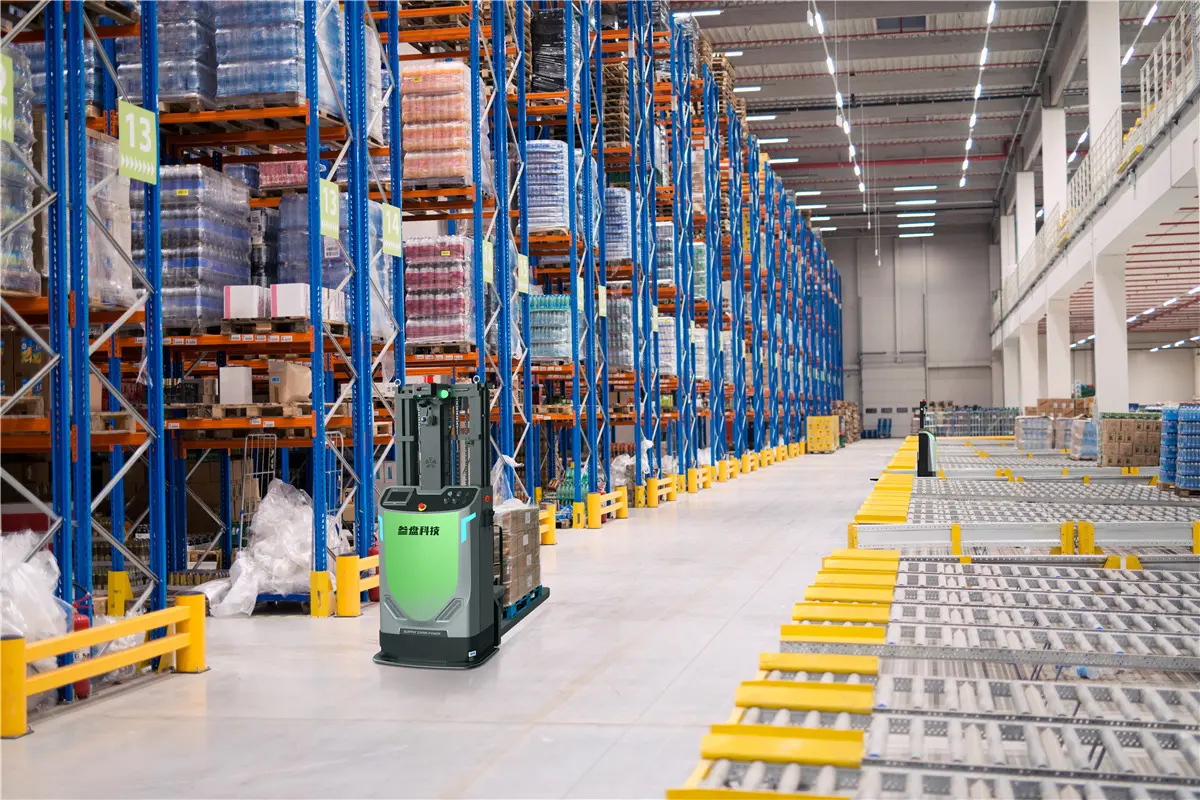
Models like the SFL-CDD15 are specifically designed for space-constrained warehouse floors. They navigate aisles as narrow as 1.6 meters, maximizing rack storage space without sacrificing speed.
Built for payloads from 2,000 kg up to 3,000 kg (such as the SFL-CPD30-Y), these heavy-duty forklifts transport machinery parts, raw metals, and automotive chassis components across manufacturing setups.
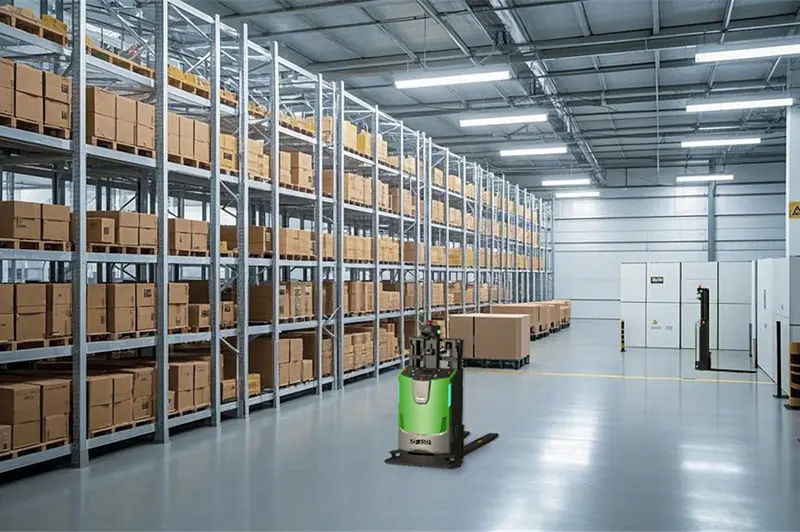
The next generation of AGV navigation relies on multi-sensor data fusion. By combining 3D LiDAR, stereoscopic Vision SLAM (V-SLAM), inertial measurement units (IMUs), and wheel encoder data, vehicles can operate in changing conditions, such as dust, steam, and outdoor pathways.
Additionally, 5G-enabled central dispatching software connects with WMS (Warehouse Management Systems) and ERP databases. This setup allows fleet management systems to optimize paths in real time and schedule predictive maintenance, minimizing unplanned downtime.
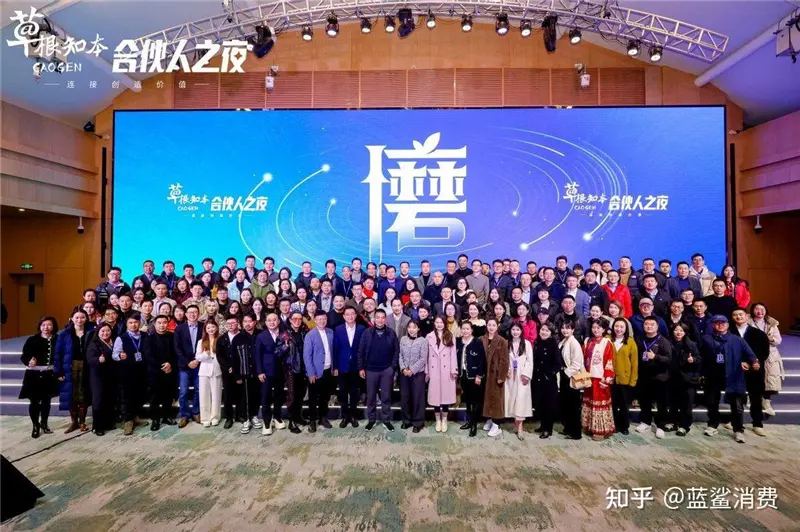
Leveraging deep industrial partnerships and the resources of Caogenziben and New Hope Group, SCP integrates technology across food, cold-chain logistics, and industrial hardware distribution. We build end-to-end ecosystems that streamline cold-chain transport, standardize process management, and cut logistics costs.
Additionally, we collaborate with global integration partners, helping us absorb new technological developments and establish local technical support centers in European, North American, and Southeast Asian markets.
China remains a key hub for advanced robotics and automated guided vehicles. The high concentration of lithium battery manufacturers, laser sensor designers, precision metal fabs, and casting facilities allows us to reduce raw component lead times and maintain cost efficiencies.
Operating as an integrated factory and supplier, SCP controls the entire lifecycle of our vehicles—from structural welding and frame calibration to software configuration and stress-testing. This vertical integration helps ensure that our products meet high quality and performance standards.
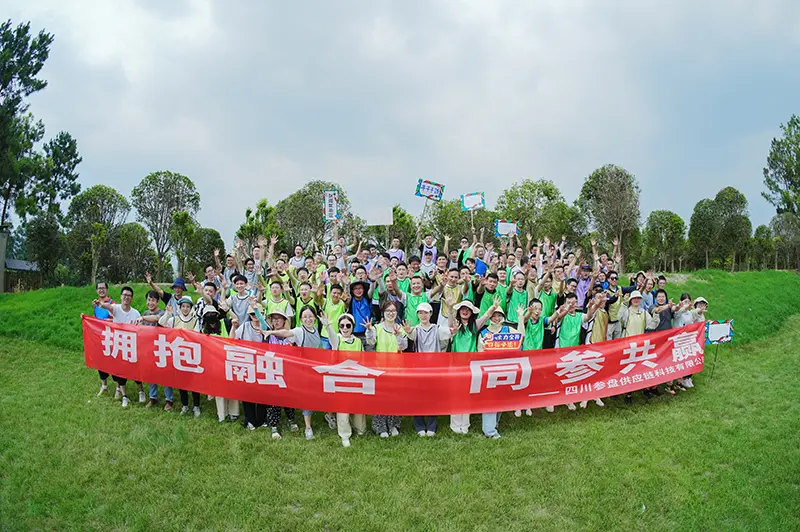
A Subsidiary of New Hope Group: Bringing Agility, Technological Upgrades, and Long-Term Value to Global Supply Chains
Backed by New Hope Group, we have deep market insights and execution experience across food production, agricultural logistics, and industrial warehousing.
We build our own control software, navigation algorithms, and hardware frames, allowing us to adapt systems to specific customer requirements.
We provide consulting alongside our hardware, guiding customers through system integration, route optimization, and digital transition planning.
Our dedicated delivery teams monitor installation and commissioning, helping to ensure rapid deployments and minimized operational downtime.
Tested and verified by international quality control organizations.
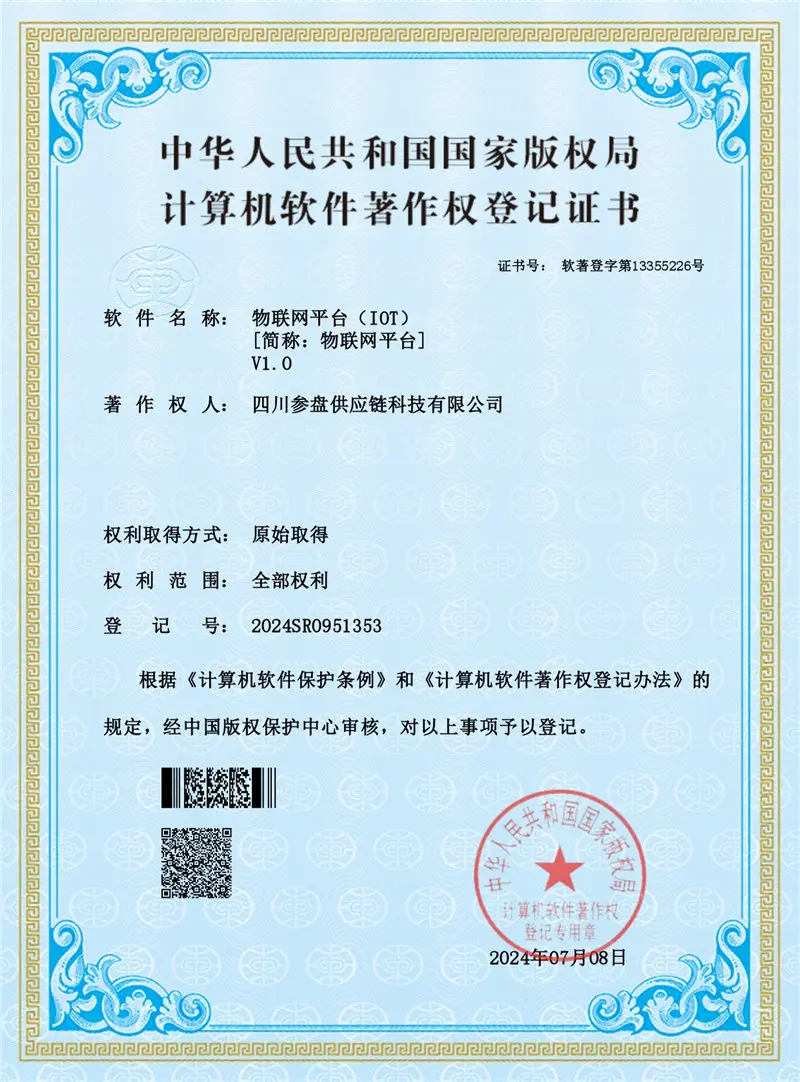
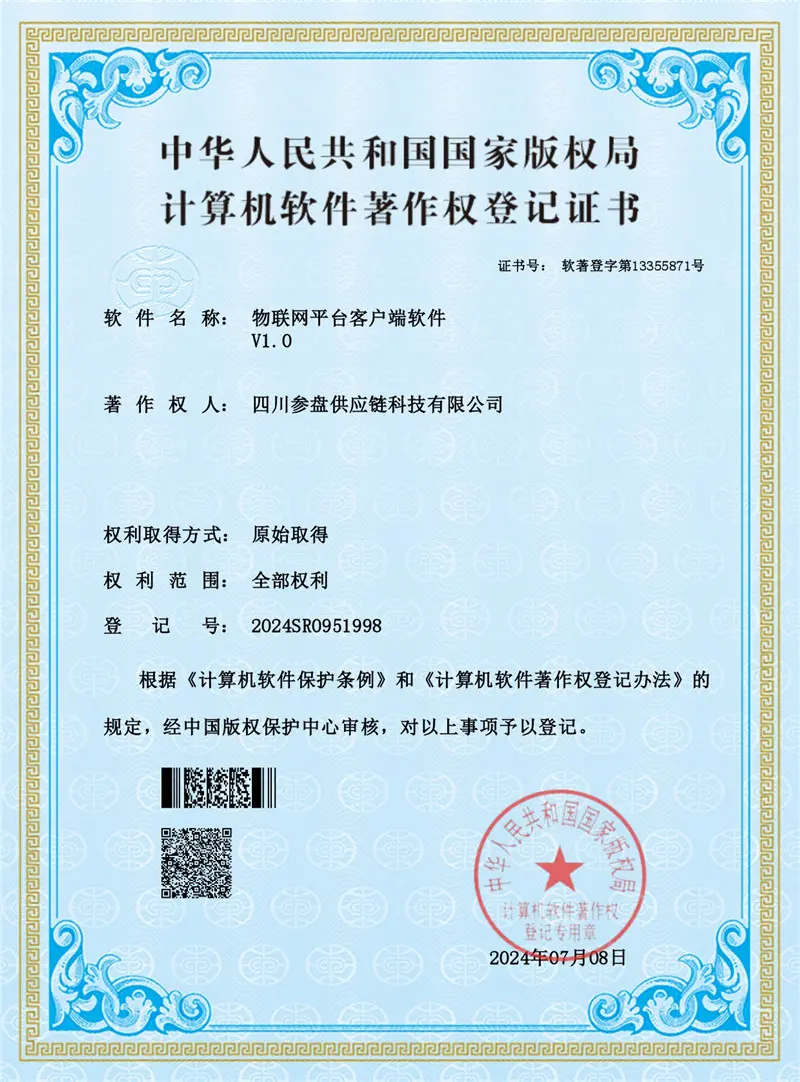
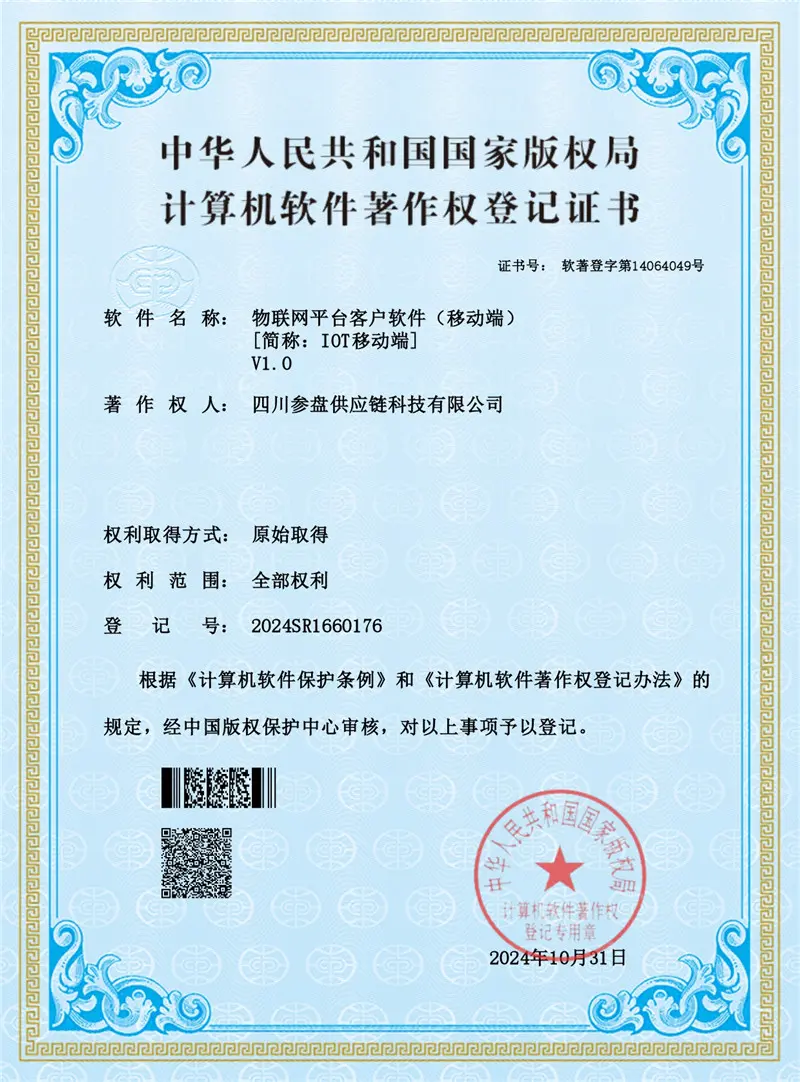
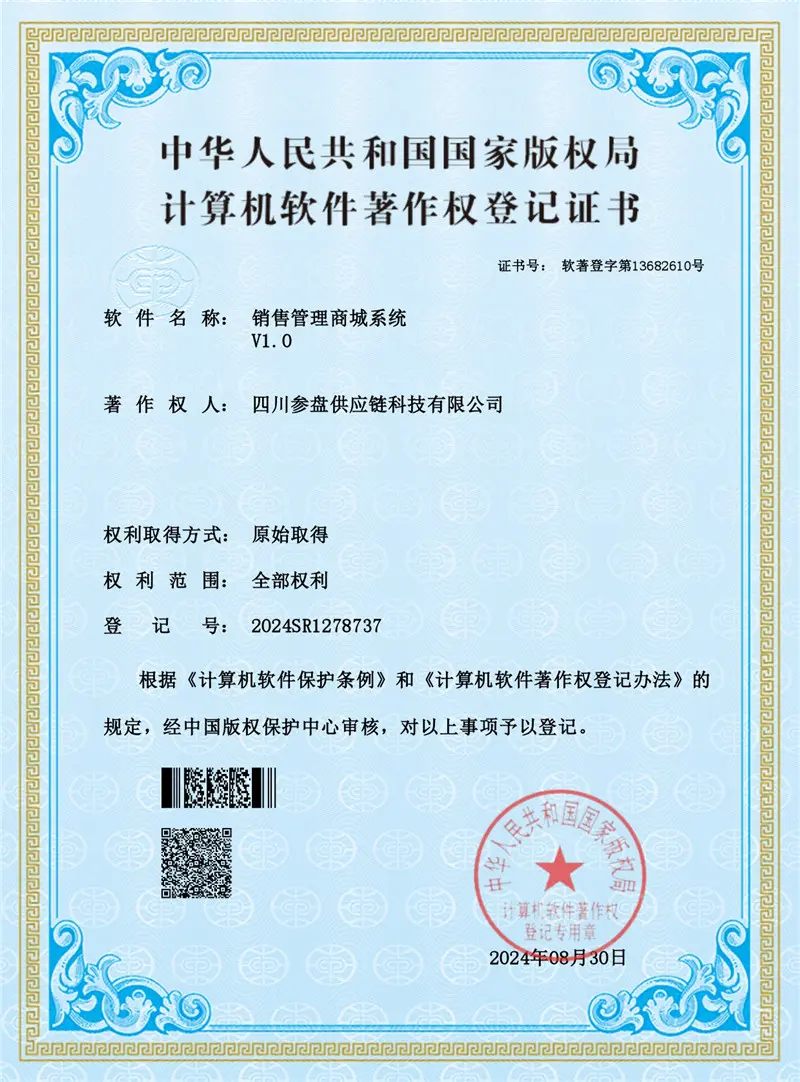
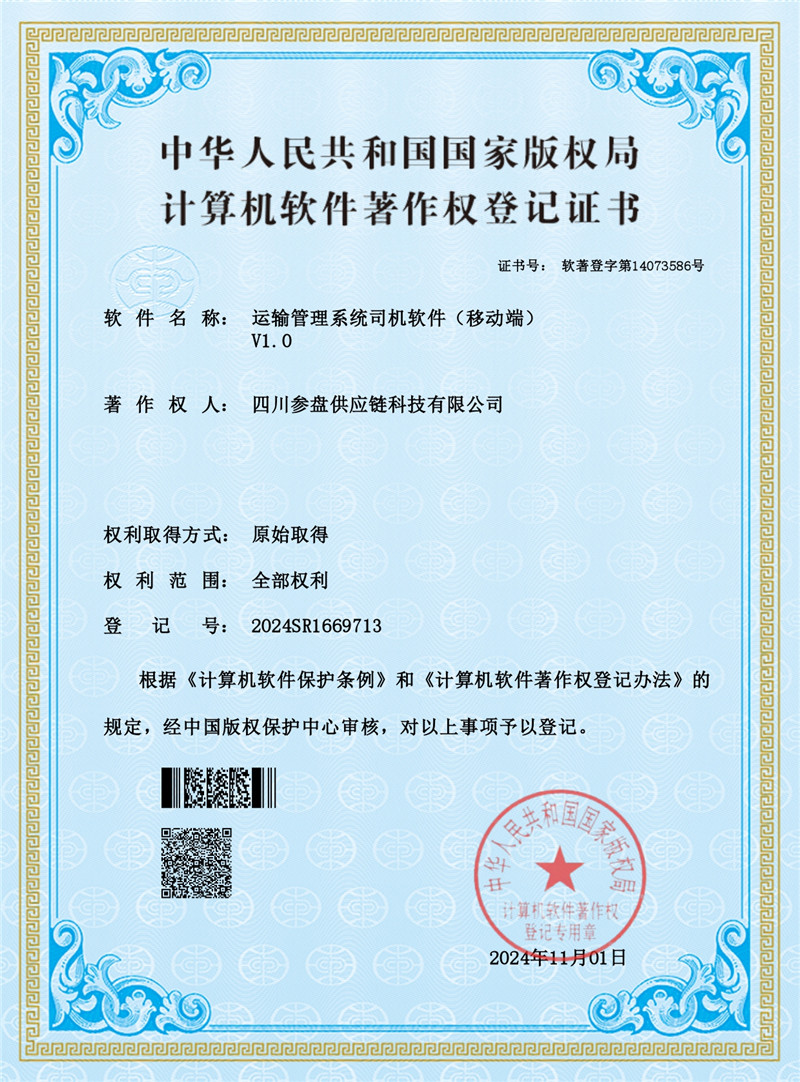
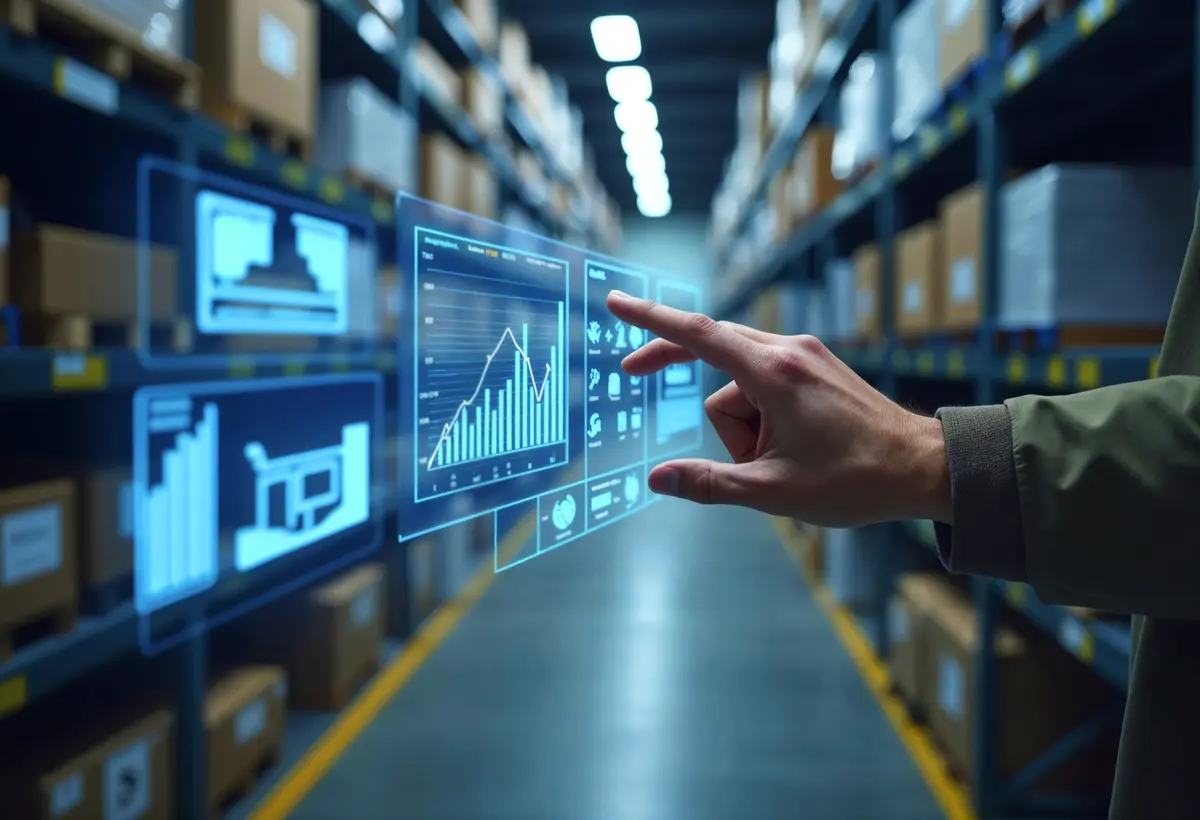
By integrating artificial intelligence (AI), machine learning, and dynamic IoT devices, SCP provides food supply chain solutions designed to streamline procurement, storage, and distribution.
Through automated material flow management and end-to-end data tracking, we help logistics systems reduce manual handling errors, maintain cargo integrity, and increase throughput speed across distribution points.
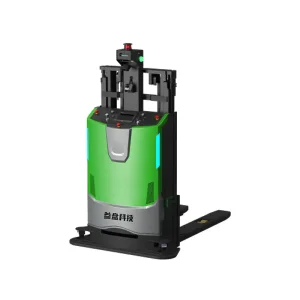
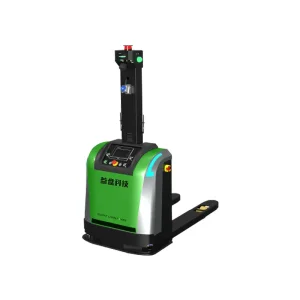
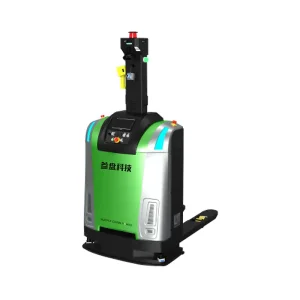
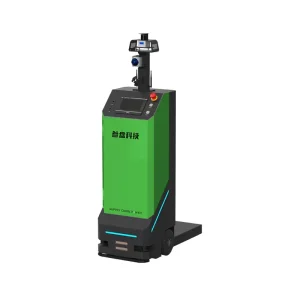
Industrial stackers, high-capacity forklifts, and heavy-payload mobile robot chassis options.
Get answers to common queries regarding technology selection, factory customization, and deployment processes.
 SCP
SCP