Explore our leading smart intralogistics robots utilizing high-precision Laser SLAM navigation, built for rapid integration and robust material handling.
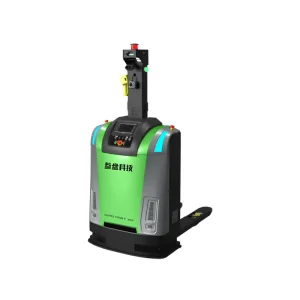
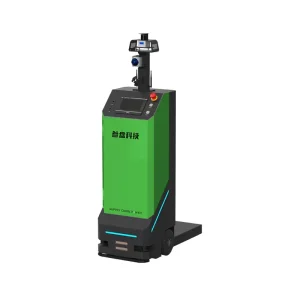
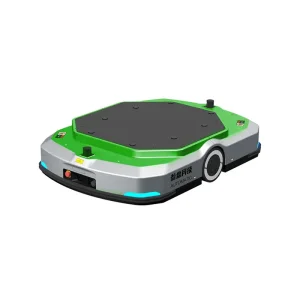
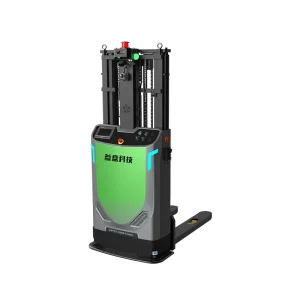
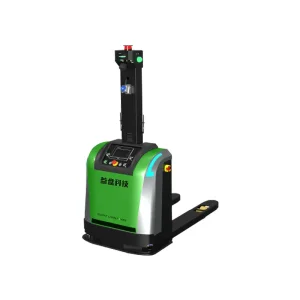
Navigating the transition from traditional warehousing to fully autonomous manufacturing floors.
The global market for Automated Guided Vehicles (AGV) and Automated Guided Carts (AGC) is undergoing an unprecedented shift. Driven by chronic labor shortages, rising warehouse operational costs, and the rapid growth of e-commerce, global corporations are abandoning localized, manual handling systems. Modern intralogistics demands fleet adaptability, dynamic rerouting, and sub-centimeter placement accuracy.
Today's procurement strategies prioritize manufacturers that deliver more than just physical equipment. System architects seek high compatibility with existing warehouse management systems (WMS) and manufacturing execution systems (MES), standardizing on interoperable protocols like VDA 5050. These machines are no longer single-task units but nodes in a larger, software-driven ecosystem.
Furthermore, regional safety regulations (such as ANSI/RIA R15.08 in North America and the CE Machinery Directive in Europe) have turned safety systems into a critical checklist item. Industrial hubs require suppliers capable of providing comprehensive site-acceptance testing, local support, and certified functional safety compliance.
From a regional perspective, the requirements are highly specialized:
This dynamic landscape is pushing suppliers to transition from simple mechanical fabricators into high-tech software and systems integrators. The selection of an AGV/AGC partner has evolved into a strategic business decision that dictates the efficiency and scale of supply chains for years to come.
An architectural view of the hardware and software layers powering modern AGV and AGC units.
Moving away from magnetic tape and physical markers, modern AGVs utilize 2D/3D LiDAR-based SLAM (Simultaneous Localization and Mapping). Natural feature navigation allows the vehicle to map environments in real-time, matching active sensor data against pre-loaded grid maps to maintain localization within ±10mm accuracy.
Utilizing high-density Lithium Iron Phosphate (LiFePO4) battery packs managed by smart Battery Management Systems (BMS). Modern fleets employ opportunistic opportunity charging (autonomously connecting to charging contacts during brief idle windows), securing 24/7 continuous facility operations without manual intervention.
Certified functional safety is achieved through dual-channel Safety PLCs paired with dual safety laser scanners. Using speed-and-zone adaptive fields, the vehicle dynamically recalculates its safety clearances, integrating ultrasonic sensors, mechanical bumpers, and 3D depth cameras to protect staff and goods.
Product Architecture of SCP
Taking the actual business needs as the cornerstone, SCP is committed to comprehensively innovating and enhancing the overall supply chain planning of enterprises. We provide enterprises with comprehensive end-to-end supply chain solutions, build a multi-role and multi-dimensional intelligent supply chain collaboration system, and achieve all-round efficient collaboration and process optimization.
At present, SCP has established a product architecture supported by software and hardware, and supplemented by the top-level design of the supply chain control tower to create an agile, flexible and efficient end-to-end supply chain system for enterprises.
Mission: Benefiting farmers and bringing welfare to consumers
Vision: Leading the technological upgrade of the supply chain and achieving extraordinary value for transformers
Positioning: Alliance of Developers of New Quality Supply Chain Technology
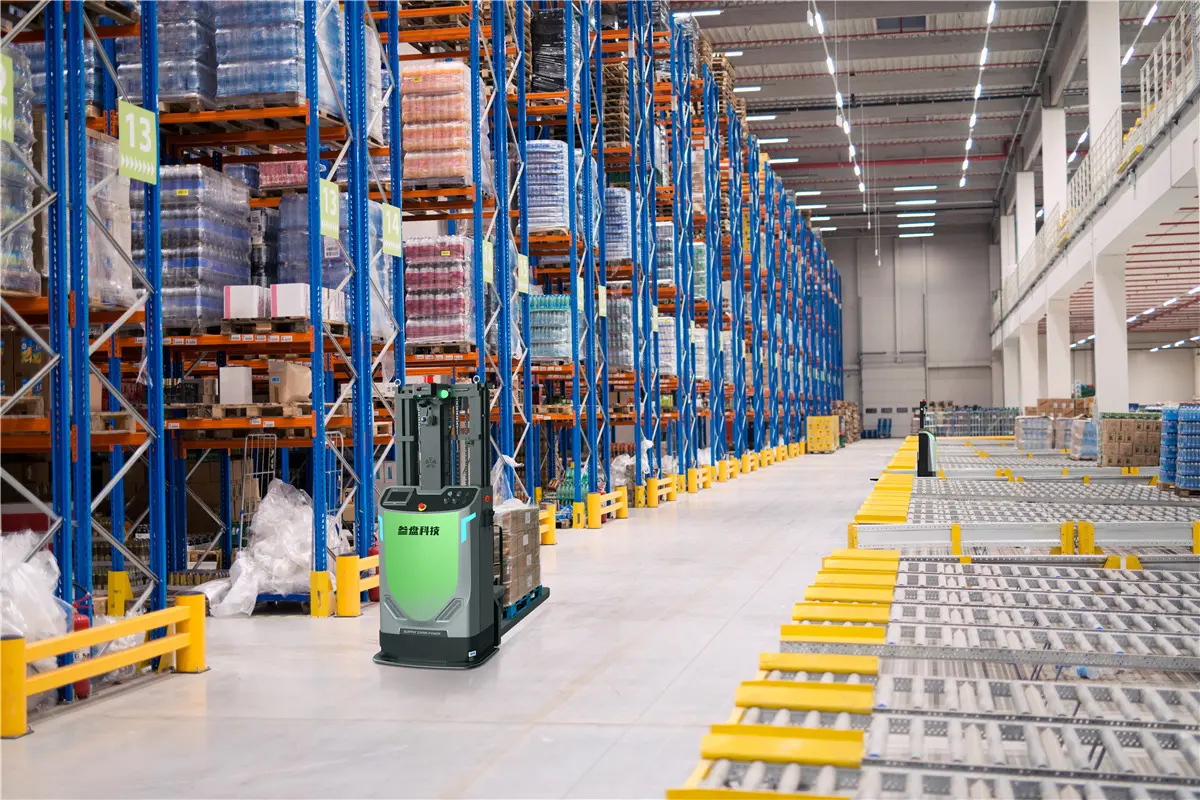
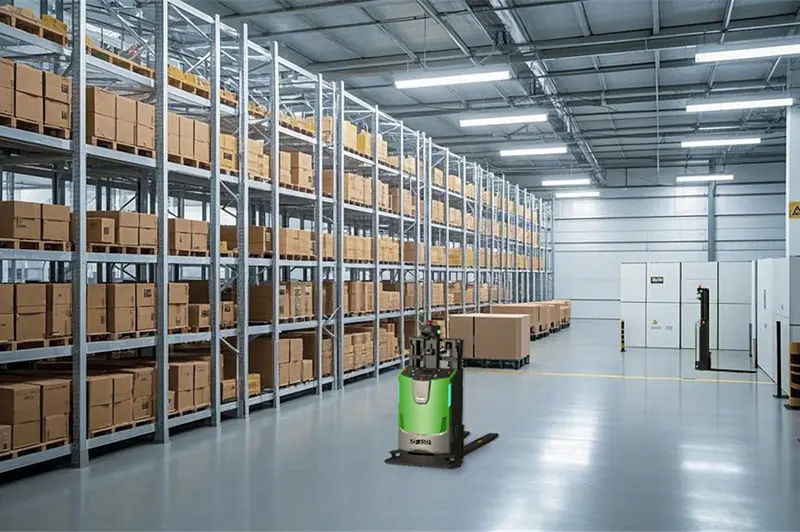
Delivering high-value, digital, and automated warehousing systems backed by strong corporate resources.
As a subsidiary of New Hope Group, we have a good market reputation and execution ability. Moreover, we have an in-depth understanding of multiple industries, allowing us to adapt systems to diverse, complex material profiles.
We were incubated based on the digital needs of the business side within the New Hope system, and have participated in many projects of the same type. Therefore, we have a better understanding of the actual business scenarios and demands.
We possess the self-development and integration capabilities for various systems in procurement, sales, and supply. We can easily meet the individual needs of different customers, from software customization to hardware sizing.
We provide light consulting services alongside projects, covering multiple dimensions such as process optimization and assessment weight, to assist customers in the construction of digital transformation of their supply chains.
We have a professional delivery team for commercial projects. We actively respond to the personalized needs of customers and can ensure fast and high-quality delivery according to customer requirements.
How we integrate forward-thinking R&D and ecological structures into our product lifecycle.
In terms of technology research and development, SCP continues to increase its investment and constantly optimize the product architecture supported by software and hardware and the top-level design of the supply chain control tower.
By strengthening the self-development and integration capabilities of various systems in procurement, sales, and supply, we continuously improve the technical level and competitiveness of our products and services. We build a solid foundation for the sustainable development of enterprises and the industry with leading technologies.
At the same time, we actively explore the application of cutting-edge technologies in the supply chain field, promote technological iteration and upgrading, and maintain a leading position in the industry in terms of technology.
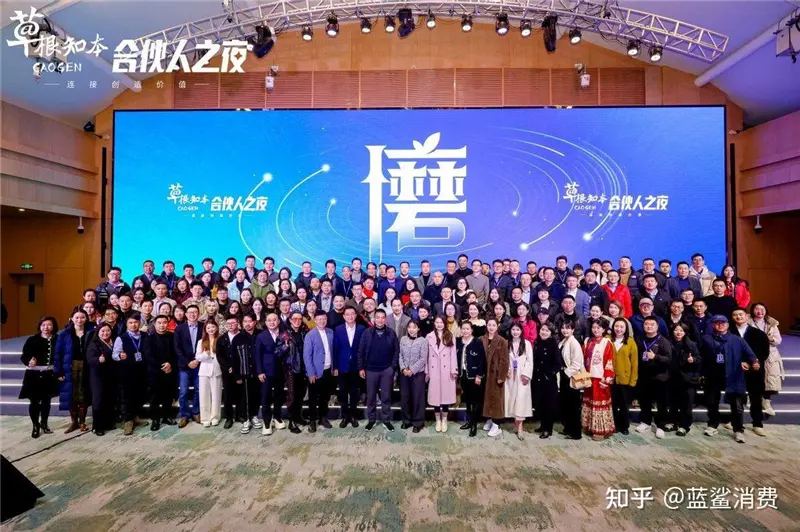
In terms of ecological construction, relying on the rich industrial resources and extensive business layout of Caogenziben, SCP deeply explores the supply chain needs of multiple industries such as food consumption and creates solutions that are suitable for actual scenarios.
By empowering key links such as cold chain logistics, we promote the standardized management and efficiency improvement of the supply chain and facilitate the collaborative development of the entire industrial chain.
In addition, we actively carry out in-depth cooperation with overseas partners, absorb international advanced experience and technologies, expand the international market, enhance the global influence of the enterprise, and build a supply chain technology ecosystem with international competitiveness.
From a long-term development perspective, with the vision of "Leading the technological upgrade of the supply chain and achieving extraordinary value for transformers", SCP integrates the concept of sustainable development into its corporate strategic planning and daily operations.
We not only focus on our own growth and profitability but also look to promote the green, intelligent, and efficient development of the industry. We build a more perfect supply chain collaboration system for future enterprises.
While achieving our own sustainable development, we create greater value for society and become a backbone force in promoting the sustainable development of the supply chain technology industry.
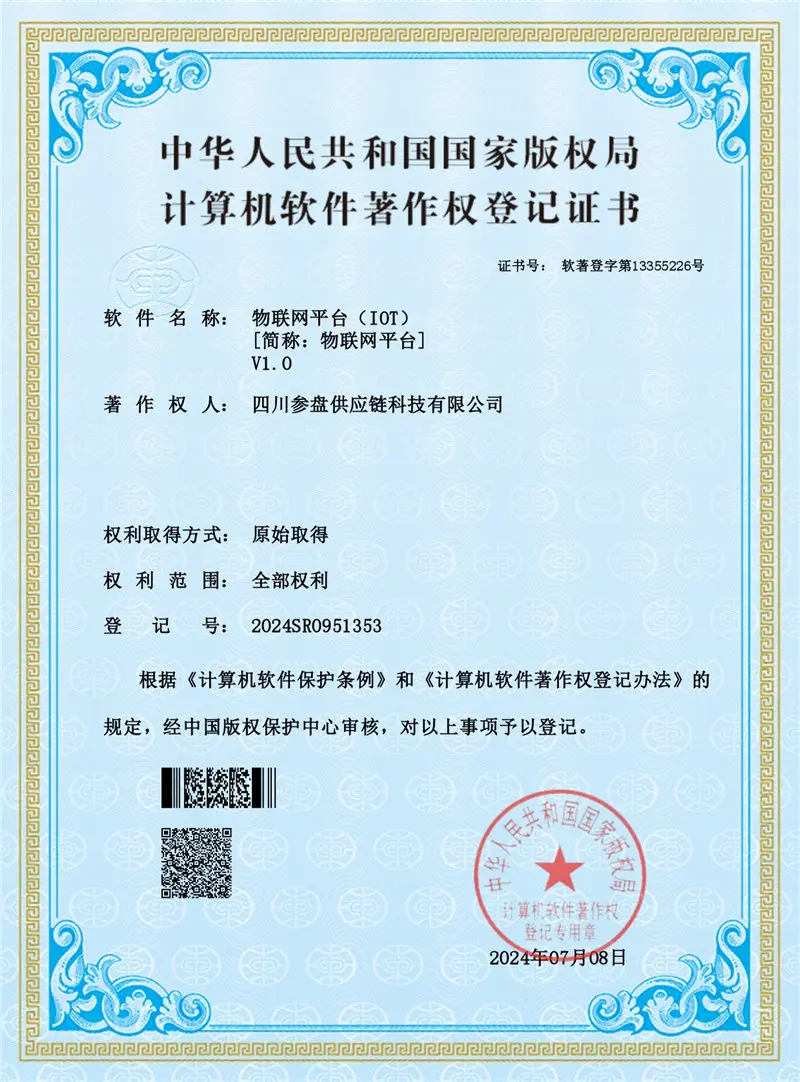
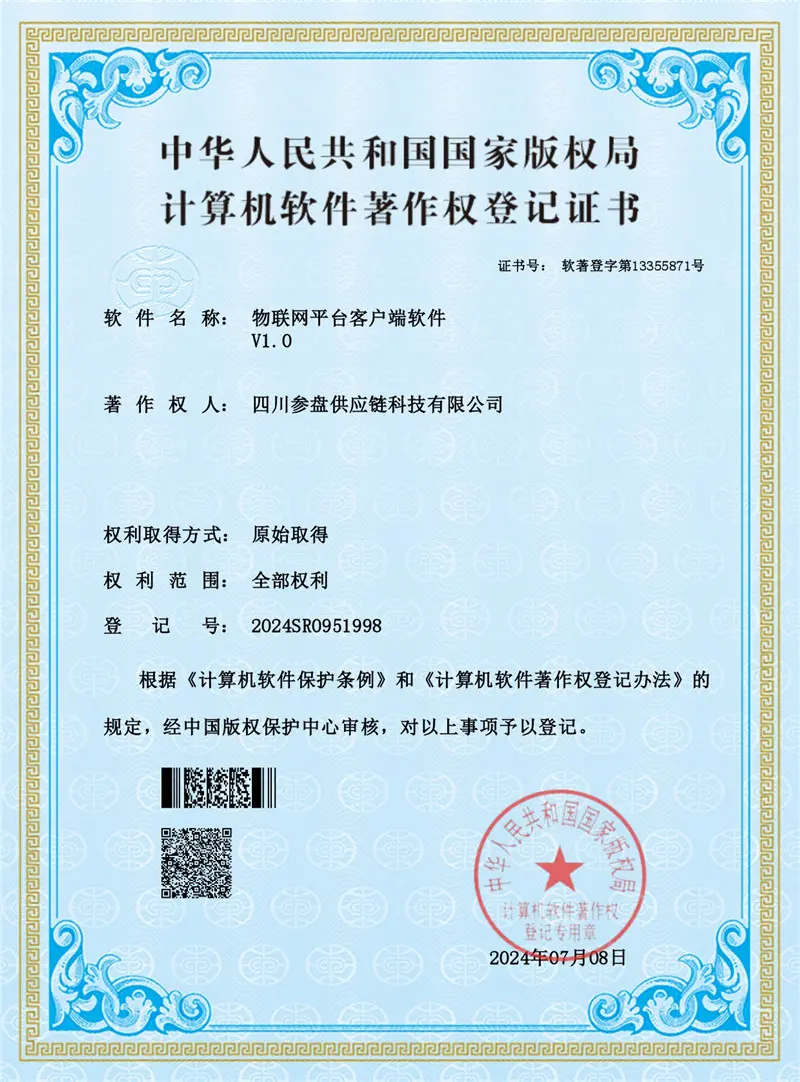
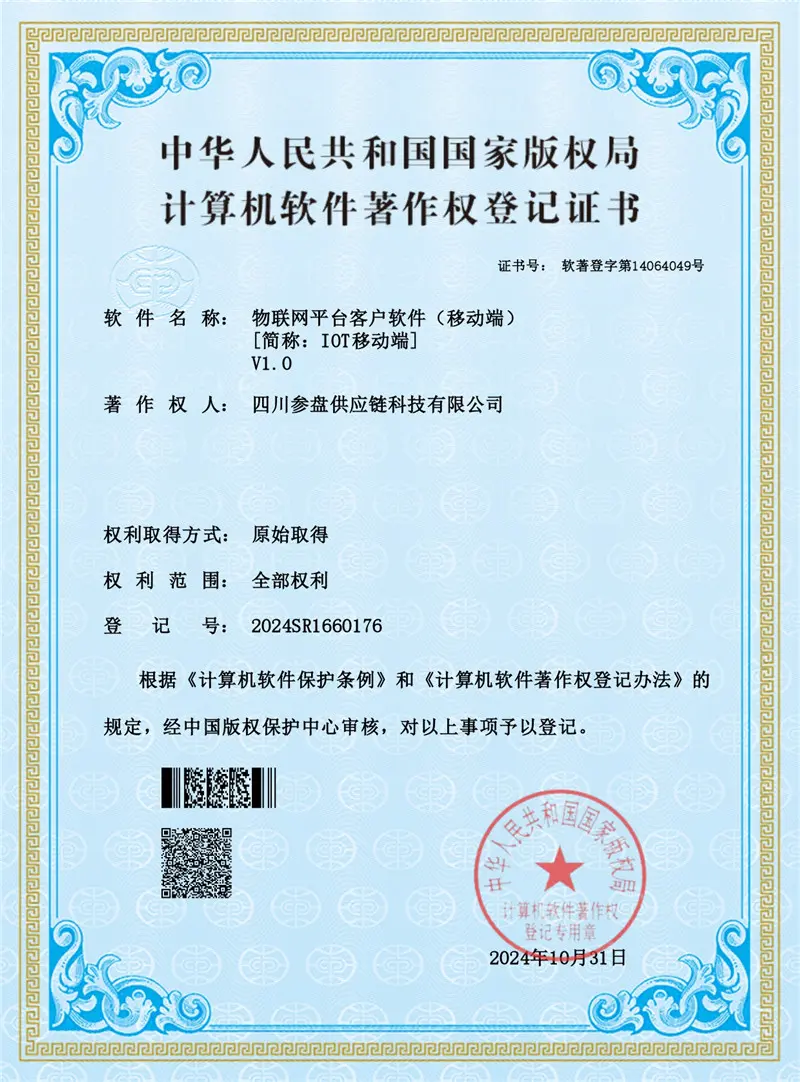
Quality and compliance framework backed by international certifications and strict testing guidelines.
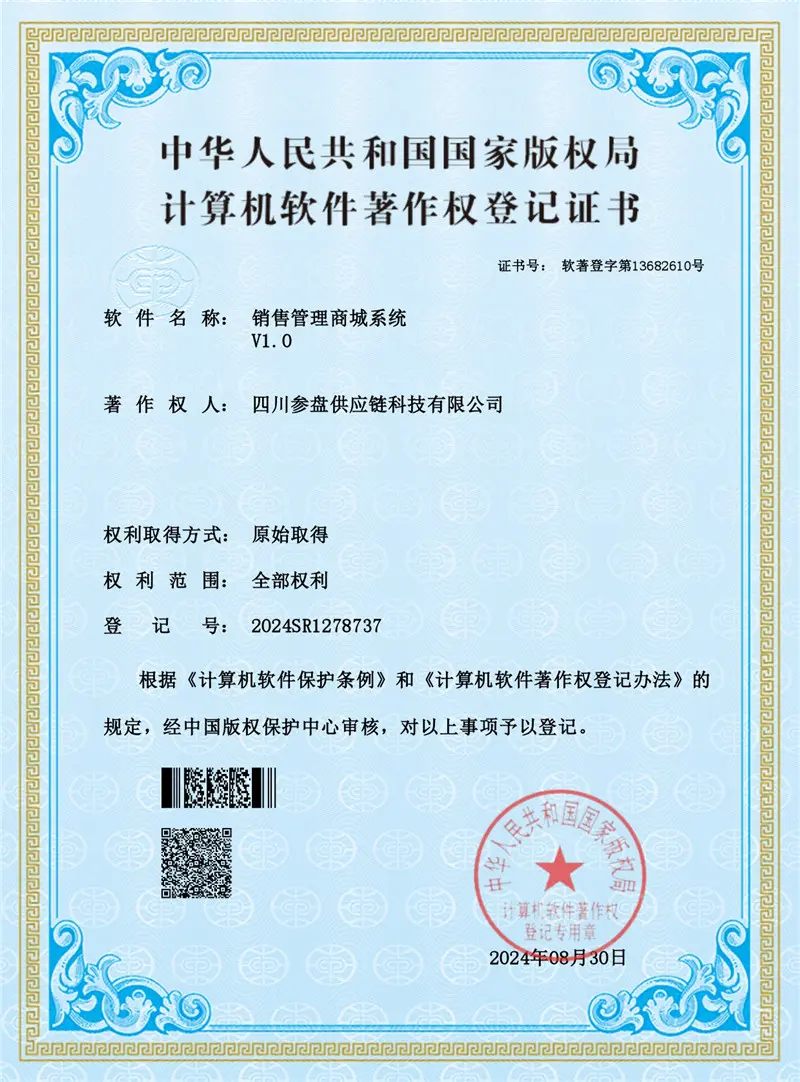
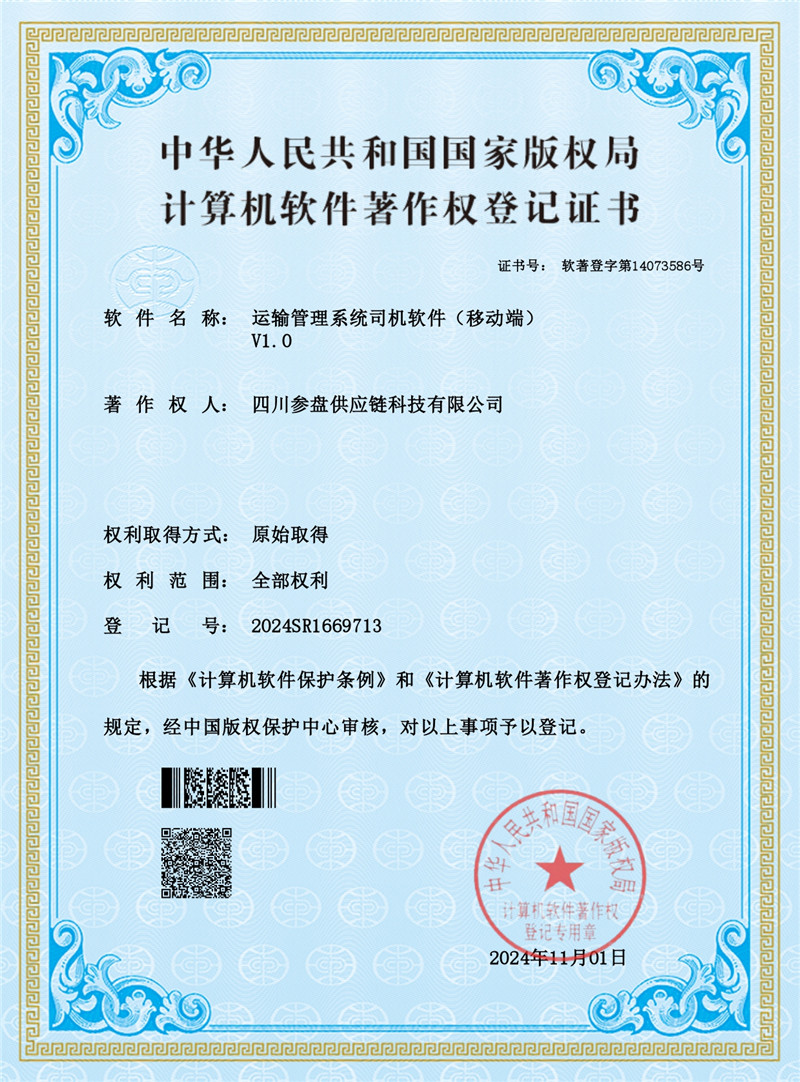
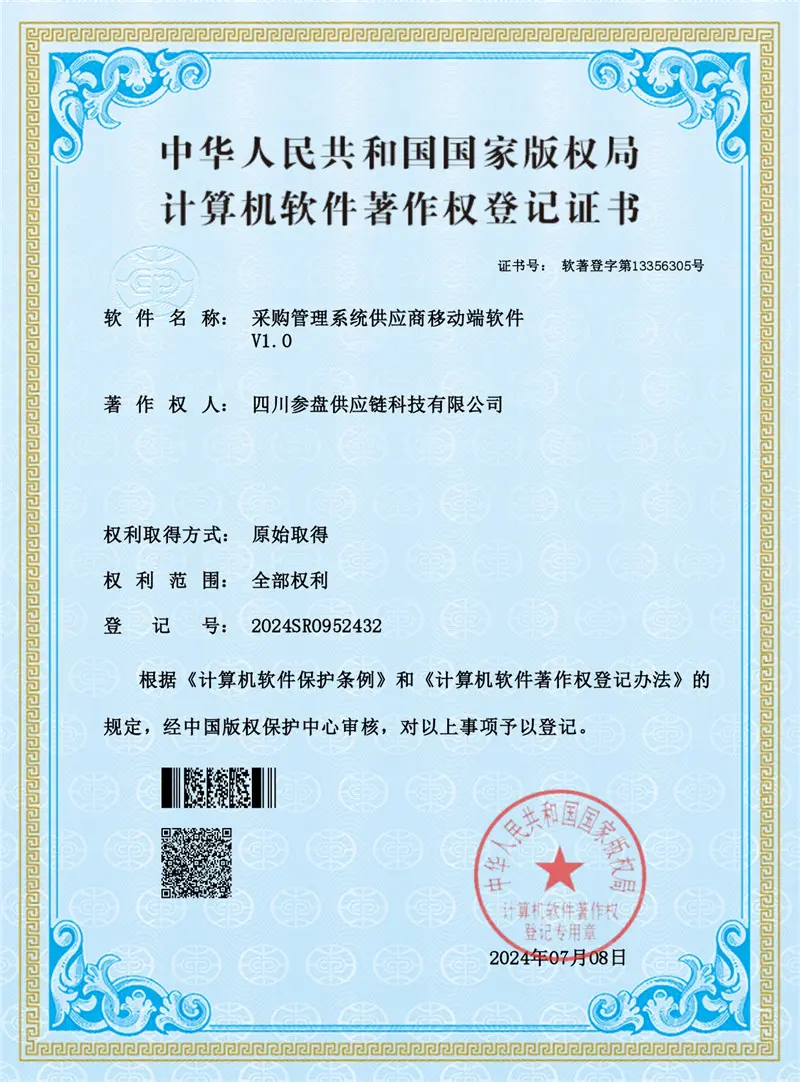
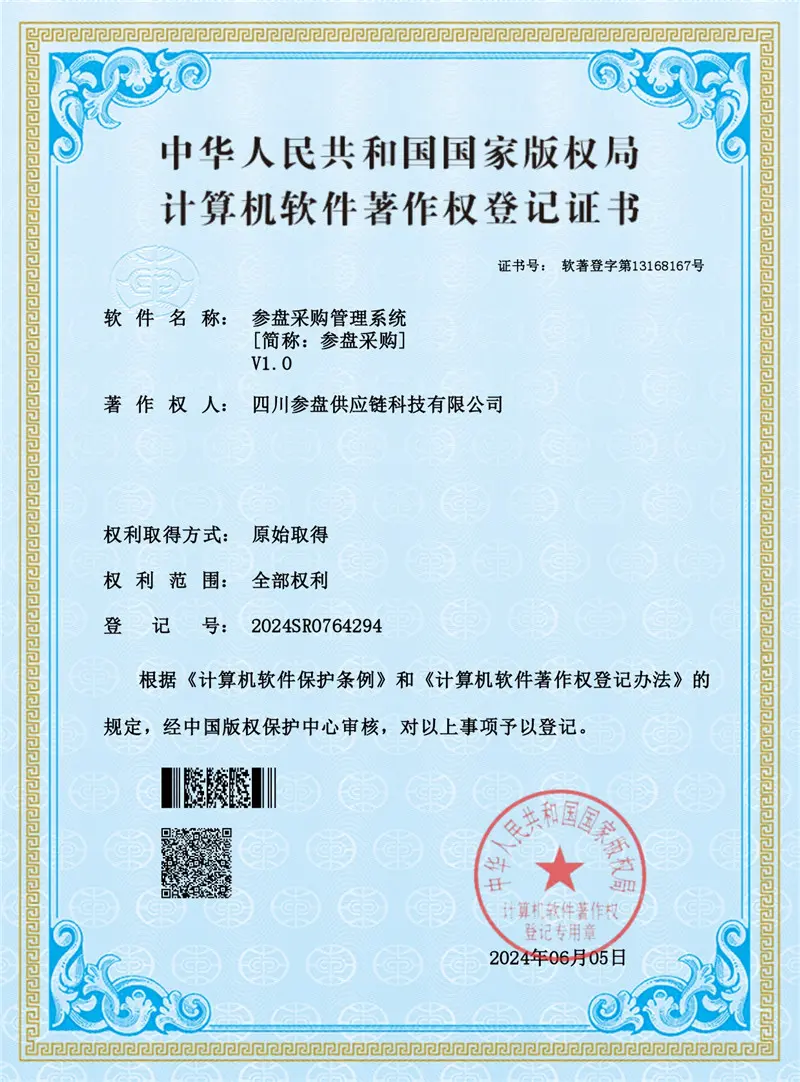
Empowering food and industrial logistics through IoT & AI
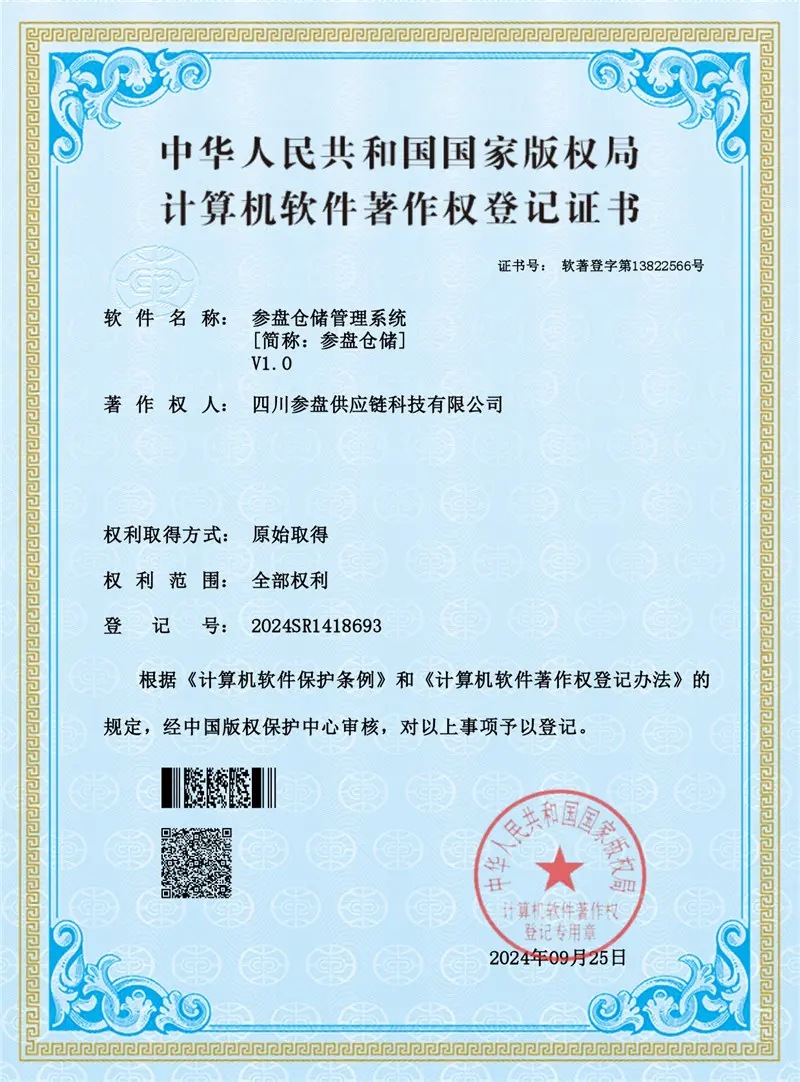
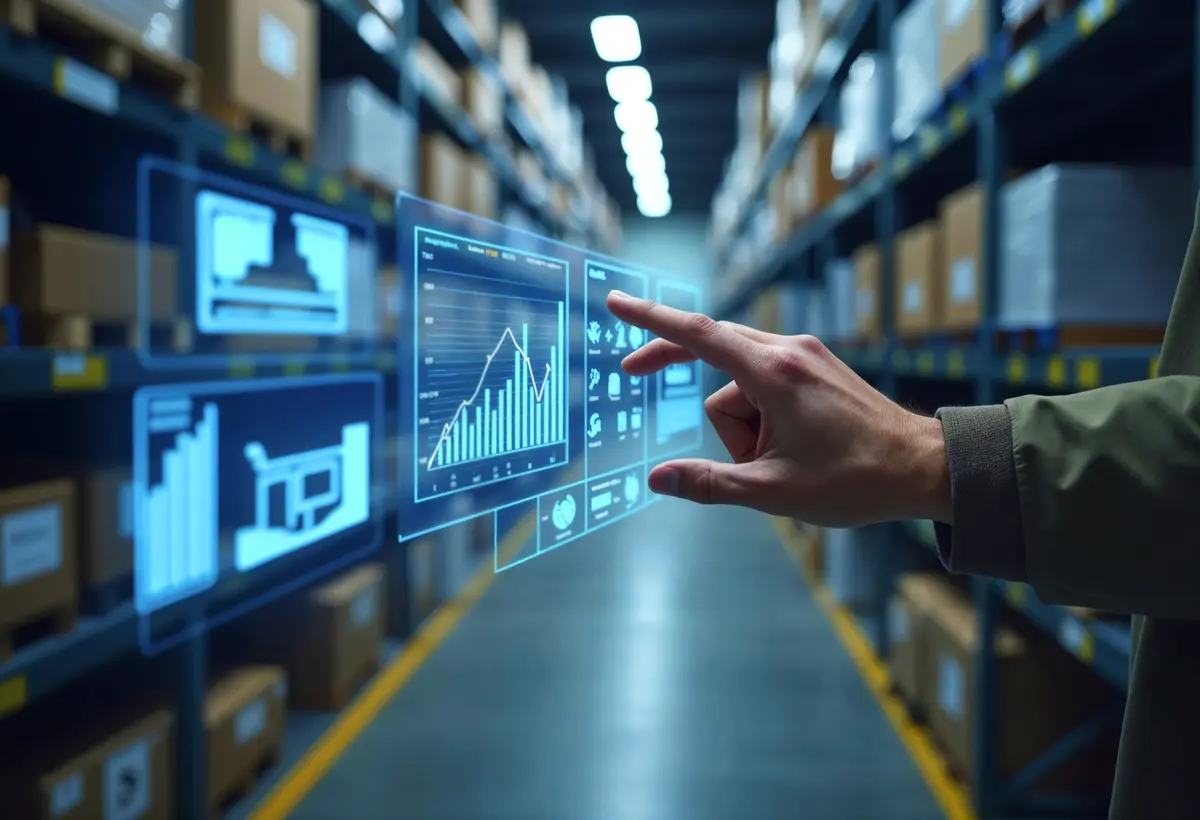
SCP focuses on providing comprehensive solutions for the food supply chain, as well as research and development of intelligent software and hardware products and services. The company aims to be based on the Internet of Things (IoT), Artificial Intelligence (AI), machine learning, intelligent devices, and other advanced technologies.
Through our automated, digitized, intelligent, and systematic technology products and solution matrices, we enhance the overall operational efficiency of supply chain procurement, supply, and sales, ultimately upgrading the value of both upstream and downstream industries globally.
Technical guidance and answers for operational directors, warehouse managers, and robotic engineers.
Traditional magnetic navigation depends on physical magnetic tape adhered to the warehouse floor. While simple, it lacks flexibility. Laying tape requires shutting down operations, and changing paths means physically lifting and reapplying the guide lines. Any damage to the tape stops the vehicles.
Laser SLAM (Simultaneous Localization and Mapping) uses onboard LiDAR to build a virtual 2D or 3D map of the environment. The system senses columns, walls, and stationary racks as landmarks. If paths change, routing is adjusted instantly in software without physical modifications to the floor. It offers high flexibility, low maintenance, and is ideal for active, dynamic environments.
Our AGV/AGC platforms are engineered around dual-channel Safety PLCs and safety scanners conforming to European CE Standards (Machinery Directive 2006/42/EC, ISO 13849-1 PLd, and EN ISO 3691-4). We use multi-zone safety fields that automatically scale with vehicle speed.
The vehicle features multi-level protection: warning fields slow the vehicle down upon detecting an obstacle, and safety stop fields apply mechanical braking within milliseconds. System designs are augmented with structural bumpers, emergency stop buttons on all corners, acoustic indicators, and 3D depth cameras for detecting overhanging obstacles.
We supply lithium iron phosphate (LiFePO4) battery packs, which offer a cycle life of 3,000 to 4,000 charges before capacity drops to 80%. This far outperforms traditional lead-acid batteries, which typically degrade after 1,000 cycles.
Our AGVs operate on an opportunity charging scheme. When the dispatch software detects a brief idle window, the vehicle drives to a charging shoe. A 15-minute charge can support up to 2 hours of run time. This capability eliminates the need for manual battery swapping, allowing for continuous, 24/7 autonomous operation.
Yes. Our fleet controllers connect to external systems via API architectures, using TCP/IP, Modbus, web services, and database linkages. We support the standardized VDA 5050 communication protocol, which is designed for sharing status and task information between mobile robots and control systems.
This allows our robots to coordinate tasks with external systems, manage elevator interfaces, interface with automated packing lines, and update material status in systems like SAP, Oracle, or custom WMS architectures in real-time.
High-precision Laser SLAM vehicles require smooth, consistent surfaces. Rough or unlevel concrete can cause wheel slippage, which introduces error into wheel encoder readings (odometry) and may degrade localization accuracy.
Generally, floors should meet flat flatness tolerances (e.g., DIN 18202 Class 3 or concrete flat floor standard FF45/FL35). If floors have minor irregularities, we suggest choosing polyurethane wheels and active suspension frames to help maintain grip and keep sensors stable.
Deploying our Laser SLAM AGVs follows a structured implementation process:
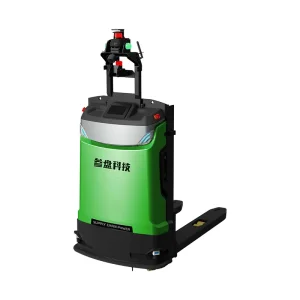
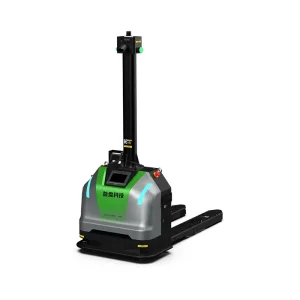
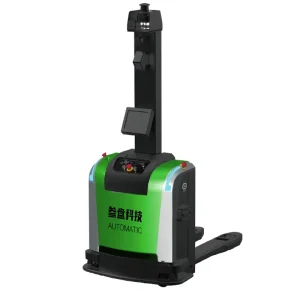
Explore our additional laser-guided forklift configurations and stackers engineered for narrow aisles and high-altitude warehouse rack storage.
 SCP
SCP