How to Choose the Right AGV Fork Truck for Your Business?

Time:2026-08-21 Author:Amelia
0%

Choosing the right AGV Fork Truck for your business is a critical decision. The logistics and material handling industry is evolving rapidly, with automated solutions increasing efficiency. According to a report by MarketsandMarkets, the global automated guided vehicle (AGV) market is projected to reach $8.1 billion by 2026, growing at a CAGR of 16.9%. This indicates the rising demand for AGV technologies, particularly in warehousing and manufacturing sectors.

When selecting an AGV Fork Truck, it is essential to consider various factors. These include load capacity, navigation technology, and operational environment. Each business has unique needs and challenges. For example, a warehouse with narrow aisles may require a different AGV design than a larger, open facility. With an increasing number of players in the market, quality and reliability of the AGV Fork Truck must be assessed carefully. A well-suited AGV can improve productivity but misalignment with operational needs may lead to inefficiencies.

Reflecting on these points, businesses must weigh their options diligently. Investing in an AGV Fork Truck has significant implications for overall workflow. Understanding the specific requirements of your operation is vital. Consider potential future needs as well, as today's choices will impact tomorrow's capabilities.
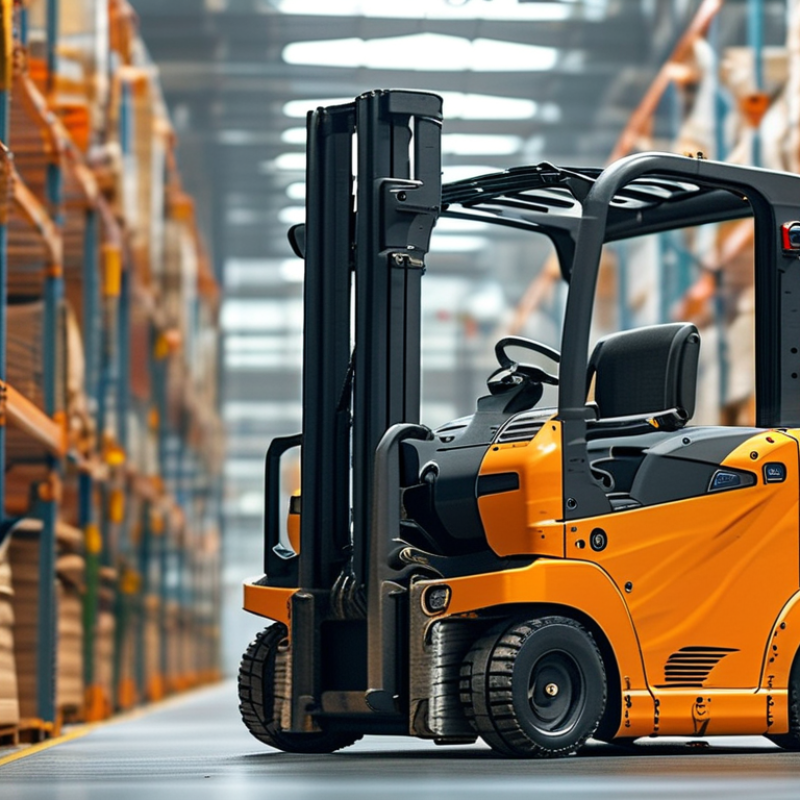
How to Choose the Right AGV Fork Truck for Your Business?

Understanding the Basics of AGV Fork Trucks

Understanding AGV Fork Trucks is essential for modern logistics. Automated Guided Vehicles (AGVs) are revolutionizing how goods are moved within facilities. These trucks navigate using various technologies, ensuring efficiency and safety. They can operate in tight spaces, a crucial advantage for warehouses and distribution centers.

When choosing an AGV Fork Truck, consider your specific needs. The load capacity is vital. Some AGVs handle light loads, while others are built for heavy lifting. The operational environment matters too. Is it indoors or outdoors? Will it encounter ramps or uneven surfaces? These factors affect the type of AGV you need.

Another important aspect is the control system. Many AGVs use sensors and cameras for navigation. However, this technology can sometimes misinterpret obstacles, leading to delays. Regular maintenance is also necessary. Ignoring this can lead to unexpected breakdowns. Understanding these elements can guide you in selecting the right AGV Fork Truck for your business.

Identifying Your Business Needs for AGV Fork Trucks

When selecting an Automated Guided Vehicle (AGV) fork truck, understanding your business needs is crucial. Start by analyzing the types of materials you handle. Different loads have unique requirements regarding weight and dimensions. Know your maximum weight capacity and the size of the aisles where the AGV will operate. This information shapes your choices.

Consider the environment where the AGV will work. Is it a busy warehouse with a lot of foot traffic? Or a quiet manufacturing floor? Each setting can impact the vehicle's design. Safety features must adapt to your specific operational risks. Evaluate factors like battery life and maintenance needs too. These aspects influence your long-term costs.

Take a moment to reflect on any gaps in your current system. Are there bottlenecks that slow down productivity? AGVs can optimize workflows, but only if they match your needs. Talk to your team about their challenges. Their input can highlight essential features. Building an effective AGV strategy involves more than just the machines themselves; it requires a thorough understanding of your operational dynamics.

How to Choose the Right AGV Fork Truck for Your Business

Evaluating Different Types of AGV Fork Trucks Available

When evaluating AGV fork trucks, understanding the variety available is crucial. Different types cater to specific business needs, such as load capacity, operational environment, and technology. According to a recent report, AGVs can improve warehouse efficiency by up to 30%. This statistic highlights the importance of selecting the appropriate type for your operations. One must consider the three main categories of AGV fork trucks: tugger AGVs, unit load carriers, and hybrid models. Tugger AGVs are excellent for transporting bulk items, while unit load carriers are ideal for stacking and moving pallets. A 2022 industry analysis showed that hybrid models, which combine features from both types, have been gaining traction due to their versatility. Their design allows for adaptation in dynamic environments, which can be beneficial for growth-oriented companies. However, the choice is not always straightforward. A business may underestimate the importance of integrating AGVs with existing systems. Inadequate planning can lead to inefficiencies and additional costs. Moreover, some organizations might face resistance from their workforce. Addressing these issues early can ensure smoother implementation and maintenance of AGV systems. Considerations such as training requirements and software compatibility play significant roles in operational success.

Key Features to Consider When Choosing an AGV Fork Truck

When selecting an Automated Guided Vehicle (AGV) fork truck, it's essential to evaluate key features that align with your specific business needs. One crucial aspect is the payload capacity. According to industry reports, AGVs can typically handle loads ranging from 500 kg to over 3,000 kg. Knowing your maximum load requirements helps ensure you choose a truck that will perform effectively.

Another significant feature is the navigation technology used in the AGV. Options include laser-guided systems and magnetic tape guidance. Studies indicate that laser-guided AGVs offer greater flexibility, particularly in dynamic environments. They adapt quickly to changing layouts, which is vital as facilities often evolve.

Battery life and charging options also play a pivotal role in operational efficiency. Most AGVs come with lithium-ion batteries that support rapid charging, reducing downtime. Industry data shows that companies save an average of 30% on operational costs with efficient AGV systems. However, it's essential to assess the availability of charging infrastructure in your facility to avoid unnecessary delays. Regular reflections on these features can lead to better long-term outcomes for your automation strategy.

How to Choose the Right AGV Fork Truck for Your Business? - Key Features to Consider When Choosing an AGV Fork Truck

Feature Description Importance Considerations
Load Capacity Maximum weight the truck can handle. High Match with the heaviest load in your facility.
Fork Dimensions Length and width of the forks. Medium Ensure compatibility with your pallets.
Navigation System Technology used for route planning and execution. High Consider indoor vs outdoor use.
Battery Life Duration before recharging is needed. High Plan for operational hours and shift schedules.
Safety Features Includes sensors, alarms, and emergency stops. High Evaluate the working environment hazards.
Cost Total expense including purchase and maintenance. Medium Consider ROI based on efficiency improvements.

Assessing Cost and Return on Investment for AGV Fork Trucks

When assessing the cost and return on investment for AGV fork trucks, businesses must consider various factors. Initial costs can be high, but the potential savings often outweigh these expenses. You might need to calculate the total cost of ownership. This includes maintenance, energy usage, and labor reduction. Each factor can significantly impact your bottom line.

Calculating ROI involves more than just numbers. You should evaluate the efficiency gains. An AGV can streamline warehouse operations, reducing congestion. This can lead to faster order fulfillment. However, it’s also essential to factor in potential risks. Your operation might face software integration issues or mechanical failures. These aspects can affect productivity and overall costs. Analyzing how these risks balance against potential savings is crucial for making an informed decision.

Finally, consider both short-term and long-term benefits. Immediate cost reduction may be enticing, but think about durability and tech advancements. AGVs evolve rapidly. Investing in outdated technology may not yield favorable returns. A thoughtful assessment will help you decide if AGV fork trucks align with your business goals. The right choice could enhance your operational efficiency significantly.

FAQS

: What should I analyze before choosing an

GV fork truck?

Why is the operating environment important for AGV selection?

The AGV design must suit your environment, whether busy warehouses or quieter floors.

How do safety features vary for different AGV environments?

Safety features should adapt to the unique operational risks of your facility.

What aspects impact the long-term costs of AGVs?

Factors like battery life, maintenance needs, and operational efficiency influence total costs.

How can I identify gaps in my current system?

Look for bottlenecks that slow productivity and reflect on team challenges for insights.

What is a crucial feature to consider regarding load requirements?

Know your maximum payload capacity, as AGVs can handle between 500 kg and 3,000 kg.

What navigation technologies should I consider for AGVs?

Evaluate options like laser-guided systems or magnetic tape guidance based on your facility’s needs.

How can battery life affect AGV performance?

Longer battery life and efficient charging options help minimize downtime and increase productivity.

What are some ways to optimize AGV workflows?

Ensure AGVs match your operational dynamics and address any limitations in current workflows.

How can regular reflections improve my AGV strategy?

Regularly evaluating features and operational needs can enhance long-term effectiveness and efficiency.

Conclusion

When selecting the right AGV fork truck for your business, it's essential to start by understanding the fundamental concepts behind these automated vehicles. Assessing your specific business needs helps in narrowing down the options, as different applications may require unique features. Evaluating the various types of AGV fork trucks available in the market ensures that you select a model that aligns with your operational requirements.

Key features to consider include load capacity, battery life, and navigation methods, as these will impact efficiency and productivity. Additionally, it's crucial to conduct a thorough cost analysis and assess the potential return on investment for implementing AGV fork trucks in your operations. By carefully considering these aspects, you can make an informed decision that enhances your business's logistics and material handling capabilities.


Amelia

Amelia

Amelia is a seasoned marketing professional with a wealth of expertise in our company’s core offerings. With an unwavering passion for driving growth and innovation, she plays a pivotal role in shaping our marketing strategies and enhancing brand visibility. A key aspect of her responsibilities......